© Shutterstock
 Votre guide Ryo
Visiting Colmar in 2 Days: from the Petite Venise to the Wine Route (2026)
Colmar is compact, yet no one manages to see it all in a single day. To visit Colmar in 2 days under the best conditions, you need to accept making choices: the historic center and its museums on day one, the wine route on day two. The Alsatian city concentrates its old heart over barely one square kilometer, but every cobbled alleyway leads to a different half-timbered house, and the canals of the Petite Venise almost always call for a boat ride that eats up a good hour of the schedule.
This two-day format is the right compromise, and it's exactly the structure followed by the Ryo audio guide tour of Colmar: day 1 for the historic center, its museums and gastronomy, day 2 for Eguisheim with its concentric streets, and Turckheim, where a night watchman still calls out the hours in period costume. Between the two, count around thirty listed half-timbered houses, five museums — one of which houses the Isenheim Altarpiece — and a 19th-century covered market where you can have lunch without ever sitting down at a restaurant table. This itinerary details hour by hour how to organize your stay, with alternatives for those who only have one day, those who have three, and those who prefer cycling to walking.
Why Spend Two Full Days in Colmar
Colmar has long suffered from its reputation as a postcard city, the kind you dash through between two castle visits. That's a mistake: the city nurtured painters, sheltered an altarpiece considered one of the pinnacles of late Gothic painting, and gave its name to one of the most widely copied artists in the world, Auguste Bartholdi, sculptor of the Statue of Liberty. It's also the spirit behind the Ryo audio-guided tour of Colmar, designed as a continuous loop rather than a list of isolated sites.
How long do you need? One day lets you tick the essentials: Petite Venise, Tanners' Quarter, one museum. But it forces you to sacrifice either the wine route, or half the museums, or any meaningful food break. Two days change the equation: you keep the pace of a leisurely stroll without rushing, and you add a half-day outside the city walls, on the wine route or in a village like Eguisheim.
Three days, on the other hand, become worthwhile if you want to push as far as Haut-Koenigsbourg castle, Mulhouse, or even cross the border to Freiburg im Breisgau, less than an hour's drive away. For a first visit, 2 days remain the most efficient format: enough to leave with no regrets, short enough to make you want to come back. For a quick overview before diving into the hour-by-hour detail, the Ryo article on the top 5 things to do in Colmar covers the essentials.
Day 1: The Old Town, the Petite Venise, and the Tanners' Quarter
The first day of this stay focuses entirely on the listed historic center, reachable in a single walking loop of around three kilometers. Here's how to string it together without doubling back.
The Petite Venise and the Boat Ride
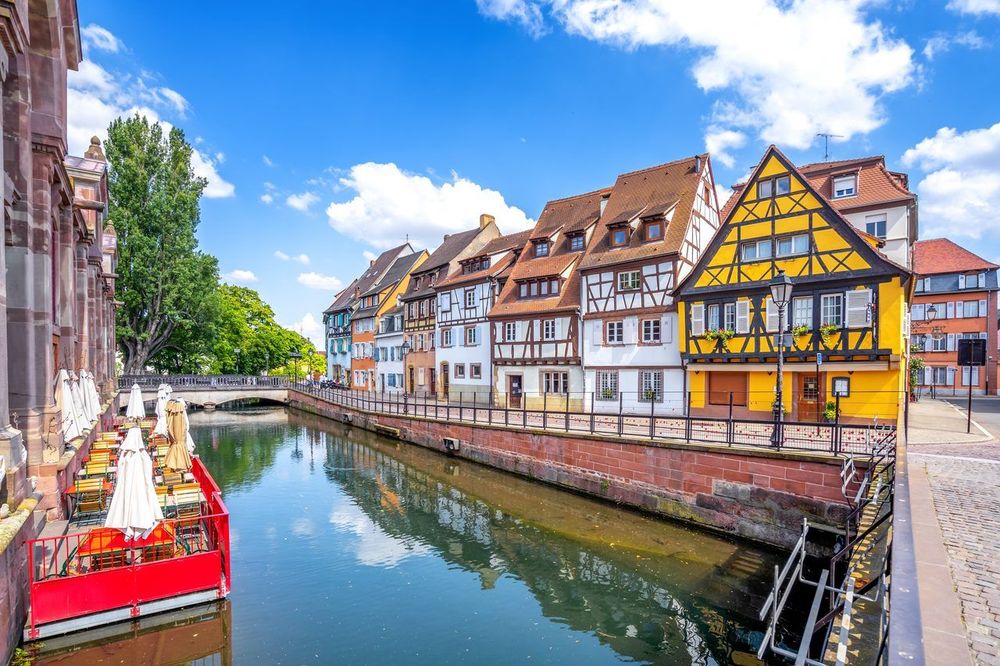
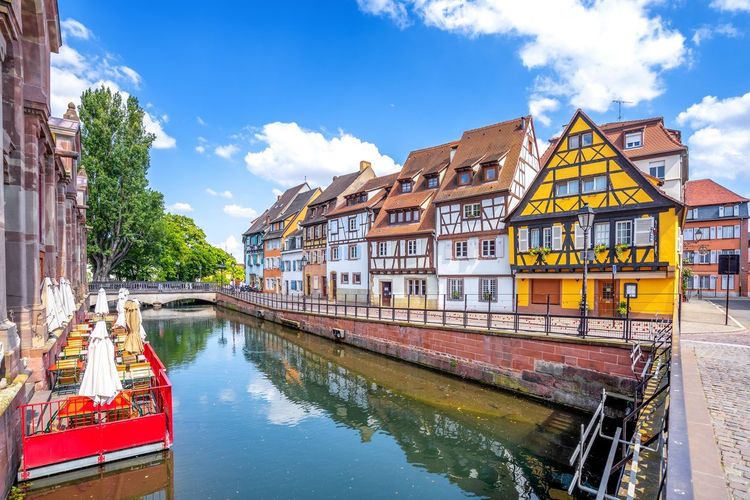
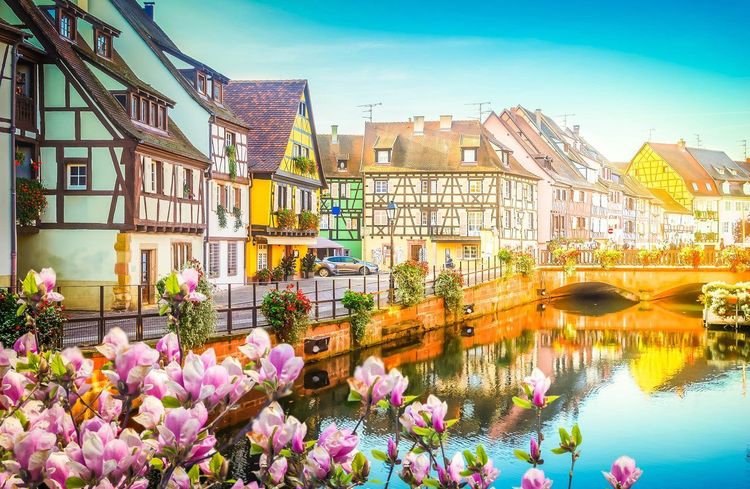
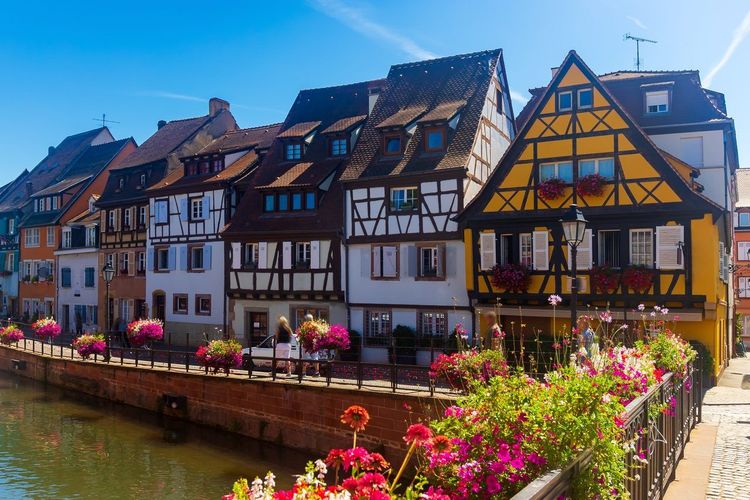
Start early, before the tour groups arrive. The Petite Venise refers to the network of canals running along the Lauch, between the Tanners' Quarter and the Quai de la Poissonnerie, lined with houses in pink, yellow, and pastel blue.
The best way to discover it remains the boat ride in Colmar: flat-bottomed boats depart from the Pont Saint-Pierre and glide for about thirty minutes under flower-lined bridges, with commentary on the history of the neighborhood, once home to tanners, fishermen, and market gardeners who used the river to transport their goods to the covered market. Expect around 8 to 9 euros per adult, half price for children, and arrive early in July and August: morning slots fill up fast, and the boatwomen do not take individual reservations.
If you prefer to visit Colmar on foot, walk along the Quai de la Poissonnerie on the riverside and cross via the Pont Saint-Pierre: this is where the city's most reproduced photographs are taken, with the reflections of half-timbered houses in the still water. In the morning, before 9am, the raking light and absence of crowds make the scene almost surreal.
The Tanners' Quarter and the Half-Timbered Houses
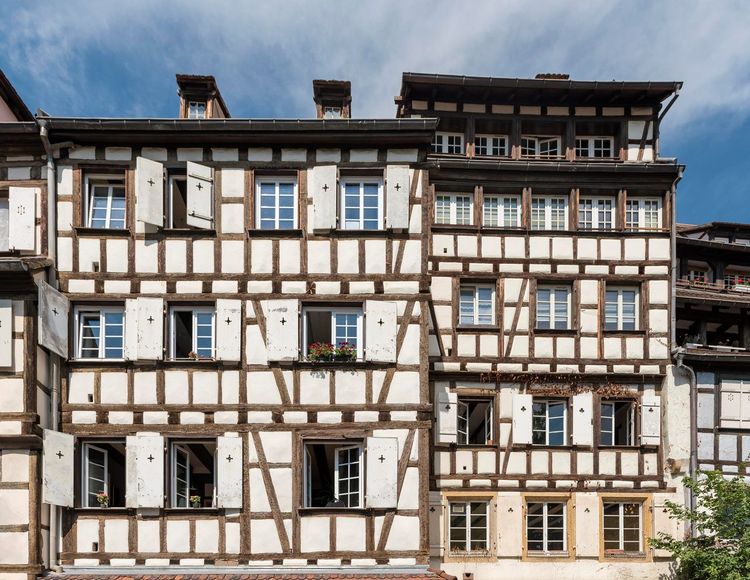
Heading up from the Pont Saint-Pierre, you enter the Tanners' Quarter, recognizable by its tall, narrow houses pierced with wide open attic spaces where hides once dried in the open air. The Rue des Tanneurs and the Place de l'Ancienne Douane concentrate the city's highest density of half-timbered houses, with 16th-century façades saved from demolition by a major restoration campaign carried out in the 1970s.
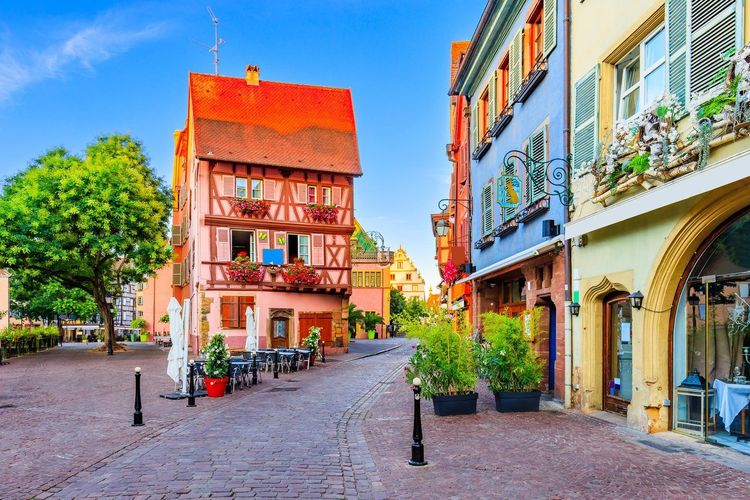
The construction technique explains this diversity of colors: the timber frames, those exposed wooden beams, structured the house while the wattle and daub — a mixture of earth and straw — filled the gaps. Owners traditionally tinted this render according to their trade or wealth, a convention largely reinvented by 20th-century renovations that multiplied the yellows, pinks, and blues now associated with typical Alsatian houses.
Don't miss the Maison Pfister, with its carved wooden loggia and its corner oriel painted with biblical scenes, considered the most photographed house on the Rue des Marchands.
A little further along, the Maison des Têtes takes its name from the grimacing carved heads — over a hundred of them — that adorn its 1609 Renaissance façade, now home to a hotel.
Colmar is also the birthplace of Auguste Bartholdi, and several Bartholdi statues punctuate the route: a replica of the Statue of Liberty stands to the north of the city, on the roundabout marking the entrance from the Strasbourg road, while a fountain dedicated to Admiral Bruat, another work by the sculptor, stands in the Parc du Champ de Mars. These architectural treasures of Colmar are almost exclusively discovered on foot: the historic center bans motor traffic on most of its streets, making it one of the rare French city centers where you can stroll without ever looking up to check a traffic light.
The Ryo Colmar audio guide devotes several stops to this area, with explanations about the history of the tanners and fishermen that give the boat ride its full meaning. If you prefer to explore at your own pace rather than with an organized group, the app guides you through each step with no time constraints.
The Collégiale Saint-Martin and the Quai de la Poissonnerie
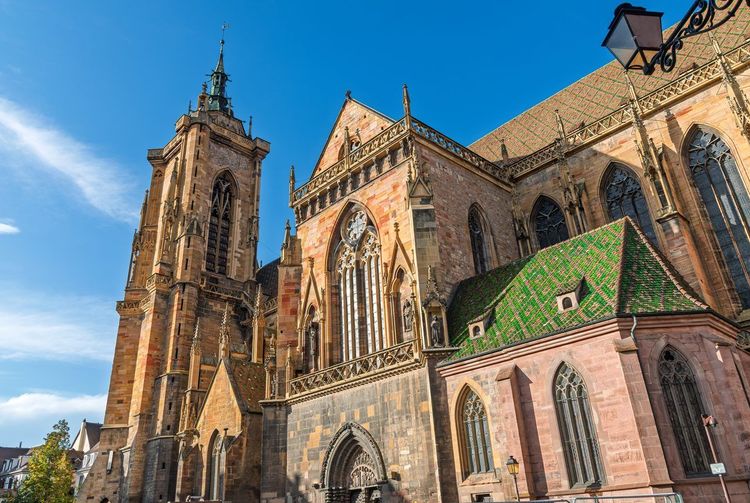
Continuing toward the Place de la Cathédrale, the Collégiale Saint-Martin imposes its Gothic silhouette, with an asymmetrical tower that has remained unfinished since the 15th century. The interior, austere, contrasts with the decorative exuberance of the surrounding houses: medieval stained glass, a south portal carved with a Last Judgment, and a nave that has long served as a cathedral in the collective imagination, even though Colmar never held that status.
Heading back down toward the Lauch, the Quai de la Poissonnerie retains the memory of the fishermen's quarter that supplied the city until the 19th century.
The houses here are lower, almost all equipped with direct water access once used to unload the day's catch. It's one of the rare spots in Colmar where you can still imagine everyday life before tourism arrived, with laundry drying at windows and geranium pots lined up on the sills.
Allow a good half-day for this first third of the visit, between strolling, photo stops, and breaks. If time is short, prioritize the Petite Venise and the Collégiale: the Tanners' Quarter can be crossed in ten minutes from either one.
Day 1 (Continued): The Must-See Museums of Colmar
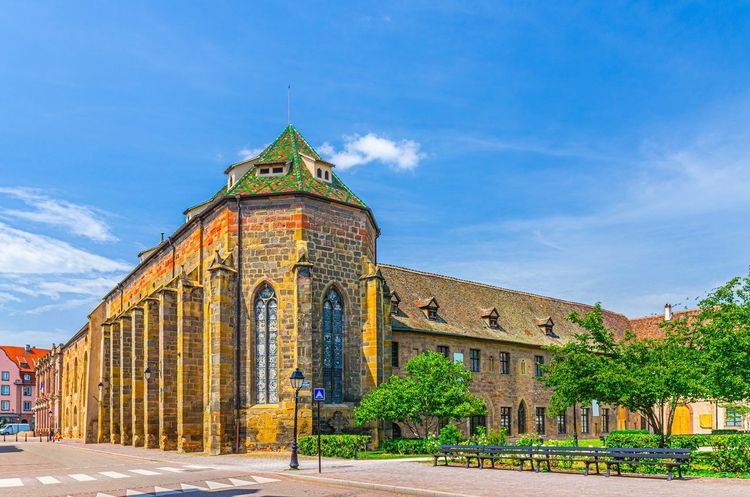
Colmar boasts a remarkable density of museums for a city of around 70,000 inhabitants. Visiting them all in one afternoon is impossible: here's how to prioritize according to your interests.
The Unterlinden Museum, the Masterpiece You Can't Miss
The Unterlinden Museum, housed in a former 13th-century Dominican convent, is the museum to visit first if you can only choose one. It holds the Isenheim Altarpiece, a polyptych painted by Matthias Grünewald in the early 16th century, considered one of the pinnacles of late Gothic painting for the expressive violence of its crucifixion scene.
Since its extension inaugurated in 2015, designed by Herzog & de Meuron, the museum spans three buildings connected by an underground passage and also presents an unexpectedly modern art collection for an Alsatian city: Monet, Picasso, Soutine. Allow at least two hours, more if you linger in the cloister, which has remained virtually intact since the Middle Ages.
For tickets, expect 14 euros at full price, 9 euros for those aged 12–17 and students under 30, with free admission for under-12s. The museum is open Wednesday to Monday from 9am to 6pm: it closes on Tuesdays, a detail worth checking before scheduling your first day at the start of the week. You can avoid queuing by booking online, especially in high season or during the Christmas market, when visitors take refuge at the first sign of cold.
The Bartholdi Museum and the Toy Museum
If time is short, the Bartholdi Museum remains the natural complement to the stroll through the Tanners' Quarter: housed in the sculptor's birthplace, it traces his career through scale models, preparatory drawings, and models of the Statue of Liberty, striking in their grandeur once you've spent the whole day seeing them in miniature on the city's squares.
Just steps away, the Colmar Toy Museum (40 Rue Vauban, 68000 Colmar, rated 4.4/5 on Google with 3,898 reviews) appeals primarily to families: electric trains, antique dolls, figurines, and automata fill several floors of a former cinema. It's a good fallback option if the weather turns or if you're traveling with children who have exhausted their heritage patience for the day.
Both museums take about an hour each, allowing you to visit them back to back in the afternoon without sacrificing the rest of the program. Do check the calendar though: the Bartholdi Museum closes in January and February, a quiet period when the Toy Museum takes over without interruption.
The Uncle Hansi Museum and Village
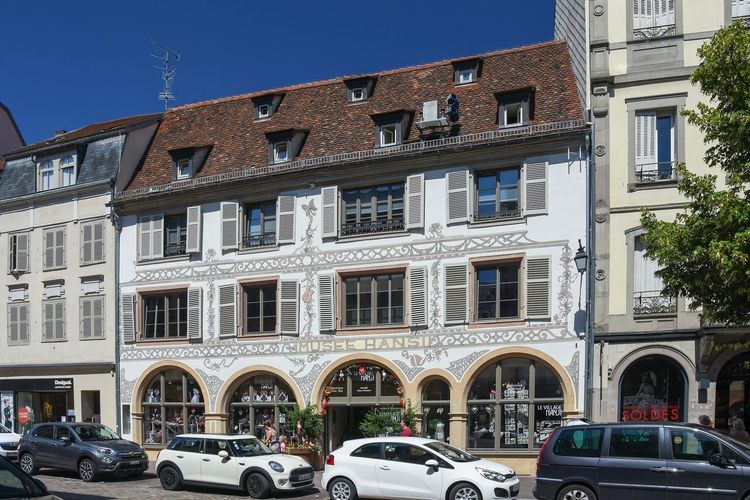
The Uncle Hansi Museum and Village, dedicated to illustrator Jean-Jacques Waltz, immerses you in the most tender Alsatian imagery: drawings of children in traditional costume, village scenes, and early 20th-century postcards that largely shaped the romantic image of Alsace still conveyed today.
Two other addresses round out the offering if you still have energy: the Natural History and Ethnography Museum, for its collections of minerals and objects from around the world gathered by Colmar's 19th-century naturalists, and the Alsatian Wine Museum, more modest in scope, which covers grape varieties and winemaking methods before your next-day excursion on the wine route. Neither is essential in 2 days, but they usefully fill out the picture if you return on a rainy day.
To summarize priorities when time is tight: the Unterlinden Museum first, always, then the Bartholdi Museum if you're already in the Tanners' Quarter. The Toy Museum and the Hansi Museum slot in easily at the end of the afternoon, especially with children, while the Natural History Museum and the Alsatian Wine Museum suit a third day better, or a rainy-day visit. This hierarchy isn't set in stone: a modern art enthusiast might happily spend two extra hours at the Unterlinden, while a wine lover might head straight to the dedicated museum before setting off on the wine route the next day. Ryo's audio-guided tour of Colmar conveniently threads past the Unterlinden and Bartholdi museums, making it easy to time a stop between commentary tracks.
Where to Eat and Take a Food Break in Colmar
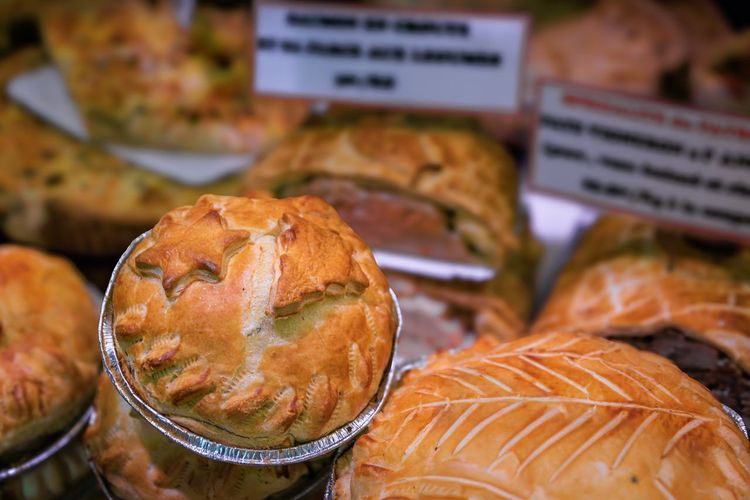
Alsatian cuisine has a reputation for being hearty, which is perfectly timed after a morning of walking. Here's where and what to eat in Colmar without settling for a tourist menu.
The Covered Market and the Best Tables in the Center
The Colmar covered market (Place de l'Ancienne Douane, 68000 Colmar, rated 4.3/5 on Google with 5,914 reviews), a brick and iron structure opened in 1865 on the banks of the Lauch, brings together around twenty traders under one roof: cheese vendors, fishmongers, greengrocers, and several counters serving takeaway or eat-in dishes, from warm pretzels to tarte flambée by the slice.
It's the ideal spot for a quick lunch between two visits, with no reservation needed and no menu to decipher. Expect 10 to 15 euros for a full meal standing up or at one of the shared tables set out on the canal-side terrace. The market closes on Sundays and, off-season, on Mondays: save it for a weekday.
For a proper sit-down meal, wistubs — those traditional small inns recognizable by their checked tablecloths and wooden benches — remain the safe bet. They serve regional cuisine in its most authentic form: baeckeoffe slow-cooked for several hours, sauerkraut garnished with assorted charcuterie, or tarte flambée gratinated in a wood-fired oven, thin as paper and served piping hot. Budget 20 to 30 euros per person, with reservations recommended on weekends, especially in restaurants and wistubs near the Petite Venise where tourist footfall drives up demand.
Tea Rooms, Wistubs, and Sweet Breaks
Between two museums, a tea room stop feels almost natural: Colmar has several addresses set inside half-timbered houses, serving kougelhopf — that crown-shaped brioche flavored with almonds and raisins — as well as seasonal fruit tarts. Quiche, mannele, and gingerbread regularly feature in the display cases too.
Alsatian specialties are not limited to sweet treats. If you can only try one thing during your stay, go for farm-made munster with potatoes and cumin, or a classic tarte flambée with onions and bacon, shared on a terrace in the late afternoon. Wine lovers will also find numerous wine bars offering glasses of riesling, gewurztraminer, or pinot gris — three iconic grape varieties from the region.
Prices are rarely displayed in windows on the most touristy streets: don't hesitate to move a few hundred meters away from the Petite Venise to find a noticeably better value for money, often in streets that are barely less picturesque. For a comprehensive overview, the Ryo article on culinary specialties to try in Colmar details the best addresses by neighborhood and budget, useful if you want to put together a full menu rather than nibble from one break to the next.
Day 2: Excursion on the Alsace Wine Route
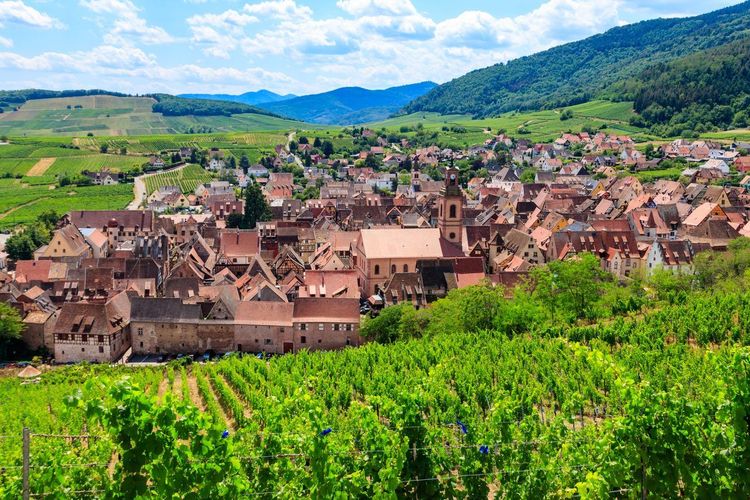
The second day changes pace entirely: head out to the Alsace Wine Route, that ribbon of vineyards and flower-filled villages stretching over 170 kilometers between Marlenheim and Thann. From Colmar, several villages can be reached in under 30 minutes, by bike or by car.
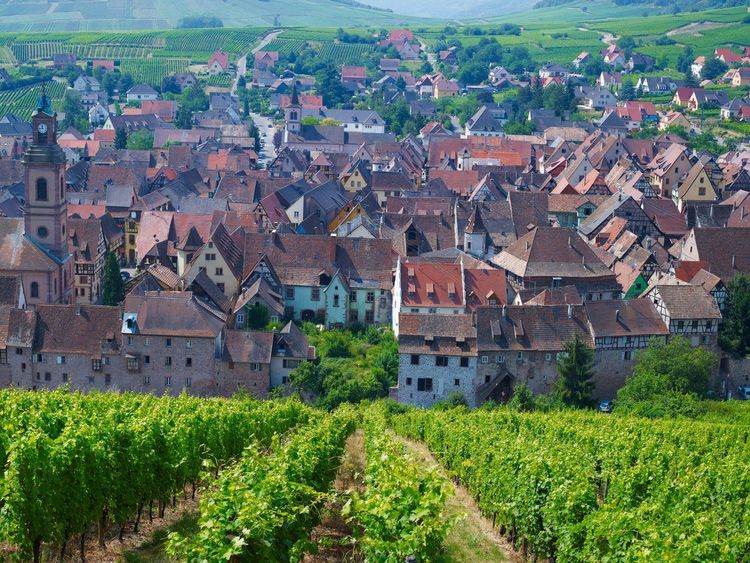
The Alsace Wine Route passes through nearly 120 wine-growing communes from north to south across the region, but the part most relevant to a two-day stay in Colmar spans about fifteen kilometers to the southwest of the city, between Wintzenheim and Eguisheim. This is where several classified grands crus sit side by side — Eichberg, Pfersigberg, and Hengst among them — alongside the highest density of villages listed among the Plus Beaux Villages de France. Riesling dominates the granite soils of the hillsides, while gewurztraminer, more aromatic, thrives on the marl-limestone terrain around Eguisheim. You don't need to know anything about Alsatian oenology to enjoy the route: most winemakers offer educational tastings designed for non-specialist visitors.
Eguisheim, One of the Most Beautiful Villages in France
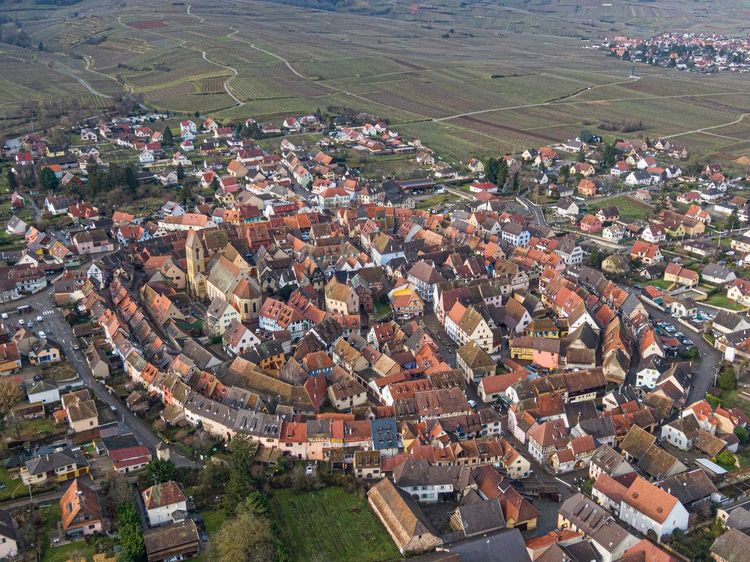
Eguisheim is, on paper, the most anticipated stop on the excursion, and it more than lives up to expectations. Voted France's Favorite Village in 2013, it stands out for its concentric layout, unique in Alsace: three rings of streets that wrap around the former comtal castle, inherited from a medieval defensive structure rarely preserved with such clarity.
Just 7 kilometers from Colmar, Eguisheim can be visited in one to two hours of leisurely walking, past half-timbered houses decked with geraniums and wine cellars open for tasting, often run by the same family for several generations. The village claims the title of birthplace of the Alsatian vineyard, with a local legend attributing the planting of the first vines on the Pfersigberg — one of the surrounding grands crus — to Charlemagne himself.
Arrive early in the morning if you want to photograph the lanes without the crowds: Eguisheim, despite its small size, attracts some of the densest tourist flows on the entire wine route in high season, almost rivaling Riquewihr further north. A tasting at a family cellar typically costs between 5 and 10 euros for three to five wines, often deductible from a bottle purchase.
Don't miss the Chapelle Saint-Léon, dedicated to Pope Leo IX, born in Eguisheim into the comtal family that then ruled the village. The ramparts walk, along the path following the third ring, takes about twenty minutes and offers the best views of this concentric layout, particularly legible from the vineyard slopes at the edge of the village.
Turckheim and the Wine Villages
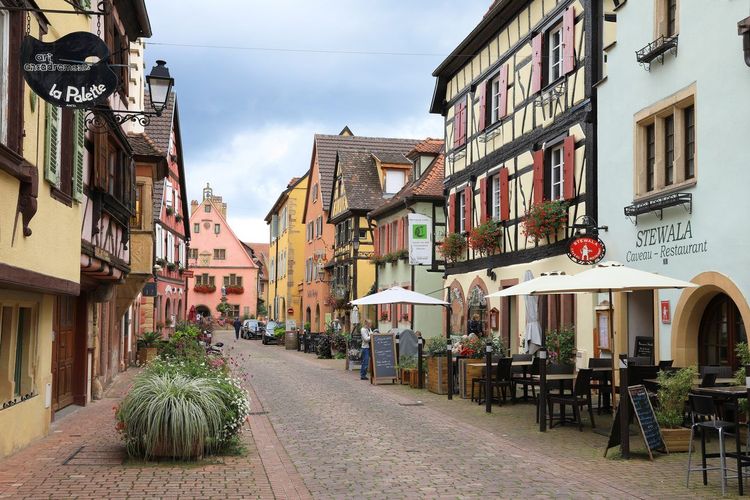
About ten minutes' drive to the northwest, Turckheim (68230 Turckheim, rated 4.6/5 on Google with 3.1K reviews) has a noticeably quieter atmosphere than Eguisheim, despite an equally rich heritage. The village has preserved its three original fortified gates and a tradition that has become rare in France: every evening at 10pm, between May and October, a night watchman in a cape and halberd makes his way through the streets singing the verses that once announced the curfew hour.
Other typical wine route villages are worth a detour if you extend the excursion: Kaysersberg, birthplace of Dr. Albert Schweitzer, with its hilltop castle and 16th-century fortified bridge; Riquewihr, almost entirely pedestrianized and often cited as the most photographed of them all; or Hunawihr, more discreet, known for its stork reintroduction center and its fortified church surrounded by a cemetery.
Each of these villages can be visited in one to two hours. In half a day, realistically count on two stops maximum if you want to leave time for a relaxed tasting rather than a quick photo stop. Turckheim and Eguisheim, close to each other and complementary in atmosphere, make the most efficient pairing for a day 2 without a dedicated rental car.
Cycling the Wine Route
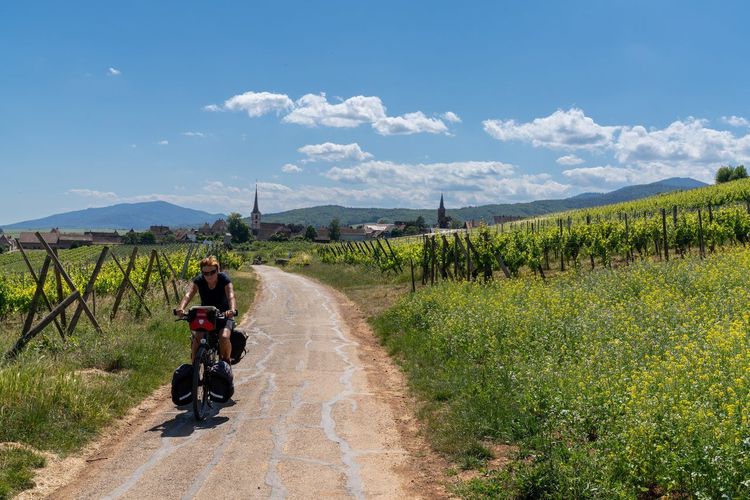
Cycling around Colmar remains the most enjoyable way to connect several villages without depending on bus timetables, which are infrequent on weekends along this route. Several rental shops in the city center offer standard or electric-assist bikes, expect between 15 and 25 euros per day depending on the model.
The cycle path linking Colmar to Eguisheim is well-marked and largely separated from motor traffic, a real advantage for families or cyclists not used to urban riding. The elevation gain is moderate as far as Eguisheim, more pronounced if you push toward villages perched on the Vosges foothills, such as Katzenthal or Ammerschwihr.
Allow about two hours round trip for the Colmar–Eguisheim–Turckheim loop at a leisurely pace, more with tasting stops. This is the option to go for if you want to string several villages together without having to return to the station twice to rent a car, and it leaves a comfortable time margin to get back before dinner. To broaden the choice of villages according to your preferences, the Ryo article on 10 Alsatian villages around Colmar details the distances, visit times, and highlights of each, useful for building a tailor-made itinerary if two days eventually stretch to three.
Extending the Trip: What to See Around Colmar
If your stay extends beyond two days, or if you have a car for a wider excursion, several destinations naturally complement the program. Here's what to see around Colmar without starting your logistics from scratch.
Haut-Koenigsbourg Castle
The Haut-Koenigsbourg castle, perched at 757 meters above the Alsace plain, has dominated the landscape since the 12th century, despite an almost complete reconstruction ordered by Wilhelm II at the start of the 20th century that gives it its almost too-perfect appearance today.
Allow 45 minutes by road from Colmar and a good two hours on site, more if you climb to the grand bastion for the panorama that stretches, on clear days, as far as the German Black Forest. Full-price tickets run around 10 to 12 euros, free for under-18s, and crowds build strongly on summer weekends: aim to arrive before 10am or after 4pm, bearing in mind that the castle welcomes visitors until 7pm in summer, with last entry one hour before closing.
The site changed hands many times through the conflicts that marked Alsace, before being offered to the German emperor by the city of Sélestat (67600 Sélestat, rated 4.3/5 on Google with 2K reviews) in 1899. This turbulent history can be read in the armory rooms and reconstructed apartments, which blend antique furniture with early 20th-century recreations.
Obernai and Sélestat
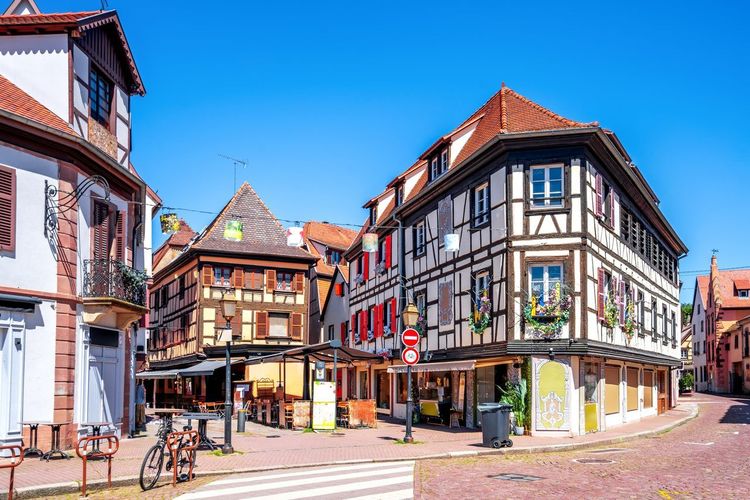
Obernai, 45 minutes north of Colmar, combines the charms of an intact historic center with a local life less overwhelmed by tourism than Colmar in high season. The Place du Marché, dominated by a medieval belfry, and the almost entirely preserved ramparts are worth a half-day stop.
Sélestat, halfway between Colmar and Strasbourg, remains surprisingly overlooked given its heritage: the Humanist Library, dating from the late 15th century, holds the oldest known document mentioning the Christmas tree, a 1521 note that makes the city a quiet pilgrimage site for enthusiasts of Alsatian tradition history.
The two towns combine easily into a single day if you set off early, with lunch in Obernai before heading to Sélestat in the early afternoon.
Mulhouse and Freiburg im Breisgau, in Germany
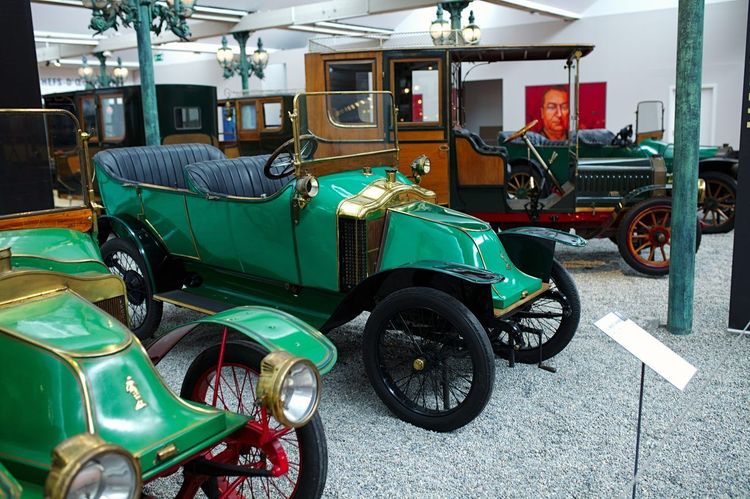
Mulhouse, 45 minutes south of Colmar, stands apart with its industrial rather than medieval character, but concentrates several internationally ranked museums: the Cité de l'Automobile houses the Schlumpf Collection, presented as the world's largest automobile collection, and the Cité du Train traces French railway history through a hundred locomotives and period carriages. Mulhouse and its museums can easily be visited in a day. To prepare this stage, the Ryo article on the history of Mulhouse revisits the key milestones of this city, which remained an independent republic until 1798 when its own bourgeoisie voted to join France.
Heading into Germany to finish: Freiburg im Breisgau, less than an hour's drive via the motorway or regional train, offers a lively university atmosphere, a Gothic cathedral in red sandstone whose pierced spire is considered by many art historians to be one of the most beautiful in Europe, and direct access to the first trails of the Black Forest. It's a standalone excursion, almost a complete change of country in half a day, useful if you want to step outside the usual Franco-Alsatian tourist triangle. The dedicated Ryo article on what to see around Colmar details complementary itineraries depending on whether you have a half-day or two full days, with precise travel times from the city center.
Colmar for Every Traveler: Couples, Families, or Rainy Days
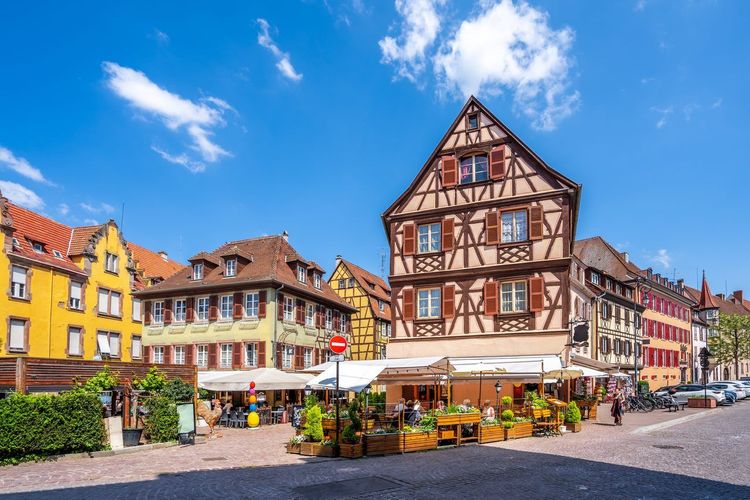
The same weekend in Colmar can look very different depending on who you're with, or what the weather does. Three common profiles, three ways to adapt the program without reinventing everything.
A Romantic Stay in Colmar
Colmar as a couple almost naturally becomes a postcard: the Petite Venise at sunset, a quiet boat ride at the end of the day when the tour groups have left the quays, and dinner in a candlelit wistub rather than a packed midday terrace. Book a table with a canal view if you want to extend the atmosphere after the stroll.
Hotels set inside old half-timbered houses in the Tanners' Quarter often offer the best charm-to-price ratio for a couple's getaway, with attic rooms and exposed beams that more than compensate for the absence of a pool or spa, which you'll find more readily on the outskirts.
Colmar with Children
Colmar with children works particularly well thanks to the boat ride, always a hit with younger visitors, and the Toy Museum, already mentioned above, which holds attention effortlessly for an hour. The tourist train, departing from the Unterlinden Museum for a commented loop of around forty minutes, also saves little legs some kilometers early in the stay. The Parc du Champ de Mars, with its large lawns and play area, then provides a welcome release between two heritage visits.
The short distances of the historic center also work in your favor: unlike larger cities, no one needs to walk more than 15 minutes at a stretch to reach the next stop, a real relief when pushing a pram over uneven cobblestones.
What to Do in Colmar When It Rains
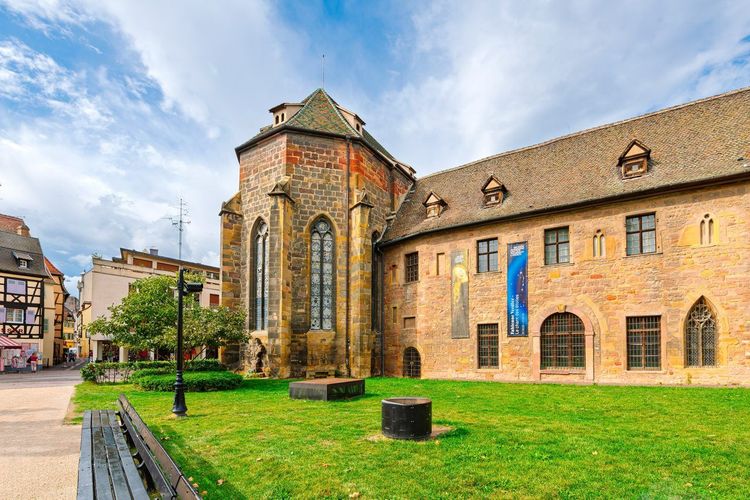
Bad weather is quickly resolved thanks to the concentration of museums: Unterlinden, Bartholdi, the Toy Museum, and the Hansi Museum, already detailed above, are all within a ten-minute walk of each other and allow for a full day under cover. The covered market, with its warm food counters and mezzanine, remains a welcoming option for lunch with no need to worry about the weather.
If the rain persists into the evening, the tea rooms and wistubs in the center offer a cozy refuge, often with a view over the canals through small paned windows — an atmosphere that completely changes your relationship with rain compared to an ordinary shopping street.
These three profiles are not mutually exclusive: a couple with children will draw from both of the first two, while a family caught in an August downpour will appreciate knowing, from the moment they arrive, where to take shelter without wasting time searching on their phone. Ryo's audio-guided tour of Colmar suits all three profiles just as well, with no fixed schedule.
Shopping and Buying Local Products in Colmar
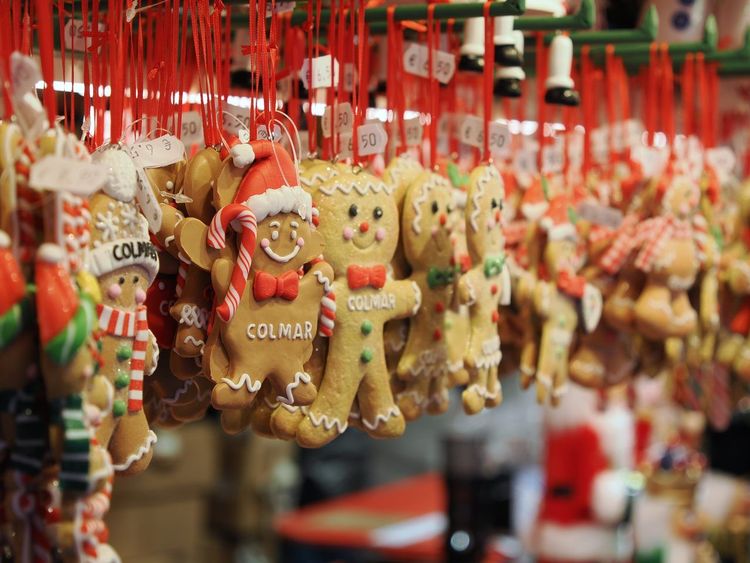
Shopping in Colmar's city center is concentrated along the Rue des Marchands and the Grand'Rue, pedestrianized for almost their entire length, with a mix of national brands and independent shops — upholsterers, potters, and wine merchants.
For local Alsatian products, three categories consistently end up in visitors' bags: wine, of course, available directly from winemakers in Eguisheim or Turckheim if you made the day 2 excursion, but also in several wine shops in the city center carrying the same appellations without the trip. Gingerbread, available in several variants depending on the dominant spices, keeps well for the journey home and can be found in almost every traditional bakery in the center.
Soufflenheim and Betschdorf pottery — two celebrated ceramics villages in northern Alsace — is also sold in several city center shops, in the form of baeckeoffe dishes, terrines, or hand-painted tableware. A final stop at the covered market, already mentioned for its meals, also lets you leave with well-aged farm munster, wrapped for travel, and a few jars of artisan sauerkraut.
Allow about an hour for this shopping leg, ideally at the end of the first day or just before heading home, to avoid carrying bottles throughout the boat ride or the next day's bike excursion. Most shops close around 7pm on weekdays, a little later on Saturdays, and many remain closed on Sundays — worth checking if your stay falls over a long weekend.
Where to Stay in Colmar for a 2-Day Trip
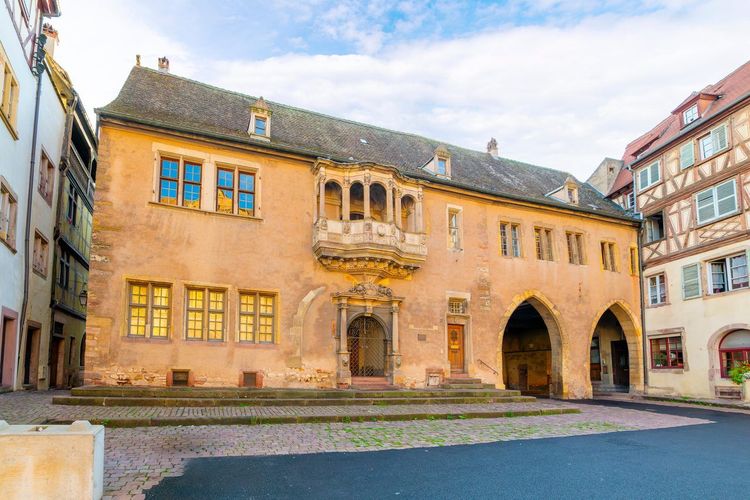
Where to stay in Colmar depends mostly on your budget and how much walking you want to do. The historic center has all the charm, but also the highest prices; slightly outer neighborhoods offer more space and parking for the same rate.
Hotels and Charming Addresses in the Historic Center
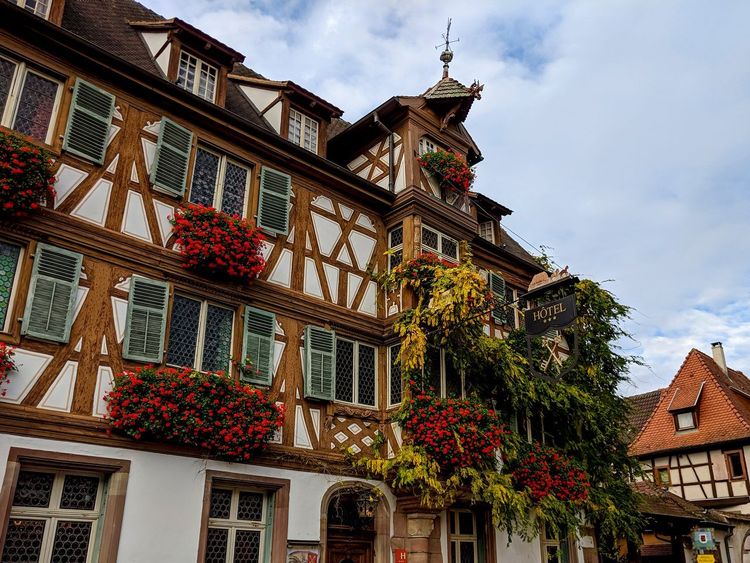
Where to stay in Colmar when every hour counts? The answer comes down to one thing: the historic center. Hotels in Colmar set inside old listed half-timbered houses have the advantage of putting the Petite Venise, the Collégiale, and the covered market within a ten-minute walk, which counts double on such a short stay.
Value for money varies considerably depending on proximity to the canals: a room directly overlooking the Petite Venise typically costs 30 to 50% more than an equivalent room five minutes' walk away, for a view that is certainly photogenic but sometimes noisy in the evening, especially in summer when terraces stay lively late.
Three- and four-star establishments are concentrated mainly around the Place Rapp and the Tanners' Quarter, with rates ranging between 100 and 220 euros per night depending on the season. The Christmas market, from late November to late December, pushes prices up by 30 to 60% compared to an ordinary spring weekend: booking three to four months ahead becomes almost mandatory for this period, including on weekdays.
B&Bs, Apartments, and Campsites
Bed and breakfasts and apartments often offer a better price-to-space ratio, particularly on streets just outside the very center, a 10–15-minute walk from the historic heart. Many are run by Alsatian owners who are happy to recommend less touristy restaurants, a real bonus for avoiding tourist traps.
For a slightly longer stay or a family trip, apartments with a kitchenette allow you to prepare some meals on site, a notable budget advantage given city center restaurant prices during peak periods. Several can be found in Wintzenheim or Ingersheim, less than ten minutes by car from Colmar, with easy access to the wine route for the second day.
Camping remains a worthwhile option in summer, with several well-equipped sites less than 15 minutes from the center, often beside a river, at rates with no comparison to historic center hotels. It's also a good base if your stay combines the city with a wine route excursion, with a location midway between the two points of interest.
When choosing between these accommodation options in Colmar, keep one simple rule in mind: the further you move from the historic center, the more space and quiet you gain, at the cost of greater reliance on a car or bike for getting around. Whatever your choice, there's no need to look for an address close to a car park if you plan to follow the Ryo Colmar audio guide tour, designed to be followed on foot from any starting point in the center. Visitors arriving by car, however, are better off choosing accommodation near one of the large peripheral car parks detailed in the next section, rather than a central address where parking remains the main headache of the stay.
Practical Information: Getting There, Parking, and When to Go
One final point before you set off: the logistical questions that come up most often, from choosing your transport to picking the best season for these two days.
How to Get to Colmar (Train, Car, or Plane)
How to get to Colmar depends mostly on your starting point. The train is the simplest option from Paris: a few direct TGVs link Paris-Est to Colmar in just under 3 hours, and other timetables go via Strasbourg, less than two hours from the capital, before a regional train of around thirty minutes. Colmar station is a 15-minute walk from the historic center, a real advantage for a car-free stay.
The car comes into its own if you plan to string together the day 2 wine route excursion without depending on bikes or infrequent buses. Allow about 4h30 from Paris by motorway, under 3 hours from Lyon, and barely 30 minutes from Strasbourg.
The nearest airport is Basel-Mulhouse-Freiburg, about 45 minutes by road, served by several low-cost carriers from major European cities. Strasbourg also has its own airport, slightly further but better connected to domestic French flights.
Where to Park in the City Center
Where to park in Colmar requires a little forward planning: the historic center is largely pedestrianized, which rules out parking on the most picturesque streets. Several underground car parks ring the center, notably around the Place Rapp, the municipal theatre, and the Place Scheurer-Kestner, all within a ten-minute walk of the Petite Venise, with reasonable daily rates compared to other tourist cities of equivalent size.
Surface car parks beyond the ring of boulevards, near the Champ de Mars or the station, are considerably cheaper and remain a fifteen-minute walk from the covered market: this is the most cost-effective solution over two full days, especially as the central streets switch to time-limited blue zones. For a two-day stay, it's best to park once on arrival and explore the center entirely on foot, only taking the car back out for the day 2 excursion on the wine route. Some car parks offer multi-day flat rates that work out cheaper than the cumulative hourly tariff — worth checking directly on site or via the city's parking app.
Which Season to Choose: Wine Route or Christmas Market
When to go depends entirely on what you're looking for. The best season for the wine route runs from May to September: the vines are green, the terraces are open, and the villages are less densely visited than in December. September in particular combines the harvest season with still-warm light, a good compromise between crowds and weather.
Visiting Colmar in winter, and more specifically at Christmas, is a completely different experience: the city deploys six separate Christmas markets spread across different neighborhoods, each with its own theme — from Alsatian traditions at the Place des Dominicains to the children's market at the Place des Six-Montagnes-Noires. The atmosphere, with illuminated canals and decorated façades, justifies the trip on its own, but expect considerably higher crowds than the rest of the year and noticeably higher accommodation prices.
In short, summer and early autumn suit those who prioritize the wine route and outdoor activities, while December appeals to those seeking a festive atmosphere even at the cost of some peace and quiet. Whatever season you choose, it's worth downloading your travel guide before you leave: network coverage is good in the historic center but less reliable once you're on the wine route, between the vines and the valley hollows. Ryo's audio-guided tour of Colmar, which takes in the Covered Market and the Municipal Theatre, can also be downloaded in advance and used offline once off the wine route's patchy signal.



FAQ
How Long Does It Take to Visit Colmar?
One day is enough to see the highlights of the historic center, but two days remain the most comfortable format for adding the wine route without rushing. Three days are ideal if you want to push as far as Haut-Koenigsbourg or Mulhouse.
What is the Best Time for a Weekend in Colmar?
Summer and early autumn, between May and September, offer the best conditions for the wine route and boat rides. December draws visitors for the Christmas markets, but with noticeably higher crowds and prices.
How Do You Get to Colmar Without a Car?
The train is the simplest option, with a few direct TGVs from Paris or, alternatively, a connection to Strasbourg followed by a regional train of about thirty minutes. The station is a 15-minute walk from the historic center, making it entirely possible to do without a car on the first day.
Do You Need a Car to Explore the Surroundings of Colmar?
Not necessarily for Eguisheim and Turckheim, which are reachable by bike from Colmar in under 30 minutes. However, Haut-Koenigsbourg castle, Obernai, Sélestat, and Mulhouse are more comfortably reached by car, as public transport connections exist but can involve long transfers.
Where is the Petite Venise in Colmar?
The Petite Venise runs along the Lauch river between the Tanners' Quarter and the Quai de la Poissonnerie, right in the historic center. The best starting point for a boat ride is near the Pont Saint-Pierre.
Which Alsatian Specialty is a Must-Try in Colmar?
Tarte flambée and farm-made munster cheese are the easiest to find, available in almost every restaurant and wistub in the center. Those with a sweet tooth should go for kougelhopf, best enjoyed in a tea room set inside a half-timbered house.
Is It Better to Visit Colmar or Strasbourg?
The two cities complement each other more than they compete: Strasbourg offers greater heritage scope and a more intense urban life, while Colmar concentrates its charm on a compact historic center that can be explored in a day. Many visitors actually combine both during a longer Alsatian stay, as the two cities are only about thirty minutes apart by train.
Two days are ultimately enough, as long as you accept not seeing everything. Colmar's historic center, with the Petite Venise, the Tanners' Quarter, and the Unterlinden Museum, easily fills the first day; the wine route, between Eguisheim and Turckheim, fills the second without any downtime. What remains out of reach — Haut-Koenigsbourg, Obernai, Freiburg im Breisgau — makes for good reasons to return rather than regrets.
To prepare each stage of the first day in concrete terms, the Ryo Colmar audio guide tour remains the most practical resource: 21 audio tracks spread over approximately 4.7 kilometers and 2 hours 10 minutes of listening, designed to follow exactly the itinerary described here without juggling between multiple paper guides or apps. Whether you're traveling as a couple, with family, or solo with a notebook, two days on the ground remain one of the most effective formats for discovering Alsace without ever feeling like you're rushing.
À lire également