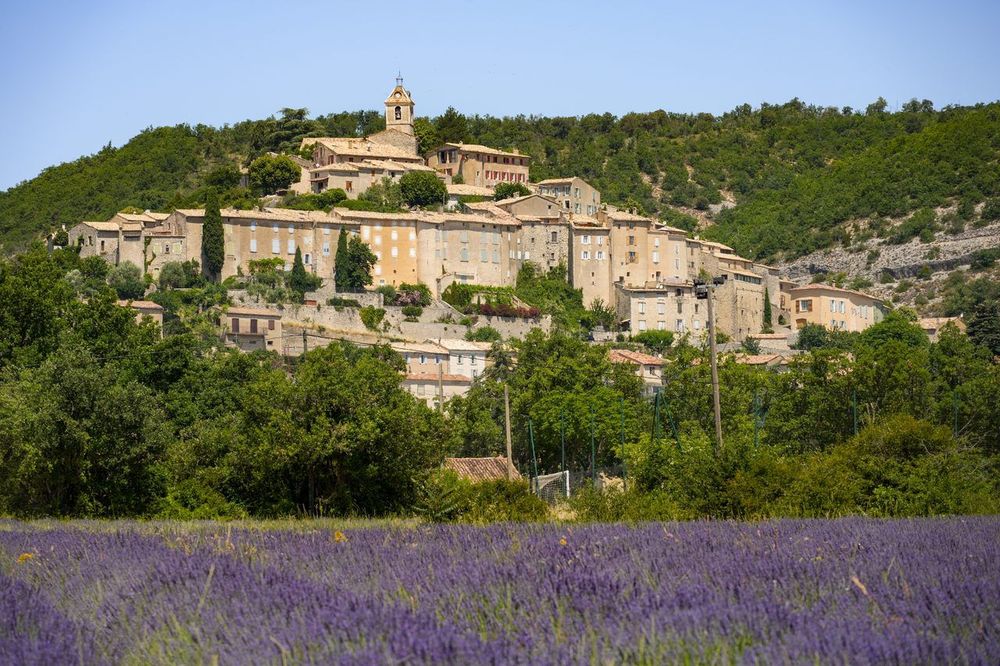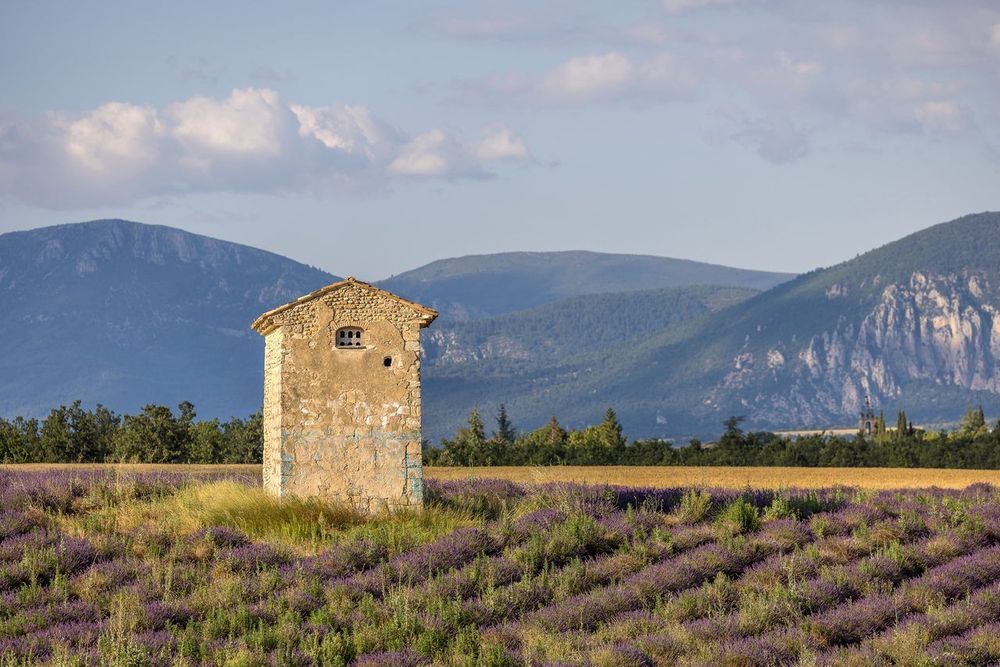
© Shutterstock
 Votre guide Ryo
Things to Do in Manosque in 2026: 15 Experiences Between the Old Town, Nature, and Provençal Terroir
What to do in Manosque with a day, a weekend, or a full week? The question is well worth exploring. Perched above the Durance, between Luberon and Verdon, this town in the Alpes-de-Haute-Provence was the birthplace of writer Jean Giono and is home to the main production site of L'Occitane en Provence — two landmarks that almost tell the whole story of its identity. Here you will find a medieval gate completed in 1382, a 2 km fountains trail, a cosmetics factory open for reserved tours, and a 15-hectare lake with lifeguard supervision all summer long.
For a town of around 22,000 inhabitants, Manosque holds more surprises than you might expect. You can fill your basket at the Wednesday or Saturday morning market, climb up to the Pélicier forest for a panoramic view of the valley, and in late September you might rub shoulders with renowned writers attending the Correspondances festival. Aix-en-Provence is only 45 minutes away via the A51: if you stop there, the Ryo audio-guided tour of Aix-en-Provence covers 24 audio tracks over 3.8 km, a great complement to this Provençal stay. This guide details fifteen experiences, from the historic center to neighboring villages, with prices and opening hours so you don't miss anything essential.
1. Strolling Through Old Manosque: Ramparts, Gates, and Alleyways
The historic heart of Manosque fits within a compact oval, inherited from the outline of the medieval ramparts, which were largely demolished in the 19th century. Two gates survive and set the tone for a stroll. Porte Saunerie, completed in 1382 during the construction of the second ring of walls, marks the southern entrance to the old town. Listed as a historic monument, it is flanked by two turrets crowned with machicolations: it is the most photographed landmark in the center.
At the other end, Porte Soubeyran (Boulevard Martin Bret, 04100 Manosque, rated 4.3/5 on Google with 63 reviews) closes the oval on the northern side. Look up: it bears a wrought-iron campanile added in 1830, whose bulbous shape is recognizable from a distance. It is the silhouette that appears on most of the town's postcards.
Between the two gates, the pedestrian lanes wind without any apparent logic, and that is precisely the point: getting deliberately lost in this tightly woven fabric, between ochre facades and pastel shutters, always leads to a small square. You will come across the church of Notre-Dame de Romigier, one of the oldest sites in town. In its Romanesque apse, a sculpted early Christian sarcophagus sits alongside a Black Madonna considered one of the oldest in France. Entry is free year-round — a detail many hurried visitors overlook.
Park on the outskirts and continue on foot: the center can only be discovered this way. Allow an hour for a first loop, longer if you step into the independent shops installed on the ground floors of the old buildings.
2. In the Footsteps of Jean Giono: Le Paraïs and the Writer's Legacy
No figure is more closely associated with Manosque than Jean Giono. Born in the old town in 1895, he spent most of his life here and made it the backdrop for novels such as Colline and Regain. His home, Le Paraïs (Montée des Vraies Richesses, 04100 Manosque), can be visited on the Montée des Vraies Richesses, on the heights of the town.
Restored and fitted with a welcome pavilion, the site has preserved the writer's study, library, and everyday objects — he lived here until his death in 1970. The atmosphere feels less like a museum and more like a house opened by invitation. The terraced garden overlooks the Durance valley and offers the view that fed a large part of his work: hills in the distance, fields below, light shifting with the hour.
Practically speaking, booking is essential, as visits are conducted in small groups of no more than 7 people. From 24 May to 30 September 2026, departures are offered Tuesday to Sunday at 9:30 am, 10:30 am, 3:00 pm, and 4:00 pm; from 1 October to 30 April, visits take place Tuesday to Saturday between 2:00 pm and 6:00 pm. Full price is €10, reduced rate €5, and free for under-16s. A good tip: on 19 and 20 September 2026, the European Heritage Days open Le Paraïs at no charge.
Understanding Giono also means understanding the landscape he described. Giono's Provence is nothing like a postcard: it is a land of dry hills, wind, and silence, far from the lavender-and-cicadas image. The trails through the Pélicier forest, detailed further below, take you concretely through these landscapes of garrigue, terraced olive trees, and isolated farmhouses. In summer, the Rencontres Giono extend this exploration with readings and talks.
If literary pilgrimages appeal to you, keep in mind the Ryo audio-guided tour In the Footsteps of Marcel Pagnol in Aubagne: 18 audio tracks over 2.2 km, telling the story of Provence's other great storyteller in the streets of his hometown.
3. Visiting L'Occitane en Provence
The story of L'Occitane en Provence (Zone Industrielle Saint-Maurice, 04100 Manosque, rated 4.4/5 on Google with 3,372 reviews) begins in 1976, when Olivier Baussan distilled rosemary essential oil using an old still and sold it at markets in Haute-Provence. The first workshop was set up in Volx, a few kilometers away, before the brand made Manosque its home base: today, its factory stands here, shipping products sold the world over.
The guided factory tour follows the manufacturing stages of soaps, creams, and oils, from raw material to packaging. It lasts one hour and costs €6 for an adult, free for children under 13. Online registration is mandatory: without prior booking, the visit is not guaranteed.
Right next door, the Mediterranean garden can be explored freely, every day from April to October and Monday to Saturday for the rest of the year. Lavender, immortelle, and aromatic plants connect the Provençal landscape to the brand's formulas.
Book early in July: the lavender bloom on the nearby Valensole plateau draws a peak of visitors to the entire region at that time. Also allow some time for the shop at the end of the tour.
4. Following the Manosque Fountains Trail
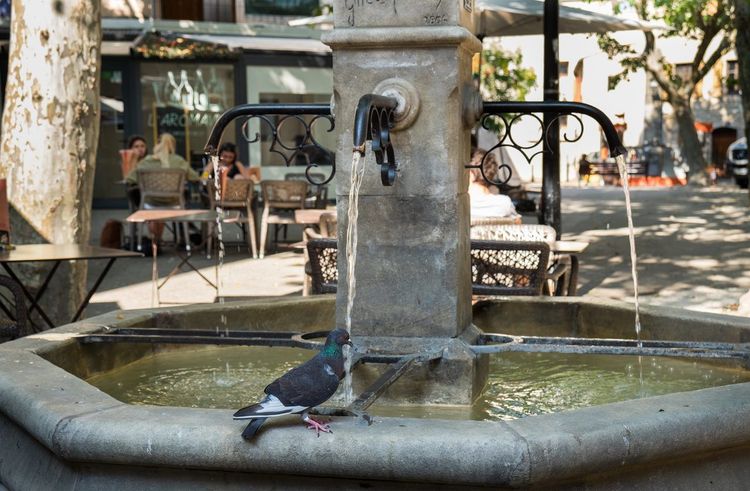
For a long time, the lack of water was a headache across Provence, and villages covered themselves in fountains and wash houses to address it. The Manosque fountains trail, proposed by the tourist office, tells this story over 2 km of walking, from square to square and alleyway to alleyway, with no notable elevation gain.
The Fontaine du Terreau (Place du Terreau, 04100 Manosque, rated 4.3/5 on Google with 3 reviews), on the square of the same name, makes a convenient starting point. The route continues toward more discreet fountains tucked into the corners of alleyways.
Rather than doing it separately, weave this trail into your stroll between the two gates. With children, turn it into a treasure hunt: who can spot the most fountains?
5. Where to Swim: Lac des Vannades and the O-Vive Aquatic Center
Where to swim in Manosque in summer? Two options complement each other — one outdoors and free, the other indoor and fully equipped. Lac des Vannades (Chemin des Vannades, 04100 Manosque, rated 4.4/5 on Google with 26 reviews) is a 15-hectare freshwater lake, a few minutes' drive from the center on the Durance side. A pebble beach supervised by a lifeguard welcomes swimmers from 1 July to 31 August, from 11:00 am to 6:00 pm, and water quality is tested every two weeks.
Access and parking are free year-round. Picnic areas, restrooms, children's play equipment, a fitness trail, and a refreshment stand under the trees complete the site. Arrive early on hot days: shaded spots are taken by late morning.
For year-round swimming, head to O-Vive, the Bernard Jeanmet-Péralta aquatic center, built between 2021 and 2024. A sports pool, indoor and outdoor leisure pools, a paddling pool heated to 32 °C, and a splashpad with water jets for children make up the facilities. Adults can enjoy a wellness area with spas, saunas, a hammam, and a solarium, as well as aquabike sessions.
Opening hours vary between term time and school holidays: check the schedule online before you go.
6. Hiking Through the Pélicier Forest, Luberon, and Verdon
Manosque occupies a pivotal position between two of Provence's most visited regional natural parks: Luberon to the west, Verdon to the east. But there is no need to go far to start hiking: the Pélicier forest (04100 Manosque, rated 4.3/5 on Google with 8 reviews), directly above the town, offers several loop trails.
The Pélicier forest hiking trail climbs in about thirty minutes to a viewpoint that sweeps over the Durance valley, with Manosque below and, on clear days, the ridges of the Luberon on the horizon. Shaded for much of the way, the path remains walkable in summer — which is not the case for all Provençal hikes.
On the Luberon side, hilltop villages serve as starting points for longer hikes, through vineyards, lavender fields, and dry-stone bories. Mountain bikers also find marked trails along the ridges, with moderate elevation changes.
On the Verdon side, the landscape shifts entirely. Lac de Sainte-Croix, at the mouth of the gorges, is perfect for paddleboarding, canoeing, and pedal boating in turquoise water that contrasts with the dry scenery you pass through to get there. The Gorges du Verdon themselves, further east toward Castellane, attract hikers and climbers. Between Manosque and the Verdon, Lac d'Esparron and Quinson offer a closer first taste.
Allow a full day for a real excursion into the Verdon: the winding roads add to GPS journey times. For a shorter outing, the Pélicier forest and the first foothills of the Luberon are more than enough.
7. Day Trips to the Picturesque Villages Around Manosque
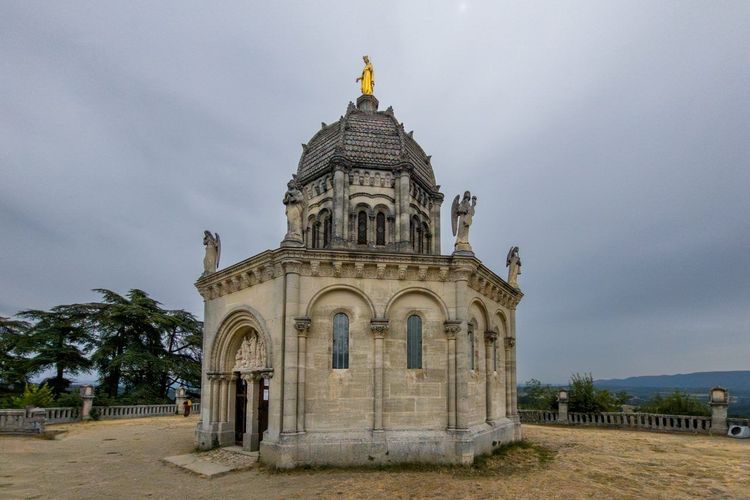
From Manosque, several of the most photographed villages in Provence can be reached in half a day. Forcalquier, about twenty minutes to the north, hosts a market renowned throughout Haute-Provence on Monday mornings. Climb to the citadel hill, topped by the Chapelle Notre-Dame-de-Provence, for a panoramic view over the Montagne de Lure and the Pre-Alps.
To the east, the Valensole plateau is home to the most celebrated lavender fields in the region, in bloom between late June and mid-July. Outside this window, the wheat and almond fields retain a real charm.
Moustiers-Sainte-Marie (04360 Moustiers-Sainte-Marie), about 50 minutes by road, marks the western gateway to the Gorges du Verdon. Clinging to the cliff face, the village is known for its faience pottery and for the star suspended between two rock faces: legend has it that a knight returning from the Crusades had it placed there in thanksgiving.
For a quieter break, Gréoux-les-Bains, about twenty minutes away, offers thermal baths used since Antiquity — ideal for resting tired legs. Its château overlooks the Verdon valley.
Many visitors try to fit everything into a single day. Better to choose one or two villages and take time for a leisurely terrace lunch. Staying in Manosque, you can spread your explorations over several days without changing accommodation.
8. Discovering Provençal Terroir: Market, Lavender, and Olive Oil
The Manosque Provençal market is held on Wednesday and Saturday mornings, from 8:00 am to 1:00 pm, in the streets and squares of the center. Goat's cheese, marinated olives, charcuterie, honey, wines, and seasonal fruit are all on offer. It is the best opportunity to head home with products from small producers in the surrounding hills.
Olive oil is one of the most emblematic local products: Haute-Provence olive oil holds an AOP designation, and several mills in the area press the late-autumn harvest. Lavender honey, gathered from the neighboring Valensole plateau, naturally completes the basket.
What exactly is Manosque's specialty? It is hard to pin down: the town sits at the crossroads of several terroirs. AOP olive oil, lavender honey, natural soaps and cosmetics popularized by L'Occitane, artisanal tapenade, and AOC Pierrevert wines — the local appellation — together make up the gourmet offering.
To bring home the best, favor the delicatessens in the historic center and the producers' stalls: prices are often fairer there and the origin is better labeled.
9. Discovering Contemporary Art at Frac Sud and the Fondation Carzou
Manosque is not only about its ancient heritage. In 2026, Frac Sud presents "Odyssée contemporaine 3", the third edition of its program on the pathways of heritage. In Manosque, the works are installed at the La Thomassine estate, Chemin de la Thomassine: a constellation of works that start from the earth and travel toward the sky. This edition brings together artists including Björn Dahlem, Guy Limone, and Karine Rougier. Access is limited to a few time slots: Wednesday mornings in July and August, then Wednesdays and Fridays from 2 to 18 September 2026.
Another address worth noting, the Fondation Carzou occupies the former Convent de la Présentation. Its chapel has housed L'Apocalypse, the monumental fresco by painter Jean Carzou, since 1991. Note that the chapel is currently closed until further notice, and the reduced team recommends checking opening status before making the journey.
These programs change from year to year. Check the tourist office's agenda before your stay to see Manosque from a different angle.
10. Experiencing Manosque in Celebration: Festivals and Events
The highlight of the year is Les Correspondances de Manosque. The 28th edition of the literary festival takes place from 23 to 27 September 2026 in the pedestrian historic center, at the Théâtre Jean le Bleu, and in the streets and squares of the town. Writers such as Yannick Haenel, Philippe Jaenada, Véronique Ovaldé, and Juan Gabriel Vásquez are expected to attend. Most events are free; only certain shows and literary concerts are ticketed. Writing desks set up around the town provide cards, envelopes, and pens, and the association covers the postage for any letters you write there.
In summer, the Rencontres Giono and the town's summer program extend evenings out on the terraces. In December, the squares are dressed up for the festive season.
A festive destination year-round, then, but on a human scale: these events are not always publicized beyond the department. The tourist office's agenda remains the most reliable resource for timing your visit around a specific event.
11. Manosque with the Family: Activities for All Ages

Manosque with children ticks several boxes without leaving town. Lac des Vannades and O-Vive, detailed above, remain the reliable choices for an afternoon of swimming: lakeside play on one side, a 32 °C paddling pool and splashpad on the other.
For variety, several treetop adventure parks and outdoor leisure centers are located in the surrounding area, generally open from April to October. The fountains trail, introduced earlier, makes an ideal treasure hunt: children enjoy counting the fountains they spot along the way.
On the cultural side, Le Paraïs is free for under-16s and visited in very small groups — a format that suits teenagers who will encounter Giono in school. For younger children, the L'Occitane factory tour, free for under-13s, often captivates with its machinery and scents.
Outside town, the lavender fields on the Valensole plateau delight children and parents alike for a photo stop, especially between late June and mid-July.
12. How to Get to and Around Manosque
Reaching Manosque is most commonly done via the A51 motorway: allow about 45 minutes from Aix-en-Provence and one hour from Marseille. The town also has a TER train station on the Marseille-Sisteron line, practical for a car-free weekend, although services remain limited. If you are arriving from Marseille, take the time to explore the city with the Ryo audio-guided tour of Marseille: 24 audio tracks, 3 hours of walking, and 7.3 km, before heading up to Haute-Provence.
Manosque stretches along the Durance, one of the main tributaries of the Rhône, which irrigates local agriculture through an extensive network of canals. The river does not directly border the historic center, perched higher up, but its valley shapes the entire landscape.
On the ground, the town divides between the pedestrian historic center, where heritage sites are concentrated, and the outlying neighborhoods where the train station, business areas, and L'Occitane are located. In high season, park on the outskirts and walk the rest of the way: ten minutes on foot is all it takes.
13. Where to Stay in Manosque
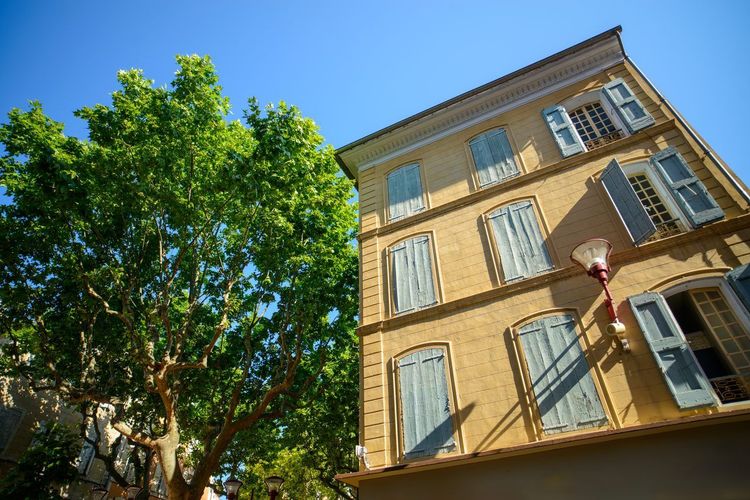
Where to stay in Manosque depends largely on the type of stay you have in mind. The historic center has several hotels housed in old buildings, convenient for exploring the old town on foot. Rooms tend to be on the smaller side, given the architecture.
On the outskirts, chain hotels offer standard comfort and private parking — a simple choice for an overnight stopover. For a nature-focused stay, bed and breakfasts and rural gîtes in the surrounding countryside, toward Volx or Villeneuve, offer more tranquility less than fifteen minutes from the center.
Families and groups combining Manosque with Verdon or Luberon will find weekly self-catering rentals. During the lavender bloom, book several weeks in advance: the entire region fills up quickly. The same caution applies in late September during the Correspondances.
14. Where to Eat in Manosque
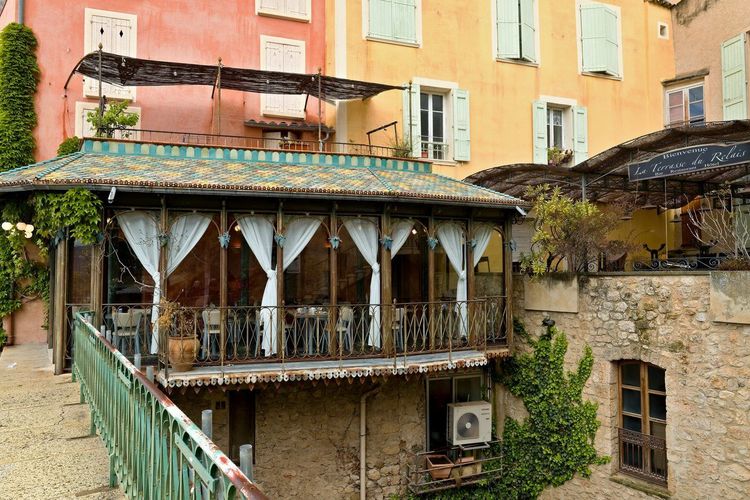
Where to eat in Manosque? The historic center is home to most of the restaurants, with terraces that fill up as soon as the weather turns fine. Provençal cuisine dominates: aïoli, daube, vegetable tians, and homemade tapenade regularly appear on the blackboards.
For a quick meal, the Wednesday or Saturday morning market lets you put together a picnic to enjoy at Lac des Vannades or the Pélicier forest. The central bakeries also offer fougasses and pissaladières.
Book ahead for evening meals in summer: the most popular tables fill up several days in advance. Out of season, a same-day call is usually enough, even on weekends.
15. When to Visit Manosque: the Best Season
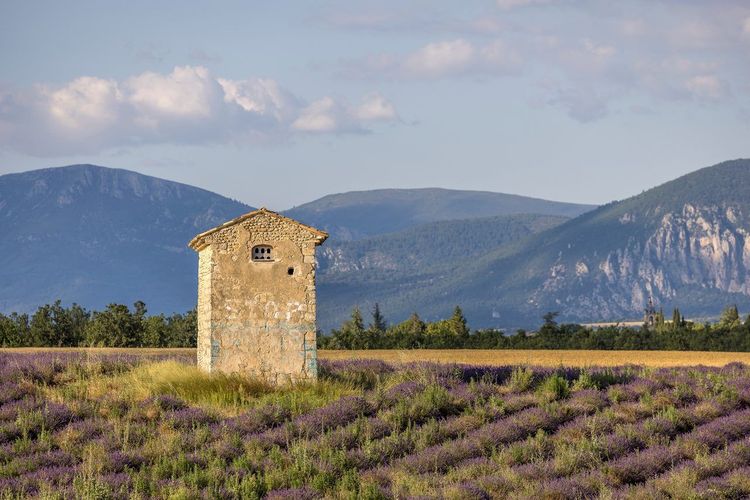
When to visit Manosque? It all depends on what you are looking for. From April to June, mild temperatures are ideal for hiking and visiting the historic center, without the summer heat or the crowds. The lavender bloom, generally between late June and mid-July, draws a peak of visitors across the whole region.
Summer remains pleasant thanks to Lac des Vannades and O-Vive, invaluable when temperatures regularly exceed 30 °C. September combines golden light, Heritage Days, and the Correspondances festival: it may well be the best month to discover the town. Autumn then extends with the grape harvest and olive picking.
Looking for peace and quiet? Avoid the height of summer, when roads and neighboring villages are at their busiest.
FAQ
What are the best things to do in Manosque?
The old town of Manosque with its two medieval gates, Jean Giono's Le Paraïs, the guided tour of L'Occitane en Provence, and swimming at Lac des Vannades form the foundation of a successful stay. Add a hike in the Pélicier forest and a day trip to Forcalquier, Valensole, or Moustiers-Sainte-Marie.
Where can you go for a walk in Manosque?
The historic center, between Porte Saunerie and Porte Soubeyran, remains the most obvious stroll, complemented by the 2 km fountains trail. For higher ground, the paths of the Pélicier forest offer an open view over the Durance valley.
Is Manosque a beautiful town?
Yes, especially for its pedestrian historic center, its 14th-century gates, and its Provençal setting between Luberon and Verdon. It is not a monumental city, but an authentic place to live, appreciated for its atmosphere more than for any single spectacular site.
What is Manosque's specialty?
No single product stands out: AOP olive oil from Haute-Provence, lavender honey, AOC Pierrevert wines, and the cosmetics of L'Occitane en Provence — whose story began in Haute-Provence in 1976 — together make up the gourmet and artisanal identity of Manosque.
Why is Manosque famous?
Manosque owes its reputation to Jean Giono, who was born and lived in the town his entire life, to L'Occitane en Provence, whose factory is based there, and to the Correspondances literary festival, held every year at the end of September.
What river runs through Manosque?
It is the Durance that runs alongside Manosque, below the hilltop historic center. One of the main tributaries of the Rhône, it irrigates local agriculture through a network of canals.
Manosque can be explored at several paces: one day is enough for the historic center, Le Paraïs, and L'Occitane, but a week would not be too long to venture out toward Luberon, Verdon, and the neighboring villages. The town works equally well as a stopover or a base, thanks to its central position between two natural parks.
The best way to discover it is still to wander on foot, between two medieval gates and a few forgotten fountains. And if your itinerary continues toward the Vaucluse, the Ryo audio-guided tour of Avignon awaits: 27 audio tracks and 5.4 km to tell the story of the city of popes at your own pace.
À lire également