© Shutterstock
 Votre guide Ryo
Visit Perpignan in 3 Days: The Complete 2026 Itinerary
Perpignan is unlike any other city in the South. Set halfway between sea and mountains, the North Catalan capital cultivates an accent, a light and a cuisine that belong only to it, and visiting Perpignan in 3 days is more than enough to grasp the essentials without ever rushing from one monument to the next. From the moment you arrive, the Ryo audio-guided tour of Perpignan lets you get to grips with the historic center in barely an hour, before setting off to discover the neighborhoods and surroundings at your own pace.
Over three well-filled days, you will climb to the top of a 14th-century tower that long served as a royal prison, walk through a palace where a King of Majorca ruled from the 13th century, encounter the memory of a Catalan painter who became Louis XIV's official portraitist, and end up among the vines less than half an hour from the city center. This guide details, day by day, the historic center and its commercial squares, the royal and religious heritage, the working-class neighborhoods with a strong identity, and then the best excursions in the surrounding area, without forgetting where to eat, where to stay and how to get around.
Day 1: The Historic Center and Its Emblematic Squares
Arriving in Perpignan almost always happens by way of the same landmark: a silhouette of pink brick and stone that has dominated the place de Verdun since the late 14th century. Naturally, that is where the first day begins.
The Castillet and the Casa Pairal Museum
The Castillet is the city's former Notre-Dame gate, built from 1368, converted into a royal prison before becoming, in 1963, the Casa Pairal Museum dedicated to Catalan folk arts and traditions. You climb a fairly steep spiral staircase to reach the wall walk, from where the view takes in the Roman-tiled rooftops and, on a clear day, the bluish line of the Canigou on the horizon.
Allow a good hour for the museum visit, which holds painted Catalan furniture, festive costumes and pieces of religious ironwork. The building itself, with its two crenellated twin towers, remains the most reproduced image of the city on postcards, and you will pass it several times during your stay as it so strongly marks the urban landscape. A tip: go up in late morning, when the light falls squarely on the rooftops, and keep your camera handy for the view toward the Canigou, often snow-capped until May.
Place de la Loge, Loge de Mer and Place de la République
On leaving the Castillet, the pedestrian rue de la Loge leads straight to the city's commercial heart. The place de la Loge brings together several centuries of civic architecture on a single paved square: café terraces, former trading counters and Gothic façades echo one another over barely a few dozen meters.
The Loge de Mer, built from 1397 to house the city's maritime commercial court, now hosts a shop on the ground floor, but its Gothic arcaded façade and mullioned windows remain intact. You can stop here without even going in: the silhouette from the square is enough to understand why this building has withstood six centuries of urban change around it.
Just behind, the place de la République (66000 Perpignan) and its Italian-style municipal theater offer a more Haussmannian contrast, handy for a break on a terrace before resuming your walk through the rest of the historic center. The Ryo audio-guided tour, with its 19 audio stops over 2.4 km, passes through the Castillet, the Loge de Mer and these central squares in about an hour, with anecdotes about the city's Catalan history slipped in between stops: a way to link these three places without losing the thread during your first morning.
Make the most of this first half-day to also wander the adjacent shopping lanes, where Catalan espadrille shops stand alongside ceramic workshops. It is a good time to take the pulse of the city before tackling a denser program the very next day.
Day 1 (Late Afternoon): The Bassa Quays and a Break at Square Bir Hakeim
Heading back down from the historic center in the late afternoon, the walk naturally continues toward the Bassa quays, where the trees provide welcome shade after a day on cobblestones heated by the sun.
On the way, you will pass the monumental Molière staircase, a double-flight staircase built in the early 20th century in front of the municipal theater: a small architectural detour worth a photo before moving on.
End this first day by settling into square Bir Hakeim (Boulevard Wilson, 66000 Perpignan, rated 4.3/5 on Google from 735 reviews), a shaded park with a bandstand and a pond that serves as a green lung at the edge of the historic center. It is the ideal spot to catch your breath before dinner, especially if the children need to burn off some energy after a day of walking.
Day 2: The Palace of the Kings of Majorca and the Citadel
The second day changes register: you leave trade and squares behind for royal and military power, with two monuments that alone take up a good part of the morning.
The Palace of the Kings of Majorca, a Royal Fortress
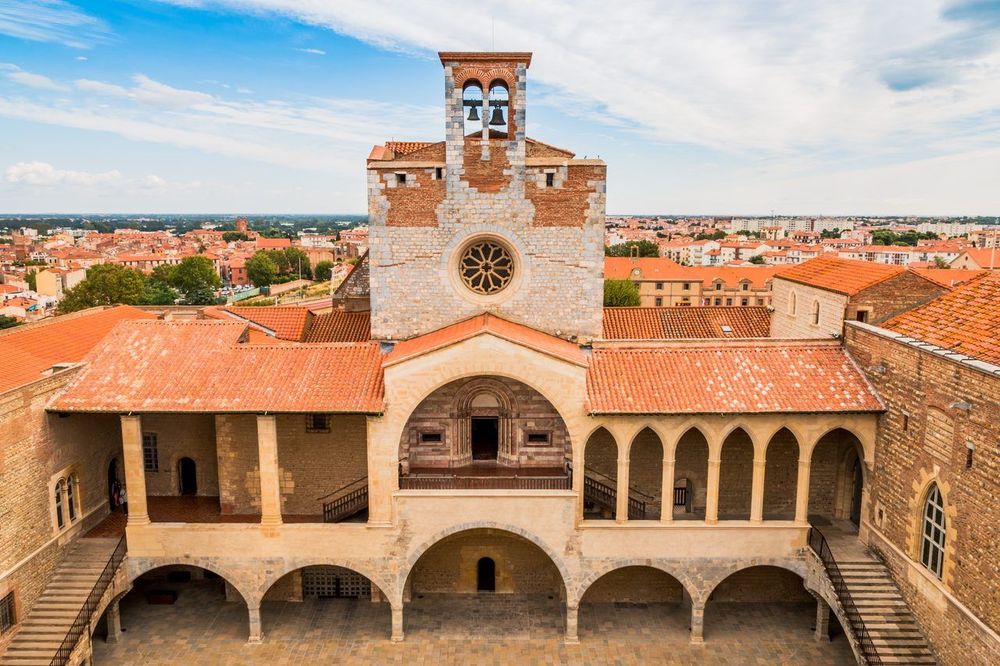
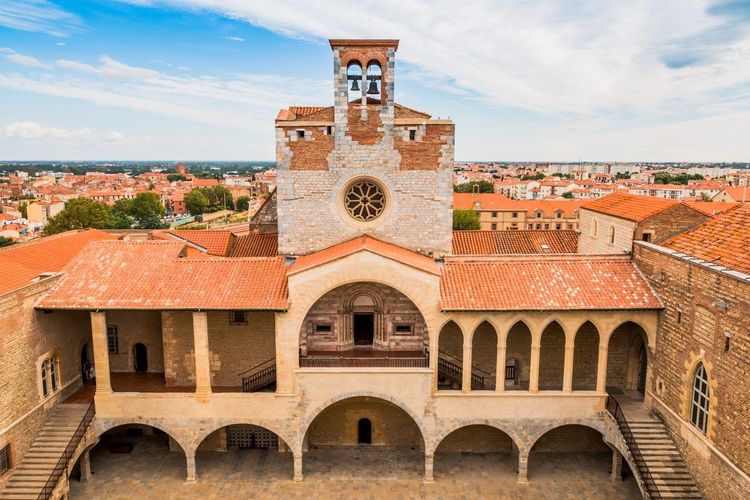
Begun around 1276 for James II, the first King of Majorca, the Palace of the Kings of Majorca has overlooked the city from a fortified hill. Its Catalan Gothic architecture can be recognized by its main courtyard surrounded by superimposed arcades and its two-level chapel, one reserved for the court, the other for the castle staff.
The palace has had several lives: a royal residence until the Kingdom of Majorca was annexed by Aragon in 1344, then a stronghold that Vauban integrated around 1680 into a much vaster defensive system. Allow an hour and a half for the full visit, including the courtyard, chapels and Majorca Hall, a little more if you linger on the terraces, which offer one of the best views over the rooftops of Perpignan and, in the distance, the sea.
The ticket office generally offers a combined rate with other heritage sites in the city: ask at the reception before buying your ticket if you plan to string together several visits in a day.
The Citadel and Its Ramparts
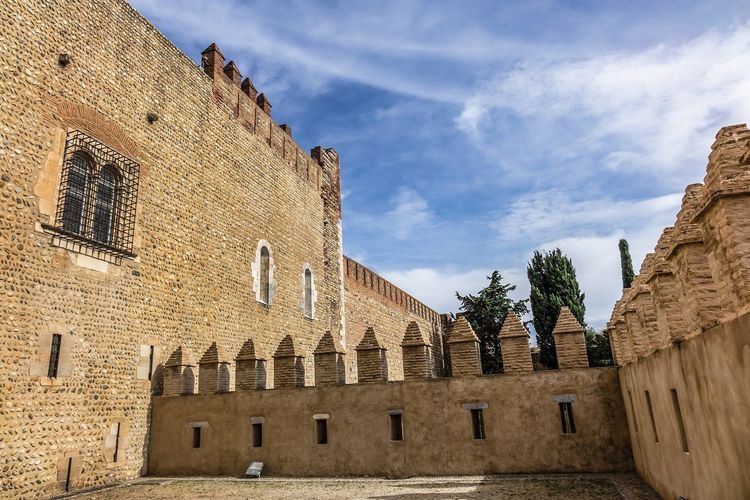
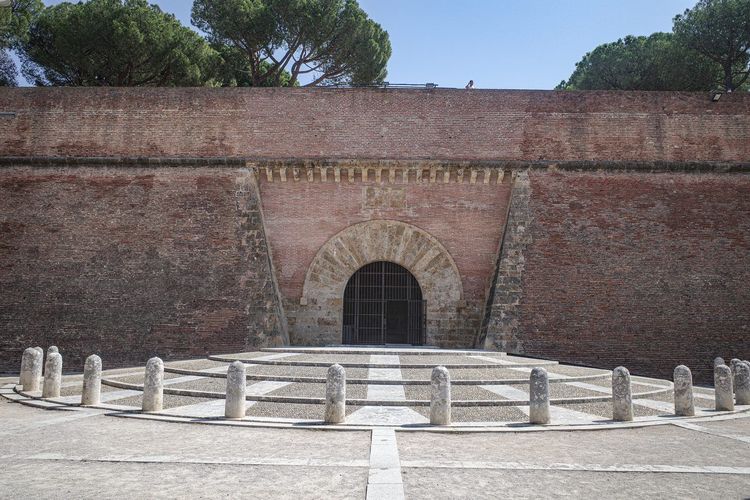
Around the palace stretches the Citadel, a defensive work reinforced by Vauban that encloses the whole hill in a network of ramparts, bastions and dry moats. Walking the wall walks gives a different perspective on the royal palace, this time seen from outside its own defenses.
The palace has been listed as a historic monument since 1913 and has belonged to the Pyrénées-Orientales Department since 1958, which schedules exhibitions and concerts there in summer. The Ryo audio guide to Perpignan details the history of the Kings of Majorca and the defensive role of the citadel (Rue des Archers, 66000 Perpignan, rated 4.2/5 on Google from 8,734 reviews), handy on site so you don't miss any useful information: opening hours, ticket office, best viewpoints.
If you are traveling with children, plan for closed shoes: some sections of the ramparts are uneven and poorly lit, even in broad daylight.
Day 2 (Continued): The Cathedral Complex and the Campo Santo
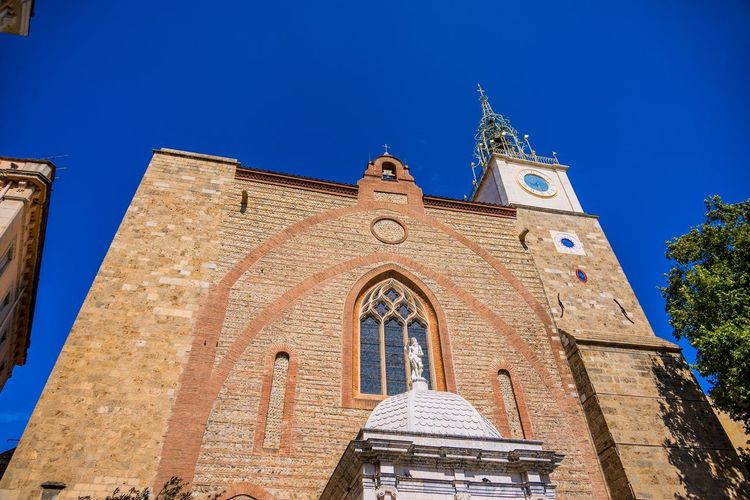
Heading back down from the palace toward the center, the cathedral complex is about a ten-minute walk away, on place Gambetta.
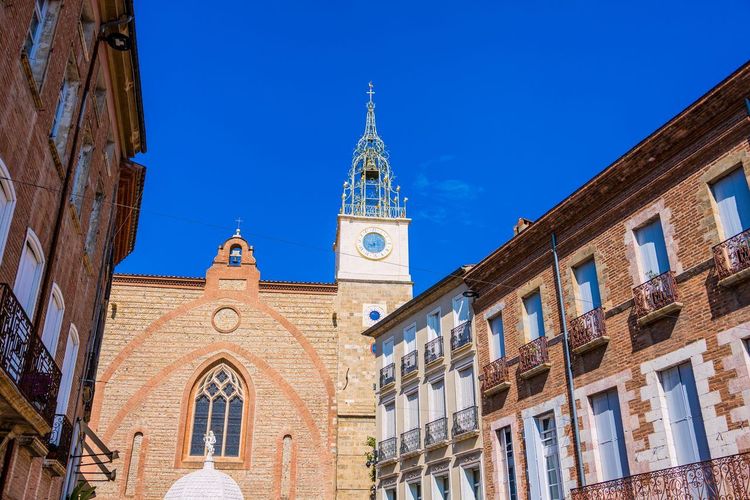
The Saint-Jean-Baptiste Cathedral, whose construction stretched from 1324 to 1509, impresses with its particularly wide single nave, typical of Catalan southern Gothic. Its Flamboyant Gothic organ case from the late 15th century and the great altarpiece of the high altar, reworked from the 16th to the 19th century, justify a few minutes inside, especially in late morning when the light streams through the high stained-glass windows.
Adjoining the cathedral, the Campo Santo (Place Gambetta, 66000 Perpignan, rated 4.5/5 on Google from 627 reviews) is a cloister-cemetery from the early 14th century, considered the oldest of its kind preserved in France. Its galleries once housed the tombs of the city's notable families; today, the space mainly serves as a setting for temporary exhibitions and a few concerts in summer.
Don't leave without glancing at the Chapel of the Devout Christ, attached to the cathedral: it houses a Gothic crucifix from the early 14th century with striking realism, one of the most moving pieces in the city. The combined visit of the cathedral and the Campo Santo generally takes 45 minutes, a short format that fits easily between the morning's Citadel and the afternoon's museums.
Day 2 (End of Day): The Must-See Museums, Hôtel Pams and the Rigaud Museum
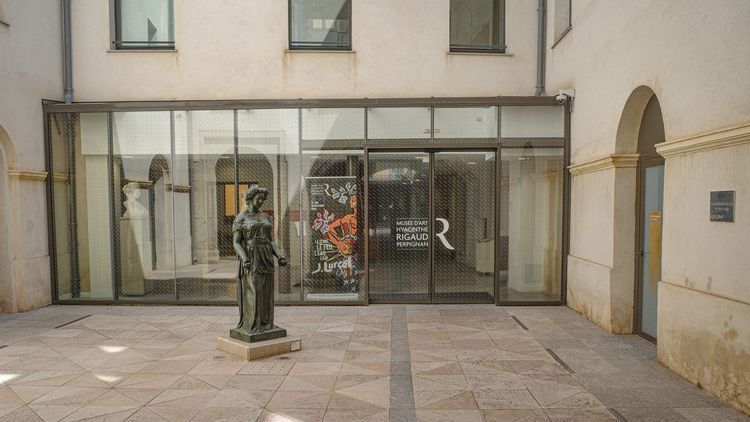
The end of the second day is devoted to civic and artistic heritage, with two addresses that local guides recommend almost systematically.
The Hôtel Pams, an Art Nouveau Gem
The Hôtel Pams is a mansion transformed between 1896 and 1902 by the architect Léopold Carlier for Jules Pams and his wife Jeanne, heiress of the Bardou family, whose fortune came from JOB cigarette paper. Its interior decor, with polychrome marbles, carved woodwork and a grand frescoed staircase, makes it one of the most complete examples of Catalan Art Nouveau in the region.
The building now belongs to the City, which houses cultural services there: check with the tourist office for the opening days of the salons and the guided tours on offer, often richer than discovering it on your own.
The Hyacinthe Rigaud Museum
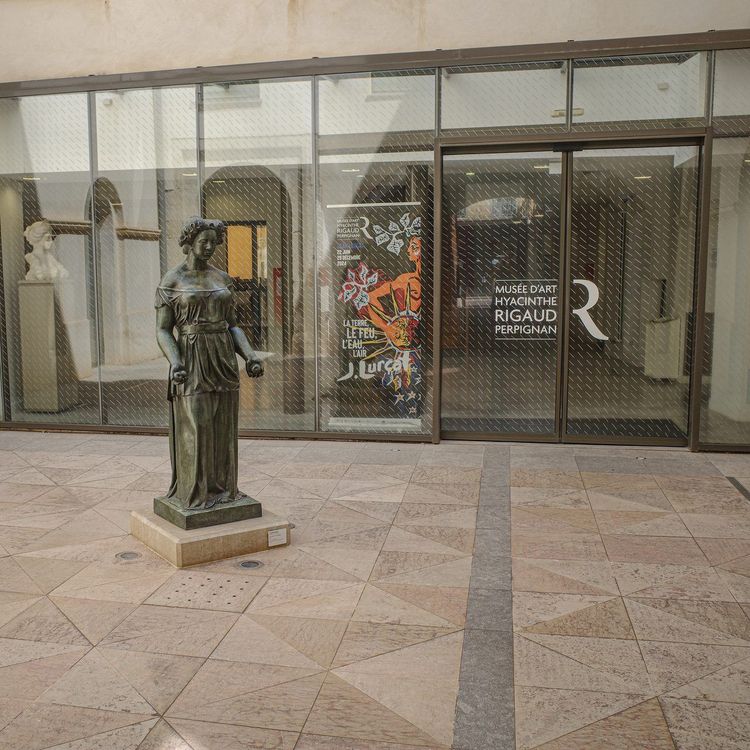
A few streets away, the Hyacinthe Rigaud Museum (21 Rue Mailly, 66000 Perpignan, rated 4.5/5 on Google from 1,499 reviews) pays tribute to one of Perpignan's most illustrious painters, official portraitist of Louis XIV and author of the famous portrait of the king in coronation robes. The collections also cover Catalan art from the 14th to the 20th century, with works by Maillol, Rigaud of course, but also contemporary regional artists.
If your ticket for the Palace of the Kings of Majorca includes a combined rate, remember to check whether it also covers this museum: some packages offered in high season allow you to visit several cultural sites at a reduced price.
Day 3: Wandering Through Perpignan's Typical Neighborhoods
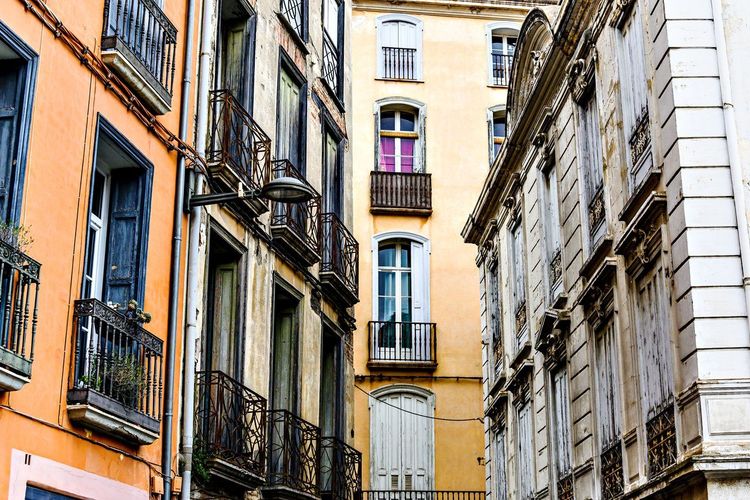
The third day deliberately moves away from monuments to focus on the atmosphere of the historic neighborhoods, less photographed but often more revealing of the city's real identity.
Saint-Matthieu and La Real, the Gypsy and Catalan Neighborhoods
The Saint-Matthieu neighborhood and the La Real neighborhood form the Gypsy and Catalan heart of Perpignan, with their low houses with colorful façades and their lanes where you can still hear Catalan spoken at the morning market. On Saturday mornings, the neighboring place Cassanyes turns into a big popular market where people come as much for the spices and fruit as for the atmosphere.
The atmosphere here is more lived-in than touristy: take the time to sit at a neighborhood terrace rather than ticking off monuments on a list. This is precisely the kind of experience the Ryo audio-guided tour tries to convey, with commentary on the neighborhood's Catalan and Gypsy life rather than a mere list of façades.
Saint-Jacques and Saint-Jean, Between Traditions and Local Life
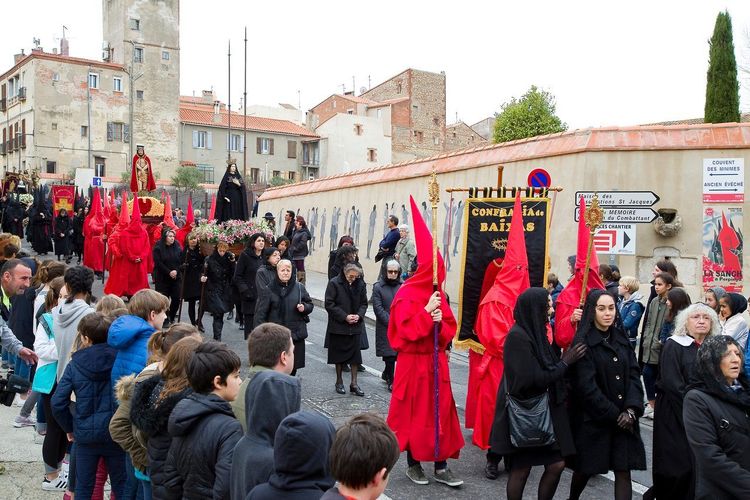
A little closer to the center, the Saint-Jacques neighborhood is organized around the church of the same name, a historic landmark for the Gypsy community long settled in the neighborhood. It is from this church that the Sanch procession sets off every Good Friday, its penitents in red or black hoods walking silently through the streets: a striking spectacle if you are here at Easter. Behind the church, the small Miranda garden offers a discreet balcony over the rooftops, rarely visited by tourists. The Saint-Jean neighborhood, for its part, stretches around the cathedral and keeps a very dense urban fabric, with alleys sometimes so narrow that two people struggle to pass each other.
Wandering through these neighborhoods remains one of the best ways to understand why Perpignan claims to be Catalan before being French. To extend this discovery, our article dedicated to the neighborhoods of Perpignan details a street-by-street itinerary more in-depth than a single half-day allows.
Day 3 (Morning): The Minimes Convent and the Dominicans Church
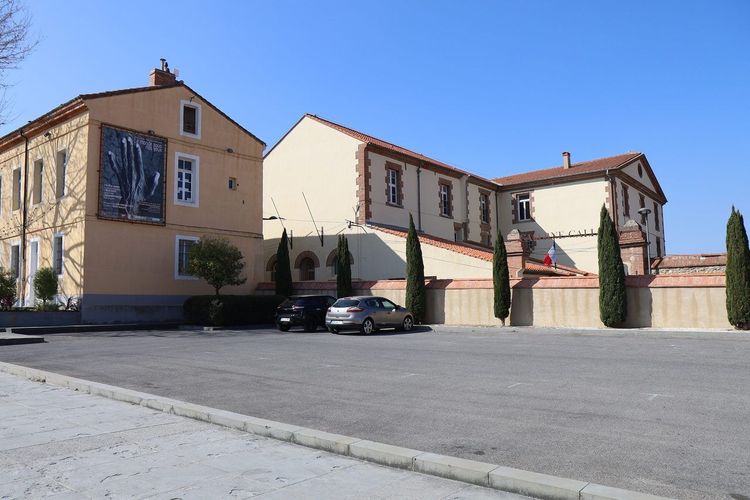
If you prefer to start the day with heritage before the working-class neighborhoods, a short stop is a must at the Minimes Convent, founded in 1573 and converted into an exhibition venue, the heart of the Visa pour l'Image photojournalism festival every September.
A few minutes' walk away, the Dominicans Church (Rue des Dominicains, 66000 Perpignan, rated 4.6/5 on Google from 360 reviews), in the southern Gothic style, also regularly hosts temporary exhibitions in its bare nave. These two sites make a practical duo: you can see an exhibition in two exceptional venues in barely an hour, without needing an expensive entry ticket or an advance reservation most of the time.
Day 3 (Afternoon): Easy Excursions Around Perpignan
The last half-day lends itself well to an outing beyond the city walls, provided you have a car or check the schedules of regional buses if you are traveling without a vehicle.
The Canigou Massif and Its Panoramas
The Canigou massif (66820 Vernet-les-Bains, rated 5/5 on Google from 9 reviews), the sacred summit of the Catalans rising to 2,784 meters, can be seen from several viewpoints accessible in under an hour's drive from Perpignan. No need to climb to the summit to enjoy it: the first foothills, around Vernet-les-Bains or the Prieuré de Serrabone, already offer panoramas over the Roussillon plain and the Mediterranean.
Every year, on Saint John's Day, a flame brought down from the summit of the Canigou lights bonfires throughout Catalonia: a tradition that says a lot about the symbolic attachment to this mountain.
The Surrounding Vineyards and Wine Estates
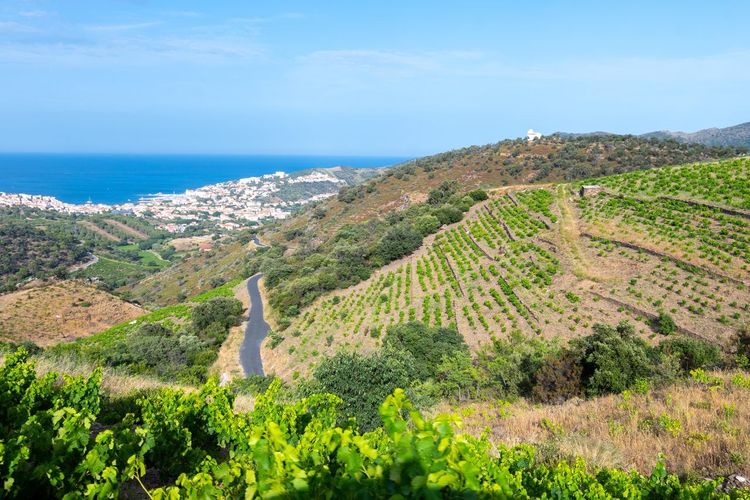
In the opposite direction, inland, the vineyards and wine estates of the Côtes du Roussillon stretch across arid hillsides planted with grenache and carignan. Several family-run estates open their doors for tastings without a mandatory reservation, often less than twenty minutes' drive from the city center.
Before setting off on an excursion, the Ryo audio guide lets you wrap up the city-center visit at your own pace, without missing anything before hitting the road to the Canigou or the vineyards. To organize this half-day in more detail, our article on the Canigou lists the most accessible viewpoints according to your walking level.
Other Must-Sees Near Perpignan
Beyond the historic center and the two classic excursions, several sites deserve a detour if your stay goes beyond the bare minimum or if you are returning to the region a second time.
The Rivesaltes Camp Memorial, designed by the architect Rudy Ricciotti, traces the history of this camp that successively interned Spanish Republicans, Jewish families, and then harkis. It is a sober and striking place of remembrance, about twenty minutes from Perpignan.
The Red Train of the Cathar Country and the Fenouillèdes links Rivesaltes to Axat and Saint-Martin-Lys over 62 km, crossing gorges, viaducts and vineyards at low speed. It runs from April to November, every day in July and August: a half-day to full-day excursion, ideal for families.
The Tautavel Prehistory Museum presents the remains of Tautavel Man, 450,000 years old, among the oldest human fossils discovered in Europe. A visit that fascinates children and adults alike thanks to its life-size reconstructions.
Oniria and EcoZonia, two nature discovery sites aimed at families, round out the offer for a day with young children: check hours and prices before heading out. For a more cultural evening, the Théâtre de l'Archipel (Avenue du Général Leclerc, 66000 Perpignan, rated 4.4/5 on Google from 712 reviews), designed by the architect Jean Nouvel, programs concerts, dance and theater all year round in a building with highly recognizable architecture.
Finally, thrill-seekers will find in Tautavel, Vingrau and Opoul-Périllos a territory made for climbing, with limestone cliffs equipped for all levels less than forty minutes from Perpignan.
Gourmet Perpignan: Where to Eat During Your Stay
Gourmet Perpignan is discovered as much in its restaurants as at the stalls of the place de la République market, the place where Catalan specialties dominate the menu of the good tables: Collioure anchovies, boles de picolat (simmered meatballs), crème catalane and sweet rousquilles at the end of the meal.
The commercial district around the rue de la Loge concentrates several good addresses where you can delight your taste buds without breaking the bank, between Catalan tapas bars and traditional bistros. For a more refined meal, the restaurants around the cathedral often offer lunch menus at around 20 euros.
As for wine, the Côtes du Roussillon and the Muscat de Rivesaltes naturally accompany the local cuisine, and many establishments offer pairings by the glass. Our selection of culinary specialties of Perpignan details around ten addresses and dishes.
With Children: Perpignan for Families
With children, Perpignan proves to be a practical destination: short distances, museums often geared to young audiences, and several shaded parks to catch your breath between visits. The Castillet, with its fun spiral staircase, and the Tautavel museum, with its prehistoric reconstructions, work particularly well with 6-12 year olds.
Oniria and EcoZonia remain a simple option for a day devoted to the youngest. In the city center, the Ryo audio-guided tour takes barely an hour, a short format that suits children's attention spans, headphones on, between ice cream breaks. The city also has the Accueil Vélo label, useful if you are traveling with older children able to ride a few kilometers on the bike paths that run along the Têt.
For more complete ideas on a family format, our article on Perpignan with family offers an itinerary adapted to different ages.
Where to Stay in Perpignan: Neighborhoods and Accommodation Tips
The choice of neighborhood depends mostly on the type of stay you are looking for. The historic center, around the place de la Loge, suits those who want to do everything on foot: charming hotels in old buildings, but rooms that are sometimes smaller and rates slightly higher in summer.
The station area, a short quarter-hour walk from the Castillet, offers more affordable and practical hotels if you arrive by train. Finally, the surroundings of the Citadel appeal to travelers seeking calm, with views over the city's rooftops but a bit more walking to reach the shops.
For a 3-day stay, it is better to favor the historic center or the station rather than the outskirts: you will save precious time on the daily trips to the sites visited each day.
What to Do in Perpignan Depending on the Season
In spring, almond trees blossom in the hinterland and temperatures stay mild for walking all day without suffering from the heat. In summer, the heat can climb above 35 degrees in the afternoon: favor visits to air-conditioned museums between 1 pm and 4 pm, and reserve outdoor sites for the morning or evening.
In autumn, the grape harvest is in full swing in the surrounding vineyards and many estates open their doors for the occasion. In winter, Perpignan remains surprisingly mild compared with the rest of France, and the queues at monuments almost entirely disappear.
Among the highlights of the local calendar, Holy Week and its Sanch procession, the Jeudis de Perpignan in summer (free night-time entertainment) and the autumn grape harvest pace a 3-day stay particularly well, depending on your dates. In late June, the Saint John's bonfires lit with the flame of the Canigou give rise to a big celebration at the foot of the Castillet. And if you come in early September, the Visa pour l'Image festival opens its photojournalism exhibitions free of charge in the Minimes Convent, the Dominicans Church and other venues in the center: enough to fill an entire day on its own.
How to Get to and Around Perpignan

Perpignan is easily reached by direct train from Paris, Montpellier or Barcelona, with a central station about a 15 to 20-minute walk from the Castillet. Take a moment to look at the building as you arrive: Salvador Dalí saw it as "the center of the world," and a sculpture pays tribute to him on the forecourt. Once there, the historic center, the citadel and most of the neighborhoods can be covered on foot without difficulty.
To see it all without walking, a little tourist train runs in high season between the main monuments, a practical option with young children or in strong heat. The city also has a network of city buses and the Accueil Vélo label, which guarantees services suited to cyclists in several shops and accommodations in the center.
For excursions to the Canigou or the vineyards, the car remains the most flexible solution, even though some regional bus lines serve the surrounding villages in summer.
Budget and Ideal Length: How Many Days to Visit Perpignan
So, do you book for 1 or 2 days in Perpignan, or for 3 full days? A short format of 1 to 2 days lets you cover the historic center, the Palace of the Kings of Majorca and one museum, but leaves out the typical neighborhoods and the excursions. The 3-day format, for its part, lets you add the surroundings without rushing.
If you are hesitating, remember this: visiting Perpignan in 3 days gives you time to live the city instead of ticking it off, with mornings of sightseeing and evenings on a terrace. As for budget, count roughly 60 to 90 euros per day per person for a 2-3 star hotel, 25 to 35 euros for meals, and 15 to 25 euros for entry to the main monuments (several combined tickets exist to reduce the bill). A rental car excursion generally adds 40 to 60 euros for the day, fuel included.



FAQ
How many days do you need to visit Perpignan?
Three days are enough to cover the historic center, the royal heritage, the typical neighborhoods and an excursion to the surrounding area without rushing. With only 1 to 2 days, you will have to limit yourself to the historic center.
What are the best things to do in Perpignan?
The Castillet, the Palace of the Kings of Majorca, the Hôtel Pams and a stroll through the Saint-Jacques and Saint-Matthieu neighborhoods form the essential core, complemented by the Hyacinthe Rigaud Museum for art lovers.
What can you discover around Perpignan?
The Canigou massif, the Côtes du Roussillon vineyards, the Rivesaltes Camp Memorial and the Tautavel Prehistory Museum are among the most accessible excursions from the city.
Which vineyards can you visit near Perpignan?
Several family-run Côtes du Roussillon estates, specializing in grenache and carignan, open their cellars for tastings less than thirty minutes from the city center, often without a mandatory reservation.
What is the best season to visit Perpignan?
Spring and autumn offer the best walking conditions, with mild temperatures. Summer remains pleasant if you plan outdoor visits early in the morning or at the end of the day.
How do you get around Perpignan without a car?
The historic center and the citadel can be explored entirely on foot. A little tourist train and a network of city buses complete the offer, while the Accueil Vélo label makes getting around by bike easier.
Wrap-Up: Three Days to Understand Perpignan
Three days in Perpignan leave time to go from the Castillet to the vineyards without ever rushing, keeping a margin to stop at a terrace on the place de la Loge or extend a stroll in the Saint-Jacques neighborhood. It is also a format that suits a first visit well, even if it means coming back later to explore the Canigou or the nearby coast at greater length. Before leaving, the Ryo audio-guided tour of Perpignan remains the simplest way to link the major sites of the center: 19 audios, one hour of walking and 2.4 km to hear the history of the Loge de Mer, the Castillet or the place de la République right where it unfolded. To extend your stay beyond the city, our article on what to do around Perpignan gathers villages, beaches and natural sites within an hour.
À lire également