
Créé par Romane, le 17 nov. 2026
Votre guide Ryo
Las Vegas, United States
The Strip: A World-Famous Entertainment Icon
Parcours audioguidé pour visiter Las Vegas en 1 jour
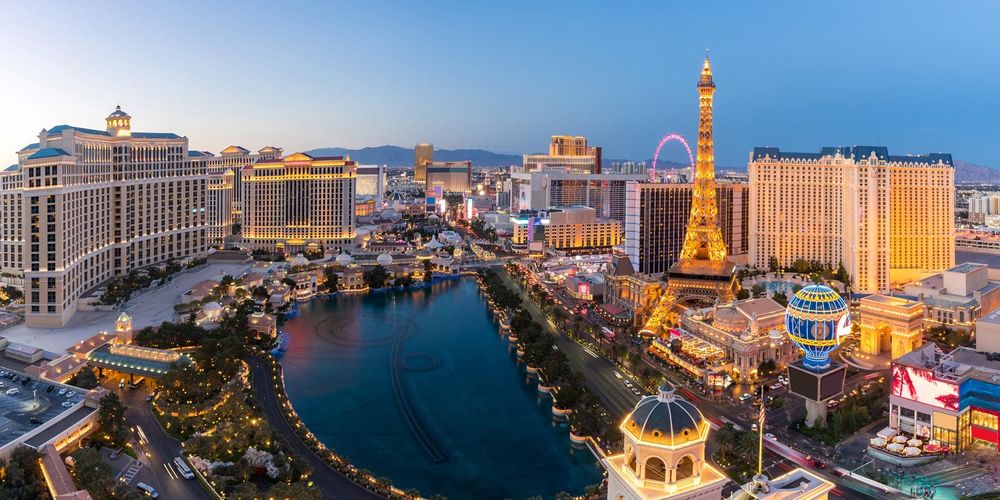
This discovery of the Las Vegas Strip takes you into the heart of a city where entertainment and extravagance meet at every corner, between shimmering neon lights, grand architecture, and spectacular fountains. Throughout the walk, discover the excitement of legendary casinos, world-class resorts, and internationally renowned attractions that tell the unique story of Sin City.
Quand partir à Las Vegas ?
Jan.
10°
3
Feb.
12°
3
March
16°
3
April
21°
2
May
26°
1
June
32°
0
July
35°
1
Aug.
34°
2
Sept.
30°
1
Oct.
22°
1
Nov.
15°
1
Dec.
9°
2
Las Vegas has a desert climate, with very hot summers and mild, generally sunny winters throughout the year. From June to September, daytime temperatures frequently exceed 40°C (104°F), which can make walking tours, especially on the Strip, more challenging. In contrast, winter remains pleasant with highs around 15–20°C (59–68°F), though evenings can be cooler. The best times to visit are spring, from March to May, and fall, from October to November, when temperatures are milder and allow for more comfortable outdoor activities and walking tours.
Départ conseillé
This route is a one-way tour along a continuous path. The visit begins in front of the Encore Las Vegas hotel.
Parking à proximité
Fashion Show Las Vegas Parking : Spring Mountain Road
When visiting the Las Vegas Strip, several parking options are available. The most common solution is to use the parking lots of the major hotel-casinos, which all offer self-parking accessible to the public—usually free for a limited time or paid beyond that. You can also park at some shopping centers along the Strip, such as the Fashion Show Mall or Miracle Mile Shops, which often provide free parking and allow quick access to the main sidewalks on foot. Another option is to use parking lots set back from the boulevard, accessible from parallel streets, to avoid the heavy traffic on the Strip itself.
À savoir
The duration and distance of this tour do not include visiting the inside of the casinos. Allow extra time if you plan to enter the major must-see casinos along the Strip.
Heat is a serious factor not to underestimate when visiting Las Vegas, especially from late spring through early fall. In summer, daytime temperatures frequently exceed 40°C (104°F) with extremely dry air. If visiting during this period, make sure to protect yourself from the sun and stay well hydrated. It’s best to plan your walking tours early in the morning or in the evening when temperatures are more manageable.
The legal age for gambling, drinking alcohol, or entering certain casino areas is 21, with frequent ID checks.
Most hotels on the Strip also apply mandatory resort fees, added to the displayed room rate and charged per night. These fees generally cover services such as Wi-Fi, pool access, and more. It’s important to know that resort fees are almost always excluded from the initial price shown online and can range from $35 to $50 per night, or more depending on the property, in addition to hotel taxes, which can significantly increase the total cost of your stay.
Tipping is an essential part of local culture: it is customary to tip servers, drivers, bellhops, or housekeeping staff, usually between 15 and 20%.
Découvrez 26 lieux d'intérêt pour visiter Las Vegas








What to see in Las Vegas on your 2h tour?
This 4.6 km walk takes about 2 hours and links 24 stops along the Strip. From the Encore and the Wynn in the north, it heads down past the great themed resorts, the Venetian, Caesars Palace, Bellagio and Paris Las Vegas, to the southern end, with Excalibur, Luxor and Mandalay Bay. With the app in your ears, every casino, fountain and neon sign tells the story of the Strip, from its gaming pioneers to its most spectacular resorts.
Information checked in October 2026 and subject to change.
1 - Encore
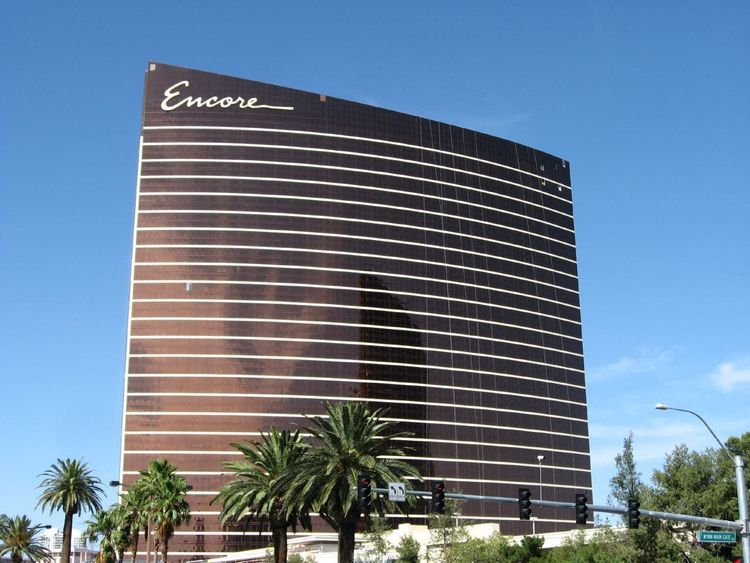
You begin in front of this golden resort, opened in 2008 as a companion to the neighbouring Wynn, built three years earlier by the same developer, Steve Wynn. Its name borrows from the world of live performance, where an encore follows a show. Its suites, among the largest on the Strip, often exceed 70 square metres, and its casino includes private salons for the biggest gamblers. Floral motifs and red chandeliers define its decor, while its nightclubs rank among the city's most popular.
Free entry
2 - The Strat
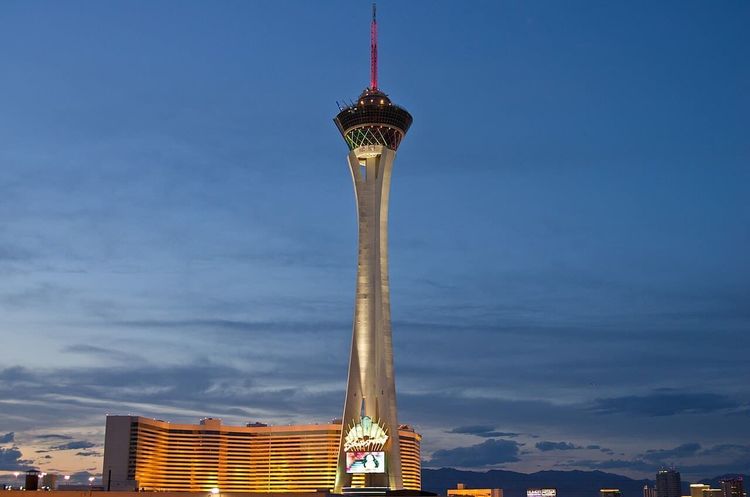
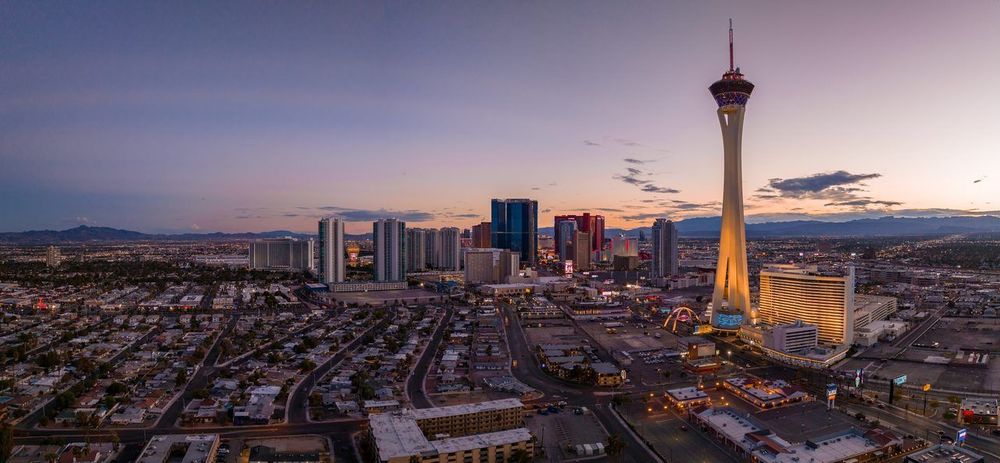
Turning around, you can spot this dizzying tower, once called the Stratosphere, opened in 1996 at the northern end of the Strip. At around 350 metres, it remains the tallest structure in Nevada. Its original owner, Bob Stupak, drew inspiration from the Sydney Tower for the project, though a taller version was refused on aviation safety grounds. A rotating restaurant and panoramic deck crown the building, famous for its thrill rides and its record-breaking controlled free-fall jump, the highest of its kind in the world.
Free to see from outside
3 - Wynn
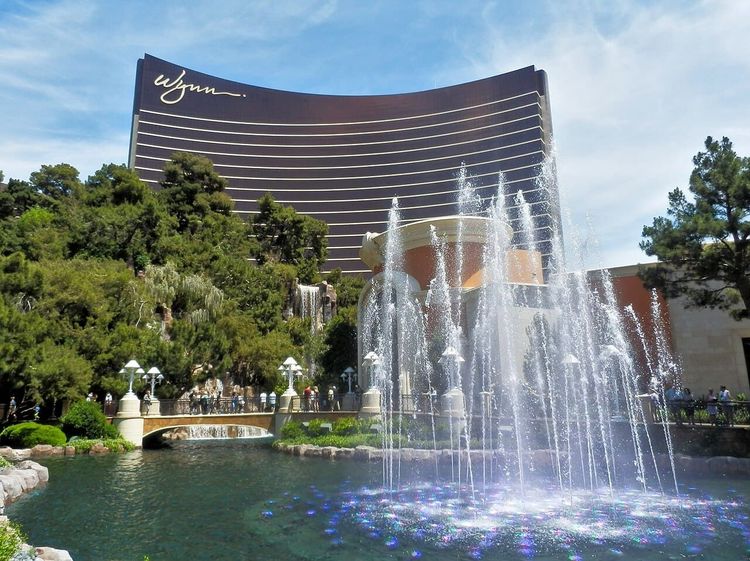
The Wynn opened in 2005 where the historic Desert Inn, a 1950s casino, once stood, after what was then a record-breaking construction cost. Unlike most of its neighbours, it has no particular theme, relying instead on understated elegance inspired by the surrounding desert. Its logo, visible atop the tower, is simply the signature of its founder, Steve Wynn. Behind the complex, an artificial lake hosts a free nightly show combining light and music.
Free entry
4 - Fashion Show Mall
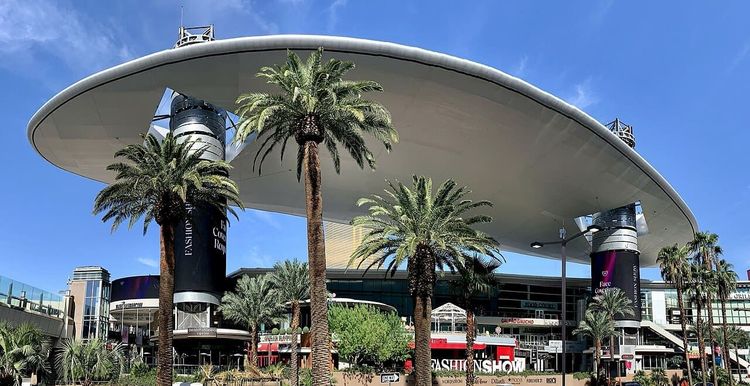
There is no missing this huge cloud-shaped steel structure, which signals the entrance to the Fashion Show Mall. Opened in 1981, it was the first major shopping centre on the Strip, before being considerably enlarged in the early 2000s. It now gathers nearly 250 stores around a vast central hall where, true to its name, real fashion shows take place. By day the structure provides shade; by night it comes alive as a glowing screen.
Free entry
5 - Viewpoint of the Sphere
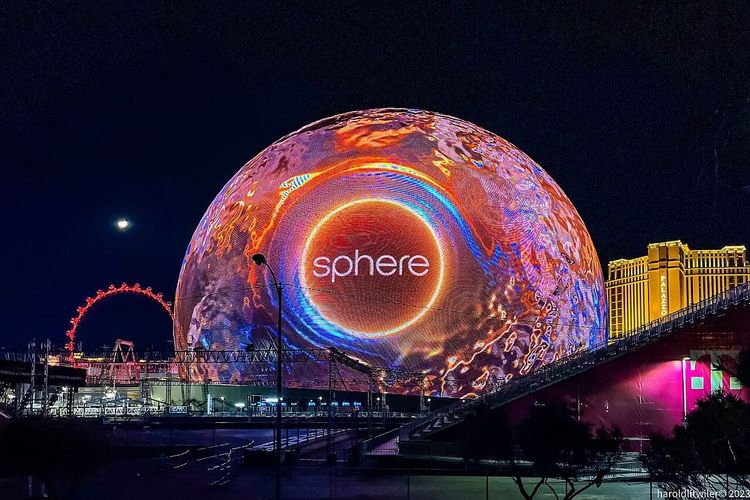
From here you can see one of the most striking creations along the entire Strip, the Sphere, which opened its doors in 2023. Its outer surface, entirely covered in LED screens, can turn at will into a planet, a giant eye or a digital artwork, visible from several kilometres away. Inside, close to 18,000 spectators enjoy an immersive screen and a directional sound system that wraps around every seat. A symbol of futuristic Las Vegas, forever pushing the limits of spectacle.
Free to see from outside
6 - Palazzo
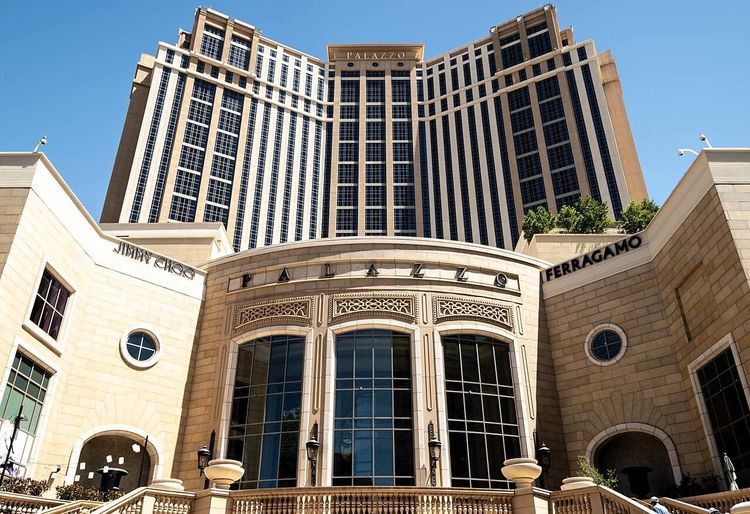
You now stand at the foot of the Palazzo, the Venetian's twin hotel, opened in 2007. It adopts a sleeker Italian style than its neighbour, favouring contemporary elegance over historical recreation. Made up entirely of suites, some among the most spacious on the Strip, it was, on opening, the largest building in the world to earn a top-tier environmental certification. Its atrium, decorated with seasonal floral displays, offers a soothing pause before you continue your walk.
Free entry
7 - Treasure Island
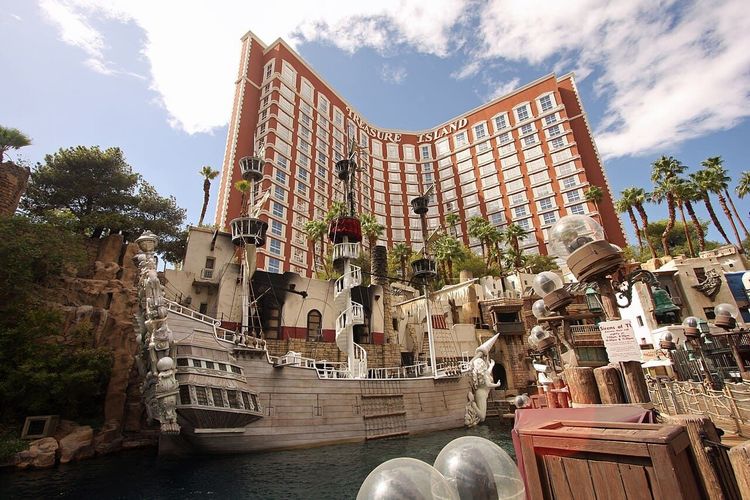
Across the road stands Treasure Island, often nicknamed TI, opened in 1993 by Steve Wynn and inspired by the novel of the same name. When it opened, an artificial lagoon hosted a free pirate battle show, performed more than 16,000 times over ten years. The resort has since toned down its theme to appeal to a more adult crowd, though the illuminated ships remain visible at night. Since 2009 it has belonged to an individual owner, a rarity on the Strip.
Free entry
8 - The Venetian
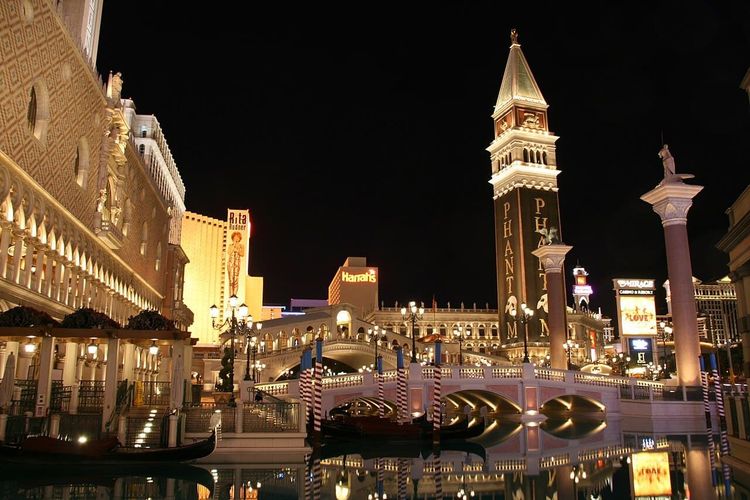
Here stands one of the Strip's most iconic hotels, opened in 1999 and entirely devoted to recreating the atmosphere of Venice. Among its sets, it reproduces the Saint Mark's campanile and the famous bridge spanning its canals, while inside, real gondolas glide along, steered by singing gondoliers beneath a painted trompe-l'œil sky. The idea is said to have come from the founder's wife, after a honeymoon trip to the city of the Doges. Connected to the Palazzo, the two form a vast hotel complex.
Free entry
9 - Madame Tussauds Las Vegas
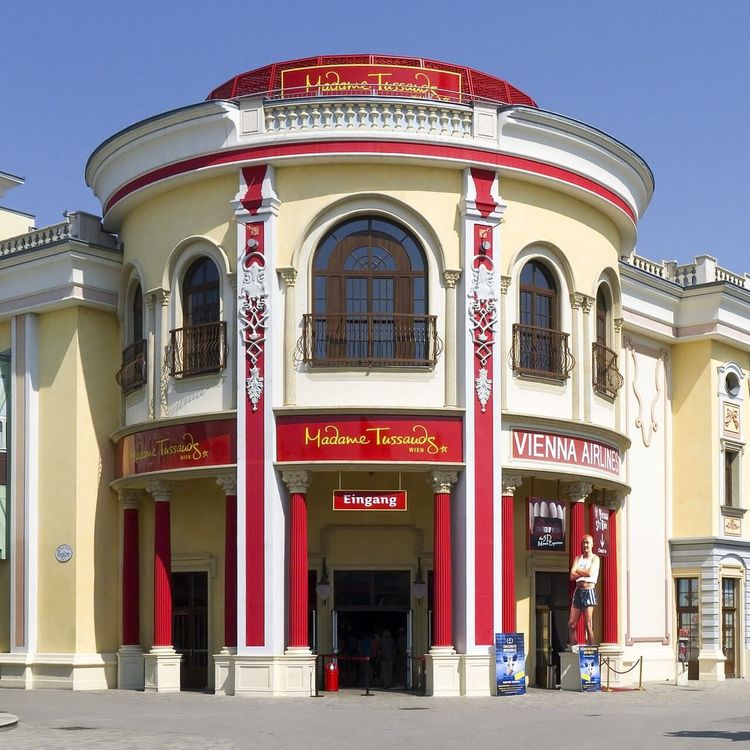
Set inside the Venetian's shopping arcade, this wax museum was, when it opened in 1999, the first in the United States for this brand born in London. Unlike traditional museums, the figures can be touched and photographed: visitors rub shoulders with stars of film, music and sport, as well as figures who shaped the history of Las Vegas. Each sculpture takes several months of painstaking work to capture the features of the person it portrays.
Paid entry (about $29)
10 - Mirage and Hard Rock
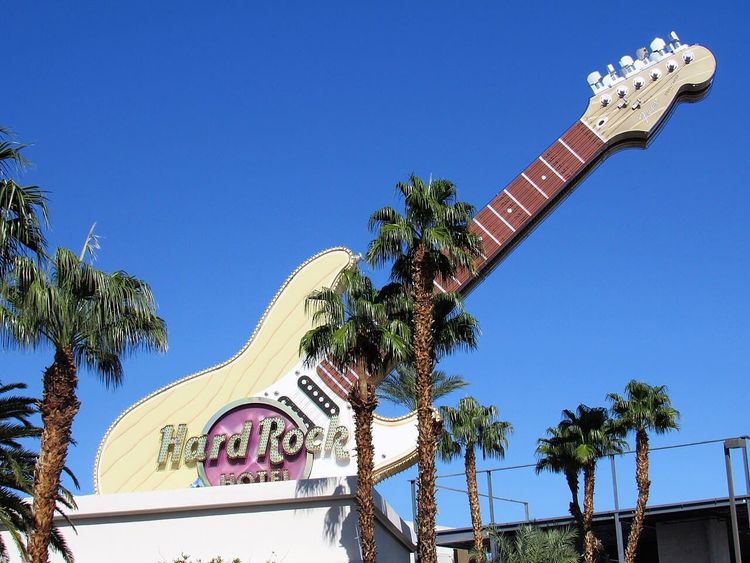
Here you can see the site of the former Mirage, opened in 1989 by Steve Wynn and widely seen as the first true themed megaresort in Las Vegas, famous for its erupting volcano visible from the street. After more than thirty years in business, the resort closed in 2024 to make way for a new Hard Rock Hotel, whose guitar-shaped tower will be visible for miles. Unrelated to the earlier Hard Rock on Paradise Road, which shut down in 2020, this is an entirely new project.
Everything you need to know about the Mirage and the Hard Rock
11 - The Forum Shops
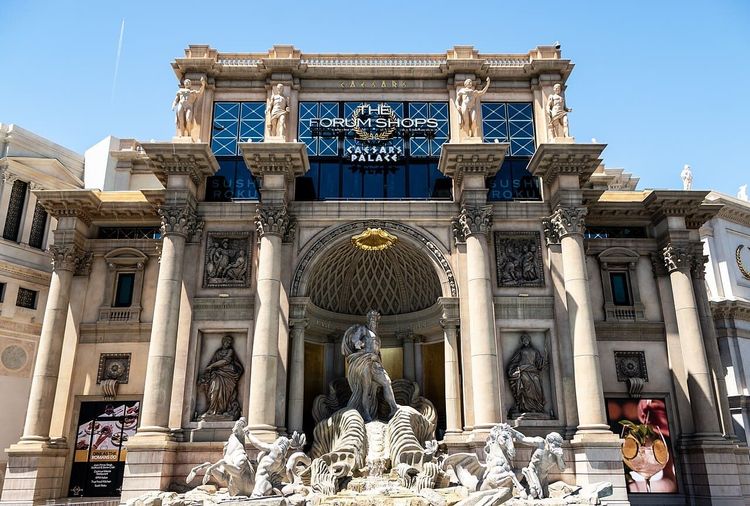
Here are the Forum Shops, a shopping arcade attached to Caesars Palace and opened in 1992 on an ancient Roman theme. Visitors wander among columns, statues and fountains, beneath a painted ceiling that mimics the sky shifting from day to night. Before it was built, the site briefly hosted a motor-racing circuit that never really caught on. Inside, rare spiral escalators and an animated show combining water and animatronics make this shopping centre an attraction in its own right.
Free entry
12 - Harrahs
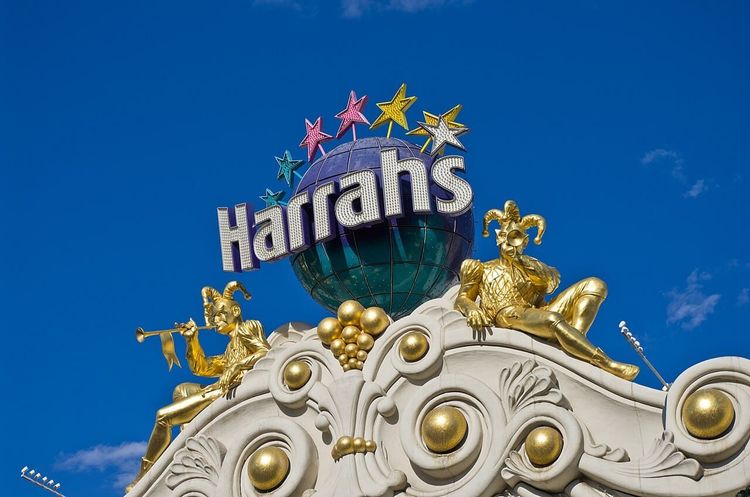
Facing the Forum Shops stands Harrah's, one of the oldest hotel-casinos still operating on the Strip, opened in the early 1970s under a different name and themed around Mississippi riverboats. It became Harrah's in 1992, later adopting a festive atmosphere inspired by carnival and Mardi Gras, still visible today. With its lively outdoor stage hosting regular concerts, it offers a more accessible vibe than the luxury resorts around it.
Free entry
13 - Caesars Palace
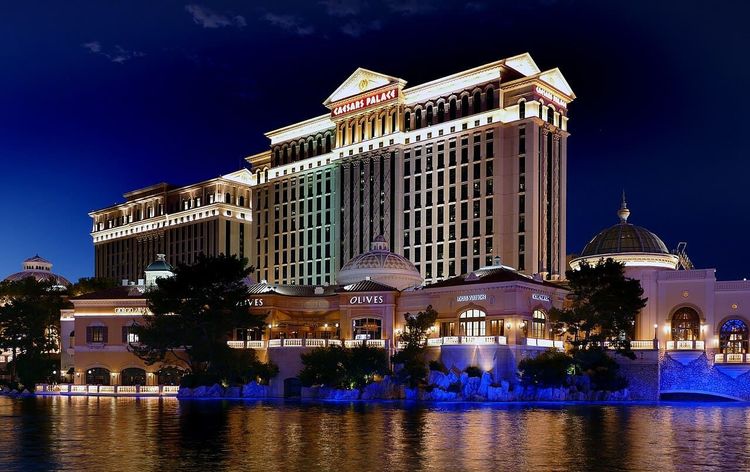
Here is Caesars Palace, opened in 1966 with a simple idea: to let every visitor feel like a Roman emperor, hence the name with no apostrophe. Marble columns, statues and fountains make up a set worthy of a sword-and-sandal epic. The Colosseum, built in 2003 for Céline Dion's residency, has since hosted other major stars such as Elton John and Adele. The hotel has also seen several legendary boxing matches take place in the 1970s.
Free entry
14 - The LINQ Promenade
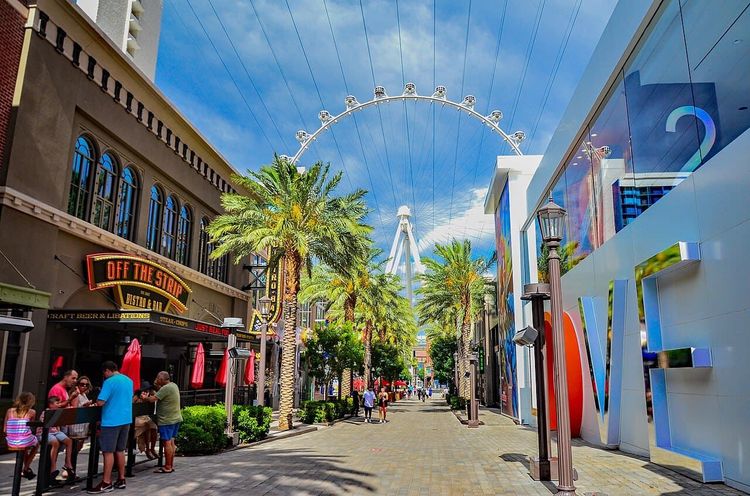
This entirely pedestrian walkway, opened in 2013, stands out from the Strip's great enclosed resorts. Roughly 400 metres long, it links several iconic hotels and leads to the High Roller, the tallest observation wheel in North America, which takes half an hour to complete one rotation. A zipline also runs the length of the promenade above visitors' heads. Restaurants, bars and shops line the way in a lively atmosphere, designed to draw a younger crowd than the megaresorts nearby.
Free entry
15 - Flamingo
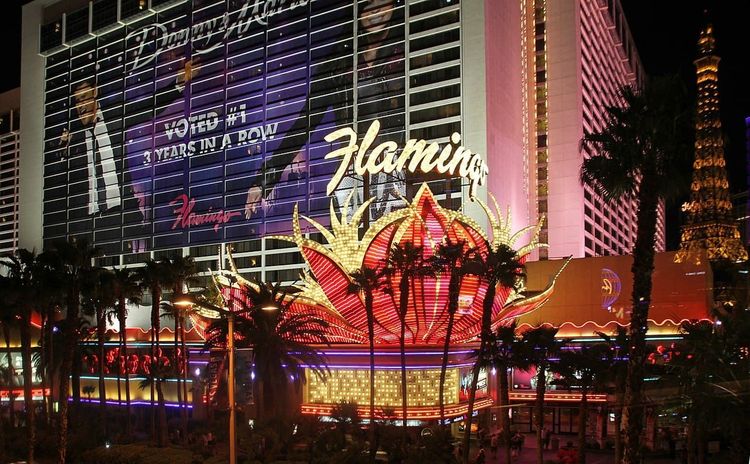
Here stands the Flamingo, the oldest resort still operating on the Strip, opened in 1946. Dreamed up by a Hollywood press mogul chasing glamour, the project was eventually taken over by gangster Bugsy Siegel, financed with mob money drawn by Nevada's legal gambling, in place since 1931. Siegel was assassinated just months after the opening. Later bought and expanded by the Hilton group, the hotel still keeps its pink façade and neon signs inspired by a flamingo's feathers.
Free entry
16 - Bellagio
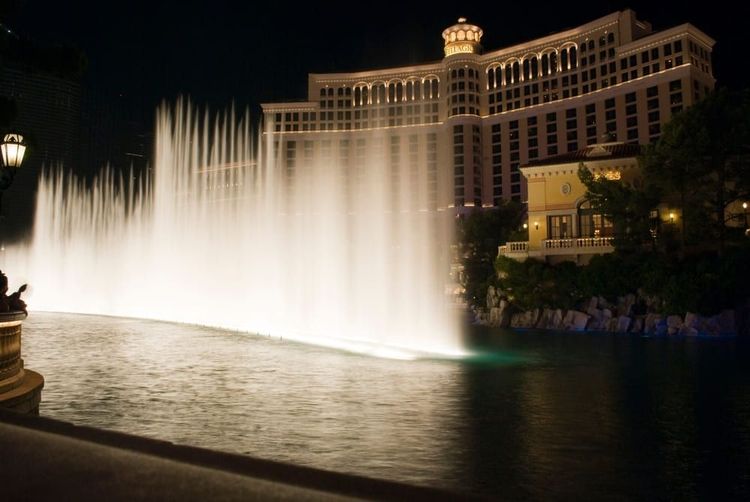
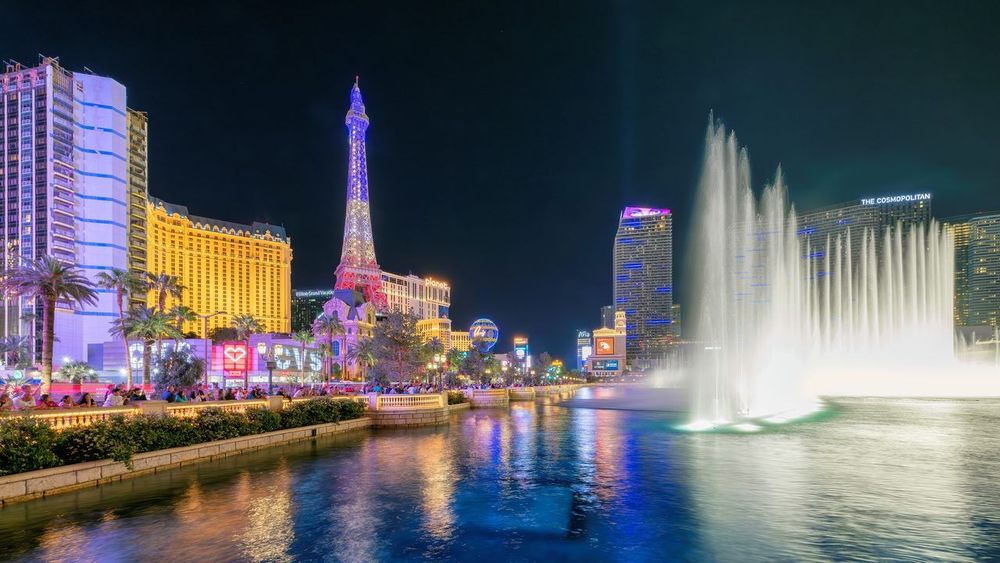
The Bellagio, opened in 1998 at a then-record cost, takes its inspiration from the charming Italian village of the same name on Lake Como. Its famous fountains, synchronised to well-known songs, draw millions of visitors every year. Inside, the Conservatory & Botanical Gardens changes its look five times a year through spectacular floral displays. With its 3,933 rooms and prestigious casino, it remains one of the most photographed symbols of the Strip.
Free entry
17 - Paris Las Vegas
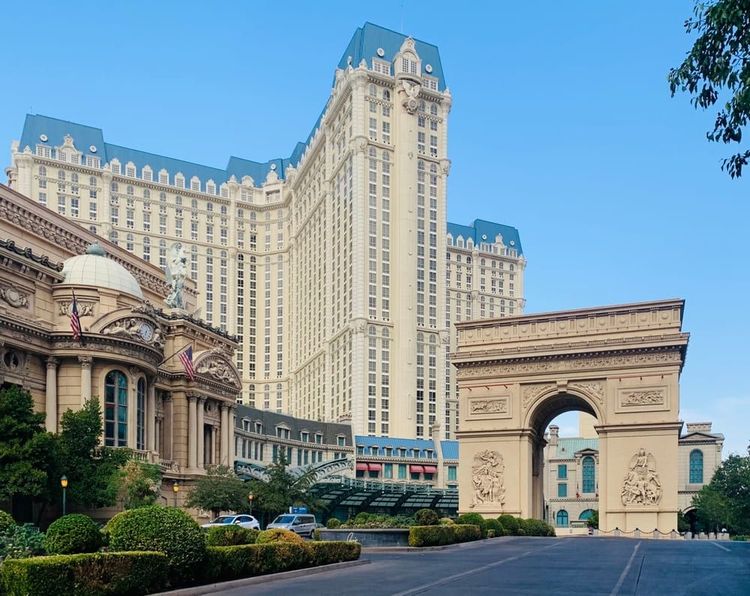
You now stand at the foot of the Las Vegas Eiffel Tower, a half-scale replica of the original, still reaching 164.6 metres. The hotel, opened in 1999, also recreates the Arc de Triomphe and the Opéra Garnier, along with a 1920s Parisian street inside. Every evening, the tower lights up for a free show every half hour. Gustave Eiffel's original plans are said to have even been consulted to build this replica as faithfully as possible.
Free entry
18 - Planet Hollywood
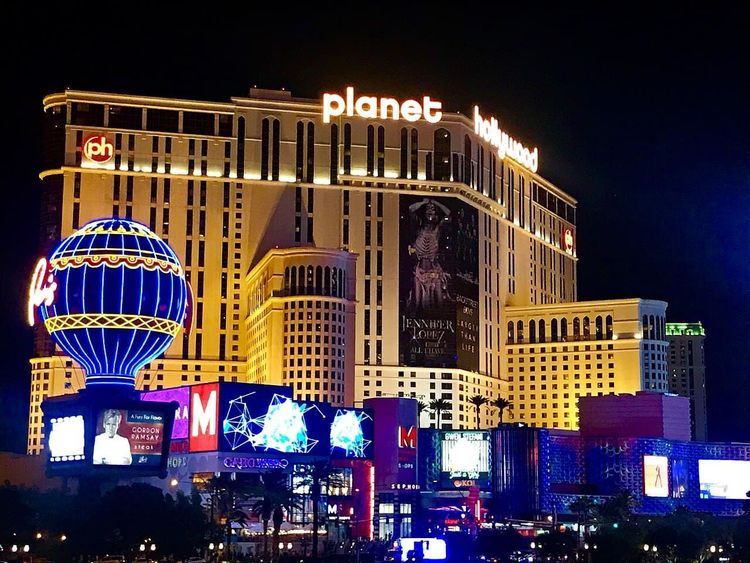
On the left stands Planet Hollywood, whose story began in 1962 under a different name before it became the Aladdin in 1966, themed around the Arabian Nights. It was here that Elvis Presley married Priscilla Beaulieu in 1967, a wedding that remains famous. Thanks to the very liberal laws passed by Nevada in 1931, which did away with waiting periods and paperwork, the city turned into the simplest spot in America for tying the knot, drawing countless celebrities over the decades.
Free entry
19 - The Cosmopolitan
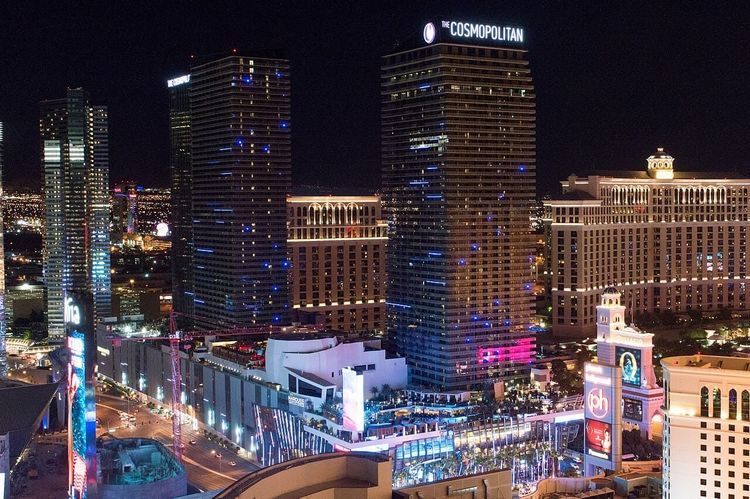
Facing Planet Hollywood stands the Cosmopolitan, opened in 2010 after a $3.9 billion project. With no fixed theme, it relies on modernity and elegance to appeal to a younger crowd. Its signature bar, the Chandelier, spans three floors and sparkles with two million hanging crystals. It also houses restaurants by celebrated chefs, as well as one of the most profitable nightclubs in the United States.
Free entry
20 - New York New York Hotel and Casino
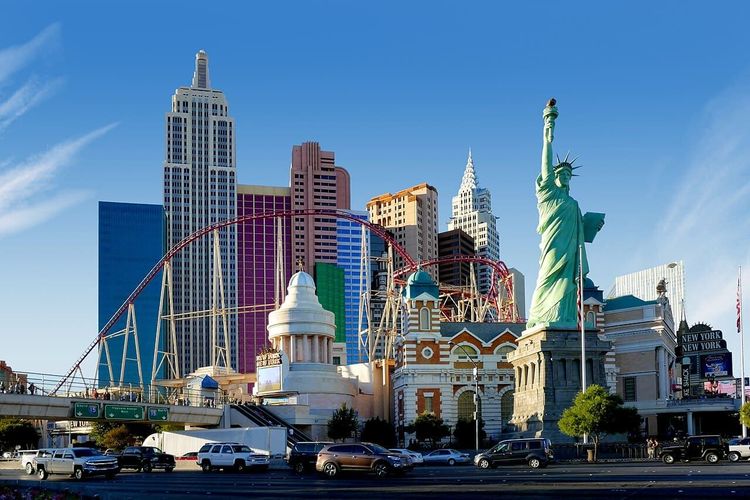
Here is a spectacular replica of 1940s New York, conceived by MGM Resorts in 1997. You can spot one-third-scale miniatures of several famous skyscrapers, including the Chrysler Building and the Empire State Building, alongside a Statue of Liberty standing nearly 46 metres tall. The resort's most famous attraction is a large rollercoaster whose cars are shaped like New York taxis. Inside, themed areas recreate Broadway, Central Park and Greenwich Village.
Free entry
21 - Leo the Lion
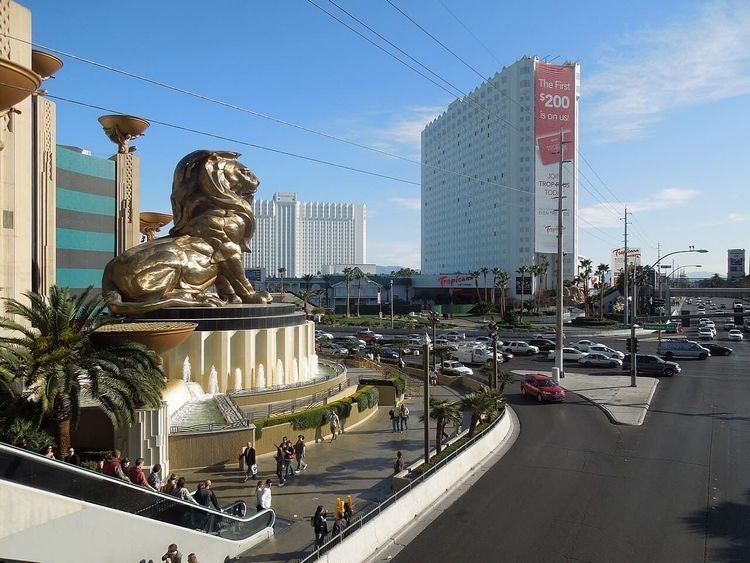
On your left stands Leo the Lion, a giant bronze statue roughly 14 metres tall and weighing 50 tonnes, one of the largest in the Western Hemisphere. Installed in 1998, it replaced the MGM Grand's original entrance, shaped like a giant lion's mouth, considered bad luck by many Asian gamblers. For several years, a genuine lion habitat sat right inside the casino, before the big cats were relocated to a ranch in 2012. Leo remains the historic mascot of the famous film studio.
Free entry
22 - Excalibur Hotel & Casino
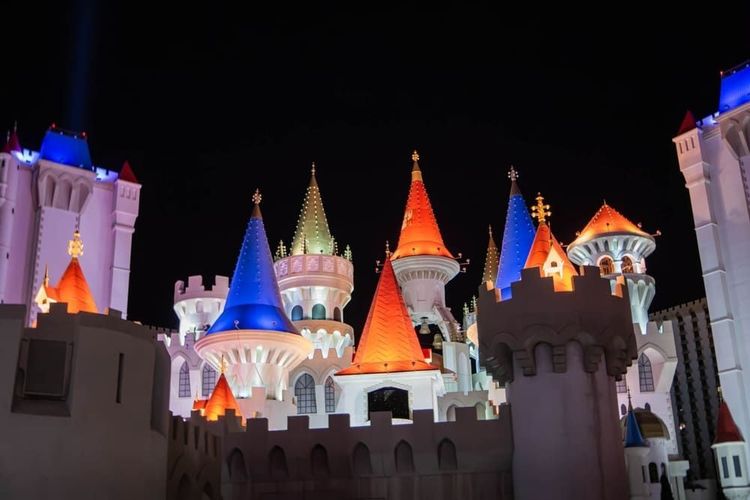
The Excalibur transports visitors to a legendary medieval world, complete with moats, turrets and drawbridges. Opened in 1990, it was then the largest hotel in the world, inspired in part by Germany's Neuschwanstein Castle. It was here that a player landed the all-time Megabucks jackpot record in 2003. The resort also offers one of the oldest shows still running on the Strip, a dinner show inspired by Arthurian legend, and a free tram still connects it to both the Luxor and Mandalay Bay.
Free entry
23 - Luxor
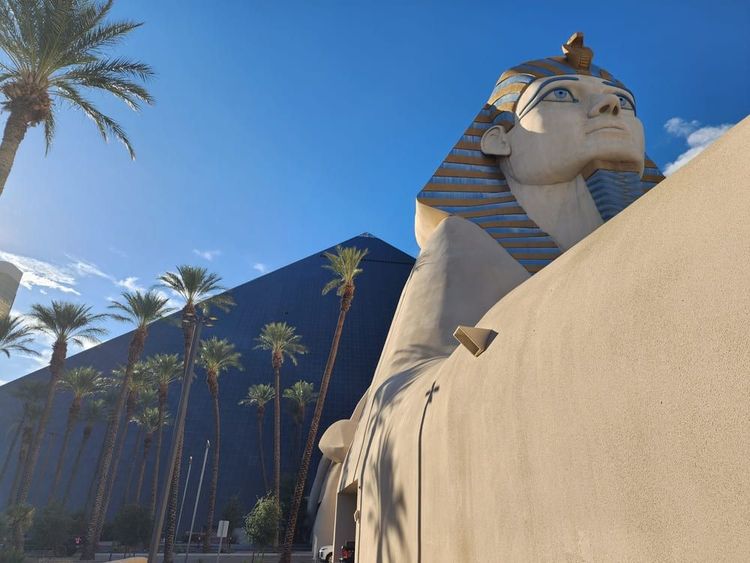
Heading into ancient Egypt with this giant pyramid, opened in 1993. Its atrium ranks among the biggest ever built anywhere by sheer volume, and its rooms are reached by elevators tilted at a 39-degree angle, known as inclinators. In front of the entrance stands a replica of the Great Sphinx of Giza, over 30 metres tall. But the most spectacular feature remains the light beam at the top, the most powerful in the world, visible from the air over 400 kilometres away on a clear night.
Free entry
24 - Mandalay
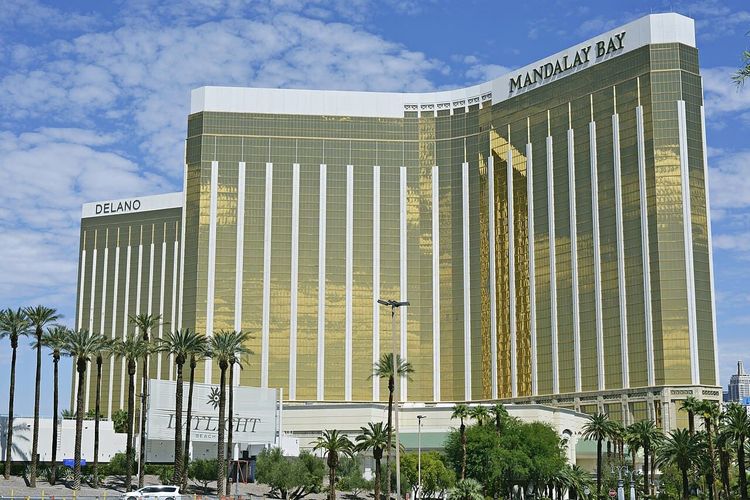
The final stop on this walk, Mandalay Bay marks the southern end of the Strip. It came to life in 1999, taking over the plot once held by the former Hacienda Hotel. Its name evokes the tropical world of the South Seas. The complex actually combines three hotels under one roof and houses the Shark Reef Aquarium, the largest on the Strip, as well as an artificial beach and a wave pool. Since 2013, its theatre has hosted Cirque du Soleil's Michael Jackson ONE show.
Free entry
What to do in Las Vegas in 2 or 3 days?
A single evening is enough to cover the essentials of the Strip on this walk: 4.6 km and 24 stops in about 2 hours, from the Encore and the Wynn in the north down to Mandalay Bay in the south. With 2 or 3 days to spare, there's plenty of time left to step inside the casinos themselves and range a little further.
The next day, spend some time inside the big casino resorts, then head downtown for its vintage streets and its museum devoted to old neon signs, and our guide to things to do in Las Vegas also covers the shows and excursions worth adding to the list.
Which neighbourhoods does the tour cross?
The walk follows a single avenue, the Strip, but the scenery changes with every stretch: from the modern towers of the north to the pyramids and castles of the south, every generation of resorts has left its mark here.
In the north, the golden towers of the Encore and the Wynn open the walk, watched over by the tall tower of The Strat (stops 1 to 3). Past the shopping mall and the viewpoint of the Sphere, the walk enters the area of Italian-themed resorts, before passing the site of the former Mirage, currently under construction (stops 4 to 10).
Around Caesars Palace, the Strip turns into an ancient Rome set, between shopping arcades and the carnival mood of the resort across the street; a giant wheel and a tropical garden extend this stretch (stops 11 to 15).
The last part travels the world in a few steps: the lake of the Bellagio, the Eiffel Tower of Paris Las Vegas, the signs of Planet Hollywood and The Cosmopolitan, then the skyline of New York-New York, before entering the medieval world of the Excalibur, the Egyptian pyramid of the Luxor and the tropical beach of Mandalay Bay (stops 16 to 24).
How much does it cost to visit Las Vegas?
20 of the 24 stops on this walk can be visited without a ticket, from the Encore to the Flamingo's garden. The other 4 each follow their own rules:
- Madame Tussauds Las Vegas, where admission starts at $29;
- The Strat, whose observation deck and thrill rides are paid, while the view from the street stays free;
- the viewpoint of the Sphere, free to admire from outside, while the shows inside follow their own schedule;
- the site of the former Mirage, closed for construction with no reopening date yet.
There's no combined pass for this particular walk: every show and every high-rise attraction is booked separately, and prices vary a great deal with the season.
Information checked in October 2026 and subject to change.
Where to stop for a bite along the tour?
The walk passes several spots worth a stop for lunch or a sweet treat, without ever leaving the Strip.
Inside the Bellagio, the Jean-Philippe Pâtisserie is known for its chocolate fountain, said to be the largest ever built, a sweet classic before getting back on the walk.
A little further on, The Cosmopolitan brings together addresses from well-known chefs, such as David Chang's Momofuku or José Andrés's Jaleo, inside a 3-storey bar lit by 2 million hanging crystals.
At Paris Las Vegas, the restaurant set beneath the Eiffel Tower serves refined French cuisine with a sweeping view of the Strip, carrying the Parisian wink all the way to the plate.
What to do in Las Vegas with children?
Even without stepping into a casino, several stops on the walk entertain children.
At the Flamingo, the free garden of the Wildlife Habitat is home to real pink flamingos, surrounded by other birds, near fish ponds, a surprising nature break in the middle of the Strip.
A little further on, the castle of the Excalibur charms younger visitors with its turrets and its medieval dinner show, Tournament of Kings, eaten without cutlery amid jousting and combat.
At New York-New York, the Big Apple Coaster sends its taxi-shaped cars racing in turn through indoor halls and the open air, for a solid dose of family thrills.
What should you know before visiting Las Vegas?
Before setting off down the Strip, a few practical points are worth knowing.
The site of the former Mirage, closed since July 2024 for the construction of the future Hard Rock Hotel & Casino, cannot be visited: no reopening date has been announced yet. From late spring to early fall, temperatures regularly top 40°C (104°F) in very dry air: it's best to walk early in the morning or in the evening, and to drink water regularly.
Gambling, drinking alcohol or entering certain casino areas is restricted to those 21 and over, with frequent ID checks. Tipping is also part of local custom, usually between 15 and 20% for service, and most hotels on the Strip add mandatory resort fees to the bill, around $35 to $50 a night, rarely shown at booking time.
Stay alert for pickpockets, especially around casinos and in crowded transport; keep nothing visible inside a rental car and avoid isolated streets once night falls.
What to see around Las Vegas?
Las Vegas makes a good base for a trip beyond the Strip, for the day or for longer.
Allow 25 to 35 minutes' drive along US-95 and then Route 159 to reach the red sandstone cliffs of Red Rock Canyon, by rental car or on an organised tour from the hotel.
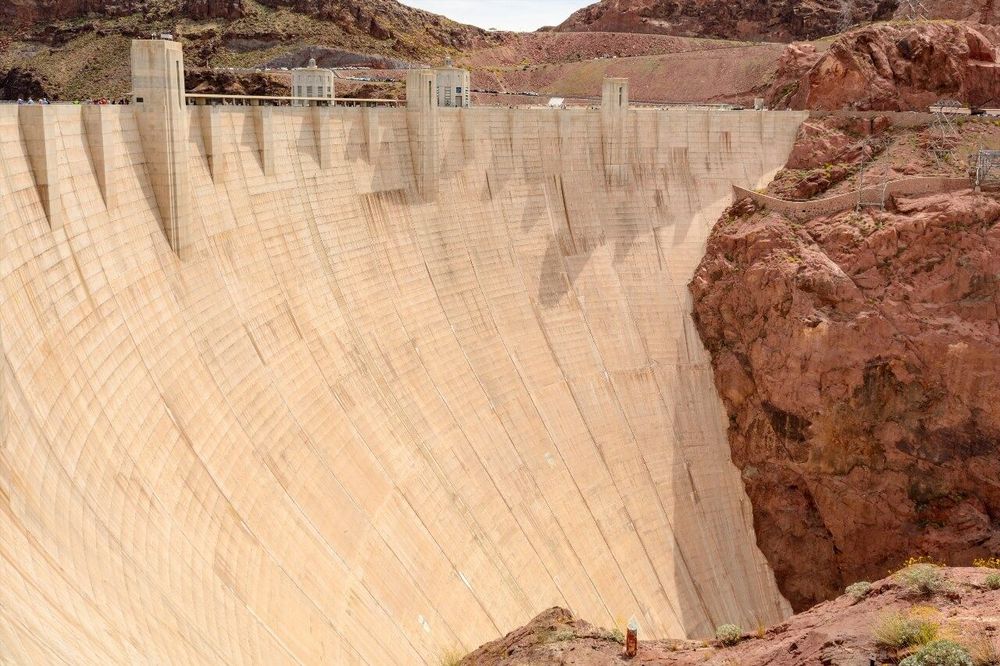
Further out still, excursions reach the Grand Canyon, a huge dam can be visited less than 50 km away, and the trails of Death Valley, about a 2.5-hour drive, drop to 86 metres below sea level; our guide to things to do in Las Vegas covers these options in more detail.
What's on in Las Vegas right now?
This late in the year, the Strip's big news is a major sporting event.
From 20 to 22 November, the Las Vegas Formula 1 Grand Prix takes over the city, with free practice and qualifying on the days before, on a circuit laid out partly on the Strip itself.
Information checked in October 2026 and subject to change.
Le plein d'inspirations
Explorez le monde en totale liberté, à pied au cœur des villes ou au fil des routes. Nos guides audios transforment chaque destination en une découverte culturelle immersive et unique.










FAQ for visiting Las Vegas
When is the best time to visit Las Vegas?
The best time to visit Las Vegas is in spring, between March and May, and in autumn, from October to November. During these seasons, temperatures are pleasant, generally between 20 and 30°C, ideal for exploring the city on foot. Summer is best avoided if possible, as temperatures often exceed 40°C, making outdoor walks very gruelling. Winter remains an interesting option, with mild days around 15-20°C, even if the evenings can be chilly. These shoulder seasons will allow you to make the most of the outdoor attractions and to stroll comfortably along the Strip without suffering the desert's overwhelming heat.
How many days do you need to visit Las Vegas?
For a first visit to Las Vegas, ideally allow between 3 and 4 days. Two full days will let you discover the essentials of the Strip with its iconic hotels, shows and main attractions. An extra day will give you the chance to explore Downtown Las Vegas and Fremont Street, which offer a different, more authentic atmosphere. If you'd like to add excursions in the surrounding area such as Red Rock Canyon or Valley of Fire, plan for one more day. Las Vegas can easily keep you busy for a whole week if you want to make the most of the shows, restaurants, spas and various activities, but three days remains enough to get an excellent overview of the city.
How do you get around Las Vegas without a car?
Getting around Las Vegas without a car is entirely possible and even convenient. The Strip is perfectly suited to walking, even if distances can be deceptive. The monorail serves several major hotels and is a quick option for travelling along the Strip. The RTC public buses offer a regular and economical service, notably the Deuce line that runs the length of the Strip to Downtown. Many hotels offer free shuttles to certain attractions. Taxis and ride-hailing services are everywhere and relatively affordable for short distances. Between the Strip and Downtown, the SDX bus is particularly handy. With most major attractions concentrated along the Strip, you'll easily be able to explore the city on foot, alternating with these means of transport.
Which neighbourhoods are must-sees (Strip vs Downtown)?
The Strip is of course still the main attraction of Las Vegas, with its monumental hotel-casinos, its spectacular shows and its electric atmosphere unlike anywhere else in the world. This is where you'll find icons like the Bellagio, the Venetian or Caesars Palace. Downtown Las Vegas is absolutely worth the detour to discover the city's original soul. The Fremont Street Experience offers a more laid-back vibe with its free concerts, its spectacular LED canopy and its historic casinos. The Arts District is also starting to attract visitors with its galleries and trendy restaurants. The Ryo audioguide guides you through the detailed discovery of these emblematic neighbourhoods, revealing the fascinating stories behind each legendary place while leading you to the best viewpoints.
What can you do in Las Vegas as a family with children?
Contrary to popular belief, Las Vegas offers many family activities. The Strip hotels are home to child-friendly attractions such as the Mandalay Bay aquarium, the Bellagio gardens or the Venetian gondolas. The Cirque du Soleil show generally delights the whole family. The Discovery Children's Museum offers hours of educational fun. The hotels' spectacular pools are also excellent entertainment. Nearby, Red Rock Canyon offers a nature getaway with accessible hikes. Container Park downtown has a giant playground and original shops. Even though Las Vegas remains above all an adult destination, you'll find enough activities to keep your children pleasantly occupied during your stay, simply by avoiding the casino areas and favouring daytime hours.
How do you get from the airport to the city centre?
Harry Reid International Airport in Las Vegas is just a few kilometres from the Strip. Taxis are available directly outside the terminals and will drop you at your hotel, generally in about fifteen minutes. Ride-hailing services also work very well, with dedicated pick-up zones. For a more economical option, shared shuttles serve most of the hotels on the Strip and in Downtown, even if the journey will be longer with the multiple stops. The RTC public buses also offer direct lines to the Strip at a very affordable price. Some hotels offer their own free shuttles, so ask when you book. Renting a car remains an option if you're planning excursions, but it isn't necessary for a stay focused on the city.
Which shows and attractions should you not miss?
Las Vegas remains the world capital of entertainment, with an incomparable offering. The Cirque du Soleil productions are a safe bet, with each hotel offering its own unique show. Residency concerts draw the biggest international stars. Magic shows continue to amaze, as do the Broadway musicals. When it comes to attractions, the Bellagio fountains remain a free must-see, as does the Fremont Street light show. The observation deck of the Eiffel Tower or the High Roller offers spectacular views. Don't miss a night-time stroll along the Strip when all the neon lights up. The Ryo audioguide reveals the best times and spots to enjoy these free shows while telling you the fascinating history of this city of entertainment.
What budget should you plan for a stay in Las Vegas?
The budget for Las Vegas varies considerably depending on your choices. Accommodation can range from very affordable during the week to luxurious at the weekend. Generally plan for more on meals than in other American cities, especially in the hotel restaurants. Buffets remain an interesting option for value for money. Shows are often the biggest expense, with prices varying widely according to popularity. Fortunately, many free attractions exist, such as street performances, hotel décors or the fountains. Drinks in the casinos can quickly push up the bill. Allow a medium to high daily budget to enjoy the city comfortably, keeping in mind that Las Vegas offers experiences for every budget if you plan wisely.
What can you do in Las Vegas away from the casinos?
Behind the gaming tables, the city cultivates another side. The Neon Museum lines up in its boneyard the giant letters of vanished hotels, a concentrate of American graphic history that is especially striking after dark. The arts district, south of the centre, strings together galleries, murals, vintage shops and coffee roasters, with a big monthly evening when the studios open their doors. Further out, a botanical garden and a discovery centre tell the story of the Mojave desert and of the water without which the city would not exist. To the south, columns of boulders painted in bright colours form a contemporary art installation that has become a photography classic. The Ryo audio guide offers a dedicated Las Vegas route.
Which day trips can you take from Las Vegas?
The desert begins at the edge of the city and lends itself to easy escapes. Red Rock Canyon, very close by, is explored along a scenic loop road and on trails that suit most walkers. A little further on, the Valley of Fire unfolds red rocks sculpted by erosion and petroglyphs left by native peoples. To the east, the Hoover Dam and Lake Mead tell the story of how the Colorado River was harnessed. Longer days lead to the Grand Canyon, Death Valley or the parks of Utah, by car or on an organised outing. Set off early, carry plenty of water and avoid the middle of the day in summer, when the heat becomes punishing.
How do you visit Red Rock Canyon from Las Vegas?
Red Rock Canyon lies about 27 km west of the Strip, a 25 to 35-minute drive; with no direct public transport, you need a car or an organised tour. Start at the Visitor Center, open from 8am to 4.30pm, then follow the Scenic Drive, a 21 km one-way loop: an hour without stopping, two to three with the viewpoints. The Calico Tanks trail, 3 km return with about 120 metres of climb, leads to a natural rock pool. Arrive early between October and May, when car parks fill quickly.
Plan your outing with our guide to visiting Red Rock Canyon.
Which hotel-casinos and iconic spots should you see on the Strip and in Downtown Las Vegas?
The Strip runs for 6.8 km: come early in the morning to photograph the 1959 "Welcome to Fabulous Las Vegas" sign, then watch the free Bellagio fountains, every 15 minutes in the evening. Pick three or four themed hotels, from the Luxor pyramid to the Venetian's gondolas, by way of New York-New York, Caesars Palace, open since 1966, and the MGM Grand with more than 6,800 rooms. The Mirage volcano has been gone since July 2024. To the north, Downtown, founded in 1905, keeps its vintage neon and the Fremont Street Experience.
Plan your days with our guide to things to do in Las Vegas.
What free or cheap transport can I use on the Strip and in Downtown Las Vegas?
Two free trams link the Strip's big resorts: the Mandalay Bay-Luxor-Excalibur tram and the Aria Express. In Downtown, a free shuttle serves Fremont Street and the Mob Museum. The Deuce and SDX buses cost $6 for two hours or $8 for a full day, and Zoox and Waymo robotaxis add another option. The monorail is rarely worth the detour.
A car only really pays off for Red Rock Canyon, Hoover Dam or other desert day trips.
Routes, fares and tips are all in our guide to getting around Las Vegas without a car.
Vos commentaires, idées et suggestions
Aucun avis pour le moment