© Shutterstock
 Votre guide Ryo
Santiago in 3 Days: A Local-Style Itinerary for 2026
Spend Santiago in 3 days the way a local would and you'll notice something odd: the city barely tries to impress you in the first hour. There's no single headline monument pulling every visitor in one direction, no Eiffel Tower moment. Instead, Santiago reveals itself in layers: a colonial grid downtown, a hill with Andes views a four-minute funicular ride above Bellavista, a cast-iron food market that has fed the city since 1872, a neighborhood of restored houses turned into design studios. That's exactly why three days work so well here: it's enough time to move through the center, the hills and the markets without rushing, and you can follow most of this route on foot while Ryo's self-guided audio tour of Santiago narrates each stop as you reach it.
Over the next three days you'll walk the plaza where Pedro de Valdivia founded the city in 1541, ride a century-old funicular up a hill that was once a stone quarry, drink a glass of husked wheat and stewed peach called mote con huesillo from a street cart, and stand in a museum built specifically so Chile would never forget what happened between 1973 and 1990. You'll also find out where locals go on a free Saturday, which day trip deserves one of your three days, and which neighborhood to sleep in so you're not losing an hour a day in traffic.
Santiago in 3 Days: Itinerary at a Glance
Three days is the sweet spot for Santiago, long enough to cover the historic center, the hillside neighborhoods and at least one market-heavy morning, short enough that you won't run out of momentum. Here's how the days break down before we go deeper into each one.
Day 1 stays close to the ground: Plaza de Armas, the cathedral, the old post office and La Moneda palace in the morning, then Cerro Santa Lucía and Mercado Central in the afternoon, finishing with dinner in Bellavista. Day 2 goes vertical and creative: the weekend markets of Barrio Italia and Lastarria, the funicular up Cerro San Cristóbal for the Andes views, and an evening in Providencia around Costanera Center. Day 3 is where the city's history gets heavier and its food scene gets looser: La Vega Central Market for breakfast, the Museo de la Memoria y los Derechos Humanos and Quinta Normal park in the early afternoon, then a fine-arts museum before a final dinner somewhere with a skyline view.
None of this requires a car, and you don't need to pre-book much beyond maybe one dinner reservation. If you'd rather not juggle a paper map between stops, Ryo's audio guide strings 27 audio stops along an 8 km loop (about 3h15 of walking and listening) that overlaps heavily with Days 1 and 2, so you can put your phone in your pocket and just listen as you walk.
Getting to Know Santiago's Neighborhoods
Santiago sprawls more than its compact historic core suggests, so a rough mental map before Day 1 will save you a lot of backtracking.
El Centro, Lastarria and Bellavista
El Centro, downtown Santiago, is where the city was founded and where most of its colonial-era landmarks still stand: Plaza de Armas, the government palace, the main post office. It's dense, walkable, and busiest on weekdays when office workers flood the streets at lunch. Just east of it, Lastarria is a few blocks of restored early-20th-century buildings now full of independent bookstores, wine bars and a weekend antiques market, favored by a slightly older, more design-conscious crowd. Across the Mapocho river to the north, Bellavista is Santiago's bohemian quarter, home to poet Pablo Neruda's house-turned-museum, La Chascona, and a dense cluster of restaurants and bars that gets loud after 9pm, especially on weekends.
Providencia, Las Condes and Vitacura
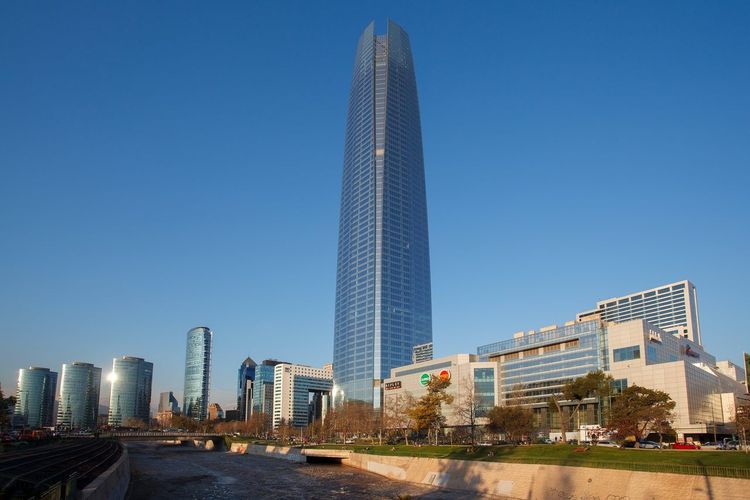
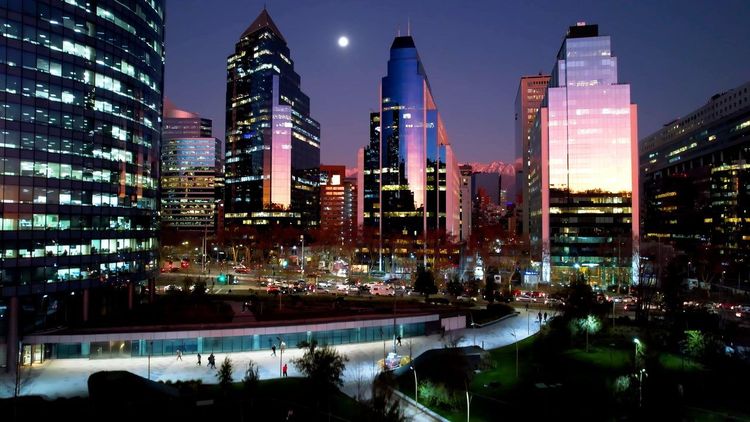
Moving east along the main avenue, Providencia is upper-middle-class Santiago: tree-lined streets, the Costanera Center tower and mall, and residential blocks with pockets of good restaurants. Keep going east and you hit Las Condes and Vitacura, the city's wealthiest districts, full of glass office towers (locals nicknamed the financial district Sanhattan), upscale boutiques and the kind of manicured parks you won't find downtown. You won't spend most of your sightseeing time here, but a lot of Santiago's best hotels and fine dining sit in these streets.
Barrio Italia and the Southern Neighborhoods
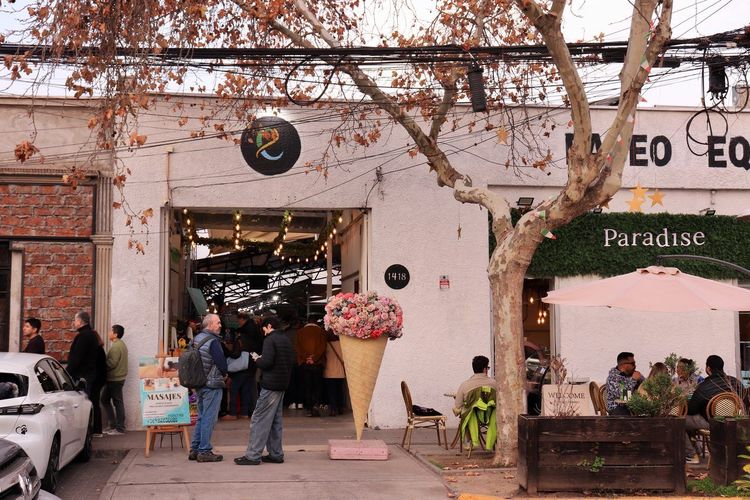
South of Providencia, Barrio Italia has become Santiago's answer to Brooklyn or Palermo: old houses converted into vintage furniture shops, independent cafés and small design studios, spread across a few calm residential streets. It rewards slow wandering more than a checklist. Further south still, neighborhoods like Ñuñoa have their own smaller food and nightlife scenes, worth knowing about if you're staying longer than three days, though they don't make this itinerary.
Day 1: Historic Santiago and Downtown Landmarks
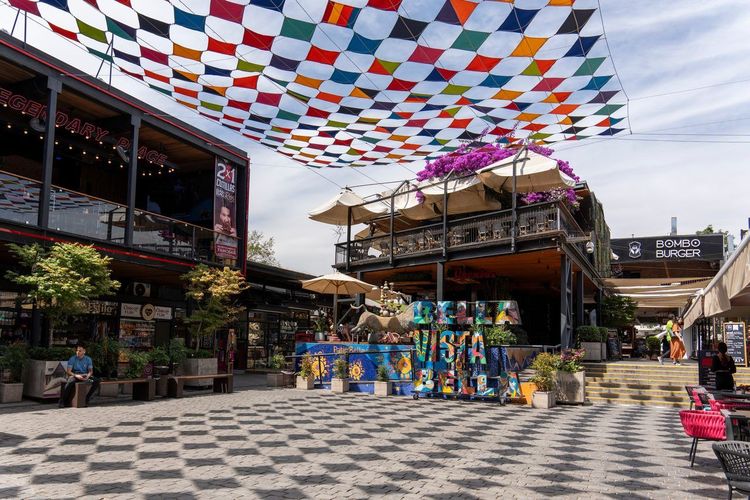
Day 1 keeps you within a roughly twenty-minute walking radius of Plaza de Armas), which means you can cover five centuries of history without burning through your morning on transit.
Morning: Historic Foundations
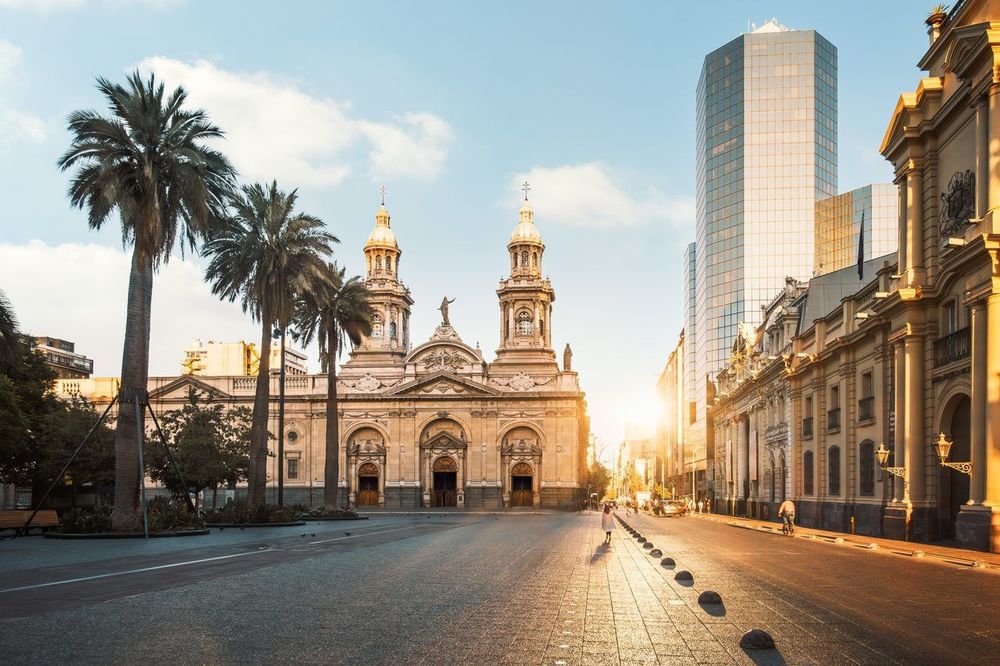
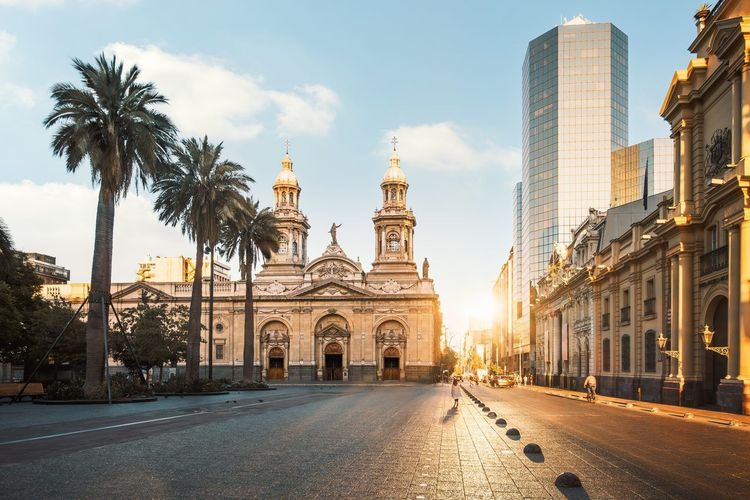
Start at Plaza de Armas, the square where the city was founded in 1541 and still the geographic and symbolic heart of Santiago. Look for the equestrian statue of Valdivia, then watch the chess players under the palms on the plaza's edge: they've been there longer than most of the souvenir stands.
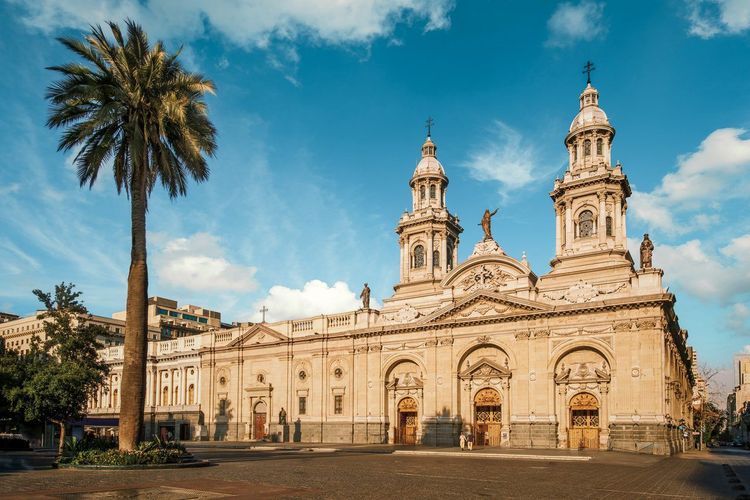
On the plaza's west side sits the Metropolitan Cathedral, a neoclassical building rebuilt several times after earthquakes and fires, with a quiet interior that feels several degrees cooler than the square outside.
On the north side, the Central Post Office occupies a 19th-century building with an ornate interior lobby that's worth stepping into even if you have nothing to mail. Next door, the Museo Histórico Nacional fills the old Royal Court building if you want a quick primer on Chilean history before the rest of the walk.
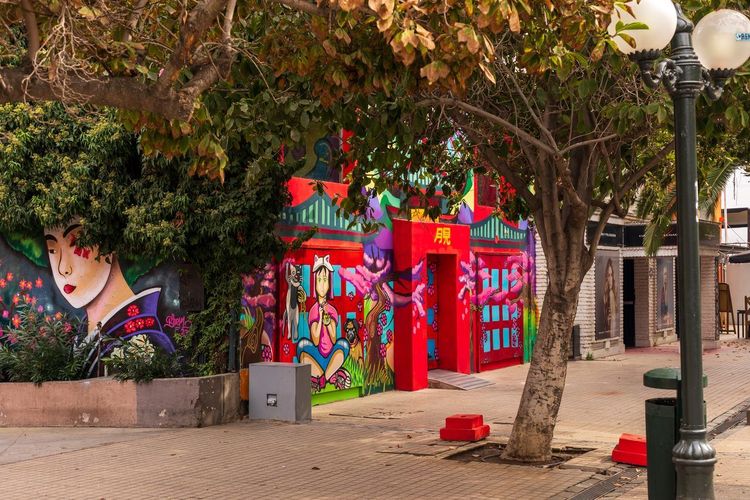
From there, follow Paseo Bandera, a pedestrian street painted in bright murals and geometric patterns, south toward the government district, passing the Former National Congress on the way. Ten minutes later you're at Palacio de La Moneda), Chile's presidential palace. The changing of the guard takes place at 10am every other day on Plaza de la Constitución (even dates in some months, odd dates in others, so check the calendar before you go), a brisk, formal ceremony with a mounted band that lasts around half an hour.
Beneath the square on the palace's south side, the Centro Cultural La Moneda hosts rotating exhibitions, a good air-conditioned break if you've timed this walk for a hot day. This whole stretch, from Plaza de Armas through Paseo Bandera to La Moneda and the old Paris-Londres streets nearby, is the opening leg of Ryo's audio route, with a short recording waiting at nearly every corner.
Afternoon: Historic Views & Markets
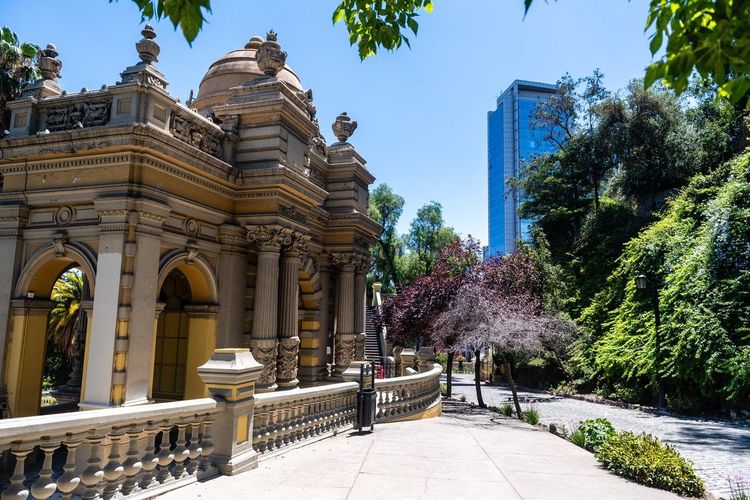
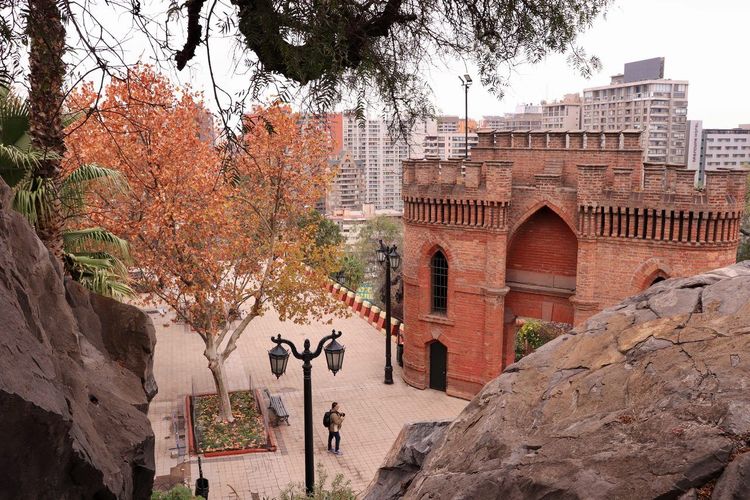
From La Moneda, head east along the Alameda and climb Cerro Santa Lucía), the rocky outcrop the Mapuche called Huelén and at whose foot Valdivia set up camp. In the 1870s, mayor Benjamín Vicuña Mackenna turned it into a public park with stone staircases, the Neptune Terrace fountain and a small fort-like lookout that gives you your first proper view over the historic center's rooftops.
It takes about fifteen minutes to climb, longer if you stop at the lookouts, and it's shaded enough to be bearable even in the middle of a summer afternoon.
Coming back down, walk northwest toward Mercado Central (Av. Ismael Valdés Vergara 900, Santiago, Chile, rated 4.2/5 on Google (50 945 avis)), a cast-iron market hall built in 1872 that's now equal parts working fish market and tourist-facing seafood restaurant row.
The restaurant stalls inside can run pricey for what you get, so if you're hungry rather than looking for a sit-down meal, step just outside the market and find a cart selling mote con huesillo, a cold drink of husked wheat and a whole dried peach stewed in caramelized syrup. It sounds strange on paper and tastes better than it sounds, and you'll see Santiago office workers drinking it standing up on a hot afternoon, which tells you everything about how local it actually is.
Evening: Bellavista for Dinner and a Walk
Cross the Mapocho river into Bellavista for dinner. If you arrive before closing time, La Chascona, the house Pablo Neruda built for Matilde Urrutia on the slope of the hill, is worth an hour: the rooms are shaped like a ship's cabins and full of the poet's oddball collections. The neighborhood's main strip, Pío Nono, gets touristy and a little rowdy after dark, but one block off it you'll find calmer restaurants serving Chilean classics alongside newer fusion spots. Look up and you'll see the illuminated base of Cerro San Cristóbal, a preview of tomorrow's climb.
Day 2: Barrio Italia, Providencia and Panoramic Views
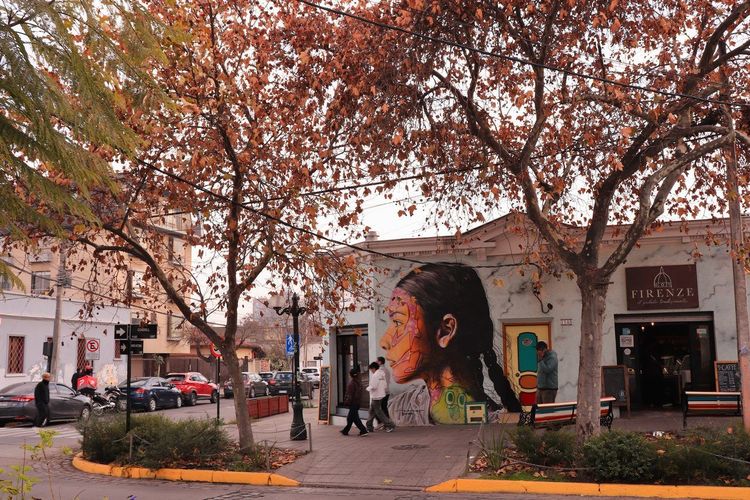
Day 2 trades flat colonial streets for altitude and a slower, browsier pace, built around a hill climb and two neighborhoods made for wandering without a fixed agenda.
Barrio Italia and Barrio Lastarria Markets
Start the morning in Barrio Italia, ideally on a Saturday when its antique dealers and vintage furniture shops open their doors properly. Wander the side streets off Avenida Italia rather than the main road itself; that's where most of the small studios and cafés actually sit. If your timing lines up with a weekend, swing through Barrio Lastarria too, where a smaller antiques and crafts market sets up around Plaza Mulato Gil de Castro. Both neighborhoods reward browsing over buying: even if you don't purchase anything, the people-watching alone is worth the detour.
San Cristóbal Hill and the Funicular
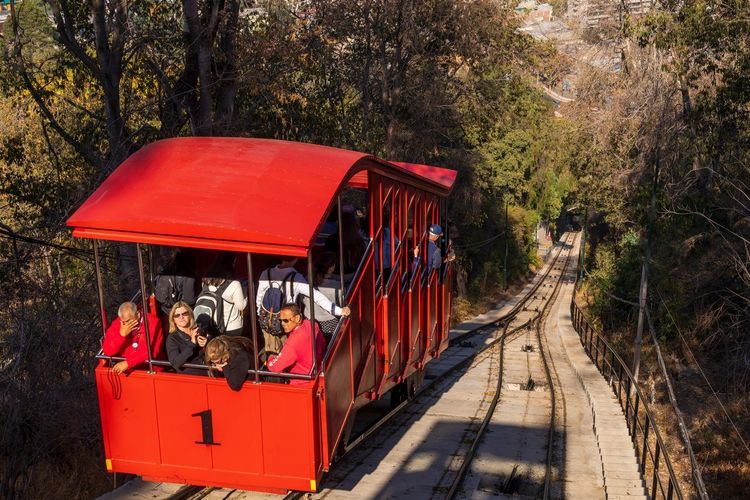
Mid-morning, head to the base of Cerro San Cristóbal at the end of Pío Nono and take the funicular to the top. It's a short, steep ride, about four minutes, up a hill that was quarried for stone before being turned into the Parque Metropolitano, one of the largest urban parks in Latin America.
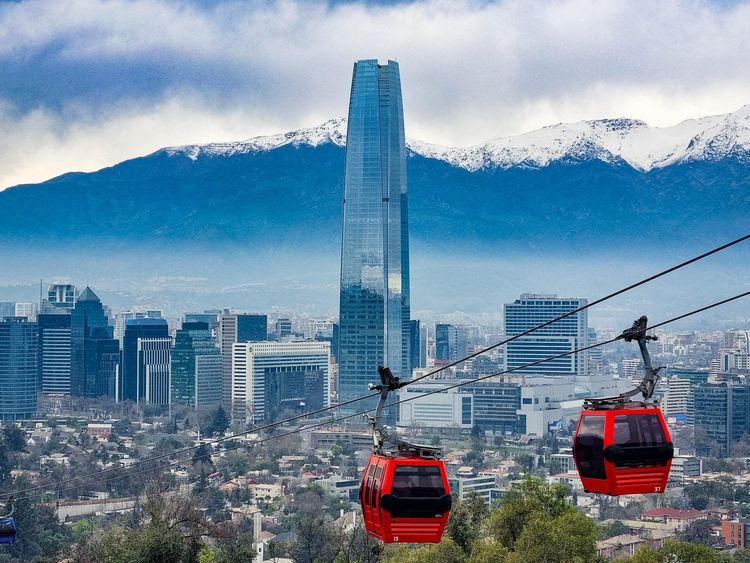
At the summit, a 14-meter statue of the Virgin Mary watches over the city, and on a clear day the Andes stack up behind the skyline in a way that photographs never quite capture. Try to time this for late afternoon if the forecast allows, because the mountains tend to go pink and orange in the hour before sunset, a detail most visitors on a tight morning schedule miss entirely. If you'd rather not ride back the way you came, the cable car (teleférico) runs across the park toward the Providencia side, which drops you conveniently close to this afternoon's next stop. Give yourself at least ninety minutes up here between the viewpoints, the small chapel and the walk back down. Cerro San Cristóbal is also one of the stops on Ryo's audio-guided tour of Santiago, which pairs the climb with stories from Bellavista and La Chascona at its foot, handy for pacing a day that's more uphill than Day 1.
Providencia and Costanera Center
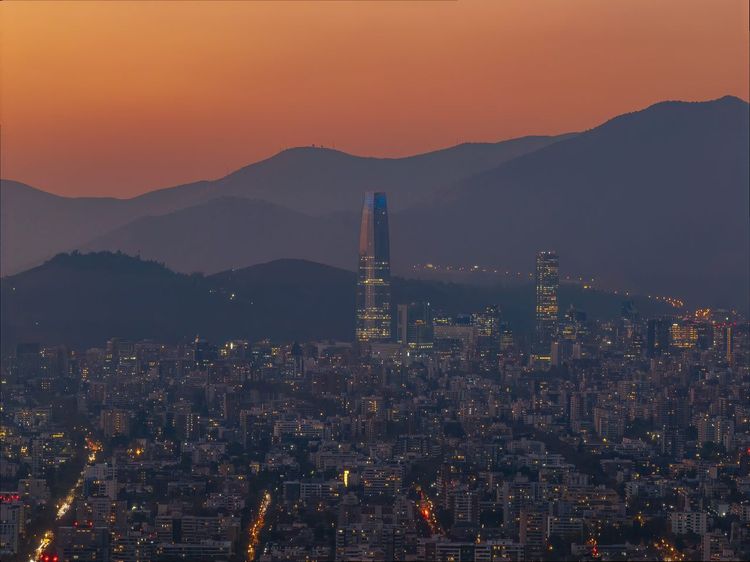
From the hill, cross into Providencia for the late afternoon. If you want shopping, air conditioning or just a change of scenery, Costanera Center) is anchored by the Gran Torre Santiago, at 300 meters South America's tallest building. The mall sits at its base, and the Sky Costanera observation deck occupies floors 61 and 62, with a glass-enclosed level and an open-air one above it: go about an hour before sunset and you'll catch the city in daylight and lit up on the same ticket.
For dinner, consider Mercado Urbano Tobalaba (MUT) (Av. Apoquindo 2730, Las Condes, Santiago, Chile, rated 4.7/5 on Google (8 087 avis)), a food-hall-style complex right by Tobalaba metro station with a dozen-plus stalls ranging from sushi to Peruvian ceviche to craft beer, a useful option if your group can't agree on one cuisine.
Day 3: Markets, Museums and Modern History
Your last full day shifts from postcard views to the city's working-class markets and its most emotionally demanding museum, balanced by a lighter evening.
La Vega Central Market and a Local Breakfast
Get to La Vega Central Market) early, ideally before 9am, when the produce stalls are freshest and the crowd is mostly locals doing their weekly shopping rather than tourists.
It's grittier and far less polished than Mercado Central across the river, which is exactly its appeal: stalls selling everything from Peruvian spices to fresh cheese to plastic buckets, and a handful of tiny breakfast counters inside serving coffee and fresh bread for a fraction of what you'd pay in Lastarria. Ask for a slice of whatever fruit is in season (chirimoya in winter, cherries around December) and you'll often get a taste before you buy. Budget at least an hour here, longer if you like getting lost in produce markets.
Museo de la Memoria and Quinta Normal
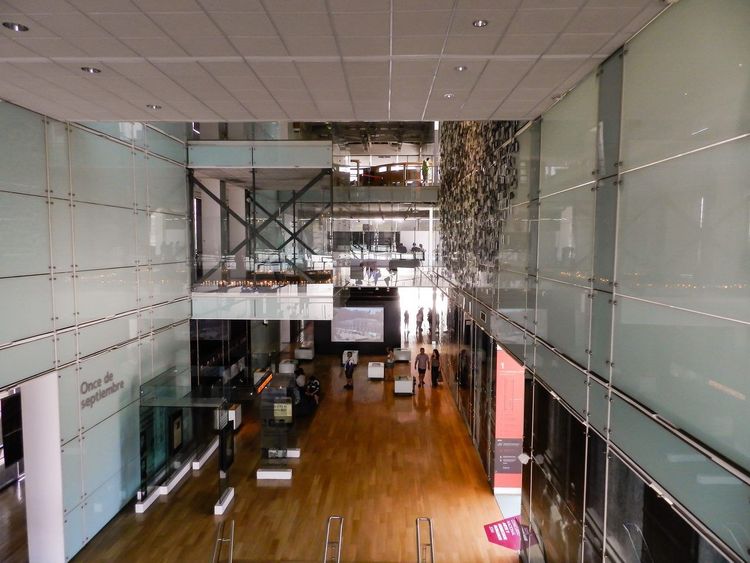
In the early afternoon, take the metro to Quinta Normal station for the Museo de la Memoria y los Derechos Humanos), a museum documenting human rights violations during Chile's 1973-1990 military dictatorship.
It's not a light visit: plan on ninety minutes minimum, and go in expecting a sober, text-heavy exhibition rather than a quick scroll. Afterward, cross the street into Quinta Normal, a large 19th-century park with a lake, the Museo Nacional de Historia Natural and enough shade to decompress after the memory museum. Families picnic here on weekends, and it's one of the few green spaces in central Santiago large enough to actually feel like a park rather than a plaza.
Modern Art and a Final Dinner with a View
Late afternoon, head back east to Parque Forestal and choose between the Museo de Bellas Artes (Parque Forestal, Santiago, Chile, rated 4.6/5 on Google (17 160 avis)), a Beaux-Arts palace opened in 1910 for the centenary of independence, with Chilean and European painting under a glass dome, and the MAC (Museo de Arte Contemporáneo), which shares the same building from the back and leans into installation and video work by Chilean artists.
Because both sit under one roof, you can poke your head into whichever one matches your mood rather than committing to both. The Fine Arts Museum and the riverside strip of Parque Forestal are among the stops on Ryo's audio route, so if you skipped them on Day 1 you can pick up the recordings here and hear how the building was meant to rival European museums of its era. For your final dinner, aim for a rooftop or high-floor restaurant in Providencia or Las Condes, something you haven't already done on Day 1 or Day 2, so the trip ends on a different skyline than the one you started with.
Hidden Santiago: What Most Tourists Miss
Every guide to this city repeats the same five landmarks. Here's what locals actually do on a free Saturday, and most visitors never hear about any of it.
Sunrise and Sunset Viewpoints Locals Love
Most tourists ride the Cerro San Cristóbal funicular at a leisurely mid-morning hour and miss both ends of the day. Locals who live near Bellavista sometimes hike up before sunrise, when the climb is cool and the city below is still quiet, long before the souvenir carts open. The sunset version is more crowded but still far less so than you'd expect for a view this good, and the color show over the Andes changes by the week depending on snowpack and air clarity. For a lower-effort alternative, the Neptune Terrace on Cerro Santa Lucía catches the evening light over downtown with a fraction of the crowd.
Weekend Markets and Wine Bars in Lastarria
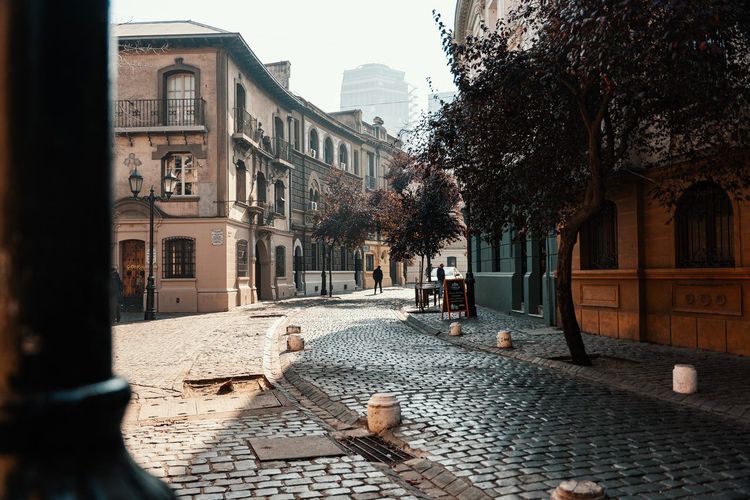
Beyond the small antiques stalls already mentioned on Day 2, Lastarria has quietly become one of Santiago's better wine-bar neighborhoods, with several small, unpretentious spots pouring Chilean wines by the glass at prices well below what you'd pay in a hotel bar. Ask for a Carmenère, the grape Chile rediscovered in its vineyards in the 1990s after it had nearly vanished from Bordeaux. For something rougher around the edges, Persa Bío Bío (Av. Franklin, Santiago, Chile, rated 4.3/5 on Google (4 590 avis)), a sprawling weekend flea market near the Franklin neighborhood, sells everything from secondhand clothes to vintage tools to odd curiosities, and it's where a lot of Santiago's younger, design-minded crowd actually shops.
Cementerio General and the Telefónica Building
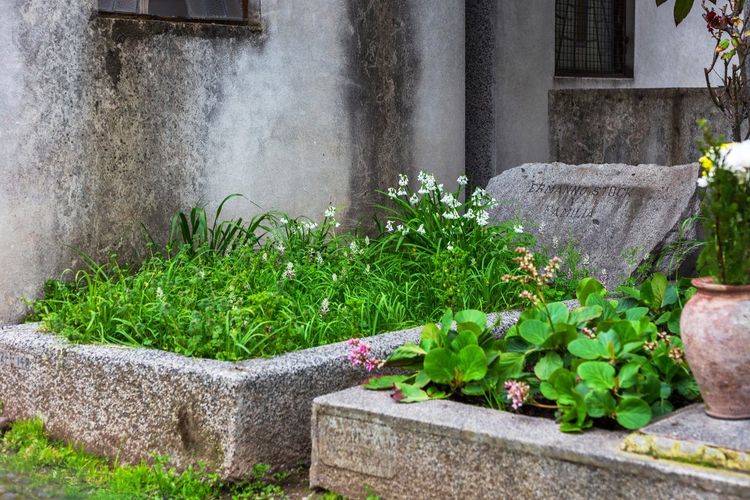
The Cementerio General, one of the largest cemeteries in Latin America, sounds like an odd stop until you walk its grand avenues lined with elaborate mausoleums belonging to former presidents and historic Chilean families.
It's free, rarely crowded and beautiful in a melancholic way; Salvador Allende's tomb and the memorial to the disappeared are the two stops most Chileans would point you toward. Back near the center, keep an eye out for the Telefónica Building at Plaza Baquedano, a 34-floor tower from the 1990s shaped like an old mobile phone, best photographed from the Parque Forestal end of the plaza. Several of the overlooked corners of downtown, like the Paris-Londres streets and the Neptune Terrace, are woven into Ryo's audio route too, each with a short local story recorded on site, the kind of detail a rushed guidebook rarely has room for.
Optional Day Trips from Santiago
If you're willing to trade one of your three city days for a trip outside Santiago, here are the three that locals actually recommend, rather than mandatory additions to the core itinerary above.
Valparaíso and Viña del Mar
Valparaíso), roughly ninety minutes to two hours west by bus, is Chile's chaotic, colorful port city, a UNESCO World Heritage Site since 2003 and famous for its street art and old ascensores (funiculars) climbing steep hillsides.
Spend the morning wandering Cerro Alegre and Cerro Concepción, the two hills with the densest concentration of murals and boutique cafés, then head about fifteen to twenty minutes north to Viña del Mar) for a beach lunch and the flower clock that tourists photograph more than anything else in the city.
This trip works best as a full day; trying to squeeze it into an afternoon means you'll spend more time on the bus than in either city.
Casablanca and Maipo Valley Wine Country
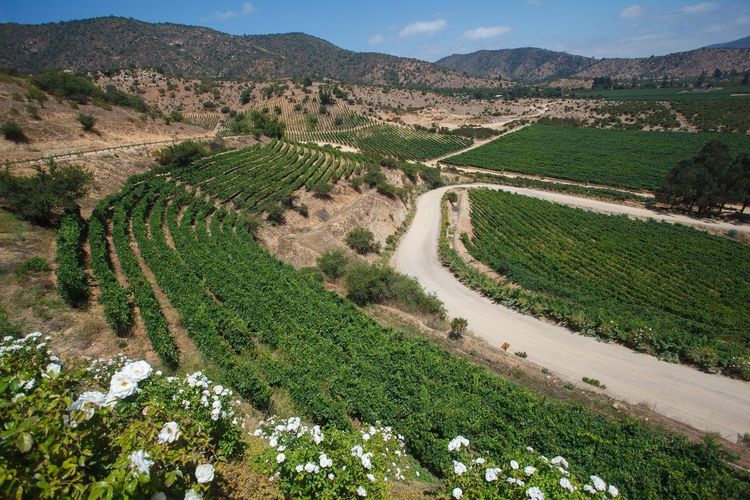
Santiago sits within an hour of two major wine regions. Casablanca Valley, cooler and closer to the coast, is known for crisp whites, with wineries like Viñamar de Casablanca, Viña William Cole and Casas del Bosque) all offering tastings and tours, conveniently placed on the road to Valparaíso if you want to combine both.
Maipo Valley, south of the city, leans red, particularly Cabernet Sauvignon, and several estates there run shorter tours if you're tight on time; some, like Concha y Toro in Pirque, are reachable by metro plus a short taxi ride. Either valley makes for a relaxed half-day or full-day trip depending on how many tastings you want to fit in.
Cajón del Maipo and the Andes
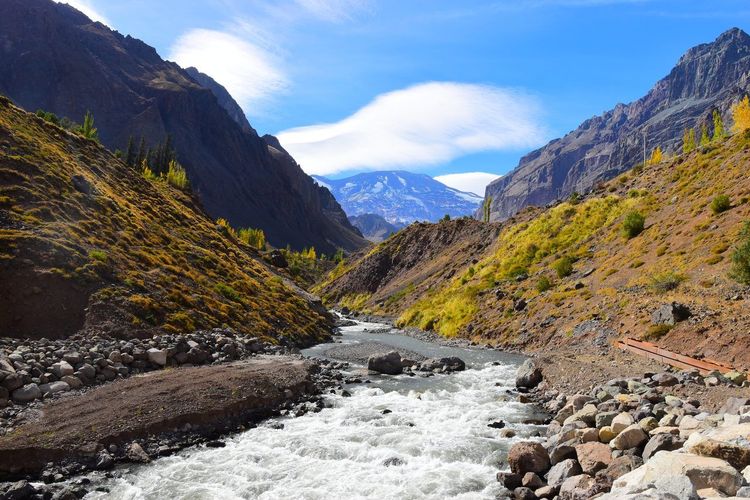
For mountain scenery without the altitude commitment of a ski trip, Cajón del Maipo (San José de Maipo, Chile, rated 4.8/5 on Google (4 117 avis)) is a canyon about an hour southeast of the city, dotted with small towns, hiking trails and hot springs.
In winter, the small Lagunillas ski area sits above San José de Maipo, while the bigger resorts like Valle Nevado are reached by a separate road through Farellones. It's the least touristy of the three day trips here, mostly visited by Santiago residents on weekends rather than international travelers, which is reason enough to consider it if you've already done a city break with a crowded itinerary before.
Santiago Food Guide: What (and Where) to Eat
Chilean food doesn't get the international attention Peruvian or Mexican cuisine does, but three days of eating well in Santiago will change your mind.
Classic Chilean Dishes and Street Food
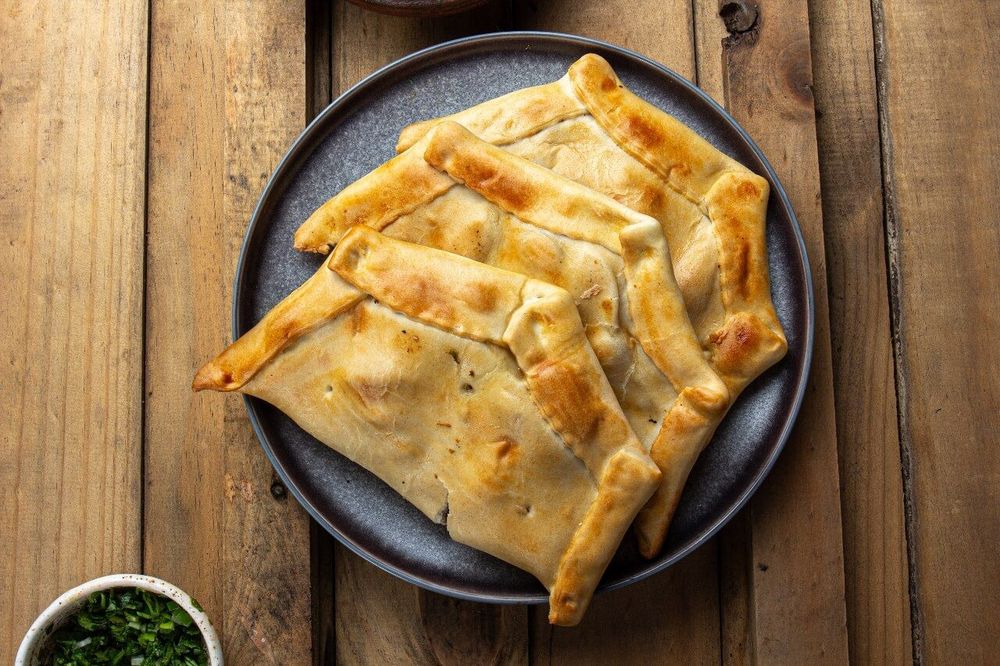
Start your mornings the way locals do, with a simple Chilean breakfast of marraqueta bread, mashed avocado and coffee, rather than hunting for an elaborate brunch spot. For street food, look for empanadas de pino, baked pockets filled with minced beef, onion, olive and hard-boiled egg, sold at bakeries throughout the city. The completo, a hot dog buried under avocado, tomato and mayonnaise, is the city's unofficial lunch. And don't skip mote con huesillo a second time if you liked it on Day 1; vendors selling it from carts near parks and markets are a local habit, not a tourist prop.
Seafood and Modern Chilean Cuisine

Given Chile's enormous coastline, seafood here is excellent and affordable by international standards: think machas (razor clams), sea urchin and congrio, a firm eel-like fish that shows up in the classic caldillo de congrio soup Neruda wrote an ode to. For something more ambitious, Santiago's modern Chilean cuisine scene has grown fast over the past decade, with chefs reworking native ingredients into tasting menus in Vitacura and Las Condes. If you only try one upscale meal, make it here rather than at a generic international restaurant; the local ingredients outshine the imported ones. Our guide to Santiago's top culinary specialties goes deeper into specific dishes worth seeking out if three days of eating well isn't enough for you.
Best Markets for Food Lovers
For lunch, Mercado Central and La Vega both work, though La Vega is cheaper and less touristy. For dinner options, Bellavista and Barrio Italia offer the widest range, from traditional Chilean grills to newer fusion spots. And if you want lunch with a view, several rooftop restaurants in Providencia and Las Condes serve a set lunch menu (menú del día) at midday, a far better value than the same restaurant's dinner menu.
Where to Stay in Santiago: Best Neighborhoods and Hotels
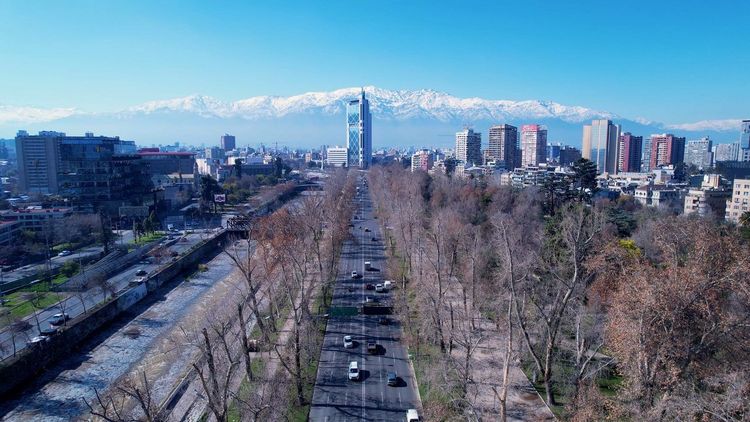
Where you base yourself changes how much walking Day 1 and Day 2 require, so it's worth matching your neighborhood to your travel style.
Lastarria and El Centro for First-Time Visitors
If this is your first trip and you want to walk to most of Day 1 without relying on taxis, Lastarria or El Centro put you within fifteen minutes of Plaza de Armas, Cerro Santa Lucía and Mercado Central. Expect a mix of boutique hotels and well-reviewed guesthouses, generally at a lower price point than Providencia or Las Condes. Lastarria is the calmer of the two at night.
Providencia and Bellavista for Nightlife
Travelers who want a livelier evening scene without sacrificing too much central location should look at Providencia, which sits roughly halfway between downtown and the eastern business districts on metro Line 1, or Bellavista itself, if you don't mind some weekend noise in exchange for being steps from the restaurant strip and the funicular.
Las Condes and Vitacura for Luxury
For a quieter, more polished stay, Las Condes and Vitacura hold most of Santiago's international luxury hotel brands, along with the city's highest concentration of fine dining. The tradeoff is distance: you'll need a twenty- to thirty-minute rideshare or metro ride into the historic center most mornings, so factor that into your Day 1 and Day 3 timing if you book out here.
Getting Around Santiago
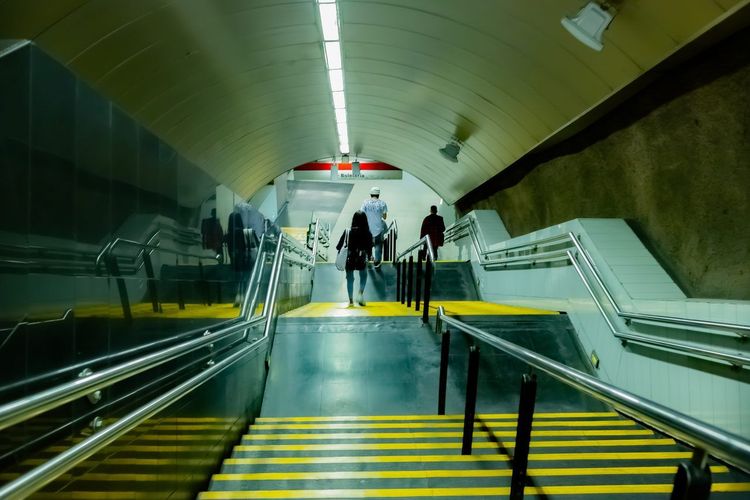
Santiago's public transport is good enough that renting a car rarely makes sense for a three-day trip focused on the city itself.
Metro, Buses and Rideshare Apps
The Santiago Metro is clean, frequent and covers most of the areas in this itinerary: Line 1 alone runs under the Alameda from Estación Central past La Moneda, Santa Lucía, Baquedano, Providencia and Tobalaba to Las Condes. You'll need a rechargeable Bip! card, sold at station ticket windows, and the same card works on the red city buses, which fill the gaps but can be confusing without a transit app like Moovit. Fares are slightly higher at rush hour, another reason to travel mid-morning. Uber and Cabify both operate widely and tend to be the easiest option late at night or when you're carrying luggage between hotel stays.
Walking, Cycling and the Funicular
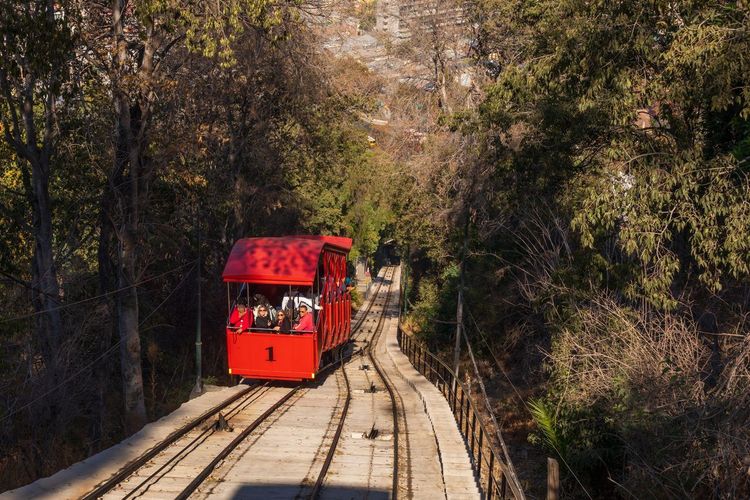
Much of Days 1 and 3 is walkable, and Santiago's flat historic grid makes it one of the easier Latin American capitals to cover on foot. Cycling is also popular, with a city bike-share system and dedicated lanes along several main avenues, including the riverside path along Parque Forestal. The funicular up Cerro San Cristóbal is its own small transit experience, worth treating as a destination rather than just a means of getting up the hill. If you'd rather not plan every transfer, the Ryo app works as a hands-free companion: start the 3h15 loop at Plaza de Armas and it narrates the route as you move, so you're not stopping every few blocks to check a map.
Best Time to Visit Santiago
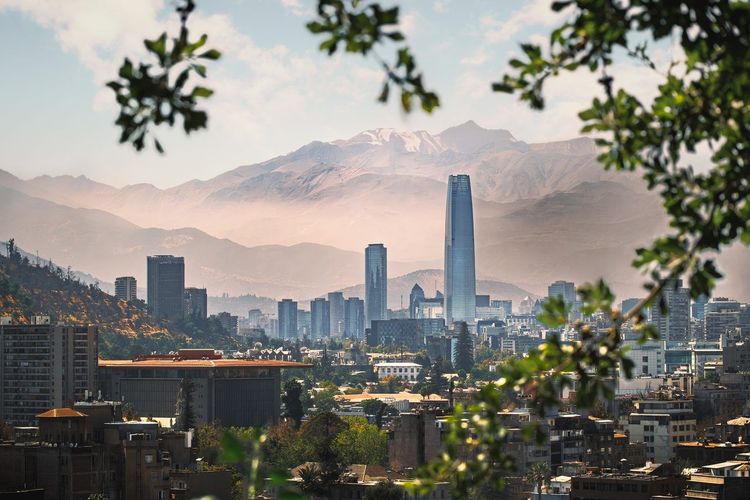
Santiago sits in the Southern Hemisphere, so its seasons run opposite to North America and Europe. Spring (September to November) and fall (March to May) bring mild temperatures and clear Andes views, generally the best windows for walking-heavy itineraries like this one. Summer (December to February) gets hot and dry, with afternoons regularly near 30°C, fine for the city but less comfortable for long walks without breaks; many locals also leave for the coast in February, so some restaurants close for holidays. Winter (June to August) is cooler and occasionally smoggy, though rain clears the air and dusts the Andes with snow, which is when the ski resorts above the city open. Three days works well in almost any season here because the itinerary mixes indoor museums, market mornings and hill climbs, so a rainy afternoon in winter or a scorching one in summer rarely derails the whole plan.
Safety, Budget and What to Pack
A little preparation goes a long way toward making these three days run smoothly.
Safety Tips for Tourists
Santiago is generally safe for tourists by regional standards, though like any big city it has pickpocketing risk in crowded areas like Mercado Central, the metro during rush hour and Plaza de Armas. Keep bags zipped and in front of you in crowds, avoid flashing phones or cameras unnecessarily, and be more cautious after dark in Bellavista and around Estación Central, which has a rougher reputation than the neighborhoods covered in this itinerary.
Budget and What to Pack
Santiago is moderately priced by South American standards: expect to spend less on meals and transit than in many European capitals but more than in much of Peru or Bolivia. A menú del día lunch, metro rides and the many free sights (Plaza de Armas, Cerro Santa Lucía, the Museum of Memory, the Cementerio General) keep daily costs reasonable, while Sky Costanera and wine tastings are where the budget stretches. Pack layers no matter the season, since mornings and evenings run cooler than midday even in summer, plus sunscreen for the hill climbs, and comfortable walking shoes matter more here than almost anywhere, given how much of Days 1 through 3 happens on foot.



FAQ
Is 3 days enough to see Santiago?
Yes, for most travelers. Three days covers the historic center, one hill-and-market day, and a museum-and-market day, which hits the highlights without feeling rushed. You'll miss some smaller neighborhoods and most day-trip options unless you swap one city day for an excursion.
Is Santiago safe for tourists?
Generally yes. Petty theft in crowded tourist areas is the main risk, not violent crime. Standard precautions, watching your bags in markets and on the metro, avoiding poorly lit streets late at night, cover most of what you need.
What is the best way to get around Santiago in 3 days?
A mix of the metro, walking and occasional rideshares covers this itinerary well. The historic center and Lastarria are walkable from each other; metro Line 1 connects downtown, Providencia and Las Condes efficiently.
Should I add a day trip to Valparaíso to this itinerary?
Only if you're willing to swap out one of the three city days described above. Valparaíso and Viña del Mar need a full day to do properly, so bolting it onto an already packed Day 2 or Day 3 usually means rushing both the city and the coast.
What is the best time of year to visit Santiago?
Spring (September-November) and fall (March-May) offer the mildest weather and clearest Andes views. Summer is hot but manageable; winter is cooler and occasionally smoggy but opens up nearby ski access.
Do I need to rent a car in Santiago?
No. The metro, walking and rideshare apps cover everything in this three-day itinerary, and Santiago traffic plus parking make a rental car more of a hassle than a help unless you're planning an extended road trip beyond the day trips listed here.
Three days in Santiago won't show you everything, no city this size fits neatly into a long weekend, but it's enough to walk away understanding why the city rewards patience over checklist tourism. You'll have climbed a hill for Andes views, eaten a snack most tourists never discover, and stood in a museum that asks more of you than a souvenir photo. If you want a hands-free way to retrace the historic-center stretch of this route, or to catch a few of the stops this guide only had room to mention briefly, Ryo's audio-guided tour of Santiago walks alongside exactly this itinerary, one stop at a time.