© Shutterstock
 Votre guide Ryo
Things to Do in Mulhouse in 2026: 14 Spots from the Historic Center to the Great Museums
What to do in Mulhouse with just one day, a rainy weekend, or a craving for fresh air? The city is unlike any other Alsatian town: no Gothic cathedral, no half-timbered canals around every corner, but a former textile capital that made its fortune in printed cotton and kept the traces of that prosperity in its villas, its converted industrial buildings, and its extraordinary technical museums. To get a feel for the historic center from your very first steps, our Ryo walking tour through Mulhouse starts right at place de la Réunion, at the foot of Temple Saint-Étienne.
You will find curiosities found nowhere else in France: the world's largest collection of Bugattis, assembled in secret by two industrial brothers; a 60,000 m² railway museum; a social housing district designed by world-renowned architects; and a zoo founded in 1868 that is home to polar bears. From heritage visits and excursions to the Écomusée d'Alsace to great spots for an evening with friends or a romantic night out, here is everything you need to fill several days without going around in circles.
1. Temple Saint-Étienne and Place de la Réunion
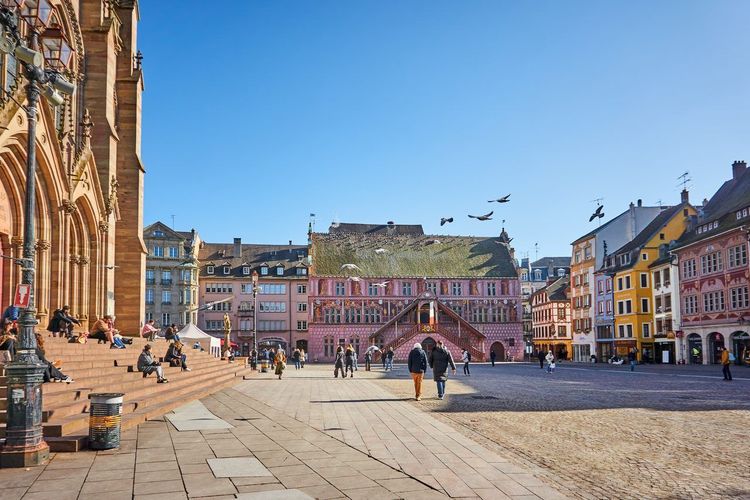
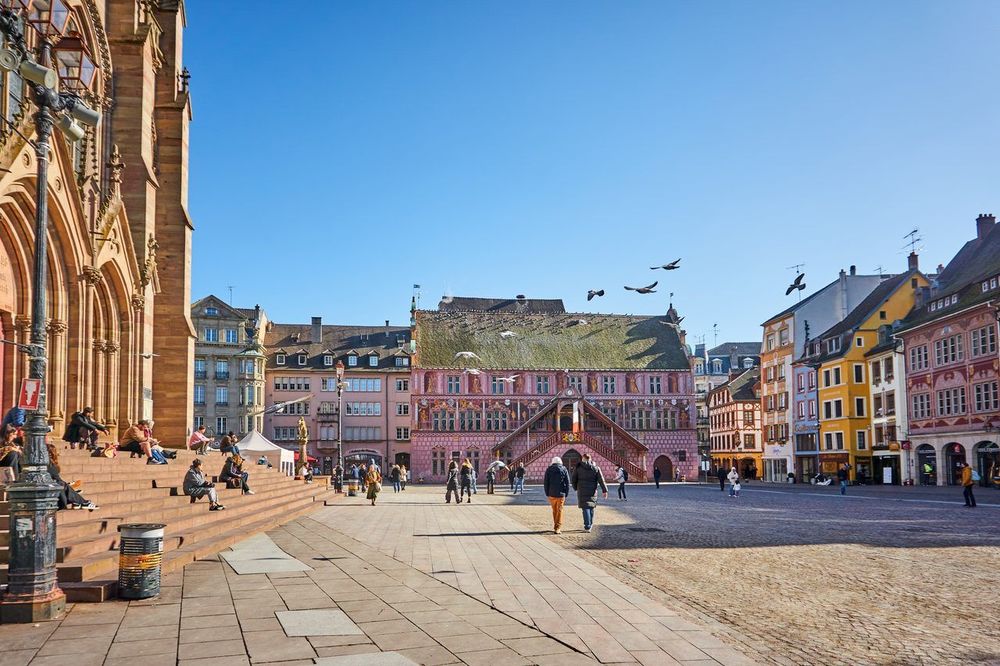
Place de la Réunion has been the heart of Mulhouse since the Middle Ages, when the city was a small independent republic allied with the Swiss cantons. This is where Temple Saint-Étienne stands (Place de la Réunion, 68100 Mulhouse, rated 4.4/5 on Google based on 1,692 reviews), built between 1859 and 1866 in a neo-Gothic style that contrasts sharply with the surrounding Renaissance façades. Its 97-metre spire makes it the tallest Protestant bell tower in France.
Inside, take a moment to look up at the 14th-century stained-glass windows salvaged from the demolished medieval church: you can make out David slaying Goliath and the Tower of Babel, among others. The Walcker organ, installed at the inauguration in 1866 and enlarged in 1953, still sounds during occasional concerts.
Around the square, the Renaissance Hôtel de Ville, entirely painted in trompe-l'œil, recalls Mulhouse's former status as a city-state, which only joined France in 1798. It houses the Historical Museum, which is free to enter — ideal for understanding the city's history before venturing further. You can then stroll around the square, where several terraces open up as soon as the weather turns fine. The Ryo account dedicated to the history of Mulhouse details how this square lived through the Swiss alliance, the union with France, and the industrial boom — a great companion for those who like to understand what they are looking at rather than simply photographing it.
A few minutes' walk away, the Fine Arts Museum, housed in a former bourgeois villa, displays old paintings and 19th-century Alsatian works, also with free admission. Together with the Historical Museum, it makes a perfect pair for a rainy morning without spending a penny.
2. The Rebberg and Its Belle Époque Industrial Villas
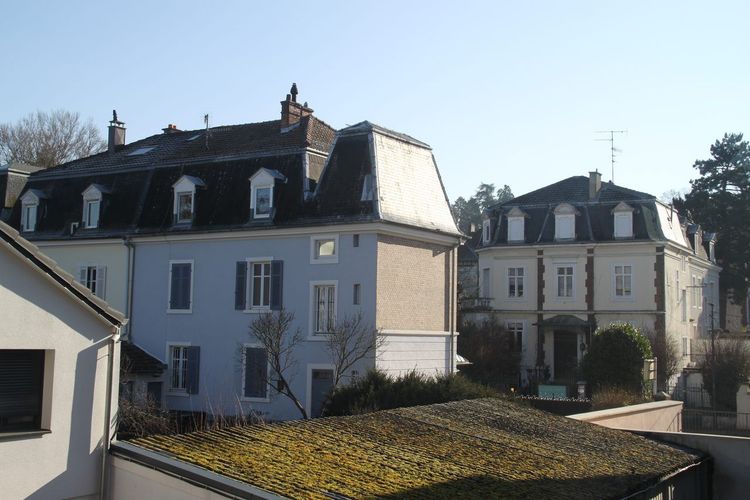
Climbing up to the Rebberg means stepping into a completely different atmosphere. This residential neighbourhood clinging to the hillside south of the station was covered, during the 19th and early 20th centuries, with the mansions of Mulhouse's great industrial families — the Dollfus, Koechlin, and Schlumberger clans — who built their fortunes in textiles and engineering. The villas blend neo-Alsatian half-timbering, English-inspired turrets, and tree-filled gardens hidden behind high walls.
The walk is naturally done on foot, following the winding streets that climb from the station district. Allow about 45 minutes for a loop if you take the time to notice the details: ornamental ironwork at the entrances, coloured glass canopies, sculpted pediments. The Rebberg is also home to the zoological and botanical park, making it easy to combine both visits in a single half-day.
The guided tour of the lower Rebberg, the industrialists' quarter, offered periodically by the tourist office, recounts the discreet rivalries between the great families and the social organisation of the paternalistic city. Book in advance: group sizes are limited. To prepare your walk, our Mulhouse walking itinerary places these villas within a broader on-foot discovery of the city.
3. The Colorful Staircases of the Cité Manifeste
At the opposite end of the Rebberg, both literally and figuratively, the Cité Manifeste (Rue des Sept Arpents, 68200 Mulhouse) is a social housing complex inaugurated in 2005 in the Cité district, to the northwest of the center. The project brought together several architectural teams, including Jean Nouvel, Lacaton & Vassal, and Shigeru Ban, tasked with reinventing workers' housing just steps from the historic 19th-century workers' city.
Modular volumes, greenhouses, sheet-metal or brightly painted façades: the colorful outdoor staircases and walkways have become a prized spot for fans of contemporary architecture. Come in the late afternoon, when the raking light brings out the flat expanses of color. Just keep in mind that these are occupied homes: photograph from the street and do not enter private areas.
The neighbourhood lends itself well to a small loop devoted to street art, which the tourist office highlights as one of the city's attractions: several large murals punctuate the façades between the Cité and the center, a free and ever-changing trail as new works are created.
4. The Tour de l'Europe and the Heights of the Grand Ballon
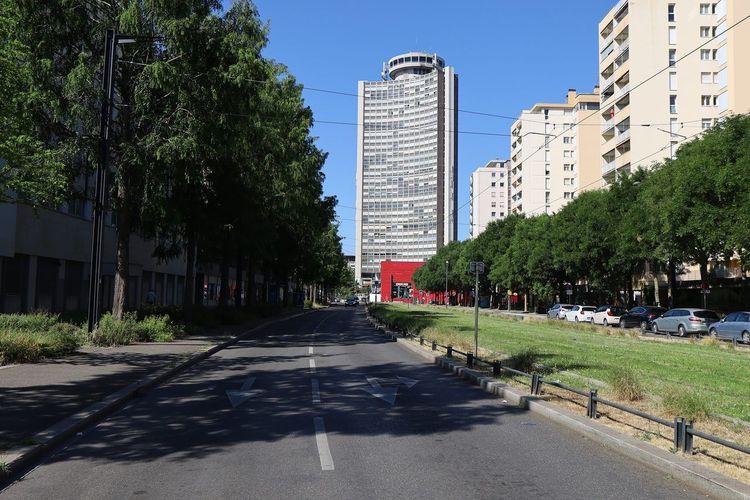
The Tour de l'Europe, 100 metres of concrete (112 metres with the antenna) erected between 1969 and 1972, remains the most recognisable silhouette in Mulhouse. To be clear: its panoramic terrace on the 29th floor has been closed to the public since the mid-1980s, and the revolving restaurant at the top has not reopened since 2018. The residential building is currently undergoing renovation works. It is therefore best admired from below, from the Porte Jeune and the boulevard de l'Europe.
For a proper panorama, head to the Grand Ballon (Route des Crêtes, 68760 Willer-sur-Thur, rated 4.7/5 on Google based on 1,977 reviews), the highest point in the Vosges at 1,424 metres, less than an hour's drive west of Mulhouse. On a clear day, the view stretches across the Alsace plain all the way to the Black Forest and, on exceptional days, to the Alps.
Our tips for great photos: go up early in the morning or late in the afternoon for light that sculpts the relief; avoid midday when summer heat haze blurs the distance; and aim for the days after rain, which are often the clearest. In autumn and winter, the seas of cloud that drown the plain make for the most stunning images.
5. The Nouveau Bassin, Parc Salvator, and the City's Gardens
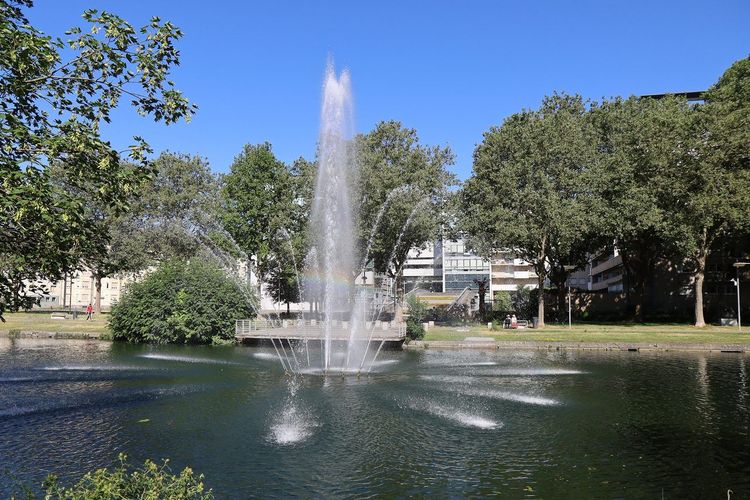
The Nouveau Bassin, a former port developed in the 19th century on the Rhine–Rhône canal, now offers a free waterside promenade dotted with artworks and landscaped features. The spot serves mainly as a green pause between visits: benches, children's play areas, and views of the old industrial buildings.
For a real dose of greenery, opt instead for parc Salvator, a large English-style garden close to the center that Mulhouse locals love for a Sunday picnic or afternoon nap. And if you enjoy plants, save some time for the zoo's botanical garden, awarded the Jardin remarquable label, which brings together around 3,500 plant varieties on the slopes of the Rebberg.
Market lovers should not miss the Canal Couvert market, one of the largest in eastern France, where Alsatian producers and stalls from across the Mediterranean rub shoulders. Come on Saturday morning for the liveliest atmosphere: Munster cheeses, pretzels, spices, and dried fruits change hands amid a joyful multilingual hubbub — one of the best reflections of Mulhouse today. The perfect ingredients for a picnic in parc Salvator or along the banks of the Nouveau Bassin.
6. Converted Industrial Sites: DMC, la Fonderie, and Motoco
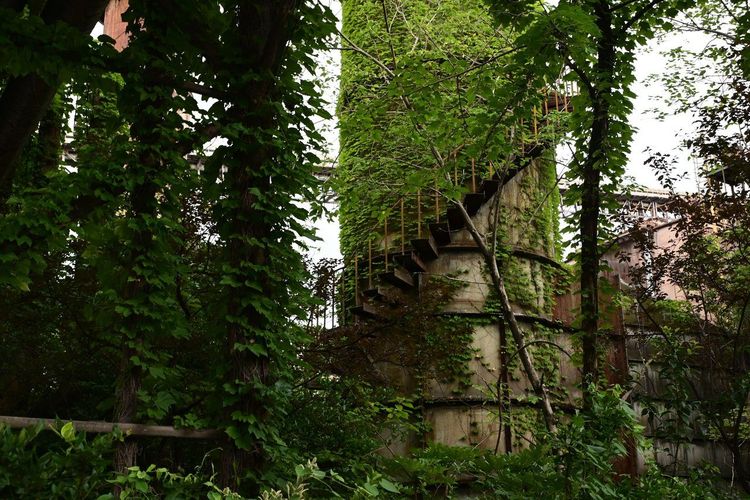
The conversion of former factories into spaces for education, culture, and creativity tells Mulhouse's identity better than any monument. If you want to go off the beaten track, this is where it happens.
La Fonderie and the DMC District
The company DMC (Dollfus-Mieg et Compagnie), founded in 1746, was long one of Europe's textile giants. Its vast site of more than 70 hectares, largely decommissioned, is now the subject of a major urban transformation project.
A few streets away, la Fonderie is not a former DMC building but the old factory of the SACM — the Société alsacienne de constructions mécaniques — which grew out of the company founded by André Koechlin in 1826. Renovated in 2007, this industrial "cathedral" now houses the Faculty of Economics, Social Sciences and Law of the University of Haute-Alsace, the Municipal Archives, and the Kunsthalle, a contemporary art center with free admission.
Brickwork, covered interior streets, and workshop volumes give the place a singular atmosphere. An exhibition at the Kunsthalle is, in fact, the best excuse to discover the building from the inside.
Motoco, the Artists' Factory
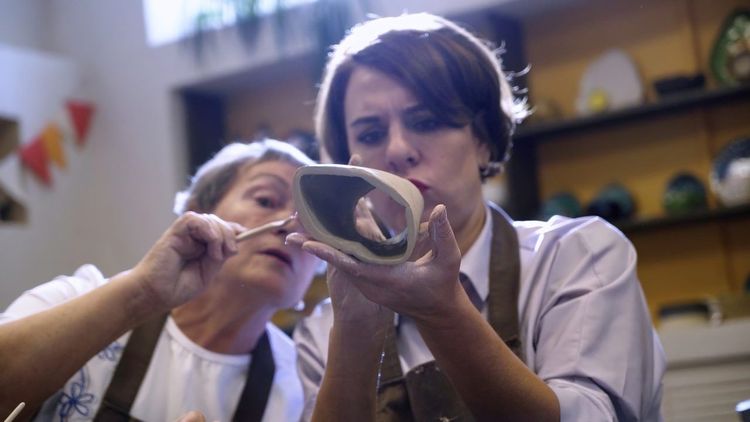
On the DMC site, in building 75, Motoco (Rue de la Fonderie, 68200 Mulhouse, rated 4.5/5 on Google based on 757 reviews) brings together around 140 artists and craftspeople across 8,500 m² spread over three floors. Painters, ceramicists, designers, and musicians work here daily, and the venue organises around a hundred events a year: open days, exhibitions, concerts, and makers' markets.
On open days, you can usually eat on site, and la Gargote de Motoco, its convivial canteen, attracts artists and curious Mulhousiens alike. Check the programme before you visit: the studios are not permanently open to the public.
7. Mulhouse's Great Museums: Cité de l'Automobile, Cité du Train, and Electropolis
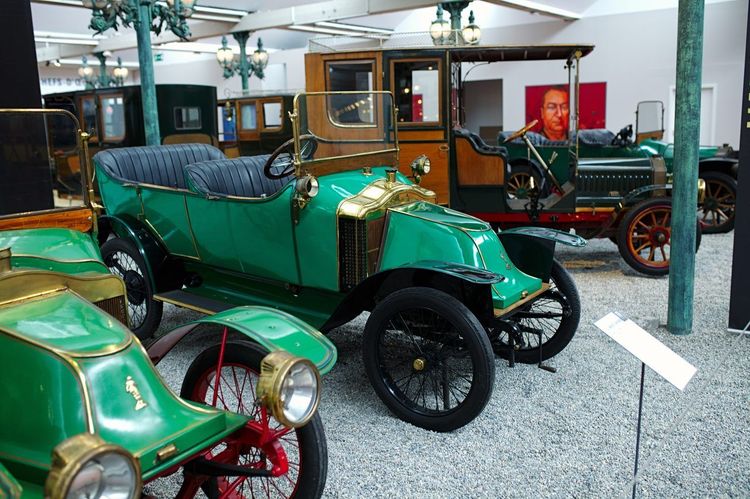
Mulhouse is home to three world-class technical museums, directly inherited from its industrial past. On their own, they justify a stay of several days.
The Cité de l'Automobile, Schlumpf Collection
The Cité de l'Automobile, officially the National Automobile Museum, holds the Schlumpf collection, assembled in secret by two textile industrialist brothers with a passion for fine machinery. More than 500 vehicles from around a hundred brands are on display, including more than 120 Bugattis — the largest collection of the marque in the world. Three of the six Bugatti Royales ever built are exhibited here, including Ettore Bugatti's personal car.
The story of its discovery is worth the detour in itself: on 7 March 1977, striking workers from the bankrupt Schlumpf company entered the factory and stumbled upon hundreds of cars lined up in rows. The museum opened to the public in 1982. Allow half a day to stroll at leisure through more than 20,000 m² of exhibition space, installed in a spinning mill dating from 1880.
A tip if you are visiting with family: start with the racing cars and pre-war models, which captivate children, then save the Bugatti Royales for last. The alleys lined with lamp posts — replicas of those on the pont Alexandre-III that Fritz Schlumpf wanted — give the visit a very distinctive staging.
The Cité du Train, Europe's Largest Railway Museum
In the Dornach district, the Cité du Train opened its doors in 1971 and covers 60,000 m². More than a hundred locomotives and carriages trace the history of rail in France, from the first steam engines of the 19th century to the BB 9004, which broke the world speed record in 1955, passing by the majestic 232 U1 nicknamed "la Divine".
Children particularly enjoy the carriages you can climb into and the reconstructed scenes that bring to life the daily journeys of passengers from the past. Since the two Cités are several kilometres apart, plan to use the tram or bus between them.
Electropolis, Museum of Electrical Energy
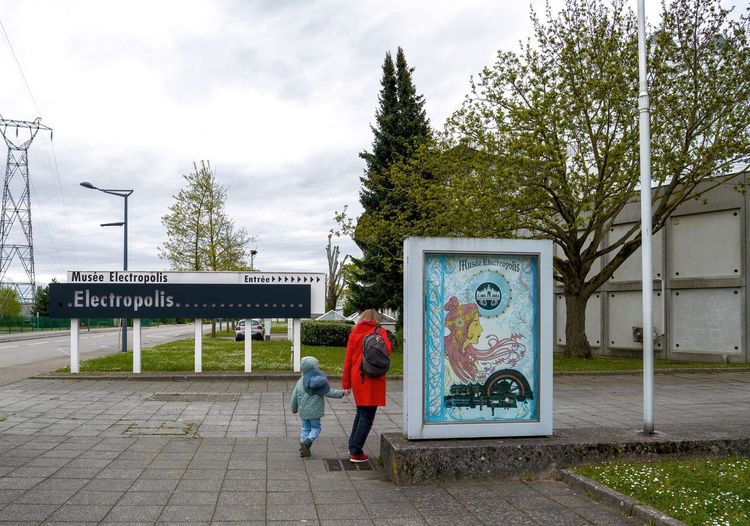
Right next to the Cité du Train, Electropolis (55 Rue du Pâturage, 68200 Mulhouse, rated 4.4/5 on Google based on 1,556 reviews) tells the story of electricity from Antiquity to the energies of tomorrow, with an interactive scenography designed for all ages. Its centrepiece is the Grande Machine Sulzer-BBC, a colossal generator from the early 20th century that the museum presents as the jewel of its collections.
The outdoor Jardin des énergies and electrostatic experiment demonstrations round out the visit. Allow around two hours, which makes it easy to pair with the Cité du Train in the same day.
The Musée de l'Impression sur Étoffes
More niche in appeal, the Musée de l'Impression sur Étoffes, listed among the must-sees by the tourist office, holds millions of samples of printed fabrics. It is the ideal place to understand indiennage — the cotton-printing technique that made Mulhouse's fortune — and to see up close the patterns that adorned European drawing rooms in the 19th century.
8. The Mulhouse Zoo, Zoological and Botanical Park
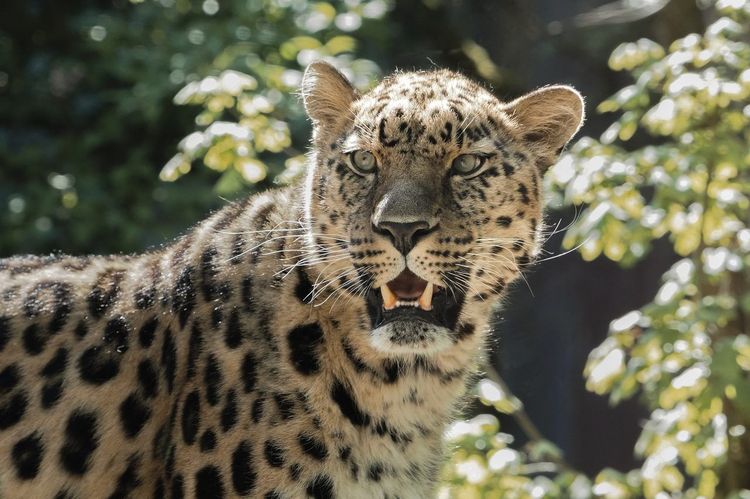
Founded in 1868, the zoological and botanical park of Mulhouse is one of the oldest zoos in France still in operation. It is home to around 1,200 animals from 170 species across 25 hectares, with a real speciality in Arctic fauna: polar bears, muskoxen, and Arctic foxes, as well as tigers, snow leopards, nine species of lemurs, and four species of gibbons.
The park takes part in European breeding programmes for endangered species, and the Horizon Afrique zone, opened in 2025, now welcomes Kordofan giraffes. On the botanical side, its roughly 3,500 plant varieties have earned it the Jardin remarquable label. You can easily spend half a day here, picnic included.
The zoo is a great option to round out a weekend split between museums and the historic center. Opening hours vary by season: check them before you go, especially in winter.
9. Things to Do in Mulhouse with Kids
Beyond the zoo, the city has several addresses designed to keep young and old alike busy. The Cité du Train, the Cité de l'Automobile, and Electropolis all offer child-friendly visit tools and activities during school holidays.
For a more active outing, the piscine Pierre et Marie Curie (3 Rue Fénelon, 68200 Mulhouse, rated 4.1/5 on Google based on 152 reviews) and the other pools in the metropolitan area are a reliable choice on very hot or rainy days.
In Ungersheim, right next to the Écomusée, the Parc du Petit Prince offers gentle rides, tethered balloon flights, and activities inspired by Saint-Exupéry's universe — a day that delights 4-to-12-year-olds. In the city, libraries and toy libraries regularly host games afternoons and reading sessions, often free of charge.
Ask the tourist office for the month's programme: between youth shows at la Filature and outdoor events, the family offering changes with the seasons.
10. Things to Do in Mulhouse in the Evening and on Weekends: Nights Out, Concerts, and Festivals
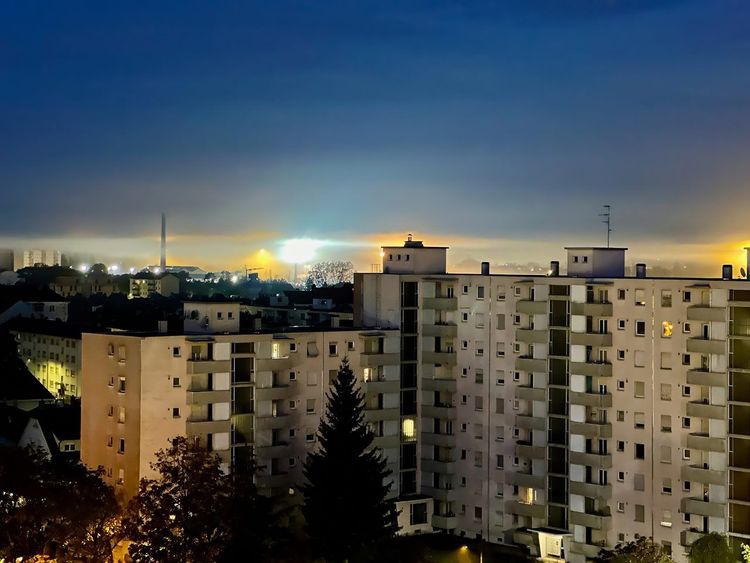
Mulhouse has a cultural and nightlife scene far denser than its size might suggest, driven by a few major venues and an active network of associations throughout the year. To find out what to do in Mulhouse today or this weekend, the tourist office's events calendar lists upcoming events, exhibitions, and cultural highlights.
Concerts, Shows, and Festivals
La Filature, the national stage inaugurated in 1993 and designed by architect Claude Vasconi on the site of a former cotton mill, programmes dance, theatre, music, and photography exhibitions throughout the season. Its two large halls host regional creations and international touring shows.
For rock, electronic, or hip-hop concerts, le Noumatrouff (56 Rue de la Mertzau, 68100 Mulhouse, rated 4.6/5 on Google based on 611 reviews), a contemporary music venue, welcomes headliners and emerging acts several evenings a month at generally affordable prices.
Among the annual events, the Météo festival, dedicated to improvised and experimental music, draws an audience of connoisseurs from across Europe at the end of summer. In December, the Christmas market on place de la Réunion — renowned for its fabric, printed each year with a unique new pattern — transforms the center into a festive setting.
Bars, Restaurants, and Nightlife
The pedestrian streets around place de la Réunion concentrate most of the bars and terraces, which are particularly lively from Thursday to Saturday evenings. You will find everything from traditional winstubs to cocktail bars set up in former shops.
For a more alternative evening, keep an eye on events at Motoco and around the DMC site. Book ahead on Fridays and Saturdays: the best tables fill up quickly.
11. Mulhouse for Couples: Romantic Walks and Great Restaurants
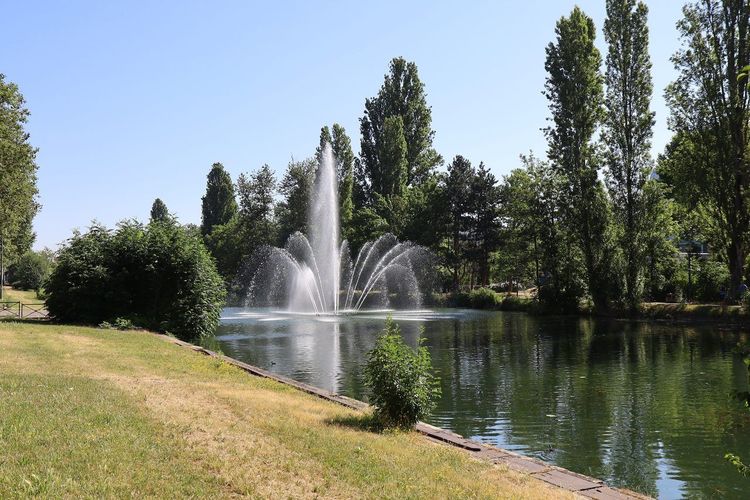
For a getaway for two, a stroll along the Nouveau Bassin at sunset offers a peaceful setting, with reflections on the water and silhouettes of old factories. Continue toward the Rebberg, where the quiet streets lined with villas give the impression of crossing into another century.
When it comes to dining, several restaurants in the center offer intimate rooms overlooking place de la Réunion and the painted Hôtel de Ville — perfect for a candlelit dinner. Wine lovers will appreciate the bars tucked into the alleyways around Temple Saint-Étienne, a great opportunity to try a Riesling, Pinot Gris, or Crémant d'Alsace. In the winstubs, let yourself be tempted by a shared tarte flambée, a slow-cooked baeckeoffe, or, in season, a garnished choucroute: generous dishes that lend themselves perfectly to a relaxed dinner.
To round off the evening, a show at la Filature or a film at a city-center cinema makes a lovely end to a weekend for two, followed by a last drink on a terrace if the weather allows.
12. Things to Do around Mulhouse: the Écomusée d'Alsace and the Parc de Wesserling
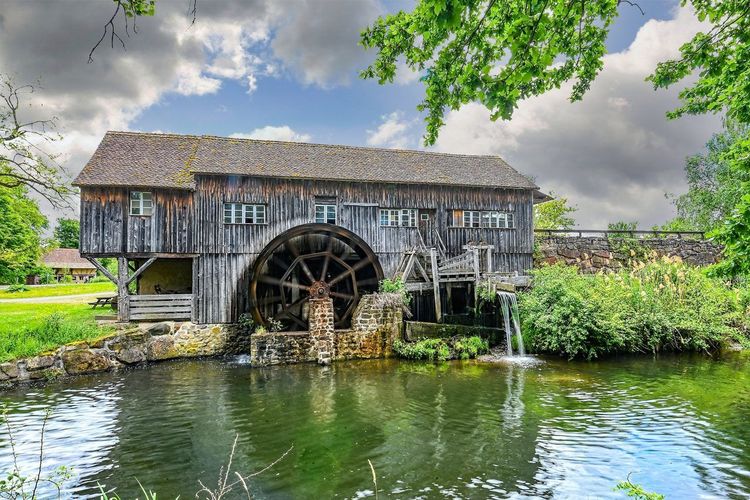
Limiting your stay to the city center would mean missing two major sites less than an hour's drive away, among the best day trips in Alsace.
The Écomusée d'Alsace in Ungersheim
About twenty minutes north of Mulhouse, the Écomusée d'Alsace brings together more than 70 traditional buildings saved from demolition and reassembled piece by piece. Half-timbered farmhouses, a forge, a mill, and a school recreate a living village where craftspeople and animators bring traditional skills back to life.
Allow a full day to make the most of the site, with cart rides, craftsmen's demonstrations, and tastings of local products. At the end of the year, the Christmas events make it one of the favourite outings for families in the region.
The Parc de Wesserling and Its Festival of Blended Gardens
Further west, in the Thur valley, the Parc de Wesserling (Rue du Parc, 68470 Husseren-Wesserling, rated 4.4/5 on Google based on 3,385 reviews) occupies the site of an 18th-century royal textile manufactory transformed into a cultural park. Its textile ecomuseum, terraced gardens, and industrial buildings form a rare ensemble.
Each summer, the festival des jardins métissés invites creators to imagine ephemeral installations around a new theme each year — a must for lovers of landscape art. Wear sturdy shoes: the site is hilly. On the way, stop in Thann to admire the Collegiate Church of Saint-Thiébaut and its finely sculpted Gothic portal, one of the finest in Alsace, at the foot of the first vineyard slopes.
And if you push on to Colmar, half an hour north by road, the Ryo audio-guided tour of Colmar takes you through la Petite Venise and the old town across 21 audio tracks, covering 4.7 km and around 2 hours and 10 minutes of walking.
13. Exploring Mulhouse on Foot: a One-Day Itinerary
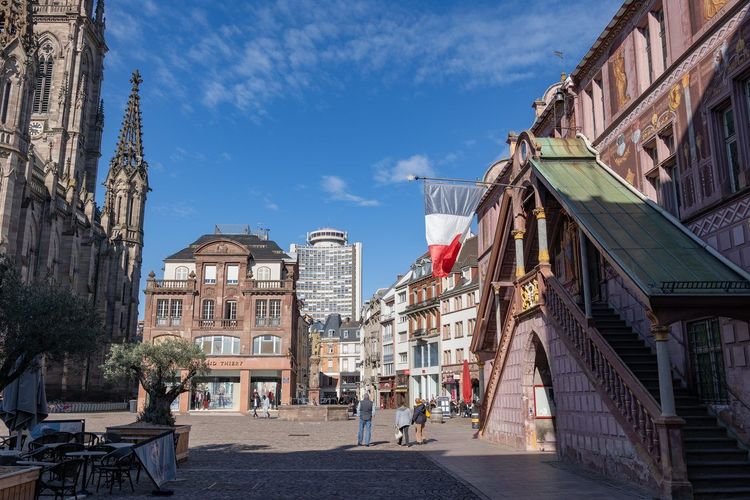
If you only have one day, here is an itinerary that links the essentials without a car. Start early at place de la Réunion, in front of Temple Saint-Étienne, then step into the Historical Museum at the Hôtel de Ville. Head next to the Rebberg in about half an hour on foot via the station, to admire the industrial villas at your own pace.
Come back down to the Nouveau Bassin for a lunch break, then head to la Fonderie and its Kunsthalle. The afternoon can be devoted to one of the great museums, depending on your interests — each one deserves several hours, and the tram will get you there quickly.
To connect these stops with a common thread, our Ryo walk through Mulhouse maps out a walking route through the center, complete with the stories hidden behind each façade. Available on your phone, it lets you follow the itinerary at your own pace, without depending on a guided tour schedule.
If you have a second day, reserve it for the Écomusée d'Alsace or the Parc de Wesserling, both less than an hour from the center.
14. Practical Information: Transport, Budget, and the Best Time to Visit Mulhouse
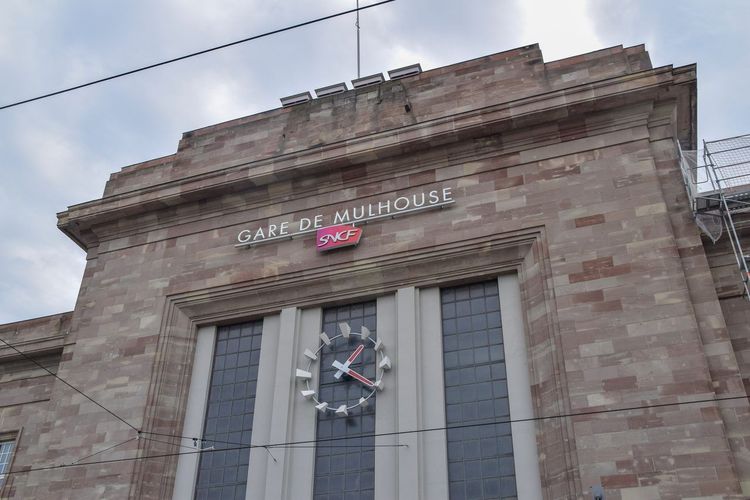
Mulhouse is located about 30 minutes by road from Colmar, 1 hour 15 minutes from Strasbourg, and 40 minutes from Basel, making it a practical base for exploring southern Alsace. Mulhouse Ville station (Place du Général de Gaulle, 68100 Mulhouse, rated 3.6/5 on Google based on 909 reviews), connected to Paris by TGV in around 2 hours 40 minutes, is a ten-minute walk from the historic center. EuroAirport Basel-Mulhouse-Freiburg, about thirty minutes away, also opens the city to European flights.
Locally, the Soléa tram and bus network serves the main museums and districts, with single tickets or day passes available. The historic center is entirely walkable. If you come by car, park at a peripheral park-and-ride and finish by tram: it is far simpler than hunting for a spot in the center.
Budget-wise, allow €12 to €20 per museum for the major technical institutions, slightly more for the zoo in high season. The City Pass Mulhouse, sold for €20 for adults and €15 for children, gives free access to one site of your choice from nine and discounts at a dozen others — good value from your second visit onwards. Spring and early autumn offer the best balance of mild weather and moderate crowds, while summer brings festivals and long evenings. December also has its devotees, thanks to the Christmas market and the heated museums.
FAQ
What to Do in Mulhouse in One Day?
Focus on the historic center in the morning: place de la Réunion, Temple Saint-Étienne, the Historical Museum, then the Rebberg. In the afternoon, choose one major museum: the Cité de l'Automobile for mechanics enthusiasts, or the neighboring duo of the Cité du Train and Electropolis.
What to Do in Mulhouse on a Sunday?
The major museums, the zoo, and the Écomusée d'Alsace are generally open on Sundays, unlike many shops in the city center. Simply check weekly closing days and winter hours before you go, then round out your visit with a walk in the Rebberg or parc Salvator.
What to Do in Mulhouse for Free?
The historic center, place de la Réunion, the Rebberg façades, the Cité Manifeste, street art murals, and the banks of the Nouveau Bassin can all be explored freely. The Historical Museum, the Fine Arts Museum, and the Kunsthalle are also free to enter.
What to Do in Mulhouse with Kids?
The zoo is the safest bet, complemented by the Cité du Train, Electropolis, and, in Ungersheim, the Écomusée d'Alsace and the Parc du Petit Prince. The city's swimming pools are a reliable option on rainy days.
What to Do around Mulhouse in a Day?
The Écomusée d'Alsace in Ungersheim, about twenty minutes away, can easily fill an entire day. The Parc de Wesserling in the Thur valley and Colmar, half an hour to the north, are the two other top options.
How Much Time Should You Plan to Visit Mulhouse?
Two to three days allow you to cover the historic center, one or two major museums, and a trip to the surrounding area. A weekend is enough for a solid overview, but industrial heritage enthusiasts will happily stay longer.
Mulhouse, a City That Rewards the Curious
Mulhouse reveals itself through the contrasts it fully embraces: the grand villas of the Rebberg a few kilometres from converted textile industrial sites, Vosges summits an hour from a car museum known the world over, polar bears above the train station. Whether you have one day or a whole weekend, start with the center, pick one great museum, and leave half a day for the unexpected.
To set the scene before you leave, our history of Mulhouse as told by Ryo will give you the keys to understanding this former republic turned industrial capital — perfect for a quiet read on your phone.
À lire également