© Shutterstock
 Votre guide Ryo
Visiting Nancy for the First Time: The Complete 2026 Guide
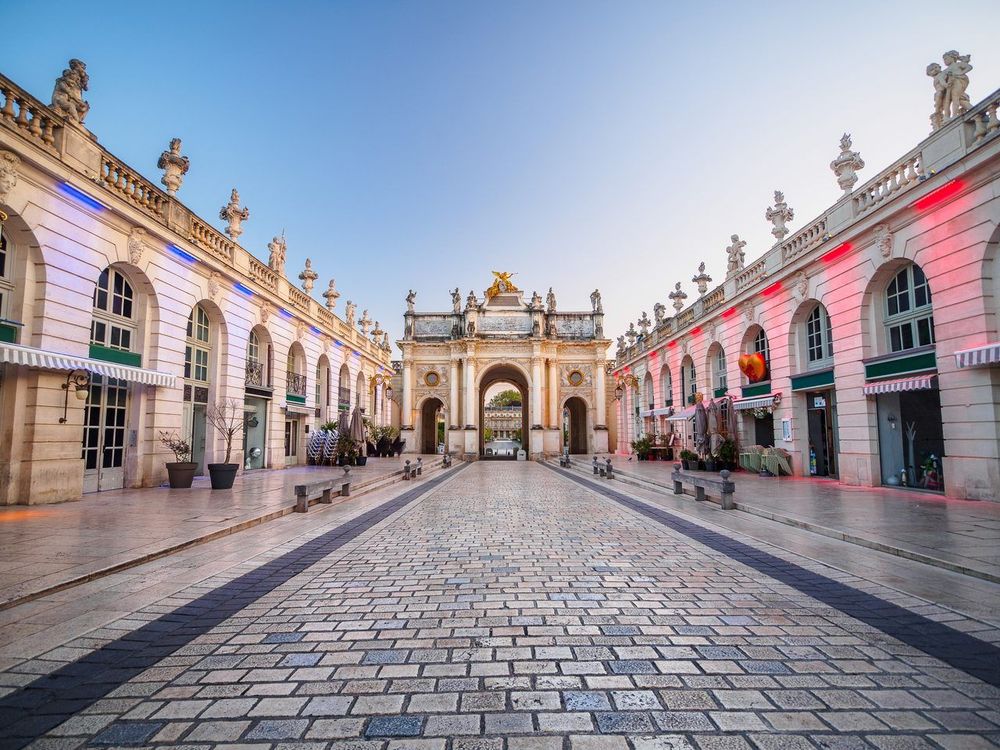
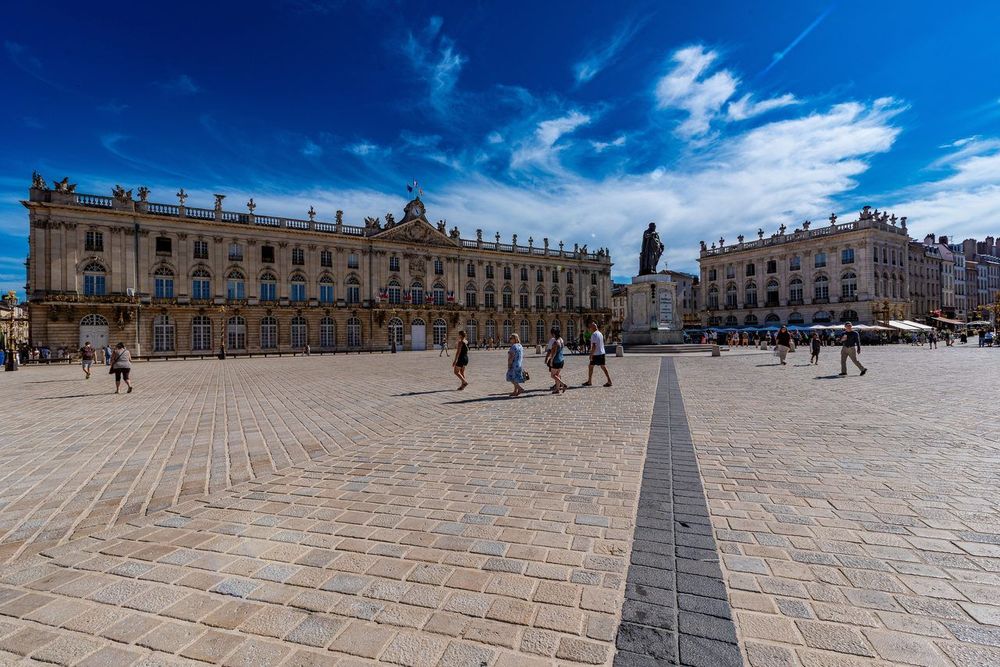
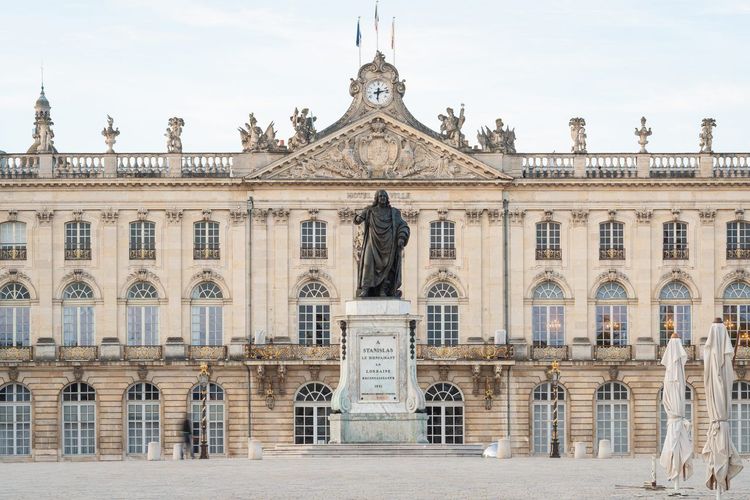
Planning to visit Nancy for the first time and not sure where to start? In Nancy, history begins with a gilded gate. Station yourself on place Stanislas on a Sunday morning, when the light grazes the 18th-century façades, and you will understand why a deposed king of Poland turned this square into an architectural manifesto. The Ryo audio-guided tour of Nancy starts right there, between gilded ironwork and the fountains of Neptune and Amphitrite, recounting in 27 stops what most guides summarise in two lines.
The city layers several very different heritages: a UNESCO-listed ensemble since 1983, an old town where medieval fortified gateways and entire Art Nouveau villa districts built for industrialists, glassmakers, and cabinet-makers have survived. Add to that macarons whose recipe has been attributed to the "Sœurs Macarons" since the Revolution, a 21-hectare park right in the city centre, and a 14th-century fortified gate that withstood the siege of Charles the Bold. This guide covers the highlights of place Stanislas, the old town of the Dukes of Lorraine, the Art Nouveau quarter, a practical one- or two-day itinerary, the best food addresses, and all the practical information (transport, CityPass, seasons) to plan a first stay without missing a thing.
Place Stanislas and the UNESCO-Listed 18th-Century Ensemble
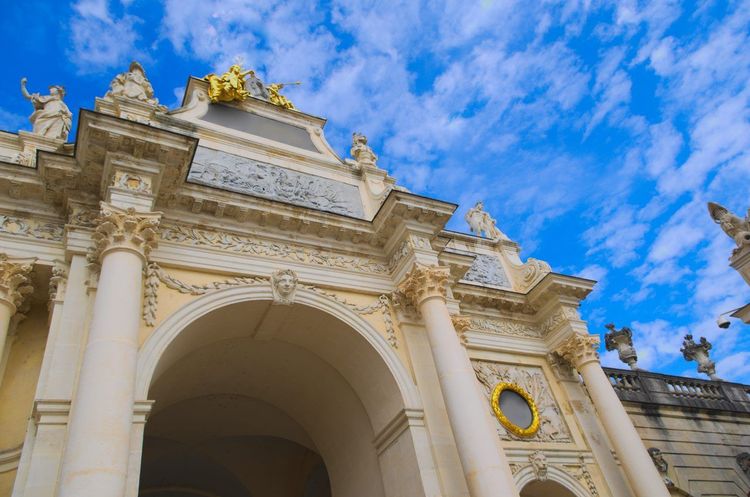
It is impossible to discover Nancy without devoting at least an hour to this urban triangle, unique in Europe. Three squares, laid out between 1752 and 1755 at the instigation of Stanislas Leszczynski by the architect Emmanuel Héré, form a coherent ensemble linking the medieval city to the new town. UNESCO inscribed them together in 1983: it is this continuity, more than any single square taken in isolation, that gives the site its value.
Place Stanislas, Place de la Carrière, and Place d'Alliance: The UNESCO Trio
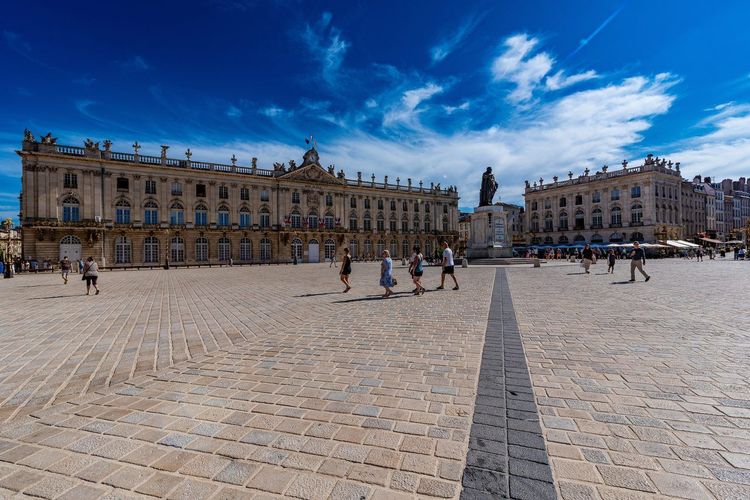
The Place Stanislas is the obligatory starting point of any visit. Its gilded wrought-iron gates, created by the locksmith Jean Lamour, frame a cobbled square measuring approximately 124 metres by 106, bordered by the Hôtel de Ville, the Arc Héré, and pavilions with harmonised façades. At the centre, the statue of Stanislas gazes northward toward the Carrière. In summer, a son et lumière show projected onto the façades animates the square each evening at nightfall, free of charge.
Passing under the Arc Héré, you reach the Place de la Carrière, a long linden-lined esplanade, far more intimate in feel, which once served for jousting and equestrian exercises. It ends at the hemicycle of the Palais du Gouvernement, the former residence of the royal intendant. A short distance to the east, the Place d'Alliance is the most understated of the trio, with its fountain commemorating the Franco-Austrian alliance of 1756. The three squares converse visually: from the Carrière, the gilded gates of Stanislas are still visible, a perspective conceived from the very beginning.
A small tip: walk around place Stanislas by following the façades rather than crossing it. You will be able to see up close the lanterns, balconies, and Stanislas monograms carved in stone. And if you want to understand why this enfilade plan was preferred over a simple royal square, the Ryo audio guide devotes about twenty minutes to making these three squares speak to one another.
Musée des Beaux-Arts and the Opéra National de Nancy Lorraine
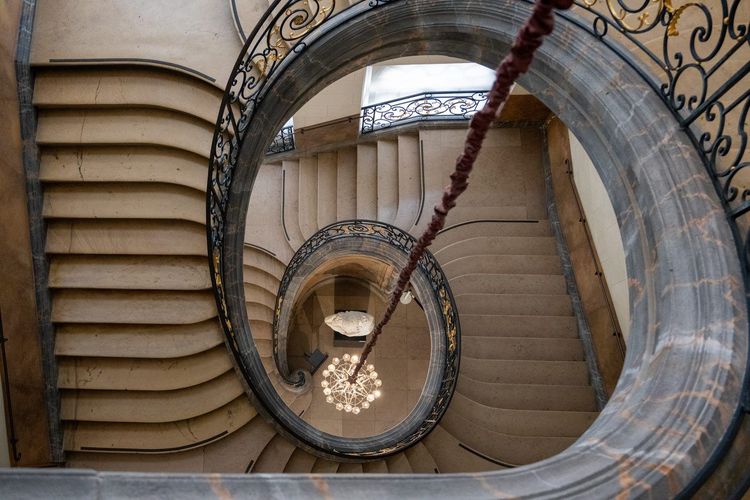
On the square itself, the Musée des Beaux-Arts de Nancy deserves a good two hours. Its collections span from the 14th century to contemporary art, with paintings by Perugino, Delacroix, and Modigliani, and above all a remarkable collection of Daum glassware displayed in the basement, within the former moats of the fortifications whose masonry is still visible. The Daum manufactory, founded in Nancy in the 19th century, brought the city renown alongside Émile Gallé.
Directly opposite, the Opéra National de Nancy Lorraine (1 Rue Sainte-Catherine, 54000 Nancy, rated 4.6/5 on Google from 840 reviews) occupies one of the square's pavilions. Its lyric programme, combined with that of the Centre Chorégraphique National Ballet de Lorraine, one of France's leading contemporary dance companies, makes Nancy a cultural stage far richer than one might expect for a city of 105,000 inhabitants. If you have a free evening, check the programme: a performance in the red-and-gold Italian-style auditorium is the perfect way to round off a day spent around the square.
One last tip before leaving the square: step into the courtyard of the Hôtel de Ville when it is open. The grand ceremonial staircase, framed by a Jean Lamour banister, and the state rooms whose windows look out over the entire perspective to the Palais du Gouvernement, offer the finest vantage point over the whole ensemble. On certain days, particularly during the Journées du Patrimoine in September, the rooms are open to the public: a chance to see the square from above, as Stanislas's guests once did.
A Brief History of Nancy, from the Duchy of Lorraine to the City of Today
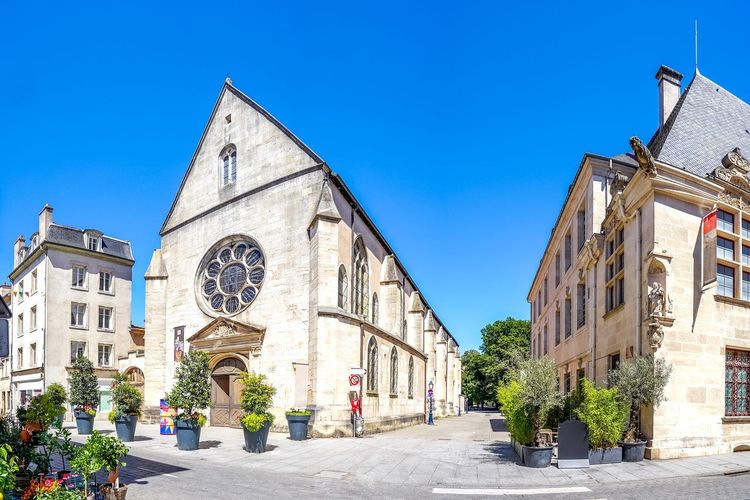
Nancy was built in several stages, and each one can be read in the city's layout. The Vieille-Ville, born in the 11th century around the ducal castle, retains its tight medieval street plan. At the end of the 16th century, Duke Charles III had the Ville-Neuve built right alongside it, a grid-pattern extension with straight streets: the two cities remained separated by moats until Stanislas united them in the 18th century through the ensemble of squares you have just walked through.
The Duchy of Lorraine long remained independent, caught between the Kingdom of France and the Holy Roman Empire. In 1477, the Battle of Nancy saw Charles the Bold die beneath its walls. In 1737, Stanislas Leszczynski, father-in-law of Louis XV, received the duchy as a life estate after losing the throne of Poland; at his death in 1766, Lorraine became French. The 19th century added a third layer: after 1871, the annexation of Alsace-Moselle drove industrialists and craftsmen to settle in Nancy, fuelling the rise of the glassmaking and furniture trades from which Art Nouveau would emerge.
Keep these three dates in mind during your visit: 1477 for the old town and its gates, 1755 for the royal squares, 1900 for Art Nouveau. They are enough to date almost everything you will see, and to understand why a twenty-minute walk can span four centuries of architecture.
The Old Town and the Heritage of the Dukes of Lorraine
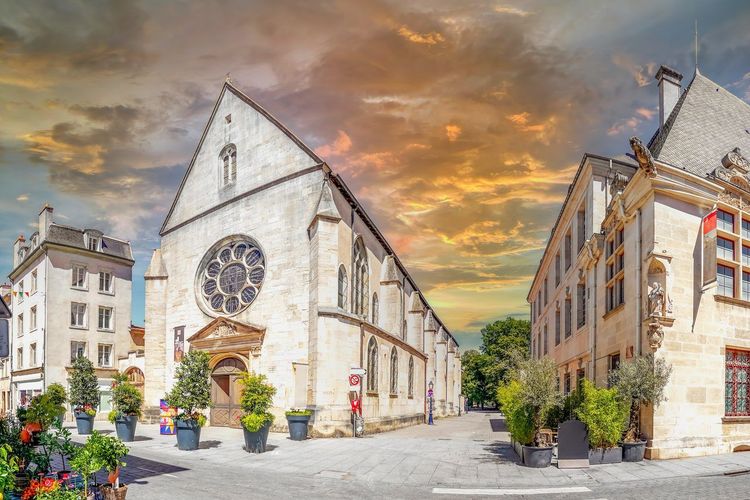
On the opposite side from the classical city, the old town draws its narrow lanes around much older vestiges. You will come here for the atmosphere, less solemn than place Stanislas, for its restaurants, and for a medieval heritage that few hurried visitors take the time to explore.
Porte de la Craffe and the Remains of the Medieval Ramparts
The Porte de la Craffe, with its two round towers topped by pepper-pot roofs, marked the northern entrance to the fortified city as early as the 14th century. It is the main surviving visible remnant of the old ramparts, and served for a long time as a prison, notably during the Revolution. Just behind it, the Porte de la Citadelle, built later, is a reminder that the city remained a stronghold until the 17th century.
Passing through it heading south, you walk down the Grande Rue, the central artery of the old town lined with townhouses from the 16th, 17th, and 18th centuries. Look up at the façades: sculptures, coats of arms, and doorways tell the story of the noble ducal families and the bourgeoisie who settled here. Several interior courtyards remain visible from the street when the doors are open.
Palais Ducal, Musée Lorrain, and Basilique Saint-Epvre
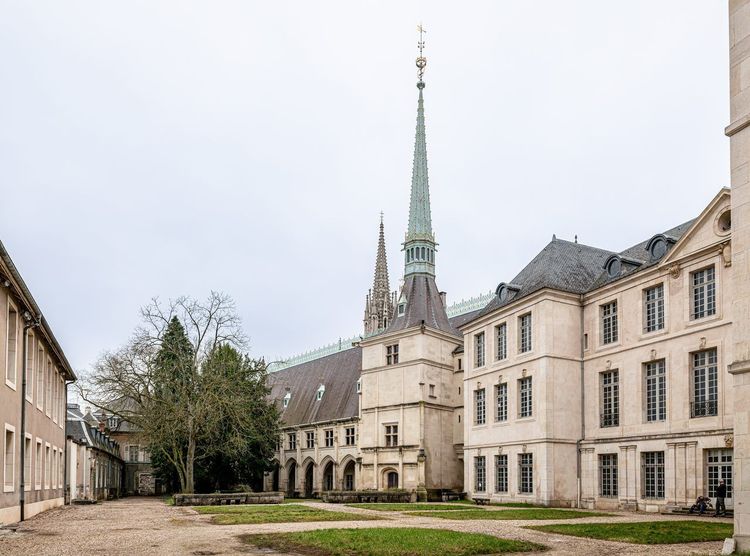
Halfway along the Grande Rue stands the Palais des Ducs de Lorraine, recognisable by its Flamboyant Gothic Porterie topped by the equestrian statue of Duke Antoine (the 1512 original was destroyed in 1792; the one you see dates from 1851). It houses the Musée Lorrain, dedicated to the history of the duchy. A crucial point for a first visit: the palace has been closed since 2018 for a major renovation project, and the gradual reopening of its spaces is not expected before 2029. The façade can be admired from the street, and the neighbouring église des Cordeliers, with the ducal chapel where the Dukes of Lorraine lie at rest, remains accessible.
A short walk away, the Basilique Saint-Epvre (Place Saint-Epvre, 54000 Nancy, rated 4.5/5 on Google from 1,241 reviews) raises its neo-Gothic spire of roughly 87 metres, erected in the second half of the 19th century, in deliberate contrast with the classicism of place Stanislas. Inside, the stained-glass windows from Munich and Vienna are a surprising burst of colour. On the place Saint-Epvre, pastry shops and fine food stores sell local specialities to take away: you will find everything you need for a Lorraine afternoon snack before continuing on your way.
Don't miss the rue des Écuries and the small streets running parallel to the Grande Rue, with a quieter charm than the main thoroughfares. This pedestrian loop, from the Porte de la Craffe to the basilica, is precisely the route followed by the Ryo audio-guided tour of Nancy, pausing at the details that are easy to miss when you are exploring alone, map in hand.
Nancy, Capital of Art Nouveau
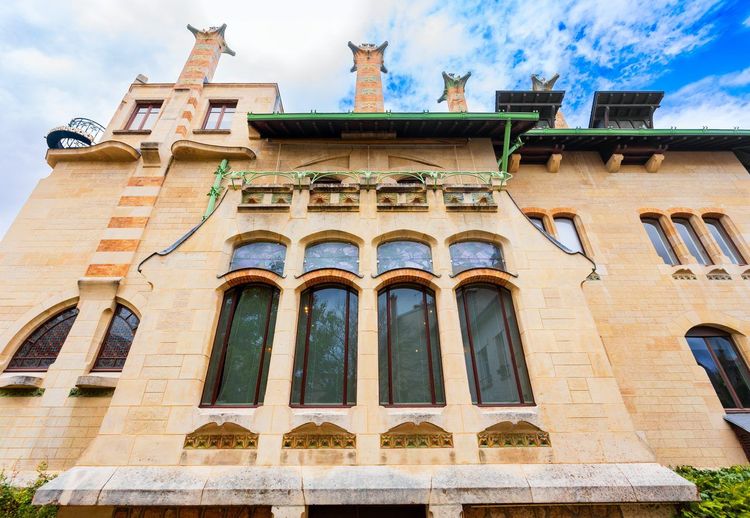
Between 1890 and 1914, Nancy became one of the major centres of European Art Nouveau, driven by the École de Nancy, officially founded in 1901 around Émile Gallé. Glassmakers, cabinet-makers, ironworkers, and architects reinvented form by drawing inspiration from nature: curved lines, umbels, water lilies, dragonflies. The result can still be read today in several neighbourhoods, provided you know where to look. To go further with the collections, our feature on the museums of Nancy compares the opening hours and highlights of each venue.
Villa Majorelle and the Musée de l'École de Nancy
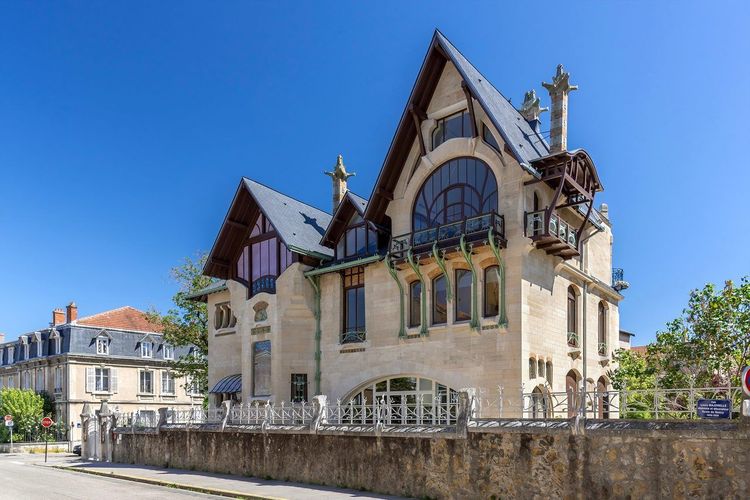
The Villa Majorelle, completed in 1902 for the cabinet-maker Louis Majorelle to designs by the Parisian architect Henri Sauvage, is considered the city's first entirely Art Nouveau house. Stone, brick, timber, and iron combine in an ensemble where nothing is left to chance: plant-inspired ironwork, stained-glass windows by Jacques Gruber, fireplaces and a staircase designed specifically for the house. Now restored, it can be visited by reservation in small groups: book a few days ahead in high season.
About fifteen minutes' walk away, the Musée de l'École de Nancy occupies the former home of the collector Eugène Corbin and brings together furniture, stained glass, glassware, and ceramics by Gallé, Majorelle, Daum, and Gruber, displayed in a domestic setting rather than a white-walled gallery. The Masson dining room with its carved woodwork is a highlight. The garden, planted with species that inspired the decorative motifs of the era, contains an aquarium pavilion and an Art Nouveau funerary monument: allow a quarter of an hour to stroll through it.
Rue Félix Faure and the Brasserie Excelsior: a Showcase of Art Nouveau Façades
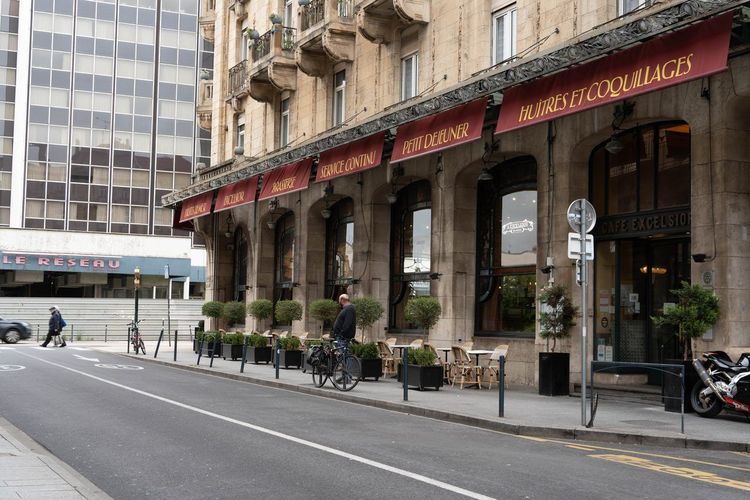
To see Art Nouveau in the street rather than in a museum, simply walk. Rue Félix Faure and the neighbouring streets line up houses and apartment buildings with ornate balconies, ceramic floral friezes, and entrance stained-glass windows. The station district is no less impressive: on rue Henri-Poincaré, the former Chamber of Commerce and the former Crédit lyonnais building conceal superb glass canopies. Pick up the Art Nouveau map distributed at the tourist office: the walk requires no booking and works equally well as a 30-minute stroll or a half-day outing.
At the corner of rue Henri-Poincaré and rue Mazagran, the Brasserie Excelsior (50 Rue Henri Poincaré, 54000 Nancy, rated 4.3/5 on Google from 7,277 reviews), opened in 1911 and listed as a historic monument, is a rare example of Art Nouveau still in daily use: Majorelle furniture, stained-glass windows by Jacques Gruber, coffered ceilings. You can simply stop in for a coffee in the late afternoon to enjoy the décor without breaking the bank.
The more curious will continue on to the thermal district of Nancy, where the Nancy Thermal establishment has reopened with its pools and circular 1910s swimming pool, and then on to the parc de Saurupt district, an early-20th-century villa development that has remained largely residential, where Émile André and Henri Gutton designed several houses. Near the university, on rue Lionnois, the Maison Bergeret, built between 1903 and 1905 by Lucien Weissenburger for the printer Albert Bergeret, is best admired for its façade and ironwork. To connect all these points without getting lost, the Ryo audio guide offers an Art Nouveau sub-itinerary between the villa Majorelle, the musée de l'École de Nancy, and the façades of the centre, with the interpretive keys that make the décor truly meaningful.
Parks and Gardens: Pépinière, Sainte-Marie, and the Botanical Garden
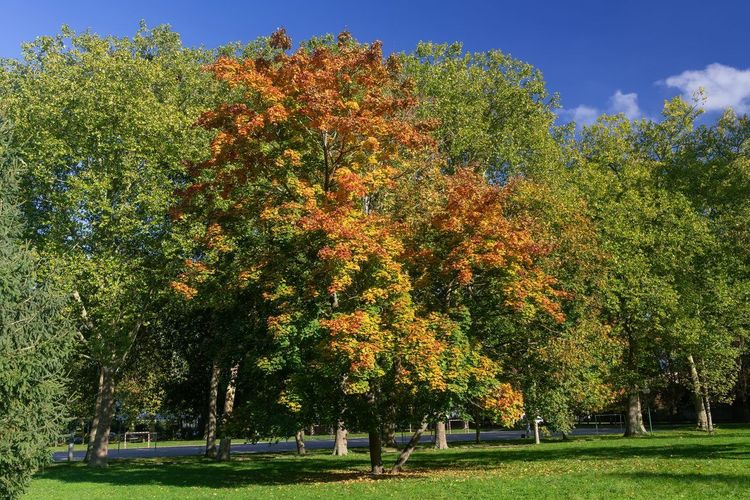
After several hours of cobblestones and façades, Nancy offers three very different green breathing spaces. The Parc de la Pépinière, 21 hectares right behind place de la Carrière, combines a rose garden, shaded paths, a free mini-animal park, a children's play area, and a bandstand. It is the city's historic green lung, frequented by morning joggers and Sunday families alike. Look out for the statue of the painter Claude Gellée, known as le Lorrain, sculpted by Rodin.
The Parc Sainte-Marie, further out to the south-west of the centre, hosted the Exposition Internationale de l'Est de la France in 1909, from which it retains a half-timbered Alsatian house. Lawns, tall trees, and quiet paths make it a good option for a picnic, especially as the musée de l'École de Nancy is right nearby.
For botany enthusiasts, the Jardin Botanique Jean-Marie Pelt (100 Rue du Jardin Botanique, 54600 Villers-lès-Nancy, rated 4.7/5 on Google from 4,206 reviews), located in Villers-lès-Nancy about twenty minutes from the centre by bus, spreads its tropical greenhouses and thousands of species across several hectares. Closer to hand, the Ryo audio-guided tour runs alongside the Pépinière: a welcome natural pause between two heritage-rich stops.
Street Art and Neighbourhoods to Discover off the Beaten Track
Nancy is not limited to its 18th-century and Art Nouveau heritage. The ADN street art trail, standing for "Art dans Nancy" (Art in Nancy), brings together more than 50 urban artworks scattered across the city and its metropolitan area: geometric, figurative, and abstract murals, visible at any hour. The tourist office has an interactive map online that lets you design your own itinerary.
This contemporary circuit naturally takes you toward the western neighbourhoods of Nancy and the outskirts of the suburbs, less touristy, where rehabilitated former industrial sites and university campuses blend together. Along the Canal de la Marne au Rhin, the landscaped towpaths also offer a pleasant walk or cycle ride away from the crowds. For a first visit that does not want to stick to picture-postcard sights, it is a simple way to see a city that continues to reinvent itself. Our guide to the neighbourhoods of Nancy helps you choose which ones to explore depending on your interests.
A word of caution, however: the murals evolve, and some are repainted or replaced between editions. Consult the online map just before you set off rather than relying on a printed list, and opt for walking or bike-sharing to move from one wall to the next, as the works can sometimes be more than a kilometre apart.
Your Itinerary for Visiting Nancy in 1 Day or 2 Days
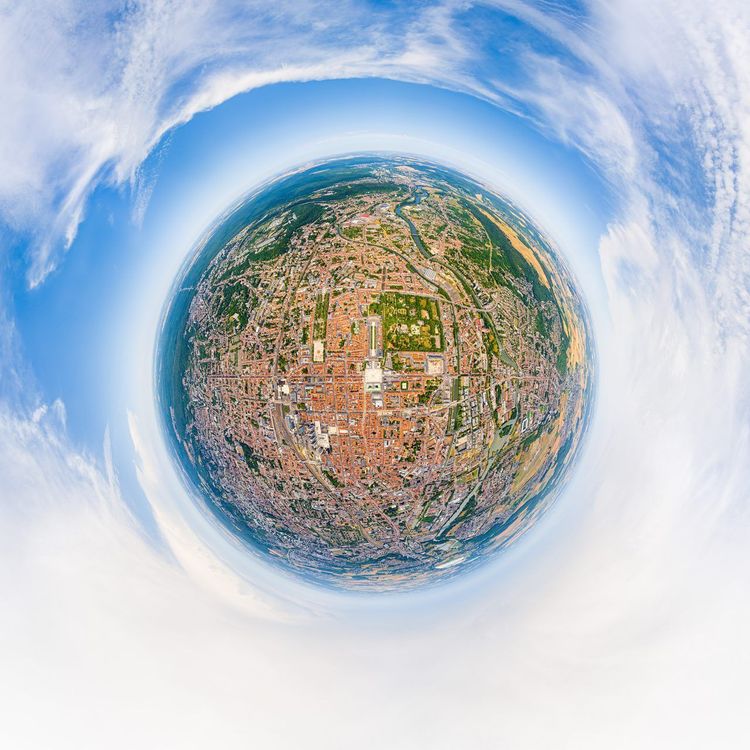
It all depends on the time you have, but the two options below cover the essentials without any race against the clock.
One Day in Nancy: the Best of the Historic Centre and Art Nouveau
Start early on place Stanislas, before the tour groups arrive, then continue to place de la Carrière and place d'Alliance. Between 10am and noon, step into the Musée des Beaux-Arts, if only for the Daum glassware. Then make your way to the old town along the Grande Rue as far as the Porte de la Craffe, with a stop in front of the ducal palace and a detour to the basilique Saint-Epvre, before having lunch on rue des Maréchaux or place Saint-Epvre.
In the afternoon, head to the villa Majorelle (booked in advance) and the musée de l'École de Nancy, by bus or on foot. Return toward the station via the Art Nouveau façades, have a drink at the Excelsior, and finish with the Parc de la Pépinière or, in summer, with the son et lumière on place Stanislas.
Two Days in Nancy: History, Art Nouveau, and Lorraine Flavours at a Leisurely Pace
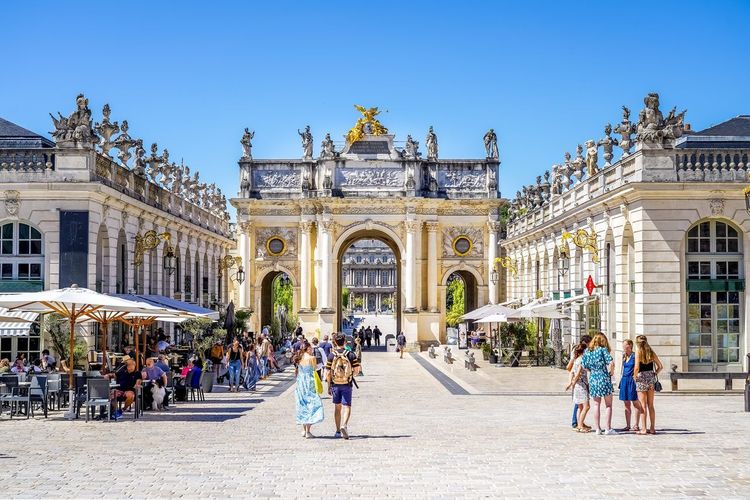
With an extra day, it is better to spread out the highlights rather than rushing through them. The first day stays focused on place Stanislas, the Musée des Beaux-Arts and the old town, at a slower pace, with the église des Cordeliers and a food break on place Saint-Epvre. The second day is devoted entirely to Art Nouveau: villa Majorelle, musée de l'École de Nancy, parc Sainte-Marie, the thermal district, the façades of the centre, and the brasserie Excelsior, keeping an hour for the murals on the ADN trail.
For the first day, the main Ryo audio guide route serves as an ideal thread: 27 audio stops, roughly 1h40 of listening and 4 km of walking, to fit around your own pace, with no need to keep to a guided tour schedule. For the extended version, our Ryo article dedicated to Nancy in 2 days sets out a complete hour-by-hour itinerary.
Where to Eat in Nancy: Lorraine Specialities and Good Addresses
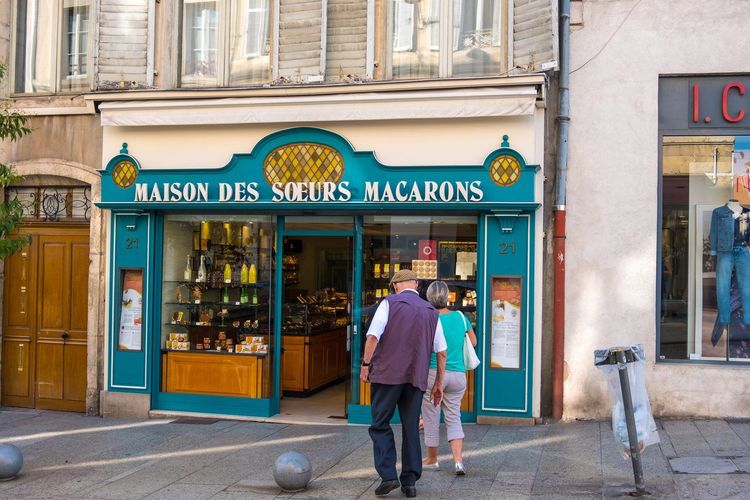
Nancy's gastronomy is as much about buying as it is about eating. The macarons de Nancy, made from egg whites, sugar, and almond powder, bear no resemblance to their Parisian counterparts: no ganache filling or smooth shell, but a soft, crinkled texture. Their recipe is associated with the nuns known as the "Sœurs Macarons", who are said to have sold them to survive after their convent was closed during the Revolution. The Maison des Sœurs Macarons on rue Gambetta keeps this tradition alive.
Another emblematic treat, the bergamote de Nancy: a flat, translucent, golden-hued sweet, flavoured with bergamot essential oil, developed in the 19th century and protected by a PGI. Sold in metal tins in every sweet shop in the centre, it makes a compact and easy-to-carry souvenir. Round things out with chardons lorrains, mirabelle plum brandy or jam, and rum baba, whose invention legend attributes to the court of Stanislas.
On the savoury side, rue des Maréchaux, nicknamed the gourmet street, lines up its terraces just a short walk from place Stanislas: quiche lorraine, lorraine pâté en croûte, potée stew, mirabelle tart in season. For an Art Nouveau setting, the Excelsior remains the flagship address. The Grand Marché couvert on rue Saint-Dizier is perfect for a quick lunch with local produce. To avoid scattering your time between sweet shops and local treats, set aside a dedicated slot: it is a full chapter of any first stay. Our Ryo selection of Nancy's culinary specialities lists the addresses where locals themselves go to stock up.
Where to Stay in Nancy for a First Visit
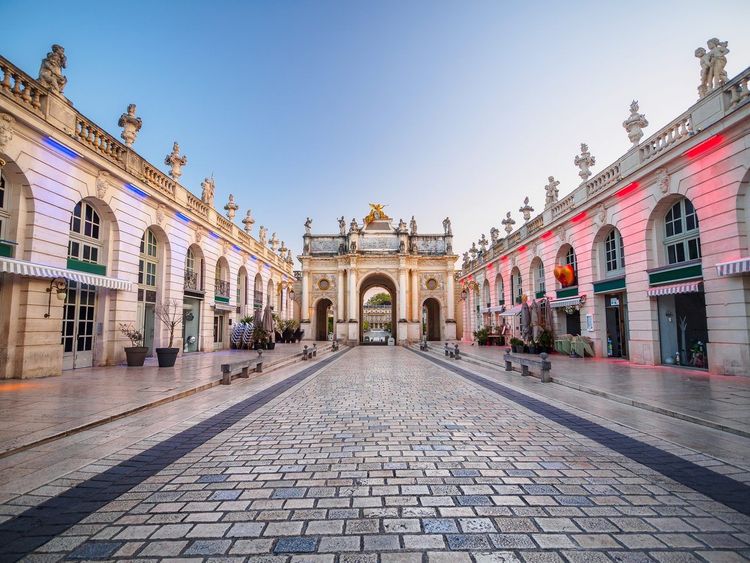
For a first visit, staying within the place Stanislas or old town perimeter simplifies everything: the majority of the sights can then be reached on foot, and you will be able to enjoy the illuminated square in the evening without needing any transport.
Boutique hotels installed in former townhouses in the old town offer an authentic setting, often just a few minutes from the Porte de la Craffe. For a special night, hotels looking directly onto place Stanislas need to be booked well in advance, especially in December. Around the station, the choice is denser and generally more affordable, with direct access to line 1 of the Stan network and a ten-minute walk to place Stanislas.
If you prefer peace and quiet, look at the Pépinière neighbourhood or the area around parc Sainte-Marie, calmer in the evenings and close to the musée de l'École de Nancy. Wherever you set down your bags, keep your first morning for place Stanislas while it is still empty: it is the best moment to launch the Ryo audio guide and enjoy it before the coaches arrive.
Finally, bear the calendar in mind: during the Saint-Nicolas festivities in early December and at major cultural events in summer, accommodation in the centre fills up quickly and prices rise. Book several weeks in advance if your dates fall in these periods, or widen your search to well-connected neighbouring towns on the Stan network, such as Vandœuvre-lès-Nancy or Laxou, just a few stops from the centre.
How to Get to Nancy and Get Around
Nancy is easy to reach by train: Nancy-Ville station is served by TGV from Paris-Est in around 1h30, and by frequent TER services toward Metz, Strasbourg, and Épinal. The station is a 10-minute walk from place Stanislas, a clear advantage for a car-free stay.
By car, Nancy is served by the A31 motorway, which connects it to Metz and Luxembourg to the north and Burgundy to the south, and by the A33 toward Lunéville. The historic centre is largely pedestrianised or has restricted traffic: park in one of the underground car parks in the centre or near the station rather than driving around in search of a surface space.
Once there, the old town and the Stanislas area are entirely walkable. To reach the musée de l'École de Nancy or the botanical garden, the Stan network remains the simplest option: line 1, operated since April 2025 by an articulated bi-articulated trolleybus that replaced the former rubber-tyred tram, crosses the city from north-east to south-west via the station. The VéloStan'lib bike-sharing scheme complements the network for short trips.
Budget, Nancy City Pass, and Accessibility
The Nancy CityPass, sold by the metropolitan tourist office, is the best-value option if you are planning several visits in succession. In 2026, it costs €20 for 24h, €30 for 48h, and €35 for 72h (duo and under-26 rates available). It includes a guided tour and an audio-guided tour of the city, admission to the Musée des Beaux-Arts, the musée de l'École de Nancy, and the villa Majorelle, unlimited travel on the Stan network and the tourist train from April to November, plus discounts with partner venues. It can be purchased at the tourist office on place Stanislas or online.
Without the pass, budget on the moderate side: several sites are free (the three squares, the Pépinière and its mini-animal park, the ADN trail, the Art Nouveau façades), and the municipal museums charge reasonable admission fees. On the accessibility front, place Stanislas, place de la Carrière, and place d'Alliance are cobbled but flat, and the main museums have adapted access for visitors with reduced mobility. The old town, with its narrow pavements and uneven cobblestones, requires more care; check with each individual site, as facilities vary. The tourist office can direct you to adapted visits.
How Long to Stay and When to Visit Nancy

One day is enough to tick off the essentials of the historic centre; two days allow you to add Art Nouveau and the parks without rushing. For a more complete stay, taking in the western neighbourhoods, the botanical garden, or a day trip to Lunéville and its château, allow three days.
In terms of season, spring and early autumn offer ideal light for photographing the gilded gates of place Stanislas, without the heat or crowds of summer. Summer does have the advantage of the nocturnal son et lumière show. December is another highlight: the Saint-Nicolas festivities, honouring Lorraine's patron saint, animate the city with a grand procession in early December and a Christmas market. For Art Nouveau, aim for a sunny day: the stained-glass windows of the villa Majorelle and the musée de l'École de Nancy take on an entirely different dimension when light streams through the glass panels.
Nancy with Children or on a Rainy Day
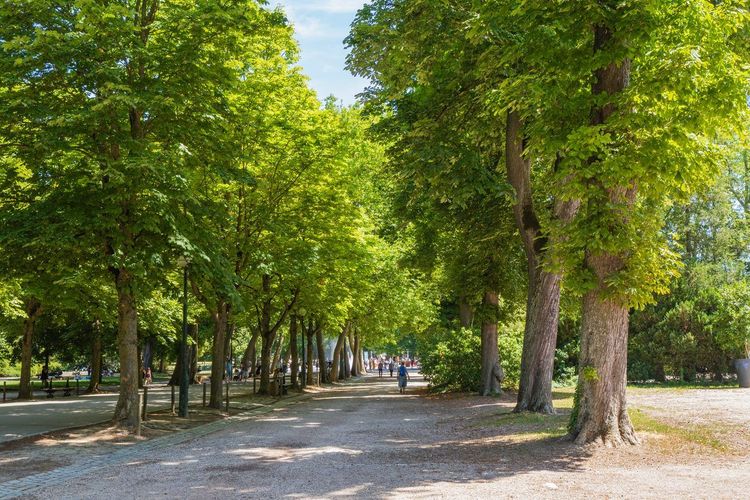
With children, the mini-animal park and play areas in the Pépinière are a reliable choice, as is the tourist train that circuits the centre without tiring little legs. The greenhouses of the botanical garden in Villers-lès-Nancy captivate younger visitors too, with their carnivorous plants and giant cacti. The Muséum-Aquarium de Nancy on rue Sainte-Catherine near place Stanislas remains a classic, with its tropical fish and collections of taxidermied animals.
If rain sets in, the museums offer a comfortable retreat: the Musée des Beaux-Arts, the musée de l'École de Nancy, and the Muséum-Aquarium regularly offer activity booklets or workshops for families. The Grand Marché couvert and the Saint-Sébastien shopping centre also provide a dry shelter between showers. Our Ryo article on what to do in Nancy when it rains details further options for filling a grey day without giving up on discovery.

FAQ
How much time do you need to visit Nancy?
Allow one day for the essentials of the historic centre, two days to add Art Nouveau and the parks, and three days if you want to include the western neighbourhoods and a day trip to Lunéville.
When should you visit Nancy, especially to enjoy Art Nouveau?
Spring and early autumn offer the best light for both the classical façades and the Art Nouveau stained glass, which look their finest in full sunlight. In early December, the Saint-Nicolas festivities give the city an entirely different character.
What are the must-see museums in Nancy?
The Musée des Beaux-Arts, the musée de l'École de Nancy, and the villa Majorelle form the essential trio. The musée Lorrain, housed in the ducal palace, has been closed for renovation and is not expected to reopen gradually until 2029.
Where can you see the finest Art Nouveau façades in Nancy?
Around the villa Majorelle, rue Félix Faure, in the station district (rue Henri-Poincaré, brasserie Excelsior), and, for the curious, in the parc de Saurupt neighbourhood.
Is Nancy accessible for people with reduced mobility?
The area around place Stanislas is generally flat and navigable, with well-equipped museums. The old town, with its narrower streets and uneven cobblestones, requires more care.
Where can you buy the Nancy City Pass and what does it include?
At the tourist office on place Stanislas, or online. Ranging from €20 (24h) to €35 (72h), it covers the main museums, the villa Majorelle, a guided tour, an audio-guided tour, and unlimited Stan public transport.
Can you visit Nancy's historic centre on foot?
Yes, place Stanislas, its neighbouring squares, and the old town are entirely walkable. Only the villa Majorelle, the musée de l'École de Nancy, and the botanical garden warrant taking a bus.
Making the Most of Your First Visit to Nancy
Visiting Nancy for the first time means accepting that you will change centuries several times within the space of a few hundred metres: from the gilded classicism of place Stanislas to the organic curves of Art Nouveau, by way of the fortified gateways of the old town. To connect all these places without wasting time finding your way, the Ryo audio-guided tour of Nancy keeps you on a coherent thread, at your own pace, headphones on.
Whether you have one day or two ahead of you, keep some time unscheduled: it is often by deliberately getting lost in a lane of the old town or lingering on a bench in the Pépinière that Nancy reveals itself best.
À lire également