© Shutterstock
 Votre guide Ryo
Visit Nîmes in 2 Days: Complete Itinerary Between Roman Arenas, Gardens, and Surroundings (2026)
In Nîmes, the limestone tiers still dominate the city center as they did in the first century, and all it takes is a glance upward from the place du Marché to understand why the city has dubbed itself the French Rome. Visiting Nîmes in 2 days is exactly the right amount of time to move from the best-preserved Roman amphitheater in the world to alleyways where the history of textile meets contemporary street art. The Ryo audio guide for Nîmes helps connect these two faces of the city at a leisurely pace, moving between ancient monuments and vibrant neighborhoods.
In two days, you have time to climb the Tour Magne for a panoramic view over the Cévennes, to haggle over a brandade de morue at the covered market, and to discover that the word "denim" simply comes from "de Nîmes." You will also come across remains far less famous than the arena: a Roman castellum unique in Europe, private mansions hidden behind discreet facades, and less than half an hour's drive away, one of the most photographed ancient monuments in France. Enough to build a full itinerary that never feels rushed, with enough room to extend your stay toward the Petite Camargue or the Gorges du Gardon if the mood takes you.
This guide follows a deliberate order: the first day stays focused on ancient heritage, the second explores the lively neighborhoods and street art, and the practical sections that follow (transport, accommodation, budget, season) answer the questions you typically ask yourself before even booking a train ticket. The Ryo audio-guided tour follows this same thread, from the Castellum onward.
Nîmes, the French Rome: a City With Living Ancient History
Founded by veterans of the Roman legion in the first century BCE, Nîmes owes its ancient prosperity to a sacred spring, protected today at the heart of the Jardins de la Fontaine, and to its position on the Via Domitia connecting Italy to Spain. The ancient city then had several tens of thousands of inhabitants and a rampart several kilometers long, of which two monumental gates still stand visible in the very heart of the city. This status as a prosperous settlement also explains why Nîmes was able to fund monuments of such scale: the arena, the Maison Carrée, and the aqueduct of the Pont du Gard all date from this flourishing period, within a few decades of each other.
After centuries of relative obscurity, the city became an architectural reference once more in the 19th century: engravings of its ancient monuments circulated throughout Europe and inspired public buildings as far as the United States. Today, Nîmes layers its eras effortlessly: Haussmann-style buildings, Belle Époque market halls, former industrial sites converted into street art galleries. Far from being a chaotic accumulation, this layering gives the city a distinctive identity — neither an open-air museum frozen in antiquity, nor a new town without memory.
To delve deeper into this history before you leave, the article History of Nîmes covers the major milestones, from Gaulish origins to the arrival of the railway, including the Wars of Religion that left a deep mark on the city in the 16th century.
Keep this dual identity in mind throughout your stay: in Nîmes, an ancient monument often stands just a few meters from a contemporary mural. That is precisely why the itinerary below alternates over two days between Roman heritage and lively neighborhoods, rather than cramming everything into a single exhausting day.
Day 1: In the Footsteps of the Romans Through the Historic Heart
Devote your morning to the arena: it is the monument that has made Nîmes famous well beyond the Gard region, and it deserves a good two hours of exploration before the heat builds in summer.
The Arenas of Nîmes and the Musée de la Romanité
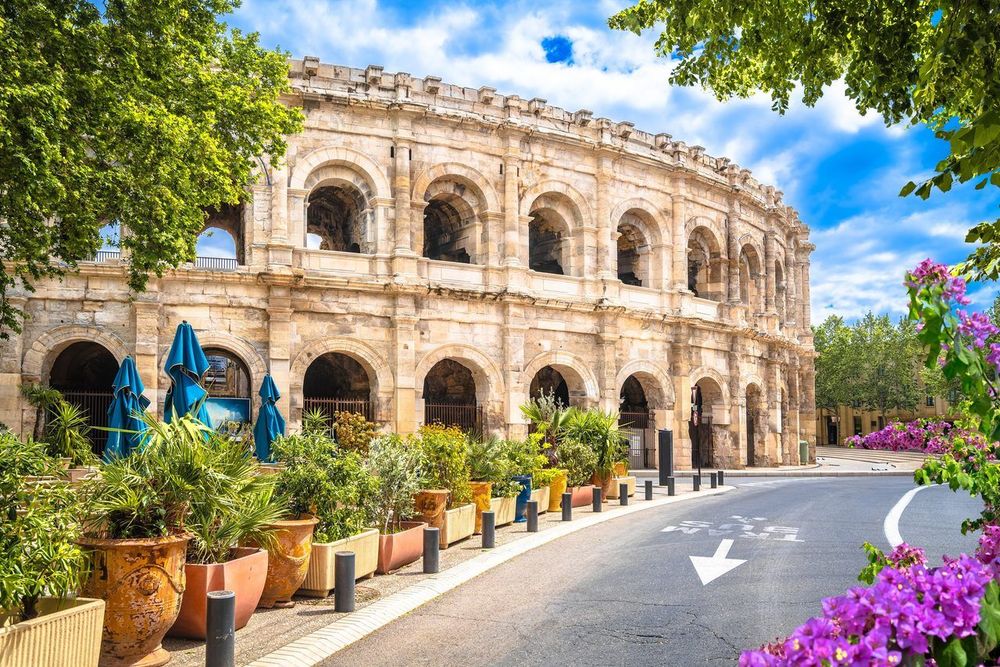
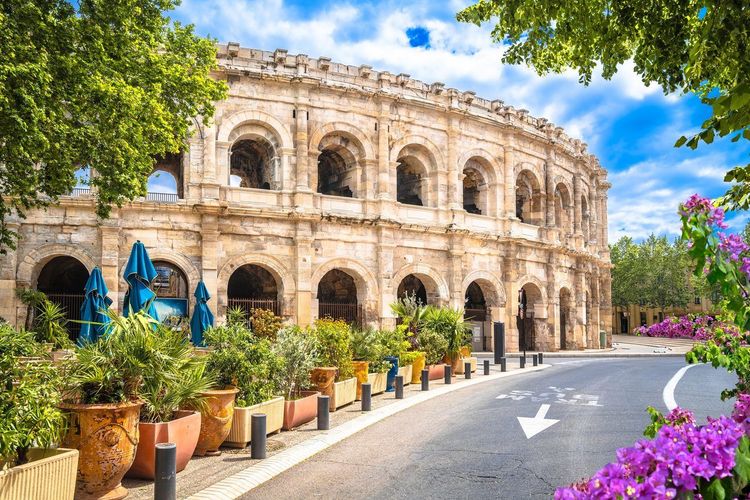
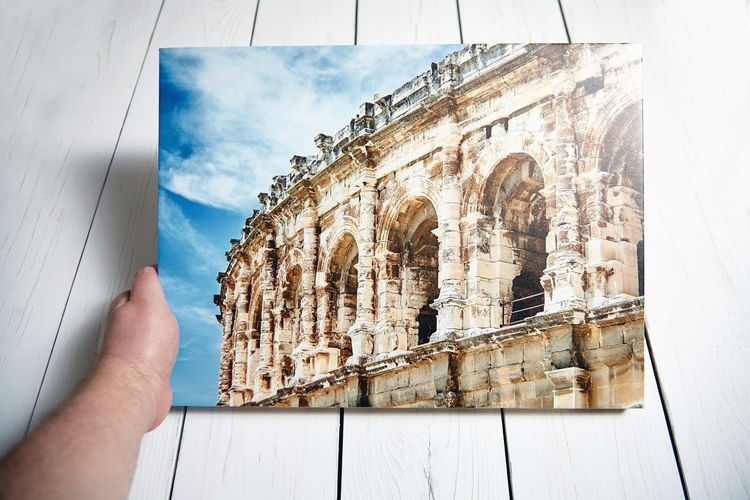
The Arenas of Nîmes are the best-preserved Roman amphitheater in the world, with two levels of 60 arches still intact. Built at the end of the first century, the structure could hold up to 24,000 spectators for gladiatorial combat and beast hunts; configured for modern shows, the capacity runs closer to 13,000 seats, which does not prevent the Feria de Pentecôte and summer concerts from selling out. Climb to the upper tiers to grasp the scale of the monument, then make your way back down through the original vaulted corridors — a fairly rare experience for such a well-preserved ancient site.
The audio guide included with your ticket explains the ingenious circulation system that could empty the stands in just a few minutes — a detail that often goes unnoticed at first glance. Take the time to spot the vomitoria, those numbered entrance corridors, before stepping back out onto the square. Also note that the monument occasionally closes to the public on show days or during stage construction: a quick check of the calendar before planning your morning will save you an unpleasant surprise.
Directly opposite, the musée de la Romanité occupies an undulating glass building inaugurated in 2018, whose facade deliberately evokes the folds of a toga. Inside, more than 5,000 objects trace 2,500 years of local history, from monumental mosaics to Gaulish jewelry, along with scale models recreating the ancient city as it must have appeared from the heights of Mont Cavalier. Allow an hour and a half for the visit, and keep an eye on the terraced archaeological garden, which offers one of the best free views of the arena.
If you prefer to explore at your own pace rather than following a group guide, the Ryo app offers full audio commentary on this neighborhood, with anecdotes that a simple information panel never tells — such as the story of the last bullfights held in the amphitheater before its restoration.
The Maison Carrée and the Carré d'Art
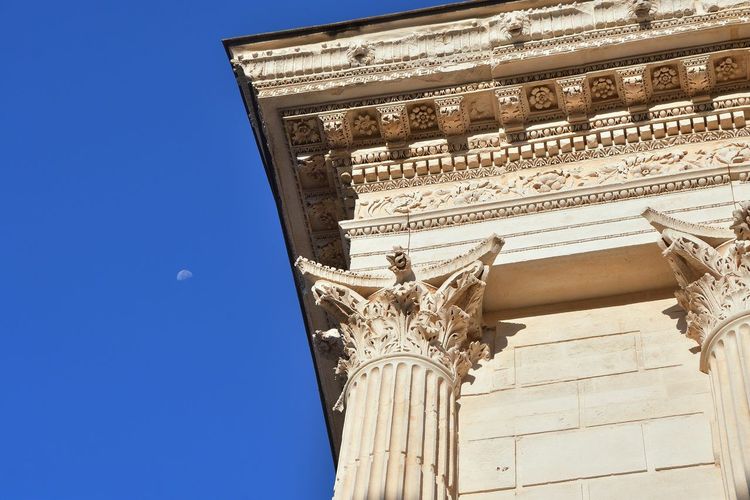
A ten-minute walk away, the Maison Carrée is the only Roman temple in the world preserved in its entirety — columns, pediment, and cella included. Built at the beginning of the first century and dedicated to Emperor Augustus's grandsons, it has served in turn as a church, a stable, and an archive before becoming a major tourist site. It was inscribed on the UNESCO World Heritage List in September 2023, a recent recognition that explains the growing crowds around the square. Its state of preservation has even inspired public buildings in America, proof that Nîmes long served as an architectural model well beyond Provence. Inside, a short immersive film projected onto the cella walls retraces the city's history — a welcome shaded break if your visit falls in the middle of a summer day.
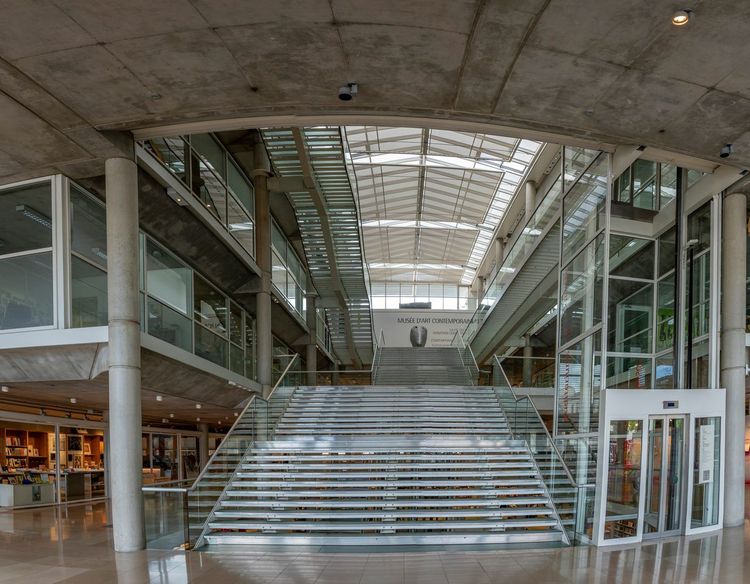
Directly opposite, in a fully deliberate architectural contrast, the Carré d'Art designed by Norman Foster houses the city's contemporary art museum across five floors, as well as a library heavily used by the people of Nîmes. The top-floor terrace, often overlooked by visitors in a hurry, offers a bird's-eye view of the Maison Carrée below: stop there for at least ten minutes before continuing the itinerary — access is free even without visiting the collections.
This face-off between a two-thousand-year-old temple and a 1990s glass building sums up the spirit of Nîmes in a single glance: the city never tries to hide its contradictions — it puts them on stage on the same square.
Jardins de la Fontaine, Tour Magne, and Roman Remains (Castellum, Porte Auguste)
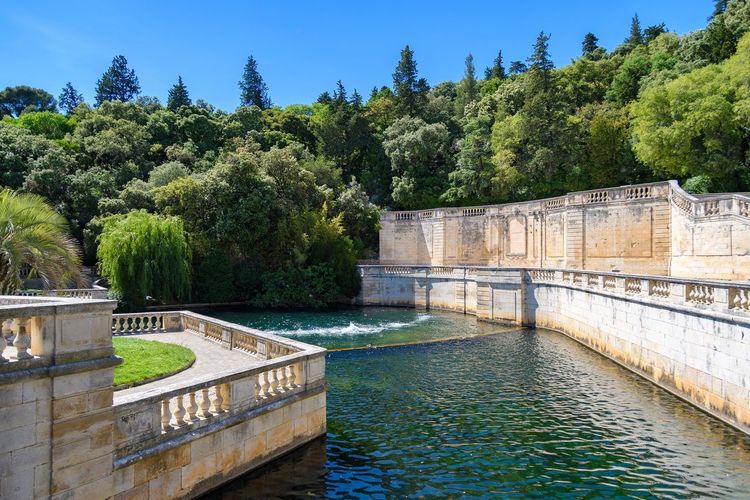
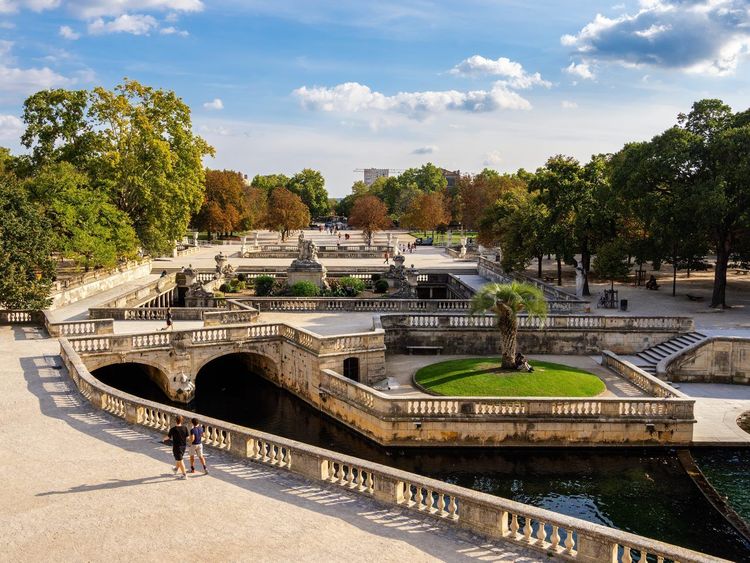
Heading northwest, the Jardins de la Fontaine occupy the site of the ancient sanctuary built around the spring that gave birth to the city. Laid out in the 18th century in the French formal style, they are among the first public gardens in Europe and remain one of the rare shaded spots in the city center in summer. Wander between basins, sculpted balustrades, and the ruins of the Temple of Diana before tackling the climb to the tower. The people of Nîmes come here to picnic at weekends — a good sign for such a central site.
At the top of Mont Cavalier, the Tour Magne is the oldest Roman ruin in the city, built on a Gaulish oppidum that predates the conquest. Around a hundred steps lead to the top, where the panorama stretches to the Cévennes on a clear day, and sometimes all the way to the sea when the mistral blows. Bring water: the climb is in full sun and there is no refreshment point on site — a detail many visitors discover too late in the middle of July.
On the way back down toward the center, two more discreet remains each deserve a ten-minute detour. The Castellum of Nîmes is a distribution basin unique in Europe: this is where the water brought by the Pont du Gard aqueduct was divided among the different districts of the ancient city through ten lead pipes still identifiable in the stone. Access is free from the street, with no ticket or opening hours required, making it an easy stop at the end of the day.
The Porte Auguste (Boulevard Gambetta, 30000 Nîmes, rated 4.4/5 on Google with 1,385 reviews), one of the ten original gates in the ancient rampart, stands a few minutes from the more modest Porte de France: the two gateways together give a clear sense of the scale of the wall that once encircled the entire city.
The dedicated guide to the arenas of Nîmes goes into more detail on organizing this historical circuit and its seasonal opening hours — useful if you want to plan your visiting slots precisely before you set off, a stretch of the audio-guided tour that also passes the Temple of Diana and the Castellum.
Day 2: Market Halls, Street Art, and the Lively Neighborhoods of Nîmes
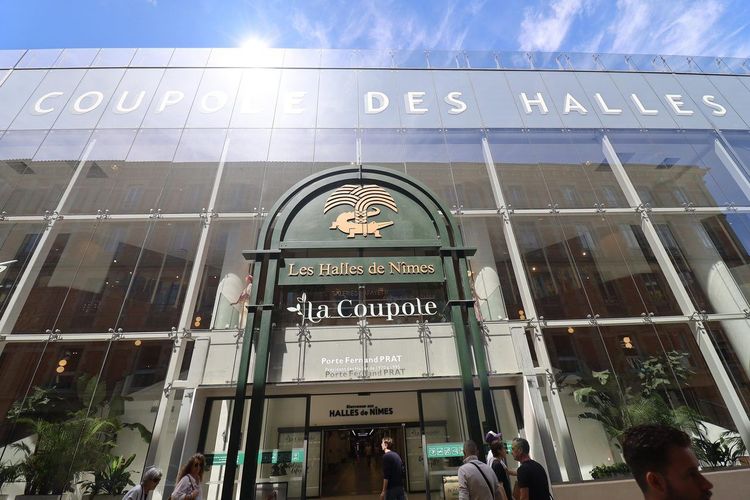
The second day shifts pace: head to the Halles for the morning market, then explore the lanes of the historic center before setting off in search of murals in the Gambetta neighborhood.
The Halles de Nîmes and the Historic Center
The Halles de Nîmes, a covered market hall from 1884, brings together around sixty vendors beneath a metal framework typical of the era. It is the ideal spot to sample local specialties before noon: olives prepared in a thousand ways, fresh brandade, Camargue bull charcuterie, and goat cheeses from the nearby Cévennes. The stalls run every morning of the week and close in the early afternoon, so plan this stop early in the day. Arrive before 10 a.m. on weekends — the market is packed after that hour and the aisles become difficult to navigate with a stroller or a large bag.
On the way out, let yourself drift through the Écusson, the name given to the shield-shaped historic center. The streets are too narrow for cars, making it one of the rare neighborhoods in Nîmes where you can truly wander without worrying about traffic, between 17th-century facades and independent shops. Some streets still bear the names of their medieval guilds — a clue to the trade once practiced there.
Make a detour through the place aux Herbes, where the Cathédrale Notre-Dame-et-Saint-Castor preserves on its facade a sculpted Romanesque frieze that tells the story of Genesis like a stone comic strip: Adam and Eve, Cain and Abel, the flood. Next door, the former bishop's palace houses the Musée du Vieux Nîmes, which we return to below. This historic center is best explored without a precise plan: it is by getting lost in the alleyways running perpendicular to the rue de l'Horloge that you most often stumble upon the details that give the city its charm — a forgotten fountain, a carved doorway, a vaulted passage that opens onto a tiny square.
Street Art in the Gambetta Neighborhood and the Atelier de Nîmes
Over recent years, the Gambetta neighborhood has concentrated most of Nîmes's street art, with monumental murals painted on blank gable walls during annual urban art festivals. Allow an hour to spot around ten works by following the streets perpendicular to the boulevard, notebook or smartphone in hand to note the artists that leave an impression. The contrast with the ancient monuments of the first day is deliberate: this trail gives a picture of Nîmes in motion, far from the static image one sometimes too quickly associates with Roman cities.
A few streets away, l'Atelier de Nîmes (1 Rue des Chapeliers, 30000 Nîmes, rated 4.6/5 on Google with 91 reviews) tells a little-known story: that of the blue cotton fabric woven locally in the 16th century and exported under the name "serge de Nîmes," which became the denim of American jeans after crossing the Atlantic. The small workshop-boutique offers pieces made on the premises and traces this textile lineage often overlooked by visitors rushing between ancient monuments. It is a fine example of the kind of detail that only a two-day stay — rather than a quick stopover — truly allows you to discover.
This second day lends itself particularly well to a free stroll through Nîmes, away from the crowds that mainly gather around the three flagship monuments of the first day.
Side Streets and Private Mansions: Exploring Nîmes a Different Way
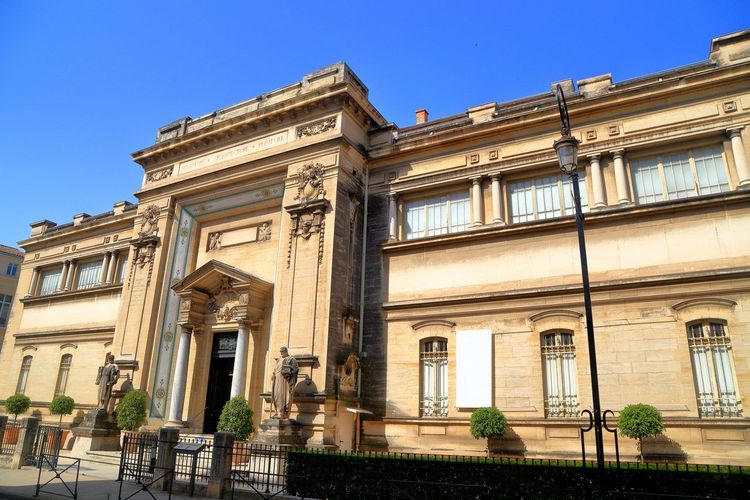
The Écusson hides a good dozen private mansions from the 17th and 18th centuries, often recognizable by their carved carriage gates and inner courtyards glimpsed through a half-open iron gate. The Musée du Vieux Nîmes, housed in the former bishop's palace, allows you to step inside one of them and view period furniture as well as collections linked to local textile history, including antique jeans and pieces in serge de Nîmes that naturally extend the visit to the Atelier seen earlier in the day.
Take the time to get deliberately lost in the small streets between the rue de l'Aspic and the rue du Grand Couvent: this is where most of these discreet facades are concentrated, well away from the main tourist routes. A paper map is more than enough — the neighborhood is compact enough that you never stay lost for long, even without an internet connection.
If time allows toward the end of the day, head up to the place du Chapitre: it is one of the rare spots in the Écusson where you can sit on a terrace while keeping several private mansions in view at once, without needing to walk any further.
Other Must-See Attractions: Museums, Lesser-Known Heritage, and Unusual Spots
If your stay extends beyond two days, or if you simply want to dig deeper beyond the arena–Maison Carrée–gardens triptych, several places are worth knowing — even though most hurried visitors have never heard of them.
Museums Not to Miss Beyond the Romanité and the Carré d'Art
The Musée des Beaux-Arts de Nîmes (Rue de la Cité Foulc, 30000 Nîmes, rated 4.4/5 on Google with 588 reviews) houses a monumental Roman mosaic as well as paintings from the French, Flemish, and Italian schools from the 15th to the 19th century, in a setting noticeably quieter than the city's other museums. It is often the most peaceful place to catch your breath for half an hour between two busier visits. The Natural History Museum, more modest and housed in a former Jesuit college, appeals mainly to families with its collections of minerals, shells, and regional fossils.
Good news for the budget: the permanent collections of the municipal museums — the Musée des Beaux-Arts, the Musée du Vieux Nîmes, and the Natural History Museum — are free to visit all year round, with only temporary exhibitions being ticketed. Plenty to fill a rainy morning or an overly hot afternoon without spending a cent, as long as you check the weekly closing days before heading out.
Unusual Spots and Lesser-Known Heritage of Nîmes
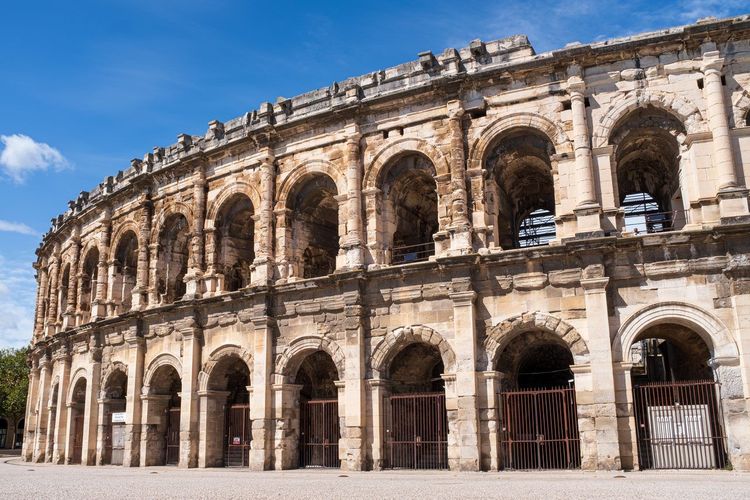
Some Roman remains deliberately stay off the beaten tourist circuit: this is the case with the underground corridors of the arena, accessible during specific visits organized on a periodic basis, or fragments of the ancient rampart integrated into residential buildings that nobody really stops to look at in passing. Every spring, the Grands Jeux Romains transform the arena into a reconstructed military camp, with gladiators, legionaries, chariots, and combat demonstrations that bring to life everything the museums explain behind glass. The event draws a much wider audience than ancient history enthusiasts alone, families included, and tickets need to be booked well in advance.
In the same spirit of off-the-beaten-track discoveries, venture up to Mont Duplan for its viewpoint over the city, or look out for the fountains and ancient wells scattered throughout the Écusson: these are the details that stay with you long after you return home, often more than the obligatory photo in front of the amphitheater.
For a broader look at this less-signposted heritage, the article unusual visit to Nîmes lists around ten off-the-beaten-track addresses, useful if you are staying more than two days or if you have already visited once before.
Around Nîmes: Pont du Gard, Gorges du Gardon, and the Petite Camargue
Nîmes is not an island: the city is surrounded by natural and heritage sites that each deserve a half-day, to be spread according to your preferences and the time you have beyond the initial two days.
The Pont du Gard and the Vallon des Escaunes
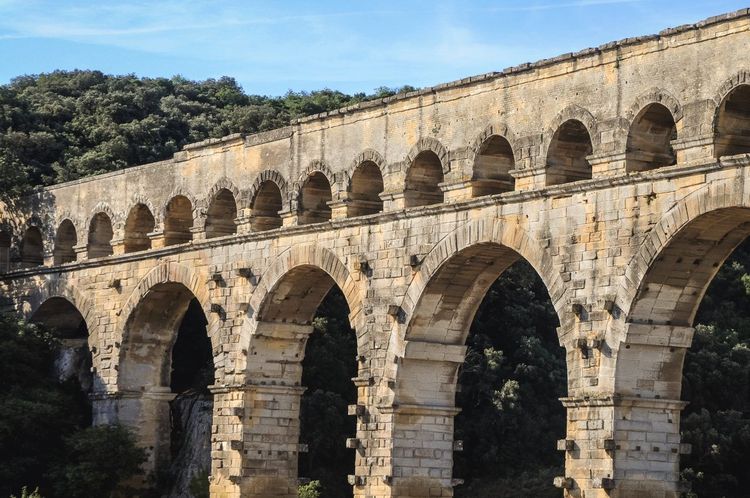
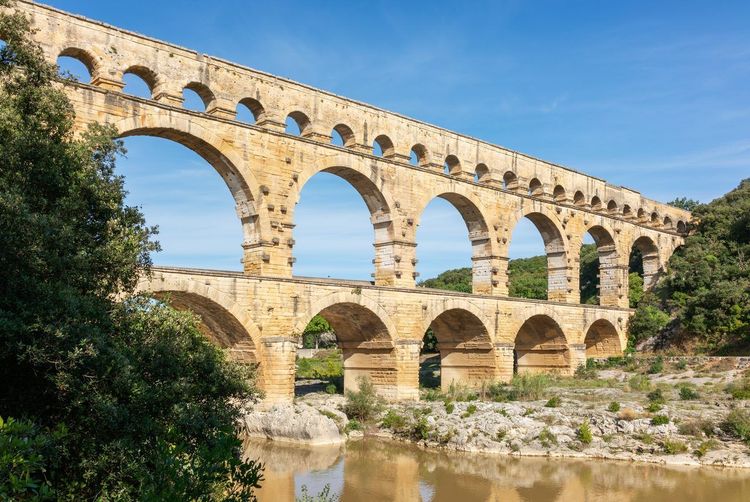
A 25-minute drive to the northeast, the Pont du Gard is the best-preserved Roman aqueduct bridge in the world: 275 meters long, 49 meters tall, three levels of arches cut without mortar and assembled dry with a precision that continues to fascinate engineers. It was part of a 50-kilometer aqueduct that supplied Nîmes with water from Uzès — an engineering feat that the Castellum visited the day before helps to understand more fully, since it was there that this same water was distributed throughout the city. Listed as a UNESCO World Heritage Site since 1985, the site can be visited freely from the riverbanks, or more closely via the dedicated museum on the aqueduct, which explains the construction work with full-scale models.
Less well known, the vallon des Escaunes at Sernhac conceals two tunnels cut to carry the aqueduct through the hillside rather than around it. The hike connecting them, shaded and rarely crowded even in high season, offers another way to follow the route of the Roman water without the crowds that gather at the Pont du Gard in summer.
The guide visiting the Pont du Gard details opening times and the best photo viewpoints at both sites, as well as the time slots to avoid in July and August.
The Gorges du Gardon: Hiking and Swimming
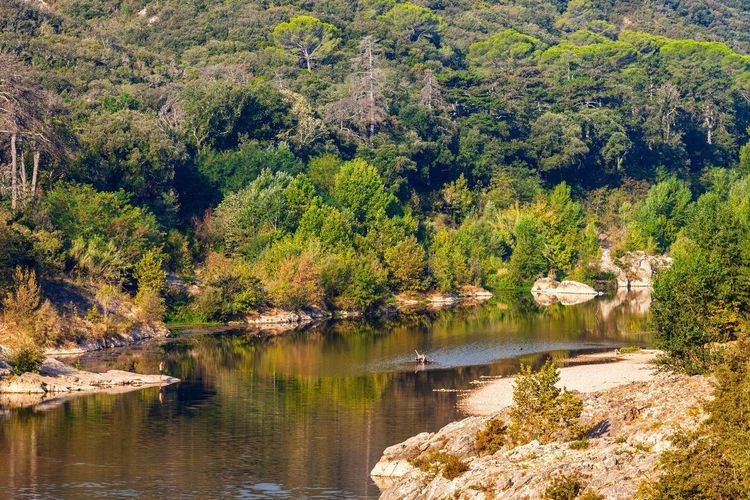
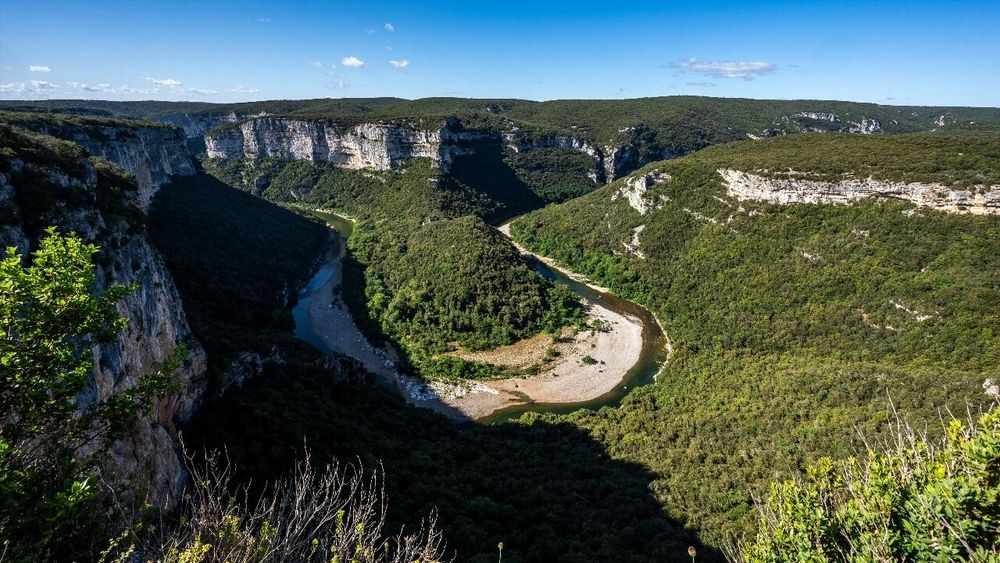
Further north, the Gorges du Gardon carve a limestone canyon over nearly 20 kilometers, between steep cliffs and turquoise pools perfect for swimming in summer. The Collias area, the most convenient starting point from Nîmes, offers canoe rental and several marked trails along the river, ranging from the most family-friendly to the most demanding for a full day's walking.
If you are planning to swim, arrive early: the car parks closest to the most photogenic pools fill up by 10 a.m. in July and August, requiring a longer walk to find a spot. A reliable backup plan is to choose a trail along the heights, less crowded and far cooler thanks to the shade of the holm oaks, with views over the canyon that make the detour worthwhile even without a swim. Be aware of prefectoral orders closing access to the massif on days of high fire risk, which are common in July and August: check the situation on the morning itself before setting out.
Hiking Through the Garrigue, Right on the City's Doorstep
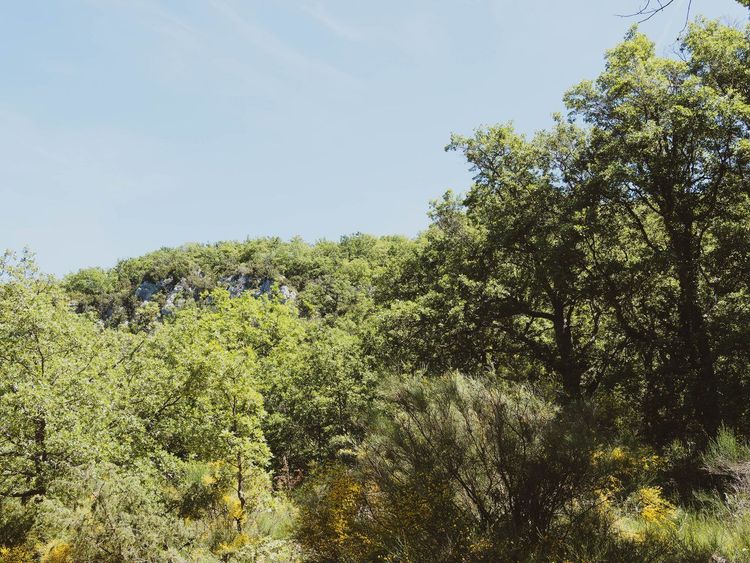
There is no need to drive far to go walking. To the north of Nîmes, the garrigue begins practically at the edge of the last apartment buildings, with its holm oaks, dry-stone walls, and capitelles — those round dry-stone huts that farmers built without mortar to shelter between rows of vines. The Bois des Espeisses, accessible by bus from the center, offers short loops of one to two hours, perfect for a late afternoon or to keep children occupied once they have had enough of museums.
More ambitious walkers will find their fill on the long-distance trails that cut through the Gorges du Gardon toward Uzès and the Pont du Gard: the route passes caves, hermitages clinging to cliff faces, and viewpoints that no road reaches. Allow a full day, bring two liters of water per person in summer, and keep in mind that shade is scarce once you leave the valley floor.
The Petite Camargue and the Abbatiale de Saint-Gilles

Half an hour to the south, the Petite Camargue offers a landscape radically different from the limestone hills to the north: marshes, lagoons, and reed beds where Camargue bulls and horses graze in semi-freedom. The Scamandre nature reserve offers boardwalk trails for watching flamingos and herons without disturbing them — a good option for a more contemplative afternoon after two days of intensive urban walking.
Along the way, the Abbatiale de Saint-Gilles (Place de la République, 30800 Saint-Gilles, rated 4.6/5 on Google with 254 reviews) deserves a thirty-minute stop: its sculpted Romanesque facade, one of the richest in Provence, once illustrated biblical scenes for pilgrims on their way to Compostela. Also listed as a UNESCO World Heritage Site as part of the pilgrimage routes to Santiago de Compostela, it houses a crypt that is more sober and almost austere — a deliberate contrast to the abundance of sculptures on the exterior facade.
Extending Your Stay: Nîmes in 3 Days, Modern Side or Petite Camargue
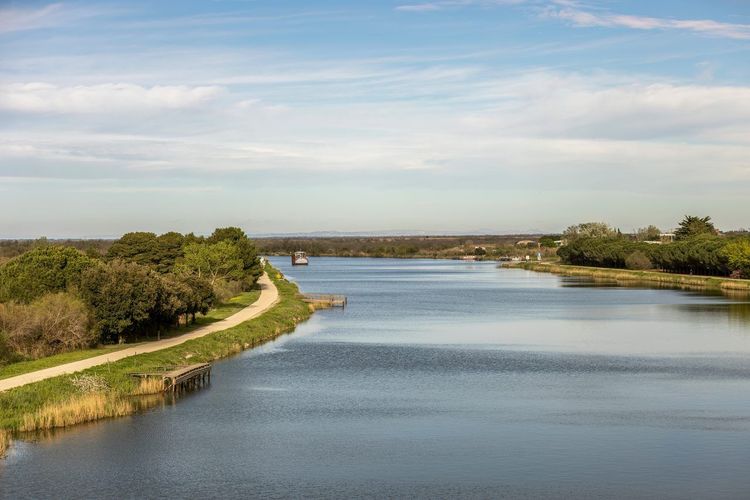
If your schedule allows, a third day opens up two fairly contrasting directions, and both are worth considering according to your mood at the time rather than any fixed order.
The first option is to explore modern Nîmes: the Nemausus district, a residential building designed by architect Jean Nouvel in the 1980s, still draws architecture students who come to photograph it from the boulevard. Add a walk through the designer boutiques around the rue de la République and a break at one of the cafés that have opened in recent years near the Carré d'Art, far from the strictly ancient image one often has of the city before ever setting foot there.
The second option extends the day spent in the Petite Camargue toward Aigues-Mortes, a 13th-century fortified town entirely surrounded by ramparts, forty minutes by road. Climb the battlements for a panoramic view over the surrounding salt marshes, then head to the Camargue beaches if the day still allows. The atmosphere there is deliberately slower than in Nîmes: the inner alleyways can be explored without a map, and the low evening light on the ramparts alone justifies the trip.
A third option if you are traveling by train or bus: Uzès is reachable in about forty minutes and pairs perfectly with the Pont du Gard in the same day: its duchy, its arcaded place aux Herbes, and its Saturday morning market make for a short but memorable stop on a much more human scale than Nîmes.
To plan this third day, also take a look at the most beautiful villages around Nîmes, which lists human-scale stops that are often overlooked by visitors rushing straight to the Pont du Gard.
Where and What to Eat in Nîmes: Local Specialties and Good Addresses

The cuisine of Nîmes blends Provençal and Camargue influences, with a few specialties you will not really find anywhere else in France in quite the same form.
Local Specialties of Nîmes to Try
The brandade de Nîmes, a purée of desalted cod whipped with olive oil, remains the city's most iconic dish and appears on almost every restaurant menu, often served as a golden gratin from the oven. Tapenade, a paste of black olives and capers, is said to have originated in the kitchens of Nîmes at the end of the 19th century before spreading throughout Provence in slightly different variations. On the meat side, gardiane de taureau, slow-braised in a red wine from the Costières de Nîmes, reflects the immediate proximity of the Camargue and its herds. Also try the petit pâté nîmois, a flaky pastry turnover filled with meat, sold individually at bakeries and perfect for a quick lunch between monuments. Finish with croquants Villaret, dry almond biscuits made in the same shop on the rue de la Madeleine since the 18th century, with a recipe passed down unchanged from one generation to the next.
On the drinks side, the wines of the Costières de Nîmes — an appellation in their own right stretching to the edges of the Camargue — pair well with most of these hearty dishes, particularly the tannic reds that stand up to the gardiane.
Our Top Picks: Restaurants and Markets
For a quick and authentic lunch, the Halles remain the best option: several stalls offer takeaway dishes prepared the same morning, to eat on a nearby bench or as a picnic in the Jardins de la Fontaine. In the evening, favor the terraces of the Écusson around the place aux Herbes, where several addresses reinvent regional cuisine without betraying its spirit, with menus that change with the seasons rather than staying fixed year-round.
Two useful habits before booking. First, many restaurants in the center close on Sunday evening and Monday, including during the season: check the day before rather than wandering around once you are there. Second, budget around 15 to 20 euros per main course at a good table in the center, a little less in the bistros of the Gambetta neighborhood, and noticeably more on terraces with a direct view of the arena, where the location costs as much as the food.
To go further, the top 10 culinary specialties of Nîmes and our restaurant guide for Nîmes list addresses sorted by budget and neighborhood, useful if you want to book ahead during high season.
Where to Stay in Nîmes: Our Recommendations by Budget
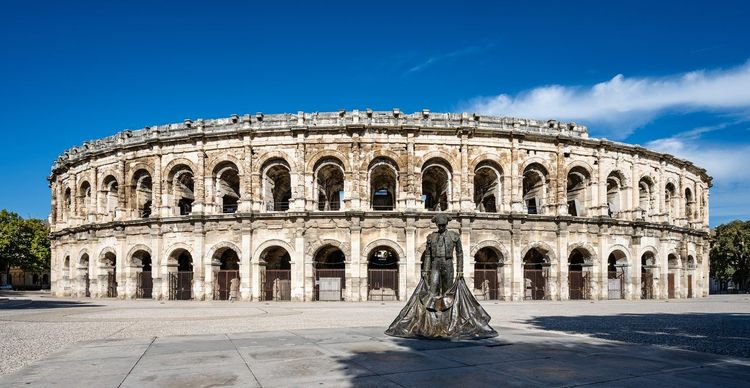
The choice of neighborhood matters almost as much as the choice of hotel: it is better to sleep in the Écusson or near the arena to do everything on foot over two days without depending on a car or bus.
Hotels in the City Center and Near the Arena
At the budget end, expect between 70 and 90 euros per night for a basic room a few minutes' walk from the arena, often in well-located chain hotels with no particular surprises. The mid-range, between 100 and 150 euros, gives access to charming addresses in former private mansions in the Écusson, with inner courtyards and tasteful decoration that plays precisely on the 18th-century heritage mentioned above. Above 200 euros, a few upmarket establishments play the restored heritage card — French ceilings and exposed stone included — often with a rooftop pool that is rare enough to be worth mentioning in such a mineral city.
One thing to plan ahead: the historic center is largely pedestrianized and parking is limited. If you are arriving by car, ask your hotel whether it has an arrangement with an underground car park, which often works out cheaper than the full daily public parking rate.
Other Options: Hostels and Apartment Rentals
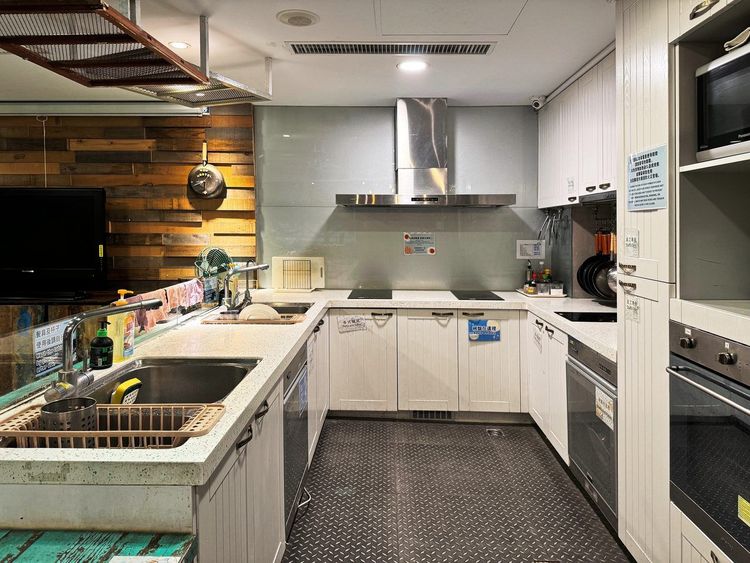
The HI Nîmes youth hostel, located in a quiet neighborhood ten minutes from the center, remains the most economical option for tight budgets, with dormitories and a few private rooms for those wanting more privacy without breaking the bank. Apartment hotels work well for longer stays thanks to their kitchenette — a practical option if you plan to cook with produce bought at the Halles. Camping is mainly available on the outskirts, toward the route d'Alès, for travelers with a van or tent who prefer the open air.
One last and important reminder: book very early if your stay falls during the Feria de Pentecôte or the Feria des Vendanges in September. Both events fill the entire city, rates can double, and the last available rooms end up on the outskirts. If you are looking for a different experience for one night, a few unusual accommodations in the Gard are also worth considering outside the city center, from treehouses to quirky hideaways in the surrounding garrigue.
When to Visit Nîmes: Climate and Best Season
Nîmes has one of the hottest and driest climates in mainland France, which makes a significant difference depending on the season you choose for your stay.
Spring (April to June) and early autumn (September–October) offer the best compromise: temperatures around 20–25°C, generally clear skies, and reasonable crowds at the main sites without the queues that build in peak season. Summer, on the other hand, regularly sees the thermometer exceed 35°C in July and August, making visits to open-air monuments in the midday heat grueling; the Feria de Pentecôte and the Feria des Vendanges in September also bring heavy crowds, worth anticipating if you are after peace and quiet rather than a festive atmosphere. Winter remains mild compared to the rest of the country, with occasionally reduced opening hours at some sites and the definite advantage of being able to photograph the monuments without anyone in the frame.
A word on the wind: the mistral blows for several dozen days a year, mainly in spring. It freshens the air and clears the sky, making it the best ally for photos from the Tour Magne, but it also makes terrace dining uncomfortable and canoeing on the Gardon noticeably more challenging. Autumn, for its part, concentrates most of the rainfall into a few brief but intense Cévennes episodes, which are rarely a problem over a two-day stay as long as you keep a museum visit in reserve.
How to Get to Nîmes: Train, Car, and Plane
Nîmes has direct connections from several major French cities, making it an easy destination to combine with a short weekend break without losing a full day in transit.
From Paris by High-Speed Train
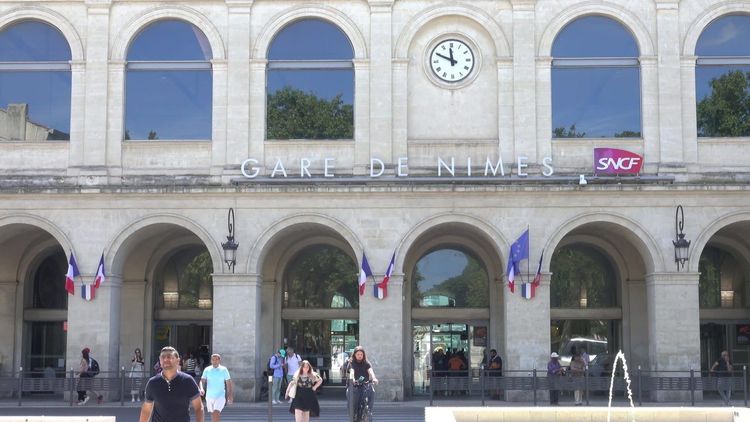
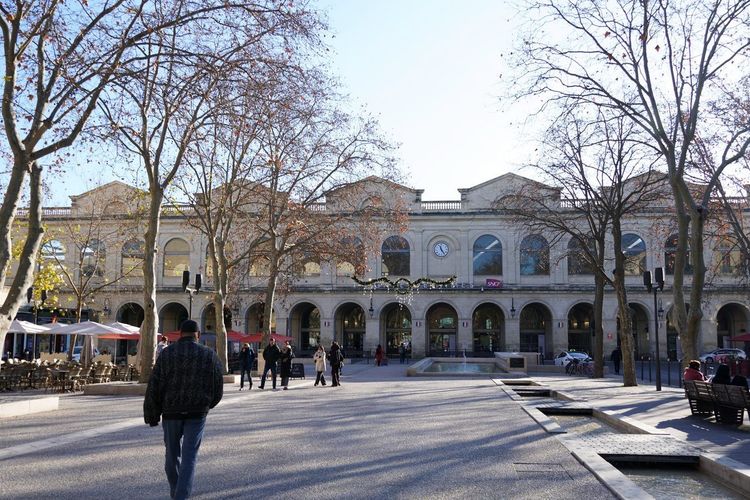
From Gare de Lyon, the direct TGV takes approximately 3 hours to reach Nîmes, with a choice between two stations. Nîmes centre station is the most convenient for a two-day stay: it is about ten minutes' walk from the arena, at the bottom of the avenue Feuchères, which means you can start exploring straight away without any additional transport. Nîmes Pont du Gard station, which opened at Manduel at the end of 2019, is more out of the way but is connected to the center by shuttle and well positioned if you are heading straight to the Pont du Gard. Book several weeks in advance in high season to get the best fares: the price difference versus last-minute booking can easily double on the most in-demand Friday evening slots.
From the Southeast and Southwest
From Marseille, allow around one hour by road via the A54, and barely thirty minutes from Montpellier via the A9, making Nîmes accessible as a day trip from either city. From Toulouse, the drive takes just over two hours via the A61 then the A9. The regional train is often the best option on these shorter routes: TER services connect Montpellier in around thirty minutes and Avignon in about half an hour, at fares that bear no comparison with the TGV, while Intercités services on the Bordeaux–Marseille axis serve Nîmes from the southwest.
Nîmes-Alès-Camargue-Cévennes airport, located around fifteen kilometers southeast of the city, mainly handles seasonal low-cost flights to a few European destinations, while Montpellier airport, 45 minutes away, remains the most consistent year-round option for arriving by air. Once there, a car quickly becomes unnecessary: the two days described here are done entirely on foot, and the urban bus network is more than adequate for the occasional longer journey, such as getting up to the Bois des Espeisses.
Practical Tips: City Pass, Tourist Train, and Guided Tours
A few options can save you time and sometimes money, provided you plan your itinerary carefully in advance rather than deciding on the spot.
The Nîmes City Pass: Worth It or Not?
The Nîmes City Pass, available in 24-hour, 48-hour, or 72-hour versions, gives access to the arena, the Maison Carrée, the Tour Magne, and the musée de la Romanité, along with discounts on other activities and sometimes at partner restaurants. It becomes worthwhile as soon as you plan to visit at least three of the four main paid sites: bought separately, the combined ticket prices quickly exceed the cost of the 48-hour pass, which corresponds precisely to the length of the itinerary described in this guide. Do check the closing times before buying the 24-hour version, as some sites close earlier than expected out of season.
If you are only targeting the Roman monuments, a combined ticket for the arena, the Maison Carrée, and the Tour Magne also exists and works out cheaper than three separate entries: this is the most suitable option for a short stay focused on ancient heritage, especially since the municipal museums are already free. Both options can be purchased online or on site, and the skip-the-line ticket saves real time at the arena entrance on spring weekends.
Guided Tour or Tourist Train
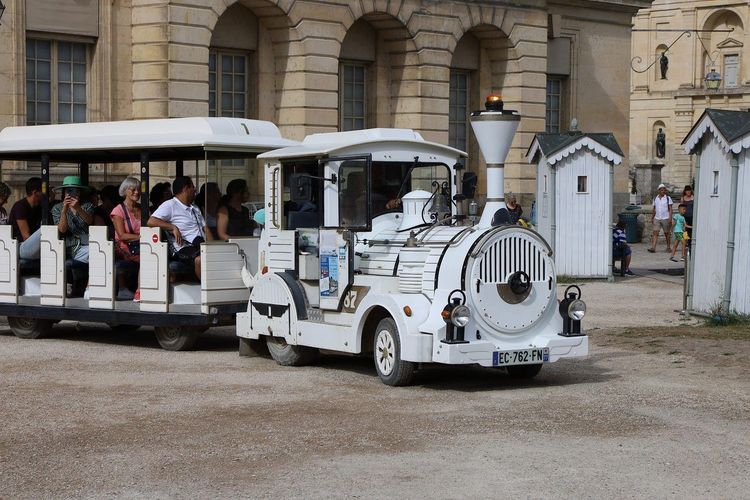
The tourist train covers the main monuments of the center in around 45 minutes — a practical option with children or in intense heat to get your bearings before returning on foot. The tourist office also offers guided group walking tours on a booking basis, with a dedicated slot in French and sometimes in English depending on the season, as well as occasional themed tours around textiles, gardens, or hidden heritage. For a visit at your own pace without depending on a fixed group timetable, the Ryo audio guide remains a flexible alternative, activatable site by site according to where you are in the city and how long you feel like lingering at each stop.
Visiting Nîmes in 1 Day, With Kids, or for Free: Adapting Your Stay
Not everyone has two full days available, and the itinerary above can easily be condensed or adapted to suit your situation and priorities.
To visit Nîmes in 1 day, focus on the arena, the Maison Carrée, and the Jardins de la Fontaine in the morning, then the Halles and a walk through the Écusson in the afternoon: this is the heart of the first day in this guide, doable in a single packed day if you start early. For a tight budget, know that the Jardins de la Fontaine, the exterior facades of all the ancient monuments, the Castellum, the murals in the Gambetta neighborhood, and the permanent collections of the municipal museums are all free, as is wandering the Écusson and the Carré d'Art terrace. A completely free day in Nîmes is therefore perfectly achievable, which is far from the case in every heritage city.
With children, the city naturally revolves around the arena, where educational workshops are offered at certain times of year, and the musée de la Romanité, whose interactive features hold attention far better than a simple display case with nothing to touch. The Petite Camargue, with its animals visible from the boardwalk trails, rounds off a day designed with younger visitors in mind very nicely, and the lawns of the Jardins de la Fontaine provide the essential decompression space between two visits.
Finally, for ideas on what to do in Nîmes in the evening, count on the illuminated arena — particularly photogenic after sunset — and the lively terraces of the place aux Herbes, where the nightlife is relaxed without being nonexistent. For a condensed and thematic take on the city, the audio-guided tour of Nîmes, short version: the French Rome covers the essentials of the ancient heritage in a single listening session — a format suited to those who genuinely have only one day to spare.
FAQ
How long does it take to visit Nîmes?
Two days are enough to cover the essential ancient heritage and lively neighborhoods of the city center. A third day allows you to add the Pont du Gard, the Gorges du Gardon, or the Petite Camargue without rushing the pace of your stay.
Can you visit Nîmes in a single day?
Yes, by focusing on the three flagship monuments (the arena, the Maison Carrée, the Tour Magne, and the Jardins de la Fontaine) in the morning, then the Halles and the Écusson in the afternoon. The schedule will be packed but entirely manageable if you start early.
What is the best time to visit Nîmes?
Spring and early autumn offer the best conditions, with pleasant temperatures and reasonable crowds at the main sites. Summer can be grueling due to the heat, often above 35°C in July and August.
Can you visit Nîmes for free?
The Jardins de la Fontaine, the facades of the ancient monuments, the Castellum, the street art trail in the Gambetta neighborhood, and the permanent collections of the municipal museums are all free to visit. Only the interiors of the arena, the Maison Carrée, the musée de la Romanité, and the Tour Magne are paid.
Is the Nîmes City Pass worth it?
It becomes worthwhile as soon as you plan to visit at least three of the four main paid sites in the city, especially with a 48-hour pass that matches a two-day stay like the one described here.
What is there to do in Nîmes with children?
The arena and the musée de la Romanité offer child-friendly activities, and the Jardins de la Fontaine provide a large shaded space for a picnic break between visits. The Petite Camargue, with its flamingos and horses, rounds off a great family day.
What is there to do in Nîmes in the evening?
The illuminated arena after sunset is well worth a look, as are the terraces of the place aux Herbes and the lively side streets of the Écusson. In summer, concerts or screenings sometimes take place directly inside the amphitheater.
Two days in Nîmes are enough to understand why the city has earned its nickname of the French Rome, without confining it to its ancient past alone: between the arena, gardens, street art, and local specialties, the itinerary stays balanced from the first meal to the last. If you feel like extending your stay, the Pont du Gard and the Petite Camargue are never far away, and the Ryo audio guide for Nîmes remains available to accompany every step of your visit, including the Castellum, whether for a full weekend or a single day stopover.
À lire également