© Shutterstock
 Votre guide Ryo
Free Vichy: The 2026 Guide to Springs, Parks and Heritage to Visit Without Paying
Free things to do in Vichy often start with a glass of water: just hold out your cup at the public drinking fountain of the Source des Célestins to taste the same sparkling water sold in bottles all over France, without spending a cent. This thermal generosity runs through a large part of the visit that can be done without opening your wallet, from the Ryo audio-guided tour of Vichy to the shaded paths of the Parc des Sources. The town owes its silhouette as an imperial spa resort to Napoléon III, who stayed there several times from 1861 and turned a discreet thermal town into a fashionable destination: the legacy can still be seen today in the Allier parks, the façades of the Grand Casino and the Belle Époque glass roofs that followed them.
Throughout this guide, you will come across an Art Deco covered market where no one asks you to buy anything just to wander, a municipal programme called Vichy Vitalité that offers yoga, kayaking or Nordic walking with no registration fee, and gorges carved by the Sioule less than forty minutes away by car. You will also find a sandy beach on the banks of the Allier, chess tables open to everyone in the parks, and a village ranked among the most beautiful in France within driving distance. These are all ideas that tell, each in its own way, the story of a town that long healed bodies and continues, free of charge, to feed the curiosity of those who stroll through it.
1. The Parc des Sources, the Hall des Sources and the Source des Célestins
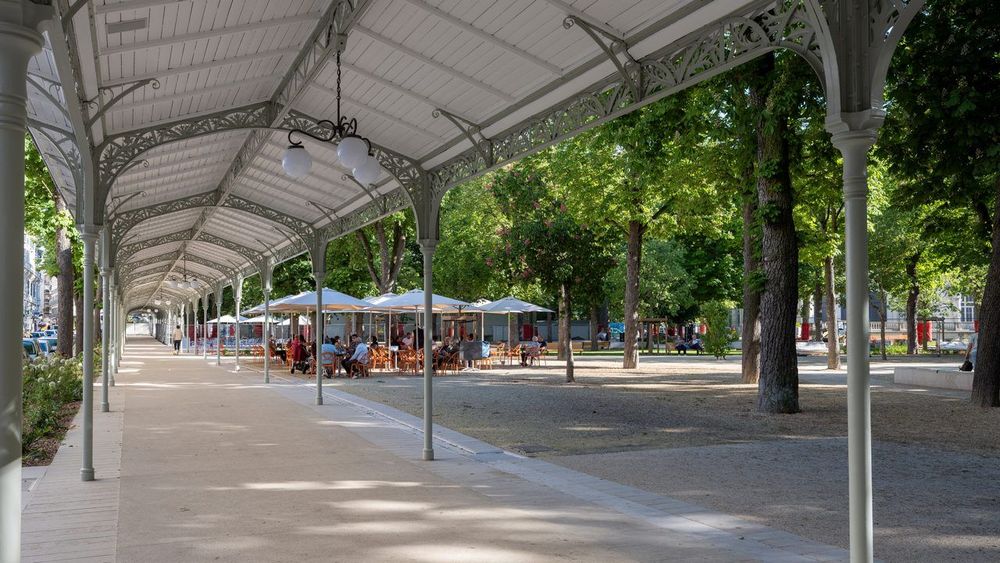
The Parc des Sources forms the historic heart of the spa town, a rectangle of greenery planted with century-old plane trees where spa guests and strollers have crossed paths for over a hundred years. Entry is free, day and evening, and the bandstand at its centre still hosts concerts in season. You can settle in with a picnic, read on a shaded bench or simply cross the park to reach the town centre: no barriers, no tickets, only the quiet bustle of a town that has built its whole identity on water.
The park is ringed by a long cast-iron covered gallery, designed so that spa guests could move from one establishment to another without fearing the rain: it is what gives the place its look of an open-air lounge. From June to September, the bandstand schedules concerts almost every week, often performed by the municipal band or guest ensembles, in the late afternoon and without booking. Several generations of Vichy residents have taken their first steps there, walked their dogs or simply watched the parade of spa guests from all over the world.
The Hall des Sources and Its Belle Époque Galleries
The Hall des Sources closes off the park beneath a large metal glass roof built in 1903 by the architects Charles Le Cœur and Lucien Woog, modelled on German Trinkhallen. It houses the Chomel and Grande Grille springs, which remain reserved for spa guests with a medical prescription; strolling through, however, is open to all, among the ceramic drinking fountains and the railings decorated with Art Nouveau motifs, often without meeting more than a handful of visitors in the low season.
The architecture deserves a look up: the ironwork echoes floral motifs typical of Art Nouveau and light falls from the glass roof along the whole length of the nave. Allow about twenty minutes to walk around, longer if you linger over the panels that tell the story of Vichy's waters. Photographers prefer the morning light, which passes through the glass without the afternoon reflections.
The Source des Célestins: Tasting Thermal Water at the Drinking Fountain
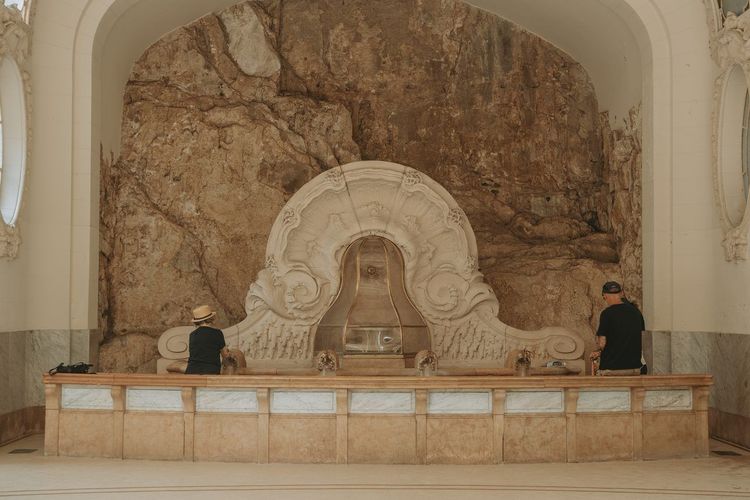
A few minutes' walk from the Hall, heading down towards the Allier, the small Célestins park holds the pavilion of the Source des Célestins (Boulevard Kennedy, 03200 Vichy, rated 4.5/5 on Google from 1,931 reviews), the only Vichy water that can be drunk without a prescription. A public tap lets flow the water that gives its name to the brand sold in supermarkets, at a rate of some 40 million bottles a year. The slightly salty, mineral taste often surprises first-time visitors: it has nothing to do with a flavoured sparkling water. Bring your own cup or bottle: the water is free, the container is not.
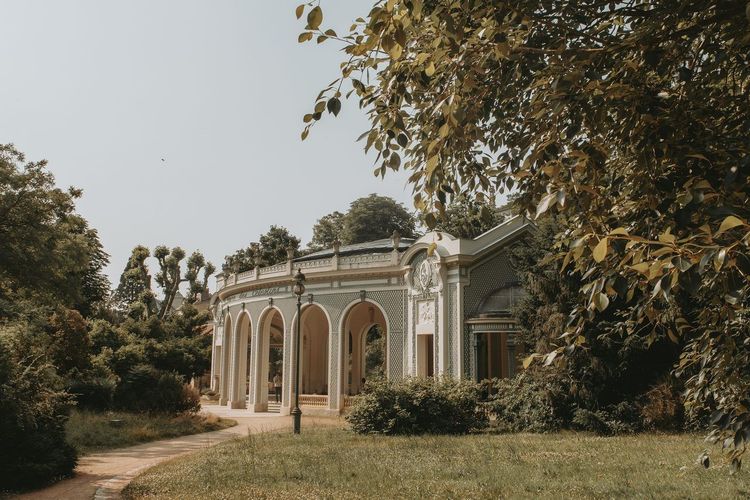
The current pavilion, elliptical in plan, was designed by Lucien Woog in 1908 in the spirit of 18th-century French architecture, then altered in 1928. If you want to understand how this water shaped the whole town, from the fashion for cures under the Second Empire to the bottling plants, the Ryo audio-guided tour dedicated to Vichy devotes several stops to the "water fever" and pauses at the foot of the Hall des Sources, phone in your pocket and headphones on your ears.
2. Saint-Blaise Church, Religious Heritage Open to All
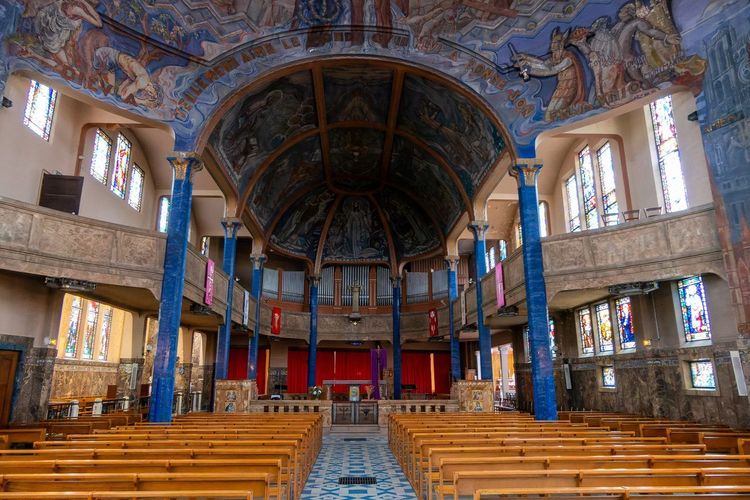
The Saint-Blaise Church (Place d'Allier, 03200 Vichy, rated 4.6/5 on Google from 1,175 reviews) actually hides two connected buildings: the original small Saint-Blaise church, built in 1714, and the Notre-Dame-des-Malades Church, built between 1925 and 1933 by the architects Antoine Chanet and Jean Liogier to welcome crowds of Catholic spa guests. The complex, protected as a historic monument, remains open during the day, outside services.
Don't expect much from the façade: the reinforced-concrete exterior is deliberately austere. The shock comes when you push open the door. The Art Deco decor, by the Mauméjean workshops, combines gilded mosaics, white marble, onyx and lapis lazuli; the dome recounts episodes of sacred history around the Trinity, and the baptistery chapel shows the baptism of Clovis. Allow fifteen to twenty minutes, ideally in the late afternoon when the stained glass colours the nave. The Vichy audio-guided tour also stops in front of the church for a short audio stop on this hybrid architecture, handy if you want to know more without a paper brochure.
3. Napoléon III Park and Kennedy Park, a Stroll Along the Allier
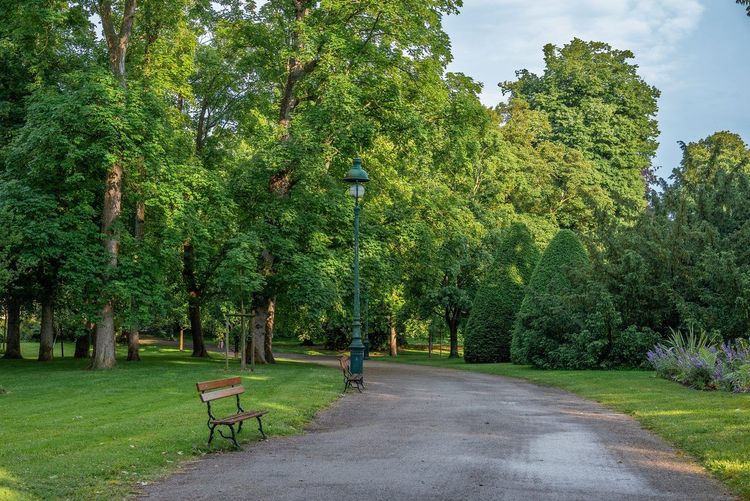
Between the spa centre and the river, two parks follow one another along the same promenade and on their own offer a good share of the free walks for anyone who likes to wander without a set route.
Napoléon III Park, an English-Style Garden by the Water
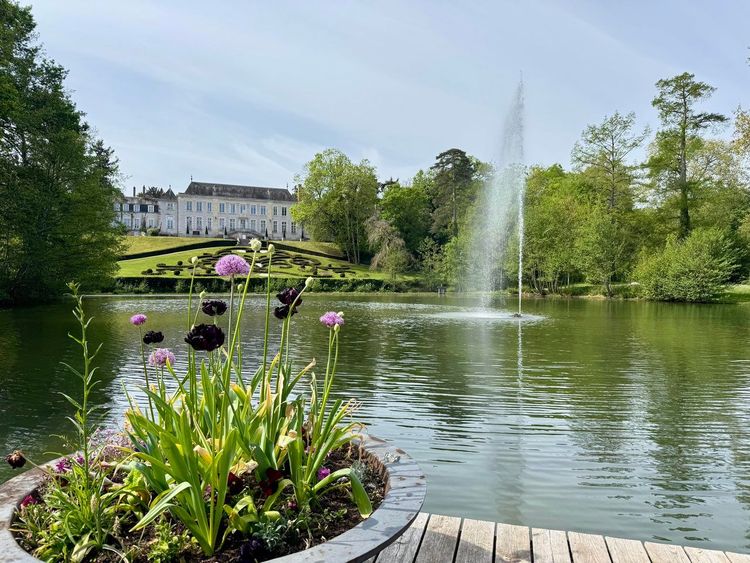
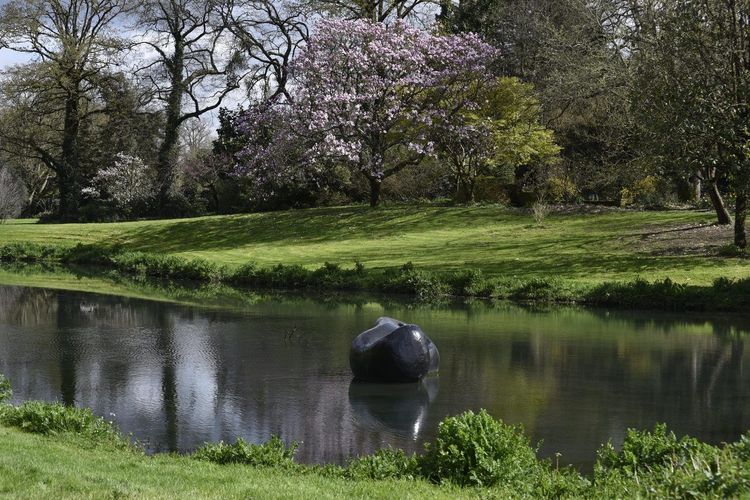
The Napoléon III Park owes its name to the emperor who had the Allier parks laid out in the 1860s, reclaiming the river's marshy banks. The garden, designed in the English style, blends lawns, flower beds, exotic trees and small ponds where ducks sometimes nest. You will mostly meet locals on their lunch break and retirees chatting on benches, far from the bustle of the shopping centre two streets away.
Entry is free and permanent, and the flower beds are renewed several times a year by the municipal services. Along the paths, the chalets built for the imperial retinue, with their carved wooden balconies, are a reminder that the emperor and his court came here to take the waters in grand style.
Kennedy Park and the Promenade Along the Allier Banks
Continuing south, the Kennedy Park (Boulevard Kennedy, 03200 Vichy, rated 4.7/5 on Google from 231 reviews) unrolls its lawns as far as the Allier lake, with children's play areas and direct access to the promenade that runs along the water for several kilometres. It is where the town gathers on Sunday afternoons, among joggers, families and cyclists.
One stop on the Ryo audio-guided tour evokes precisely the stay of the imperial court along these parks: a way to combine the walk with history without any third-party app to download. Allow an hour to link the two parks on foot, enjoying every corner, a little less if you head straight for the Célestins beach.
4. The Vichy Vitalité Programme: Free Sport and Well-Being All Year Round
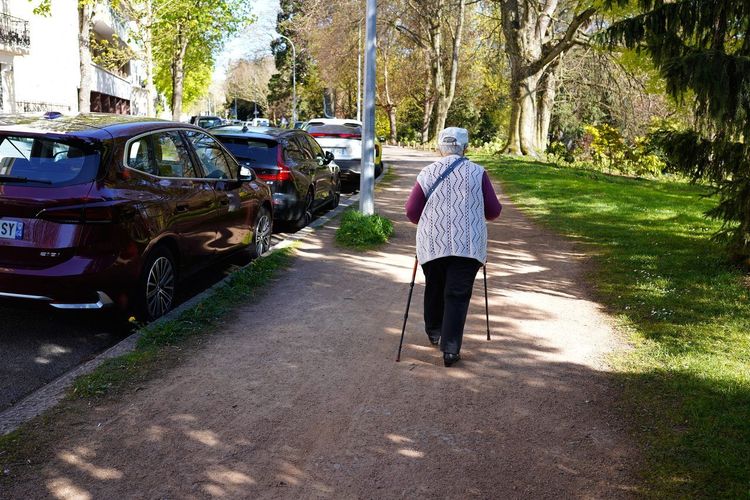
Launched by the municipality under the motto "Move, breathe, smile", the Vichy Vitalité programme brings together more than 40 free activities throughout the year: sports introductions, health talks and nutrition workshops, led by the town's sports clubs and "health and well-being" partners. Registration depends on the time slot, on site or online for the most popular sessions.
The list is dizzying: yoga, hiking, kayaking, rowing, golf, fencing, aquafitness, circus skills, table tennis, krav maga or general fitness. Above all, remember that almost every classic discipline has its introductory session, often run by a local club that takes the opportunity to recruit new members. The programme is published quarterly; the one for September to December 2026 can be downloaded from the city's website.
Yoga, Nordic Walking and Gentle Outdoor Fitness
The most visible part takes place outdoors: morning yoga sessions near the parks, supervised Nordic walking along the Allier and general fitness workshops open to all levels. Several associations share the slots, with variations such as ball Pilates or gentle yoga with music, two to three times a week depending on the season.
One useful detail: most classes ask you to bring your own mat, and places are limited on busy days. Arriving ten minutes before the start remains the surest way to get your spot, especially at weekends.
Health Talks, Nutrition Workshops and Well-Being Check-Ups

In addition to sport, Vichy Vitalité offers a cycle of health talks open to all on practical subjects: understanding sugar cravings, choosing the right fats, or nutrition quizzes led by dietitians. The Centre Communal d'Action Sociale (CCAS) for its part organises talks on memory and healthy ageing, with mental fitness workshops designed for an older audience.
These events most often take place in municipal halls. An individual fitness assessment, called Repér'Age, also lets you evaluate your mobility and physical abilities with trained supervisors; it requires prior registration with the CCAS, whereas most outdoor sessions remain open without formalities.
Vichy Vitalité Meetups and Events
The programme extends into more festive moments: group outings such as the Vichy Social Run, friendly drinks for newcomers, or sporty after-works depending on the season. The Vichy Vitalité "ambassadors", residents convinced of the benefits of physical activity, are there to welcome and motivate newcomers.
In summer, the baton is passed to "Un été vitalité", a summer version run with Vichy Communauté, while the main programme resumes in early September. If you arrive in Vichy knowing no one, these group events are probably the simplest way to meet locals while staying active. Check the city's calendar before travelling: some slots change from one quarter to the next.
5. Belle Époque Architecture: The Opera, the Grand Casino and the Shopping Galleries
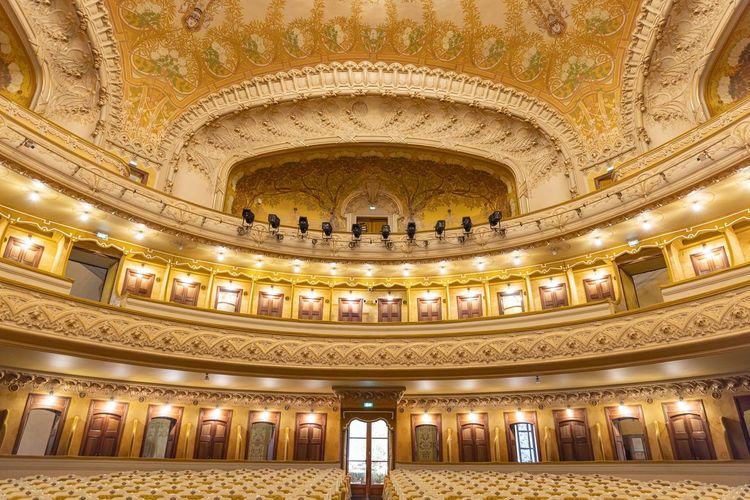
Contrary to the popular belief that spa architecture can only be visited with a ticket, most of Vichy's Belle Époque heritage can be discovered simply by walking with your head held high. It is also this heritage that earned the town its UNESCO World Heritage listing in 2021, as part of the "Great Spa Towns of Europe".
The Vichy Opera House and Its Ornate Façades
The Vichy Opera House (Rue du Casino, 03200 Vichy, rated 4.7/5 on Google from 1,429 reviews), inaugurated in 1901 to plans by Charles Le Cœur and Lucien Woog, is the only Art Nouveau opera house in France. Its 1,480 seats, its tones of gold, yellow and ivory and its pillarless metal frame make it one of the largest halls in the country after the Palais Garnier. The auditorium is reserved for ticketed performances and guided tours, but the exterior can be admired freely at any hour. It was also here that, on 10 July 1940, parliamentarians voted full powers to Marshal Pétain.
The Grand Casino and the Palais des Congrès
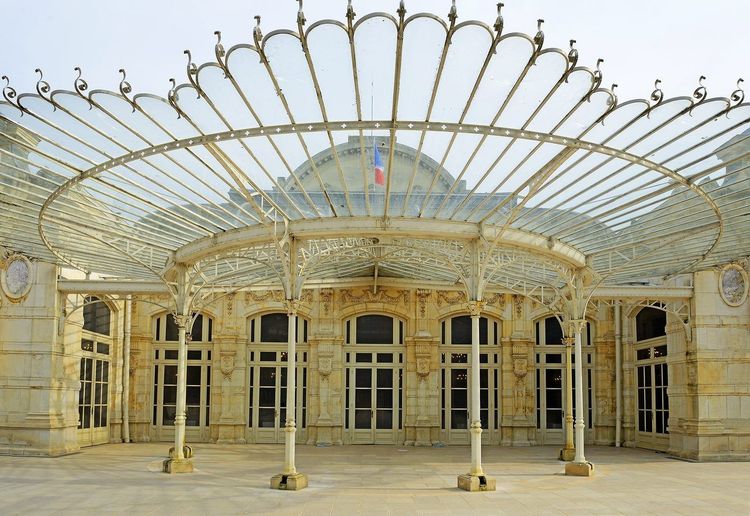
Right next door, the former Grand Casino, built in 1865 by the architect Charles Badger at the request of Napoléon III, connects directly with the Opera. Since 1995, it has housed the Palais des Congrès; the gaming has moved to another establishment. The façade, with its arcades and balustrades, sums up the spirit of the Second Empire spa resort, and you can walk beneath the outer arcades without having to justify your presence.
The best time to photograph these façades is late morning on weekdays, when the light hits the stone head-on and the groups have not yet taken over the square.
The Covered Galleries and Passages of the Town Centre
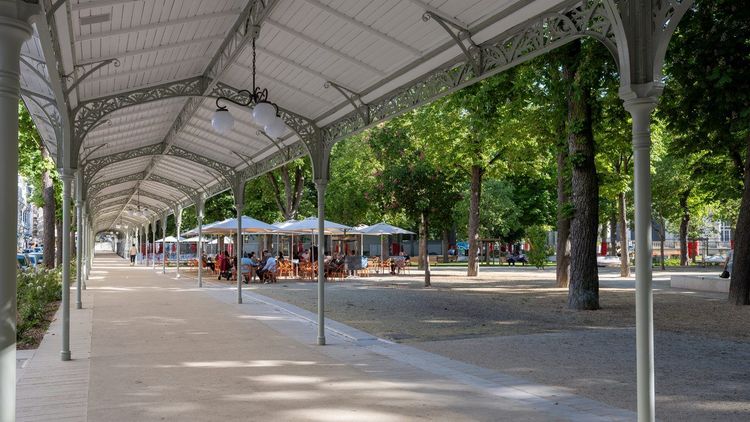
Between the Opera and the shopping streets, several covered galleries have kept their original glass roofs and ironwork, designed so that spa guests could stroll under shelter between treatments. These passages, often overlooked by visitors in a hurry, are worth a photo stop for their mosaic floors and old shop windows.
Would you rather have these façades explained to you than decipher them alone? The Ryo audio guide to Vichy passes through this Belle Époque centre and comments on the Opera and the Grand Casino, with anecdotes about the spa guests of yesteryear that you won't find in any paper guide. Allow a good hour to explore this architectural triangle without rushing.
6. Strolling Through the Shopping Galleries and Historic Shopping Streets
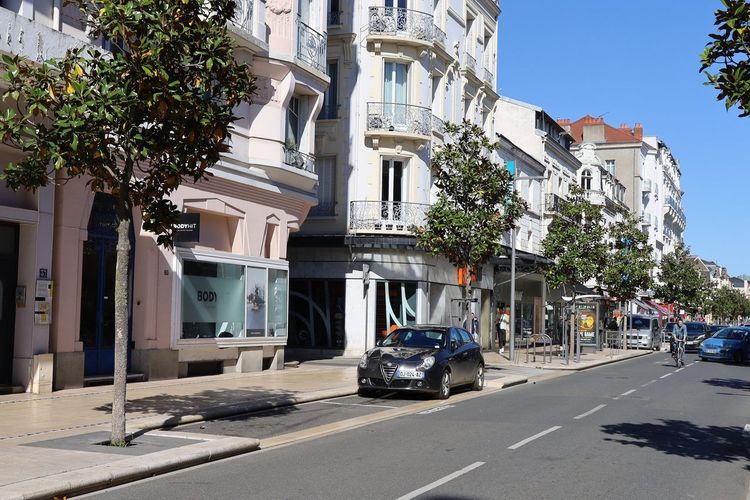
Window shopping takes on another dimension in Vichy: the rue de Paris and neighbouring streets keep their Belle Époque shopfronts, with some shops occupying the same premises for over a century. There is no need to buy anything to appreciate the carved wooden windows or the hand-painted signs that survive here and there.
The place de la Liberté, in the heart of this district, brings together café terraces and public benches where locals like to stop in late morning. It is also a good starting point for exploring the historic centre on foot, since everything, from the covered galleries to the shopping streets, is within ten minutes' walk.
Shops generally open between 9:30 a.m. and 7 p.m., and many close on Monday mornings: plan your stroll for the morning or late afternoon rather than lunchtime.
7. Hiking and Mountain Biking Around Vichy
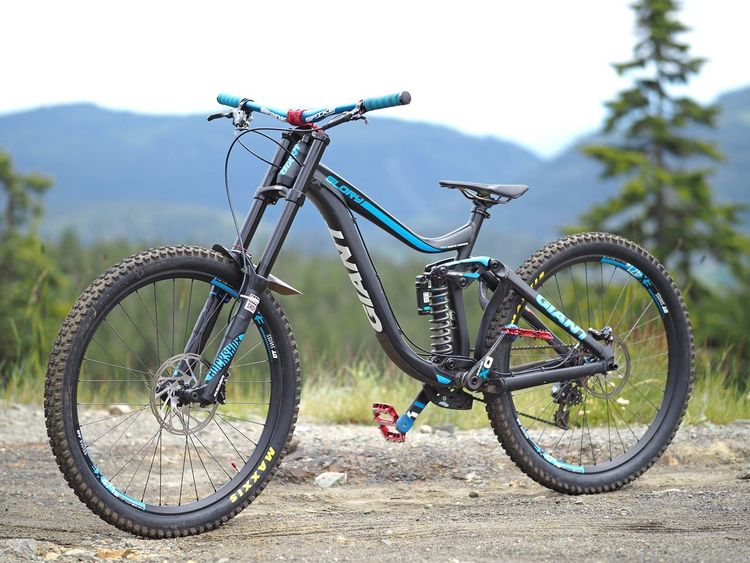
Vichy is the starting point for a whole network of trails marked by the town and local associations under the name Vichy Rando, now expanded into Vichy Randos & VTT to include cycling loops.
The Marked Trails Along the Allier
The path that follows the banks of the Allier remains the most accessible: flat, shaded in places, it links the town centre to neighbouring villages over several kilometres with no notable elevation. Signs indicate distances and estimated walking times, a useful guide for planning your outing. It is also the ideal ground for a first introduction to Nordic walking, which local clubs offer as part of Vichy Vitalité.
Mountain Bike Loops in the Surrounding Countryside
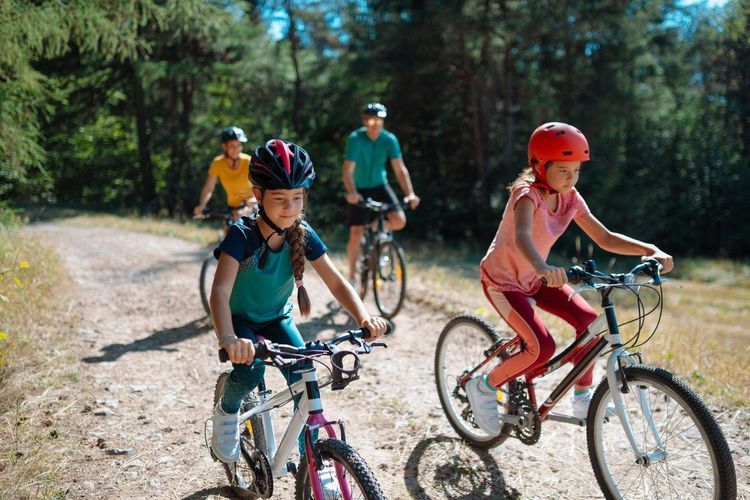
For mountain bike enthusiasts, several marked loops head into the hedged farmland countryside around the town, between small woods and farm tracks. Levels vary significantly: some suit families, others require regular mountain biking practice. The longest exceed 20 km, while the shortest can be completed in a little under an hour without effort. GPS tracks are generally available on hiking apps, which saves you from buying a paper map.
For those who want to turn a day's outing into a multi-day trek, long-distance hiking trails also cross the Bourbonnais towards the Bourbonnais mountains. In any case, bring enough water: refreshment points become scarce once you leave the urban centre, and shade becomes patchy as soon as you leave the riverbanks.
8. Nature Excursions Around Vichy: Gorges, Villages and Springs
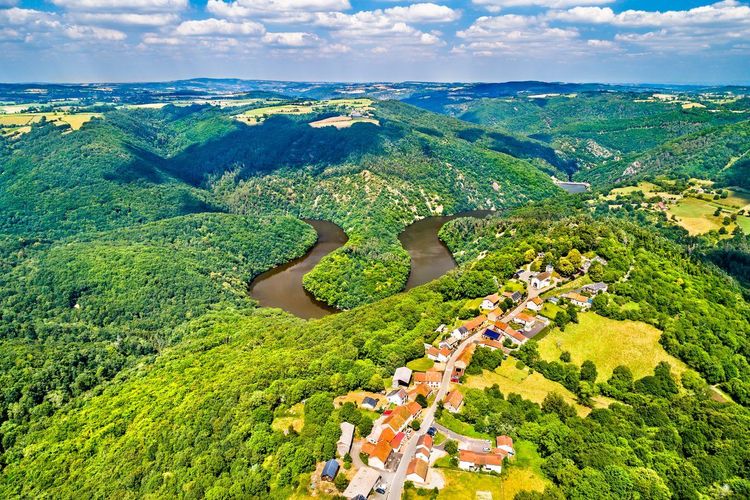
Less than an hour's drive away, the Bourbonnais countryside offers a multitude of freely accessible natural and heritage sites, enough to extend a stay in Vichy without spending more than a tank of petrol. The three sites presented here are about 35, 40 and 50 minutes' drive from the centre, which makes it possible to combine two of them in the same day.
The Sioule Gorges at Chouvigny
The Sioule gorges, near the village of Chouvigny, squeeze the river between steep rock walls overlooked by a 13th-century fortified castle perched on its spur. Formerly owned by the La Fayettes and then by the Duke of Morny, it was restored in the 20th century and can only be visited (with a ticket) in summer; the road that runs along the gorges, however, offers several viewpoints with parking areas where you can admire the landscape without paying anything.
The most photographed viewpoint is near the castle, where the road begins its tight bends above the river: five minutes is enough for the photo, but many linger much longer. Autumn, with its colours on the wooded slopes, remains the most spectacular season, even if spring offers a more impressive flow. Hikers can also take the paths that wind above the watercourse.
The Village of Charroux and the Cour des Dames
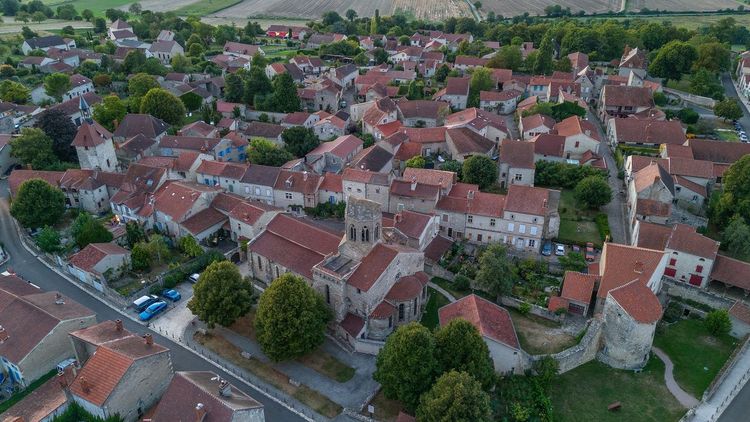
Ranked among the Most Beautiful Villages of France, Charroux has kept its cobbled lanes, its old houses and its famous cour des Dames, an inner square lined with half-timbered façades. Visiting the village costs nothing: you happily get lost among the craftsmen's workshops and the remains of the old fortifications.
The village is also known for its artisanal mustard, which you can taste in some shops in the centre, and lies at the gateway to the Saint-Pourçain vineyards. Several markets and festivals liven up spring and summer weekends, with producers and craftspeople set up in the lanes, which adds to the atmosphere without raising the price of the visit.
The Sources of the Besbre in the Bois Noirs
Further southeast, in the Bois Noirs massif, the sources of the Besbre (Laprugne, 03250 Laprugne, rated 4.5/5 on Google from 156 reviews) mark the starting point of a river that then crosses the whole Bourbonnais. The site is reached by a walk through the forest, cool even in midsummer, to the spot where the water emerges from the rock. Allow one to two hours round trip depending on the path, with no particular technical difficulty.
Access to the start of the trail is free all year round, even if winter makes some sections slippery: spring and autumn remain the best seasons. To link these excursions together, our article on things to do around Vichy details a complete itinerary starting from the town centre.
9. The Covered Market, Flea Markets and Town Events
Vichy's Covered Market, an Iconic Art Deco Building
The covered market (Place Pierre-Victor Léger, 03200 Vichy, rated 4.2/5 on Google from 2,475 reviews), which locals call the Grand Marché, occupies an Art Deco building constructed in 1935 by the architect Jean-Henri Mazon, renovated and reopened to the public in November 2006. Its structure and large bays let light flood onto every stall, and entry is free, whether you come to shop or simply to watch the morning bustle of the traders and regulars.
The market is open Tuesday to Sunday from 7 a.m. to 1 p.m., as well as on the eves of public holidays, and is closed on Mondays. It gets busier at weekends, when producers from the surrounding area join the regular traders: come early if you want to enjoy the stalls without the crush, then continue to the nearby Parc des Sources.
Flea Markets, Car Boot Sales and Neighbourhood Festivals
Apart from the market, the town and its associations regularly organise flea markets, car boot sales and neighbourhood festivals, announced on municipal social media and notice boards. These events, open to all with no entry fee, offer a glimpse of local life far from the classic tourist sites. Have a look at the town's online calendar before your stay: you will be able to fit at least one of these events into your schedule.
10. Outdoor Games and Sport for All Ages
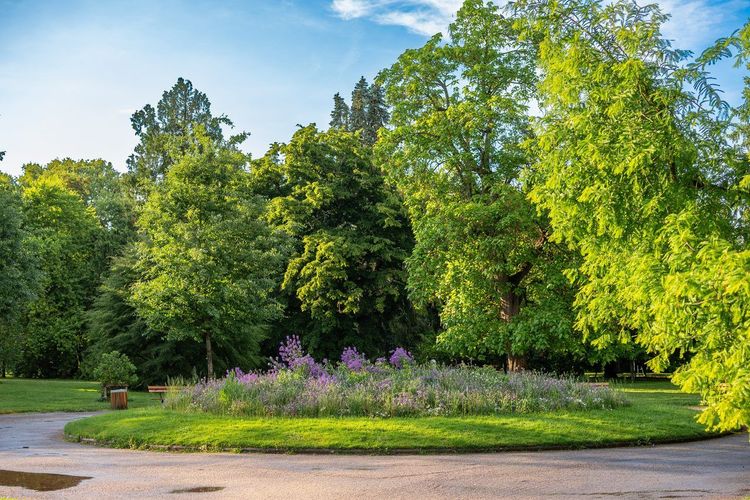
Several of the town's parks include equipment designed for free physical activity: chess tables where regulars meet at the end of the day, fun fitness trails with simple equipment, and children's play areas spread between the Napoléon III park, the Kennedy park and the banks of the Allier.
This equipment is accessible at all times, without booking, which makes it a flexible option for filling a late afternoon with the family or starting an impromptu game with strangers. The chess tables see seasoned retirees and curious passers-by alike learning the rules as they go: don't hesitate to ask for a game.
For children, the fitness trail offers low obstacles and balance structures designed more for play than for performance. On sunny afternoons, it's best to arrive early: these spaces attract crowds as soon as school is out.
11. Swimming and Relaxing by the Allier Lake
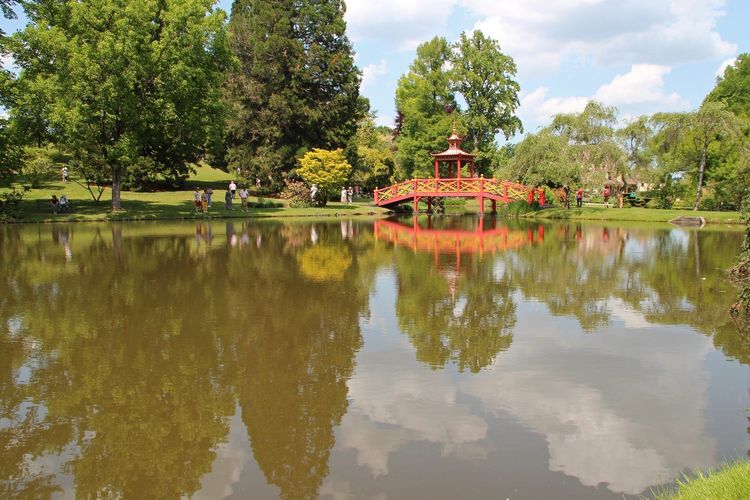
In summer, the town opens the Célestins beach (Boulevard du Président Kennedy, 03200 Vichy, rated 4.3/5 on Google from 872 reviews) on the banks of the Allier lake: 600 m² of fine sand, a marked swimming area, a paddling pool and water games for children, changing cabins, showers, a lifeguard post and a guinguette. Access is free, unlike many managed beaches that charge for sun loungers or entry.
Swimming is supervised every day from 1 July to 30 August, subject to water quality; outside this window, the area remains accessible but unsupervised, which calls for greater caution. Right next door, the Rotonde beach is reserved for relaxation, with no swimming. The water of the Allier, cooler than that of a pond, sometimes surprises the first swimmers of the season.
Around the swimming area, wide lawns let you lay down your towel without fighting for a spot, even on very hot days. Out of season, the promenade remains one of the most pleasant places in town for a picnic by the water, without the July and August crowds.
12. Museums and Cultural Venues for Small Budgets
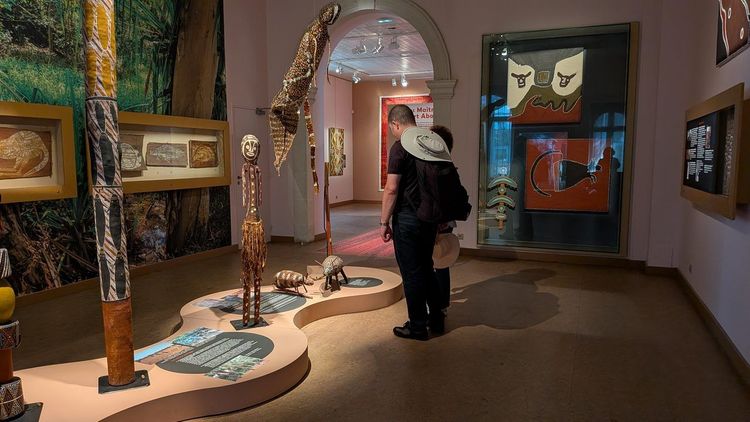
Most of Vichy's museums charge admission, even if modest, but several options let you occasionally access their collections or exhibitions without spending a euro.
Free-Entry Exhibitions and Open Days
Some temporary exhibitions, set up in municipal or community spaces, offer free entry, especially those put together with art schools or local cultural associations. The European Heritage Days, held every third weekend of September, also open several sites that are usually paid or closed to the public: this is the time to aim for the backstage of the Opera or the spa establishments.
Tours and Events Offered by the Tourist Office
The Tourist Office of Vichy regularly schedules cultural events: talks on spa history, screenings or small exhibitions set up on its premises. The frequency increases during the summer months, when tourist numbers are highest.
To find out the exact dates, a visit to the reception desk or a glance at its website remains your most reliable reflex, as schedules change from year to year. Also think about reduced rates: under-18s often enter for free in several establishments, which brings the cost of a family cultural outing down to almost nothing.
13. Guided Tours and Thermal Heritage with the Tourist Office
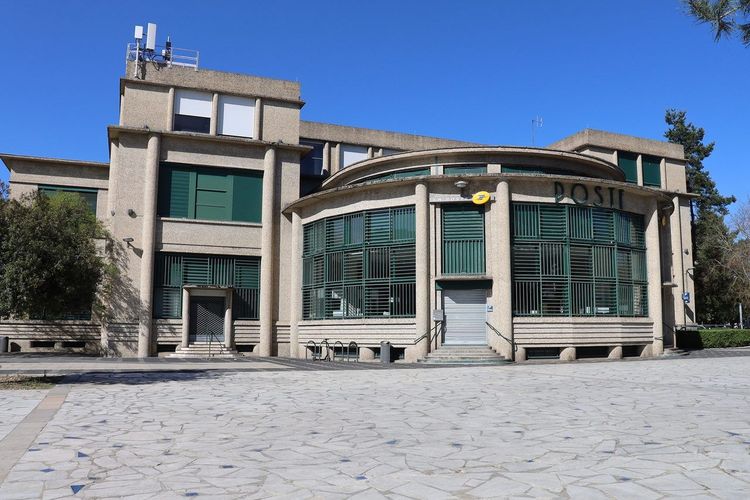
Besides its exhibitions, the Tourist Office offers themed guided tours, some of them free or at a symbolic price during national events such as Heritage Days. They cover the town's spa history, Belle Époque architecture, the UNESCO-listed "Queen of Spa Towns", or the episode of the Vichy regime that sat in the town between 1940 and 1944, a subject handled with all the necessary historical rigour.
Registration is on site or by phone, subject to availability: it is better to plan ahead than to turn up on the day in high season.
Beyond these occasional tours, the office hands out maps and brochures detailing self-guided discovery routes, a good option if you prefer to explore the town at your own pace rather than follow a group. Volunteer guides from local heritage associations complete this offer with more specialised tours, notably on the great spa-going families of the turn of the century, to be booked directly with the associations.
14. Practical Tips for Visiting Vichy on a Budget
Parking remains the easiest expense to avoid: several free parking areas exist on the immediate outskirts of the centre, less than fifteen minutes' walk from the main sites, whereas paid parking dominates around the Parc des Sources.
As for the season, spring and early autumn offer the best compromise between mild weather and moderate crowds. Summer, very popular for the Célestins beach and outdoor activities, sees more visitors in the parks and town centre, but it is also when the bandstand concerts and "Un été vitalité" are in full swing.
To follow Vichy Vitalité and its registrations, the city's website and social media remain the most reliable sources. Hiking apps, for their part, let you download GPS tracks of the trails around Vichy in advance, useful in areas where mobile coverage is patchy.
With family, count on the Napoléon III and Kennedy parks, equipped with shaded play areas and close to public restrooms, a practical detail often overlooked. As for transport, the town is very easy to get around on foot or by bike, with the historic centre and main parks within a twenty-minute walk.
Finally, to extend your discovery, our guide to visiting Vichy in 3 days details a complete programme combining freely accessible sites and paid visits, and our selection of walks in Vichy offers walking itineraries to link everything above.


FAQ
What are the 100% free things to do in Vichy?
The Parc des Sources, the Hall des Sources, the drinking fountain at the Source des Célestins, Saint-Blaise Church, Napoléon III and Kennedy parks, the covered market and the Célestins beach in season are among the must-sees. Add to that the Vichy Vitalité programme, the marked hiking trails along the Allier and several excursions in the surrounding area, such as the Sioule gorges or the village of Charroux.
Can you visit the Parc des Sources and the Hall des Sources for free?
Yes, access to the Parc des Sources and the Hall des Sources is completely free. The springs in the Hall remain reserved for spa guests with a prescription; to taste the thermal water, head to the drinking fountain at the Source des Célestins, a few minutes' walk away, with your own cup.
How can I take part in the Vichy Vitalité programme activities?
Vichy Vitalité sessions, from yoga to Nordic walking and health talks, are free, with registration on site or online depending on the time slot. The programme, published every quarter, can be downloaded from the city's website, which also explains the booking procedures for the most popular sessions.
How much time should I plan to discover Vichy without spending money?
A full day lets you cover the Parc des Sources, the Belle Époque centre, Saint-Blaise Church and the parks along the Allier. To add the excursions in the surrounding area (Sioule gorges, Charroux, sources of the Besbre) and enjoy Vichy Vitalité at your own pace, plan on two to three days on site.
Where can I have a picnic in Vichy?
The Parc des Sources, the Napoléon III park and above all the Kennedy park, on the banks of the Allier, are great for picnics. The Célestins beach, in season, offers another option for lunch with your feet almost in the water, between a swim and a nap on the grass.
Which free excursions can I take around Vichy?
The Sioule gorges at Chouvigny, the listed village of Charroux and its cour des Dames, and the sources of the Besbre in the Bois Noirs make up a trio of freely accessible excursions, each less than an hour's drive from Vichy and doable in a few hours.
Conclusion
Vichy has never needed an entrance ticket to show the essence of what makes it unique: water that has flowed for over a century at the Célestins drinking fountain, parks designed for an imperial court and Belle Époque heritage that can be read in the open air, street after street. Add a municipal programme that fills your sports calendar without opening your wallet, and a few excursions less than an hour's drive away, and the town can easily carry a stay of several days with no mandatory expense.
To link all these places without thinking about the route, take along the Ryo audio-guided tour of Vichy: it tells, stop after stop, the story hidden behind every façade and every spring mentioned above, to be followed at your own pace, headphones on and with no time constraints.
À lire également