© Shutterstock
 Votre guide Ryo
The Most Beautiful Beaches of Zanzibar: The Complete 2026 Guide
Choosing the most beautiful beaches of Zanzibar means deciding between sand so fine it squeaks underfoot and 28-degree water year-round, on an archipelago that lines up nearly 40 kilometres of coastline between its northern tip and its southern shore. The dilemma is no small one: at Kendwa, the tide barely retreats at all, while just a few kilometres away, Paje empties of water over hundreds of metres twice a day. This guide covers twelve beaches, from the wooden dhows of Nungwi to the deserted expanses of Mtende, taking in the famous restaurant perched on a rock at Pingwe and the sandbank that disappears at high tide at Nakupenda. You will also find everything you need to avoid classic mistakes: understanding the tidal calendar, knowing where to stay without finding yourself far from the water at midday, and spotting the Kizimkazi dolphins without spending an entire day on it. Zanzibar is not yet among the cities covered by Ryo's audio-guided tours, but the team has explored the archipelago beach by beach to put this guide together.
Nungwi and Kendwa, the Tide-Free Stars of the North
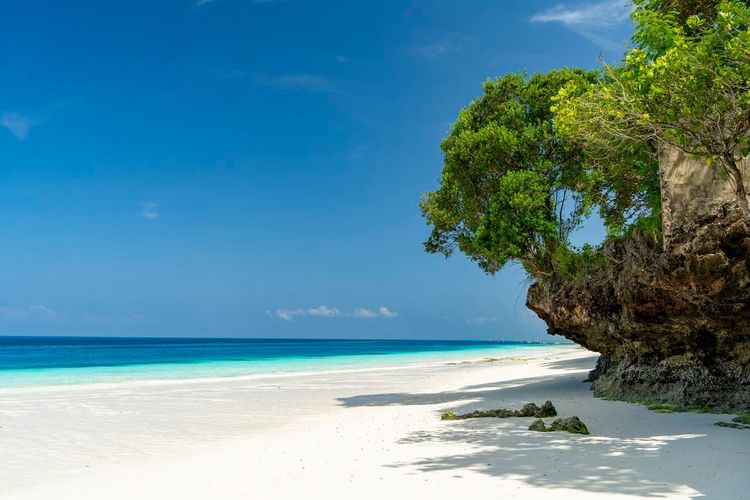
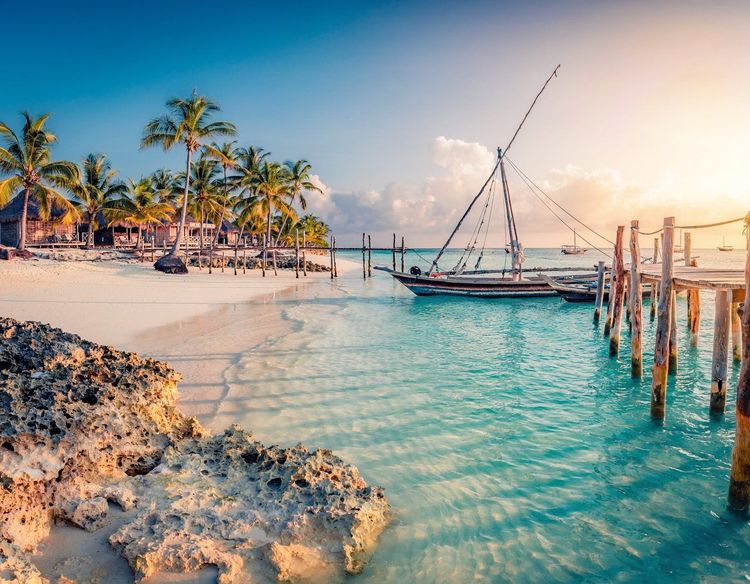
Nungwi occupies the northernmost tip of the island, where fishermen still build wooden dhows on the sand just as their grandfathers did before them. The beach stretches for more than three kilometres of white sand, bordered by turquoise water that remains swimmable even at low tide — a rare privilege on this coast. It is also the liveliest area of Zanzibar: beach bars, diving schools and grilled fish restaurants line up along the sand, and sunsets draw a dense crowd every evening around 6:30 pm.
Ten minutes down the road, Kendwa plays a different tune. Here, the topography of the seabed means the sea almost never retreats completely, unlike virtually every other beach on the island. It is the most reliable answer to the famous question of the tide-free beach, and the reason why families with young children happily settle in for several days. The sand is wider than at Nungwi, the hotels fewer, and the atmosphere noticeably more relaxed after sunset — except during the monthly Full Moon Party, which draws crowds right down to the water's edge.
Between the two, there is no real boundary: many travellers stay in Kendwa for the peace and quiet and make the trip to Nungwi by tuk-tuk for dinner or diving. Budget around 15,000 Tanzanian shillings for the ride, negotiable before you get in.
Matemwe and Pwani Mchangani, Coral Reefs Before the Crowds
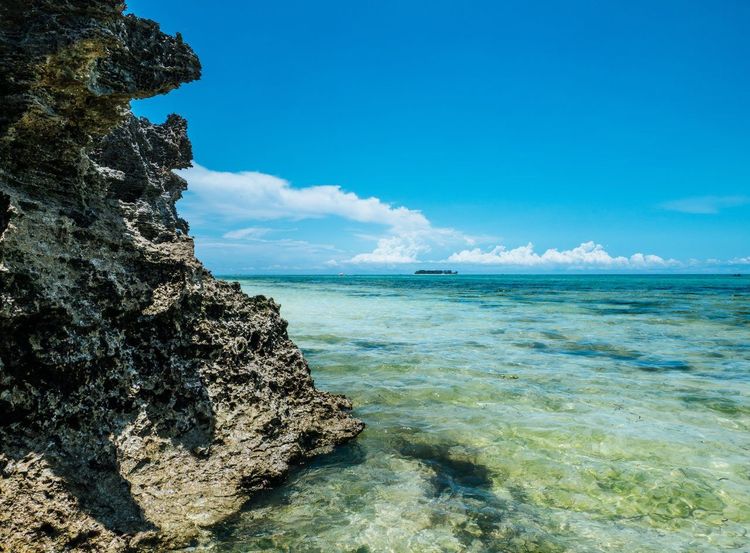
On the north-east coast, Matemwe mainly attracts divers and snorkellers: it is the shortest departure point for the Mnemba Atoll, barely 20 minutes by boat. The beach itself is wide, sparsely developed, and far quieter than Nungwi despite its geographical proximity.
Pwani Mchangani (Pwani Mchangani, Zanzibar North-East, Tanzania, rated 4.7/5 on Google based on 3 reviews), just to the south, completes the picture with sand almost as white and tidal behaviour comparable to Kendwa along certain stretches of the coastline. You will mostly encounter European families on extended stays, far from the northern nightlife. A good base if you are looking for a quiet spot less than an hour from the airport.
Michamvi Kae Kae and Pingwe, the Golden Light of the East Coast
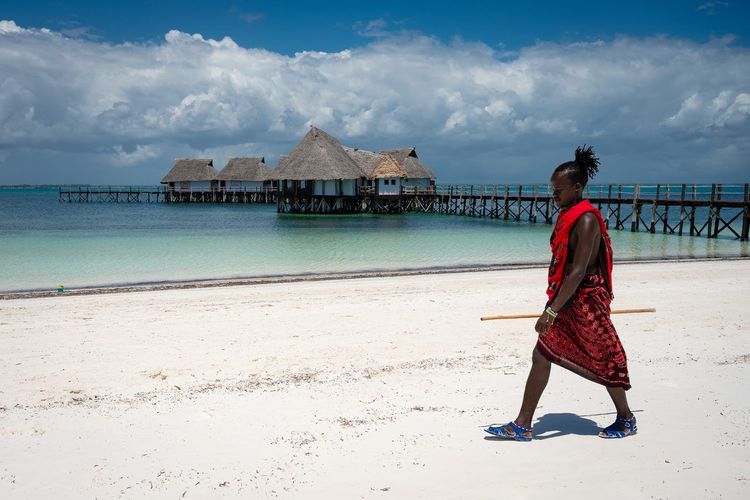
Michamvi Kae Kae closes off the peninsula that separates the east coast from Chwaka Bay, and this position gives it a rare privilege on the island: you can watch the sun rise over the ocean and set over the bay, just a few minutes' walk apart. The beach is narrow, but the panorama justifies the detour, especially late in the day when the light turns orange on the wet sand.
A few kilometres further south, Pingwe owes its fame to a restaurant built literally on an isolated rock, accessible on foot at low tide and by boat the rest of the time. The Rock Restaurant (Pingwe, Zanzibar East, Tanzania, rated 4.4/5 on Google based on 9,136 reviews) serves decent food at openly tourist prices, but the experience is really about the setting: a table placed in the middle of the Indian Ocean, with Pingwe Beach as its backdrop. Book for lunch rather than dinner — the boat crossing at night is considerably less straightforward.
Bwejuu and Paje, Relaxation and Kitesurfing on the Same Sand
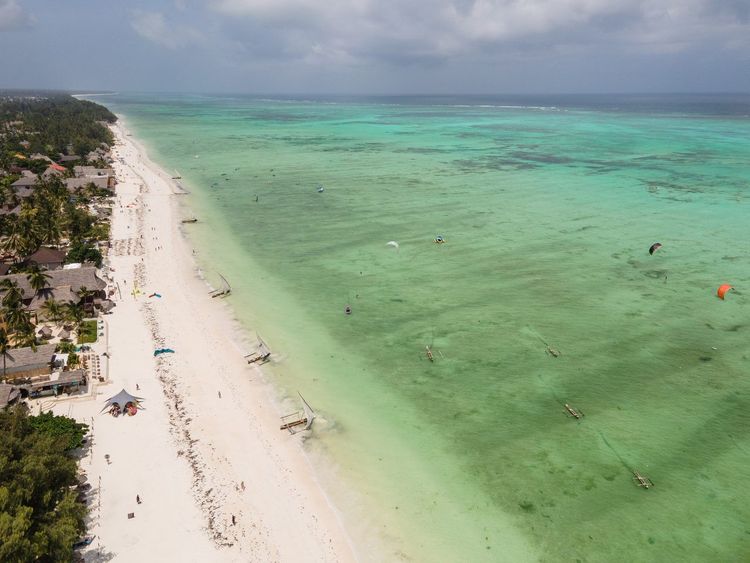
Bwejuu and Paje are almost adjacent, but each has developed its own identity. Bwejuu remains firmly focused on rest: long stretches of sand almost empty on weekdays, traditional fishing villages set back from the beach, and water that transforms into a shallow lagoon at low tide — ideal for long walks without ever losing your footing too far out.
At Paje, the atmosphere shifts dramatically as soon as the wind picks up. The beach has established itself as the kitesurfing capital of the Indian Ocean, with dozens of schools lined up on the sand and colourful kites filling the sky between June and October. Even without a board, the spectacle is worth seeing at sunset, when kitesurfers make the most of the last gusts. Non-practitioners will also find calm swimming spots in the marked-off areas, well away from the active zones.
If you are torn between the two, bear in mind that the stretch between Bwejuu and Paje can be covered on foot in under 40 minutes along the sand — though low tide is essential to avoid having to go around by road.
Jambiani, the Longest Beach in the Archipelago
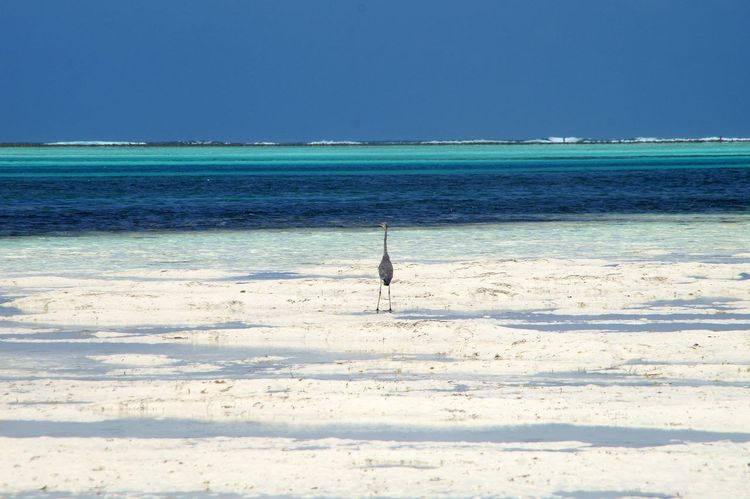
Jambiani stretches for nearly six kilometres of continuous sand, making it the longest beach in Zanzibar and one of the least densely developed on the east coast. The village that borders it still lives largely from seaweed farming, an activity you can observe at low tide as the village women move between their submerged plots.
Unlike Paje, Jambiani remains largely untouched by mass tourism despite an identical quality of sand. It is the best beach for long morning walks, before the heat becomes overwhelming around 10 o'clock. Accommodation here is also noticeably cheaper than at Paje or Nungwi, for an equivalent setting.
Kizimkazi, Swimming Alongside Dolphins
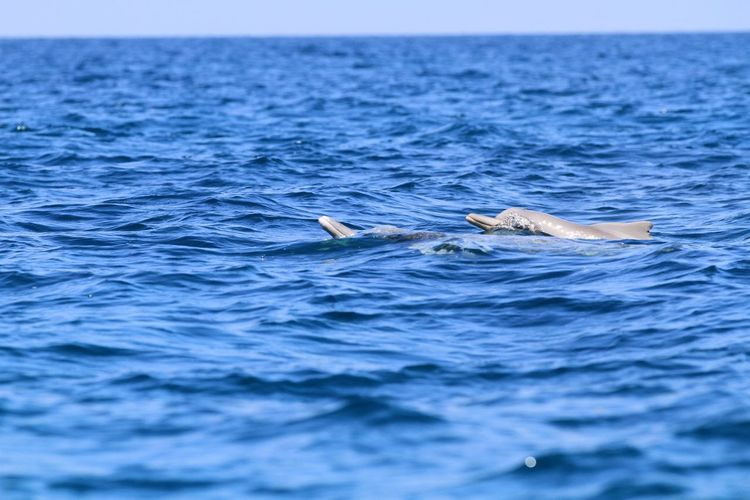
At the southern tip of the island, Kizimkazi (Kizimkazi, Zanzibar South, Tanzania, rated 4.3/5 on Google based on 1.7K reviews) is nothing like a postcard beach: the sand is greyer, the vegetation less manicured. Its reputation rests on something else entirely. Every morning, dozens of spinner dolphins and bottlenose dolphins come to hunt a few hundred metres from the shore, and several local cooperatives organise boat trips from 7 am to maximise the chances of sighting them.
The topic divides travellers: some excursions surround the dolphins in a way that is far from respectful, forcing swimming encounters with them. Choose an operator that limits the number of boats around any one group and does not pressure you to swim in direct contact with the animals. The beach itself is still worth a stop, if only for the ancient Kizimkazi mosque that borders it — its inscription, carved in 1107, makes it one of the oldest dated remnants of Islam in East Africa.
Mtende, the Beach Few Travellers Find
Mtende has to be earned: the track leading there from the main road is unpaved, and no signpost points the way clearly. The reward, once you arrive, is a near-empty beach framed by low cliffs of fossilised coral, with not a single bar or sun lounger in sight.
Bring water and something to snack on — there is nothing on site. That is precisely what makes it one of the most isolated beaches on the island for anyone looking to escape the beach vendors of the north.
Nakupenda and Mnemba, Escapes Offshore
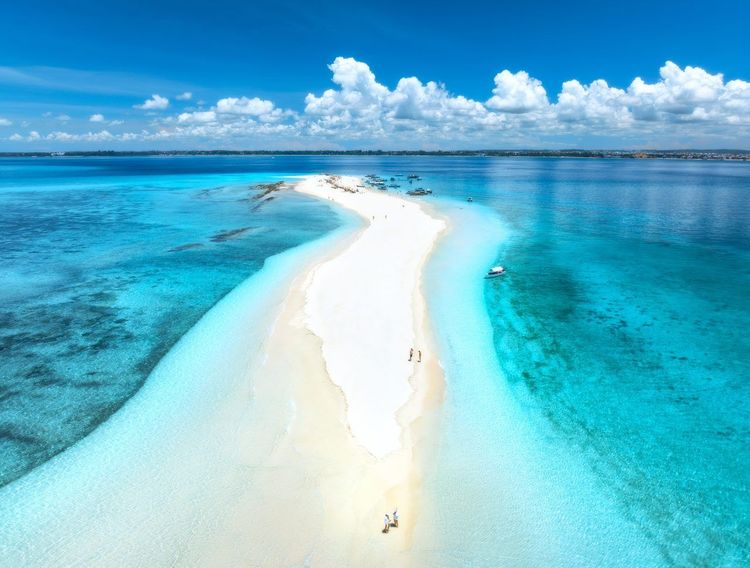
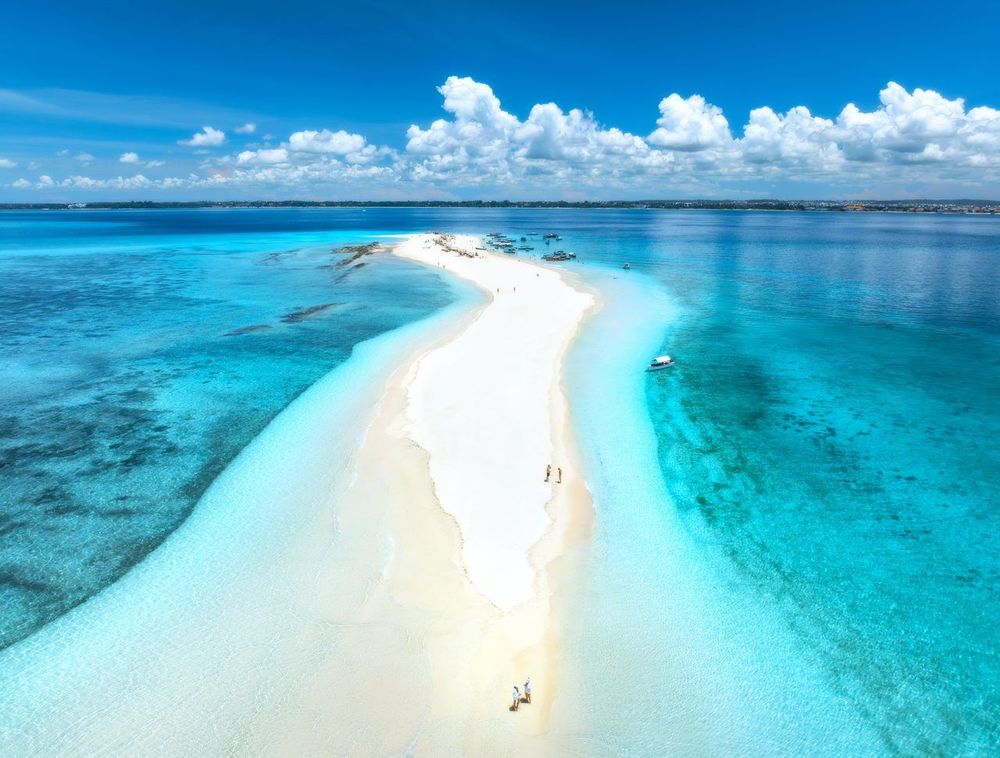
Nakupenda only half exists: this white sandbank emerges offshore from Stone Town at low tide and almost completely disappears when the sea comes back in. Day-trip excursions set up parasols and tables there for a seafood lunch with your feet in the water and the ocean stretching in every direction. The result is spectacular in photos, almost surreal — the sand appears to float on the turquoise water with no landmark in sight.
Further to the north-east, the Mnemba Atoll protects one of the finest snorkelling and diving sites in the entire western Indian Ocean, with visibility that often exceeds 20 metres. Direct access to the atoll beach is reserved for guests of the private resort that occupies it, but boat excursions from Matemwe or Nungwi allow you to swim along the reef without landing — turtles and schools of parrotfish included.
Understanding the Tides Before Choosing Your Beach
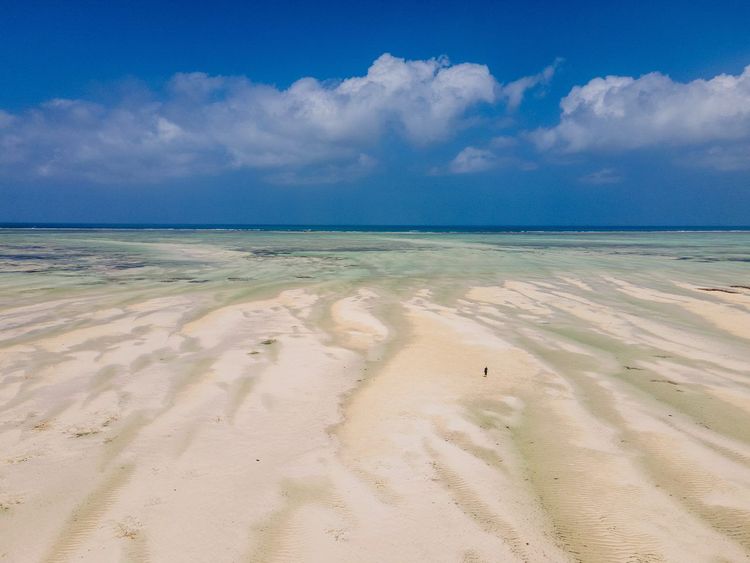
The tides remain the most underestimated factor for travellers planning their stay based on photos found online. On the east coast (Paje, Bwejuu, Jambiani), the tidal range can exceed two metres, which completely transforms the landscape between morning and afternoon: at low tide, the water can retreat several hundred metres, leaving a shallow lagoon that is easy to walk in, but where swimming becomes impossible for a few hours.
On the north coast, Kendwa remains the most reliable exception: its position and the depth of the seabed significantly limit the water's retreat, unlike Nungwi — which experiences a more pronounced tidal range just next door. Before booking a hotel, always check its position relative to sea level at low tide; some properties find themselves several hundred metres from the water twice a day.
Local tide tables, available free of charge at the reception of most hotels, give precise times day by day. They shift by around 50 minutes each day — a detail that often catches travellers off guard when they try to replicate the previous day's swimming schedule.
When to Go to Make the Most of the Archipelago's Beaches
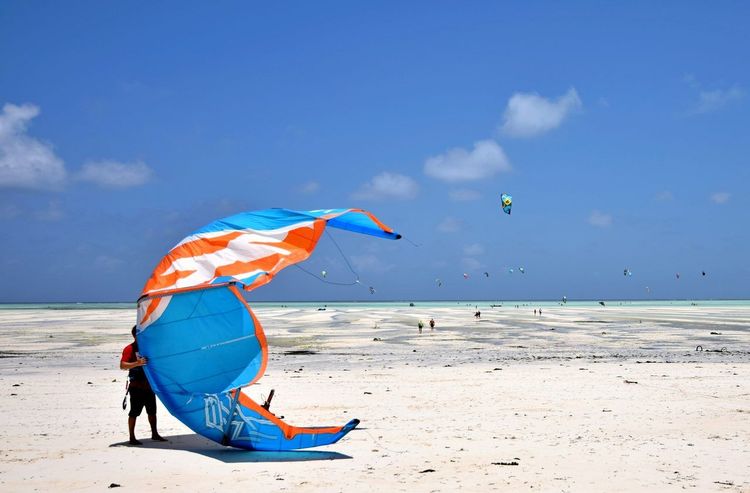
The long dry season, from June to October, remains the safest time for a beach holiday: little rain, heat tempered by the trade winds, and generally calm seas along the entire east coast. It is also the high season for kitesurfing at Paje, driven by consistent winds of 15 to 25 knots.
December to February offers an interesting alternative, with heavier heat but less wind — more comfortable for diving and snorkelling around Mnemba. Avoid the long rainy season, from April to early June, when some roads to the south become difficult and several hotels temporarily close.
March and November, considered shoulder seasons, often allow you to negotiate lower rates while still enjoying decent weather — provided you are willing to accept a few short showers late in the day.
Getting from One Beach to Another
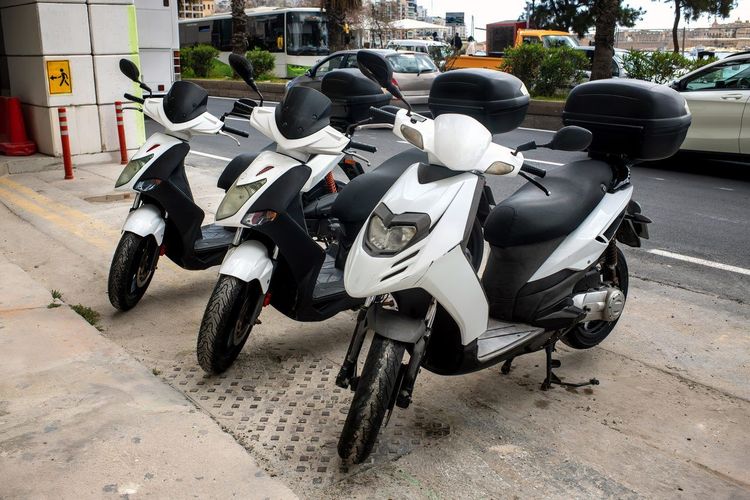
Renting a scooter remains the most flexible solution for visiting several beaches in a single day, provided you are comfortable with the sometimes rough condition of the secondary roads to the south. Budget around 15 dollars a day; an international licence is recommended even if it is not always checked.
For one-off journeys, taxis and tuk-tuks negotiated in advance remain reliable between the tourist areas of the north and the east. Keep an offline map of the island on your phone: mobile coverage disappears quickly once you leave the main hotel zones, and signage is lacking on several secondary tracks leading to beaches like Mtende.
Between the north and south of the island, it is better to hire a car with a driver for the day rather than taking a scooter — the distance and the heat make the journey considerably less comfortable on two wheels.
Where to Stay Near the Most Beautiful Beaches
Your choice of base completely changes the experience. Nungwi and Kendwa suit those who want nightlife and a varied restaurant scene just steps from their room. Paje and Bwejuu appeal more to active travellers — between kitesurfing, yoga and snorkelling trips organised directly by beachfront hotels.
For a family stay, Kendwa and Pwani Mchangani offer the best compromise between stable tides and child-friendly facilities. Ryo has listed the best family hotels in the archipelago in a dedicated guide to family stays in Zanzibar, useful for avoiding properties that are poorly positioned relative to the tide.
If you are looking for absolute peace and quiet, Jambiani and Mtende remain the least developed areas, with simple guesthouses rather than hotel complexes. Expect to pay generally 30 to 40 % less than in Nungwi for comparable beachfront accommodation.
Budget, Safety and Good Habits on the Ground
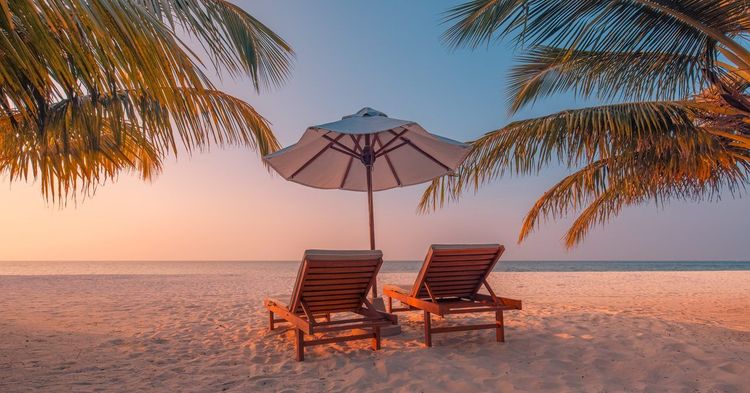
Most beaches on the island are free to access, but some hotels charge non-guests for the use of sun loungers and showers, between 5 and 15 dollars per day. Bring cash in small denominations — bank cards are rarely accepted outside the larger resort complexes.
Swimming is generally safe along the entire coastline, with the exception of strong-current zones marked near certain rocky headlands in the south. Beach vendors, who are numerous at Nungwi and Kendwa, can be persistent without being aggressive: a polite but firm refusal is usually enough.
Bring water-resistant sunscreen and a hat — the equatorial sun remains intense even on overcast days, including during long walks at low tide.

FAQ
Which is the most beautiful beach in Zanzibar?
There is no single answer: Nungwi charms with its lively atmosphere and sunsets, Kendwa with its near-total absence of tides, and Jambiani with its six kilometres of almost deserted sand. The best choice depends above all on what you are looking for.
Which beach in Zanzibar has no tide?
Kendwa remains the most reliable option: the configuration of the seabed significantly limits the water's retreat, unlike most beaches on the east coast where the tidal range can exceed two metres.
What is the best time to visit the beaches in Zanzibar?
The long dry season, between June and October, offers the most stable conditions. December to February remains a good option for diving, with less wind but heavier heat.
Where can you see dolphins in Zanzibar?
The Kizimkazi area, in the south of the island, concentrates most of the observation trips, generally organised early in the morning when dolphins hunt close to shore.
How many days should you plan to visit the beaches of Zanzibar?
A week allows you to comfortably cover two or three areas (for example the north and the east), while ten to twelve days leave enough time to add the south and a trip to Nakupenda or Mnemba.
Are Zanzibar's beaches free to access?
Access to the sand is free almost everywhere. Only some hotels charge non-guests for the use of their sun loungers, parasols or showers, generally between 5 and 15 dollars.
Twelve beaches, one island: Zanzibar pulls off this feat thanks to a coastline that completely changes character every twenty kilometres, between the bustle of the north and the silence of the south. Take the time to experience at least two different atmospheres rather than sticking to one area, even if Nungwi or Paje account for most bookings. Ryo does not yet offer an audio-guided tour of the archipelago, but continues to explore other coastlines around the globe: head to our guide to the most beautiful beaches in Dubai if the desire to keep exploring turquoise waters takes hold after Zanzibar.
À lire également