

Créé par Romane, le 16 nov. 2026
Votre guide Ryo
Munich, Germany
The Secret Capital
Parcours audioguidé pour visiter Munich en 1 jour
The capital of Bavaria, Munich reveals a rich heritage shaped by Baroque architecture, royal history, and a vibrant culture. With its brewing traditions, convivial atmosphere, and major events such as Oktoberfest, the city offers a truly Bavarian experience.
Quand partir à Munich ?
Jan.
0°
10
Feb.
2°
9
March
7°
10
April
11°
12
May
16°
14
June
19°
15
July
22°
16
Aug.
22°
15
Sept.
18°
12
Oct.
12°
10
Nov.
6°
11
Dec.
2°
10
Winters in Munich are quite chilly, with temperatures dropping as low as -3°C between December and February. In summer, July and August are the warmest months, with average highs around 24°C. If you’re planning your trip around the weather, keep in mind that May, June, and July are usually the rainiest months of the year.
Départ conseillé
No need to worry about where to begin! Our tours are designed as a loop, so you can jump in wherever you are. The navigation system and audioguide will automatically adjust to your location. However, if you happen to be nearby, we do have a preferred starting point: Frauenkirche Cathedral
Parking à proximité
Covered parking City Parkhaus : Färbergraben 5
Driving into Munich? The city has introduced a number of restrictions to protect its historic centre from traffic. To drive within the city, your car must display a special emissions sticker showing that it meets low CO2 emission standards. When it comes to parking, be extra cautious—many spaces are reserved for residents or specific types of vehicles. Street parking can be tricky and expensive, with fees applying until 11 p.m. The best option is to use a private parking spot at your accommodation or to park in a paid car park. Alternatively, you can use one of the park-and-ride facilities on the outskirts of the city and hop on public transport—which is very efficient and well-connected in Munich.
Découvrez 27 lieux d'intérêt pour visiter Munich


What to see in Munich on your 2h40 tour?
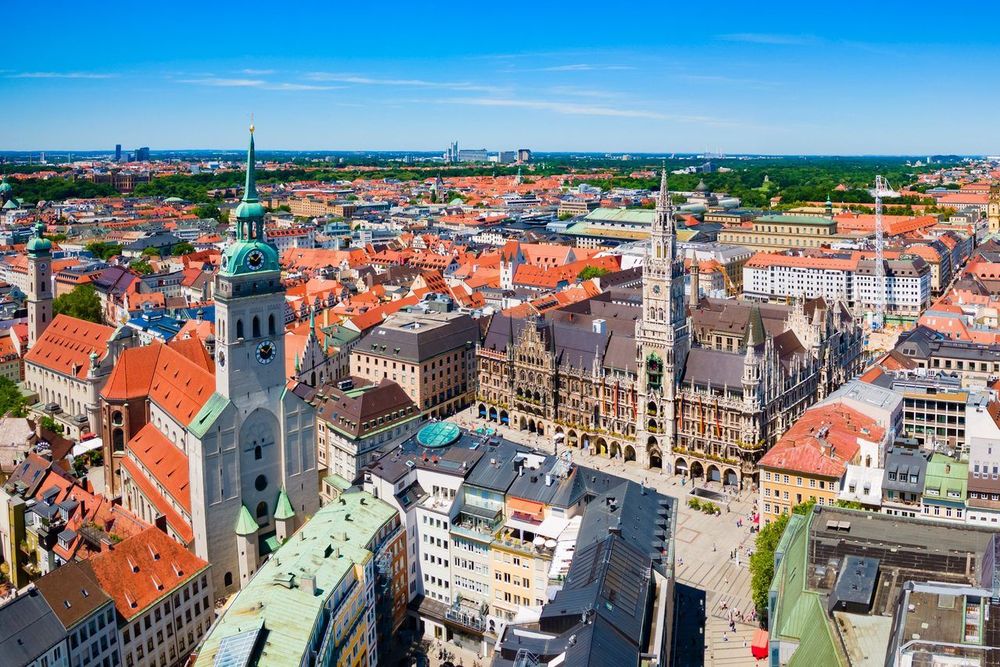
This 6.5 km loop takes about 2 h 40 and links 26 sights. From Marienplatz and its two town halls, it reaches the Frauenkirche cathedral, the Viktualienmarkt and the Isartor gate, crosses the elegant Lehel district, follows the English Garden and its standing surf wave, then passes the Residenz palace and Odeonsplatz before closing the loop at Karlsplatz. With the Ryo app in your ears, every square and every beer hall tells the story of the Bavarian capital, at your own pace.
Information checked in October 2026 and subject to change.
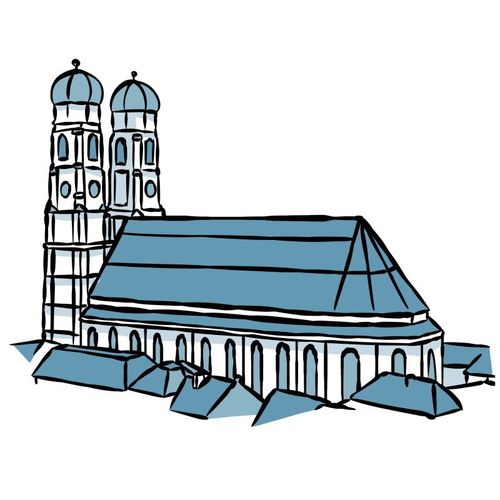
1 - Frauenkirche Cathedral
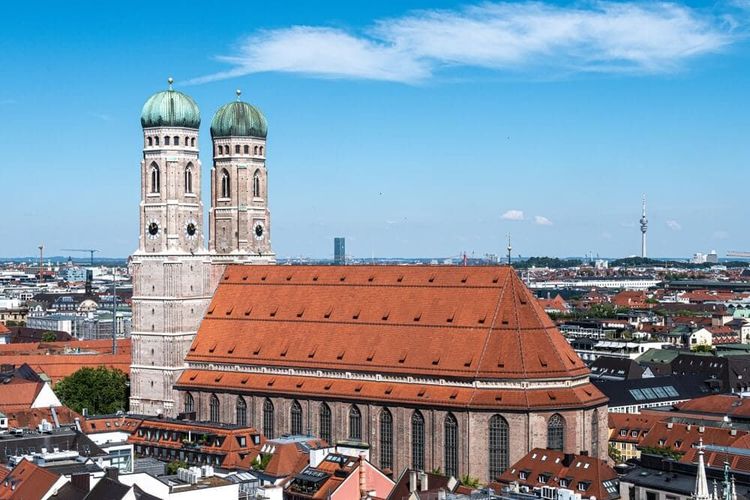
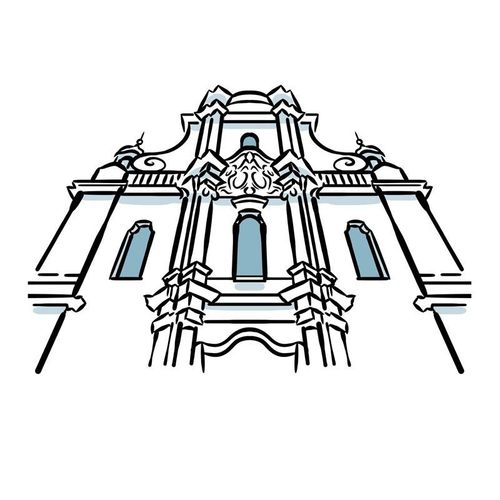
The walk begins before the twin onion-domed towers that have crowned Munich for more than 5 centuries, a skyline so cherished that a referendum keeps every other building lower. Raised in brick from 1468, when master builder Jörg von Halsbach had no local stone to work with, the cathedral once held thousands of worshippers standing. Look down near the entrance for the mark known as the Devil's Footprint.
Free entry
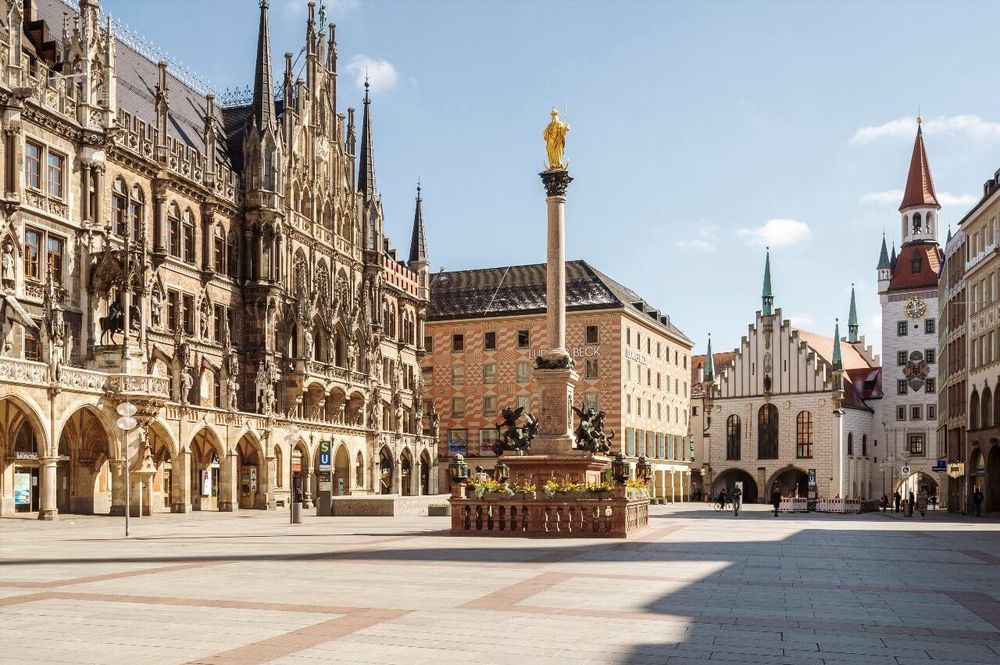
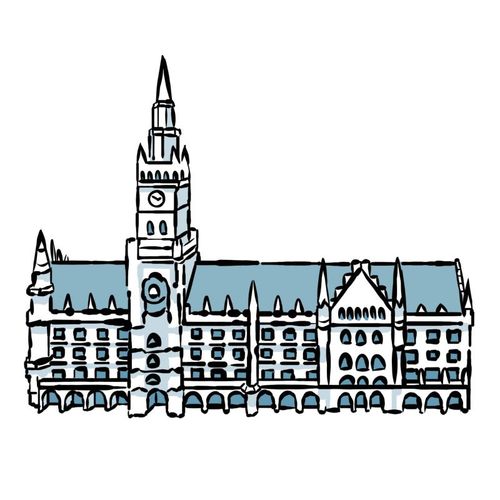
2 - The New Town Hall
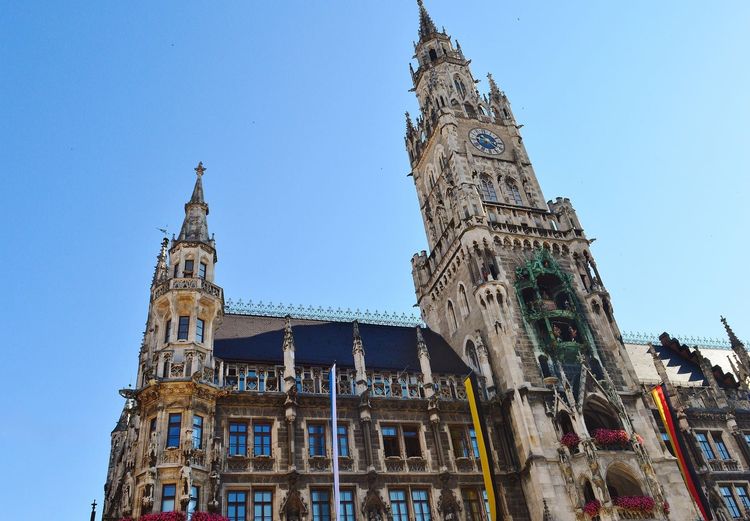
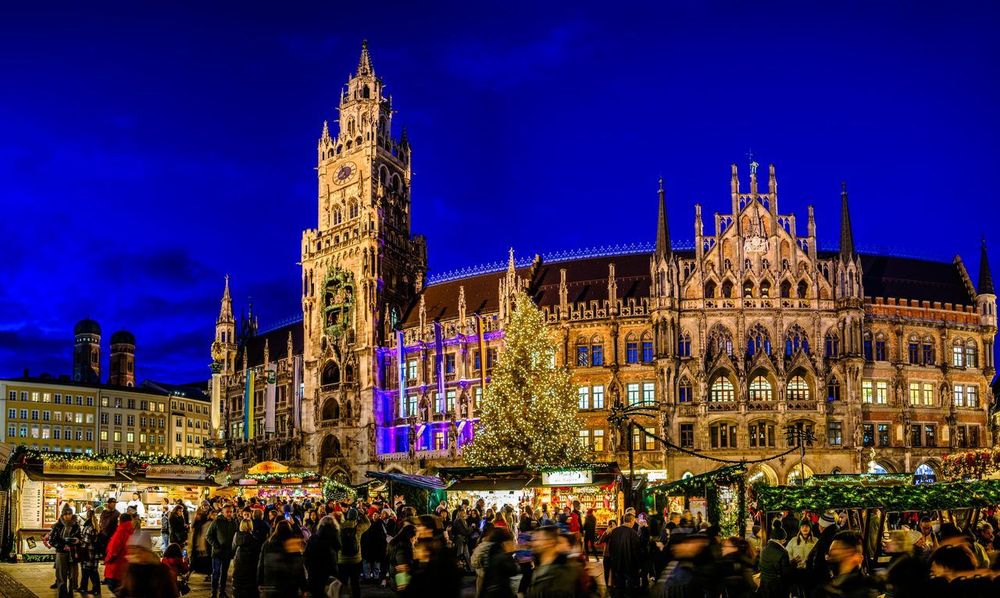
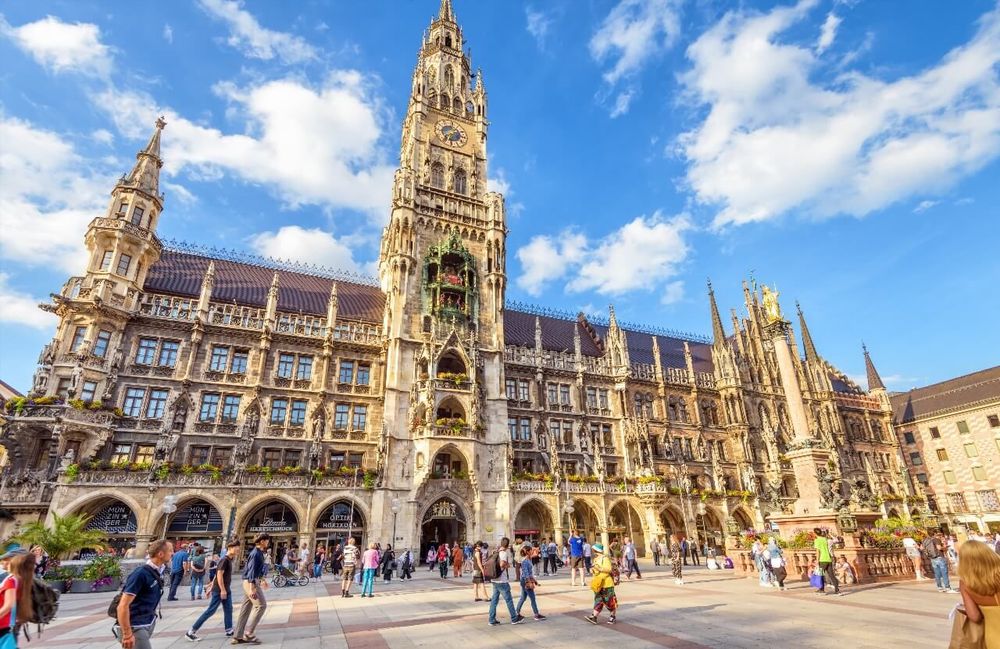
On Marienplatz stands this neo-Gothic palace, raised between 1867 and 1908 once the old town hall grew too cramped for the mayor's growing offices. Its 85-metre tower holds a mechanical carillon of 43 bells, which replays every midday the coopers' dance and the wedding of a 16th-century Bavarian duke, watched over by a small figure blowing smoke from its mouth.
Free entry
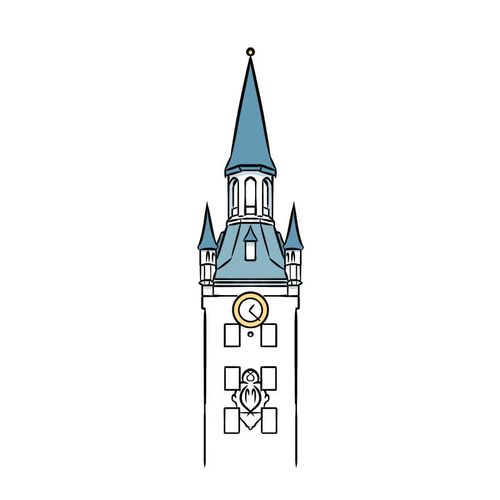
3 - The Old Town Hall
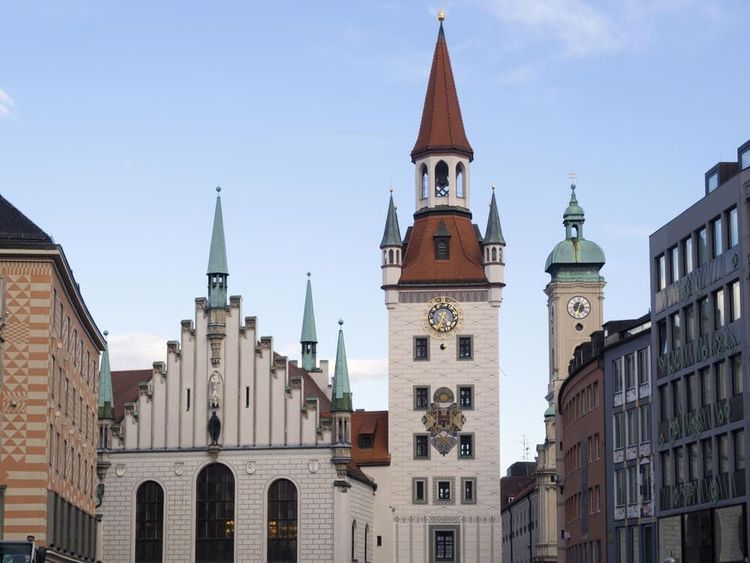
Smaller than its neo-Gothic neighbour, this castle-like building served for nearly four centuries as Munich's true seat of local government, until the city moved across the square in 1874. Flattened by wartime bombing, it was rebuilt exactly as before and now houses a toy museum tucked inside its tower.
Free to see from outside
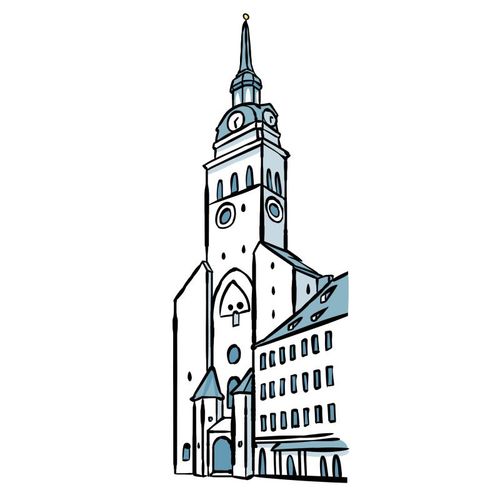
4 - St. Peter’s Church
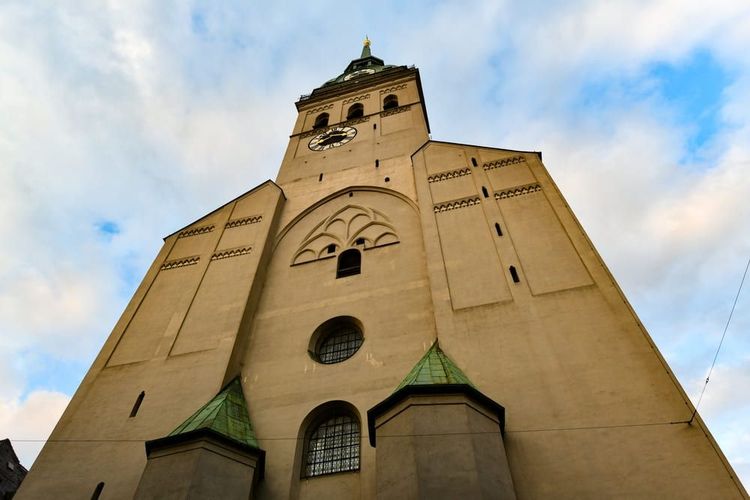
Fondly nicknamed Old Peter, this parish church is said to be the oldest in the city, with roots tracing back to Munich's very beginnings. Reshaped over the centuries into its current baroque look, it hides an ornate high altar and the gilded skeleton of a saint brought from Rome's catacombs. The bold can still climb 306 steps for a full 360-degree view over the rooftops.
Free entry
5 - Church of the Holy Spirit
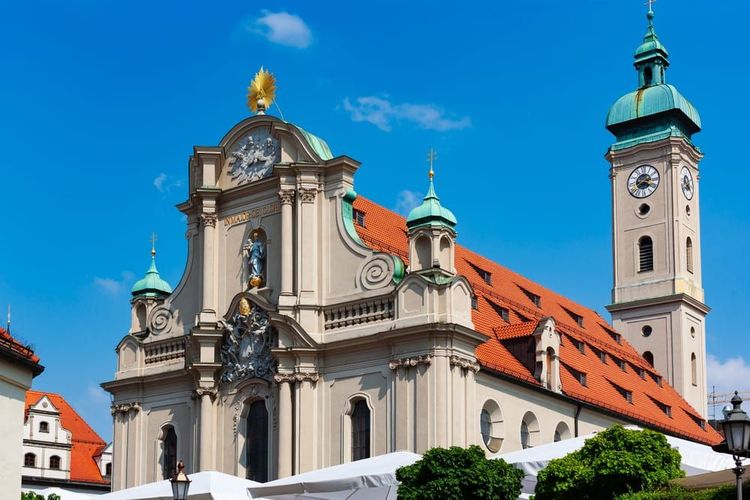
The last trace of a sprawling medieval hospice for pilgrims and the sick, this quiet church was rebuilt in Gothic style after a fire in 1327, then fully dressed in baroque stucco and frescoes during the 17th and 18th centuries. Tucked between Marienplatz and the market next door, it offers a calm pause before the bustle of the centre picks up again.
Free entry
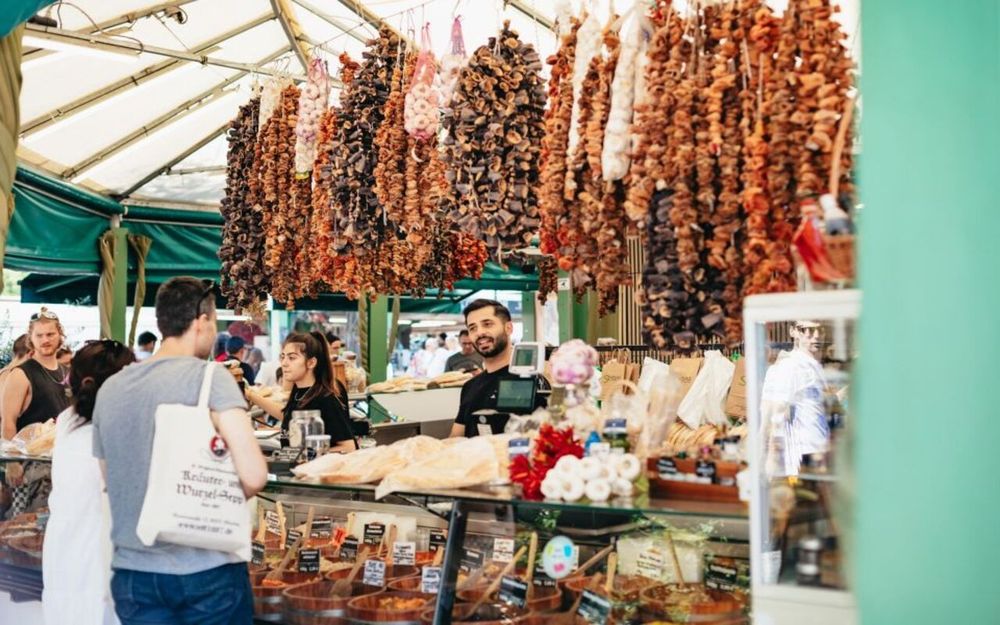
6 - Viktualienmarkt
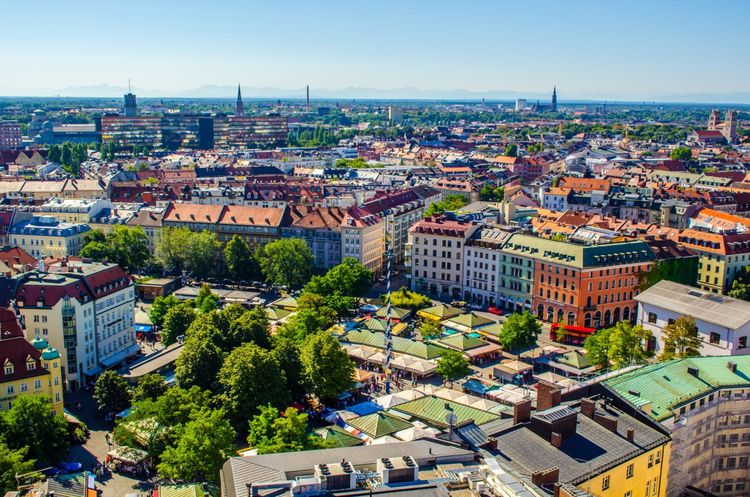
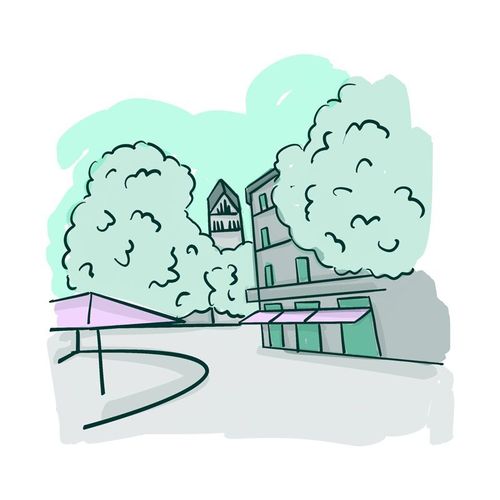
Moved here in 1807 on the orders of King Maximilian I, once it had outgrown Marienplatz, this market now spreads over nearly 22,000 square metres of flowers, cheeses and Bavarian specialities. At its centre, a maypole painted in local colours stands near six fountains honouring Munich entertainers, alongside a sprawling beer garden that rotates through the capital's six historic breweries.
Free entry · Best in the morning
7 - Isartor Gate
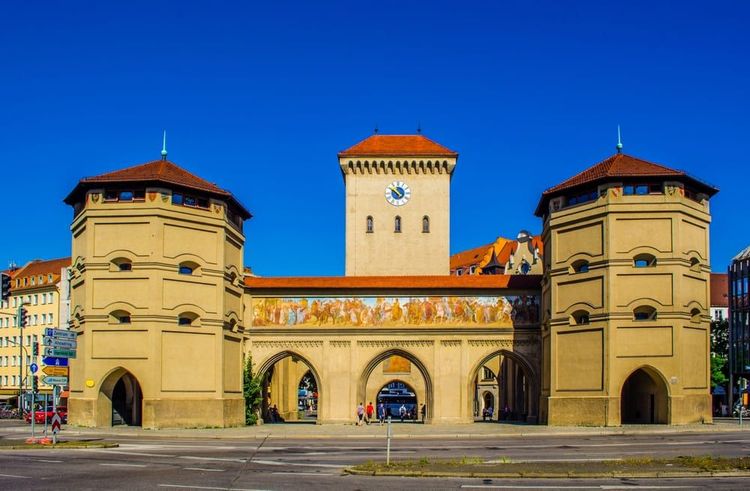
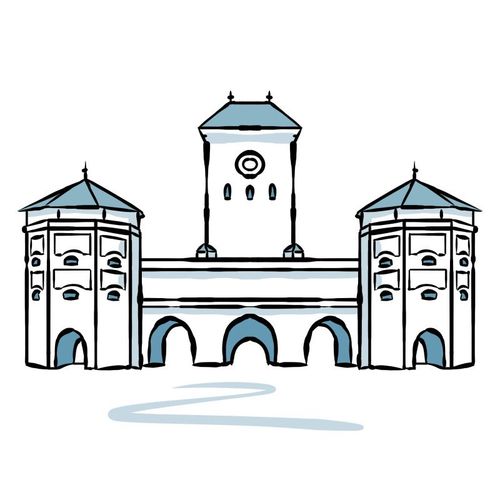
Raised in 1337 under Emperor Louis IV, this gate belonged to the city's second ring of walls and marked the arrival point of the salt road from Salzburg. The only gate to keep its medieval tower whole, it carries 1835 frescoes celebrating one of the emperor's victories, and one of its two clocks deliberately runs backwards.
Free to see from outside
8 - Hofbräuhaus Brewery
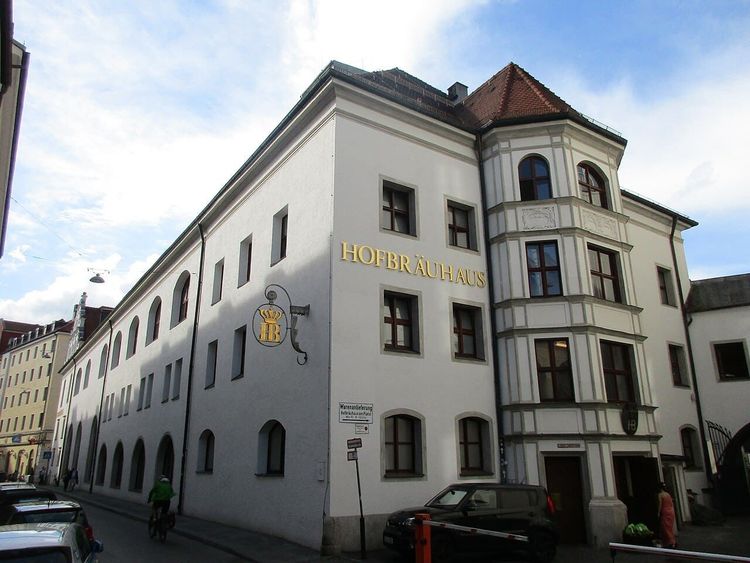
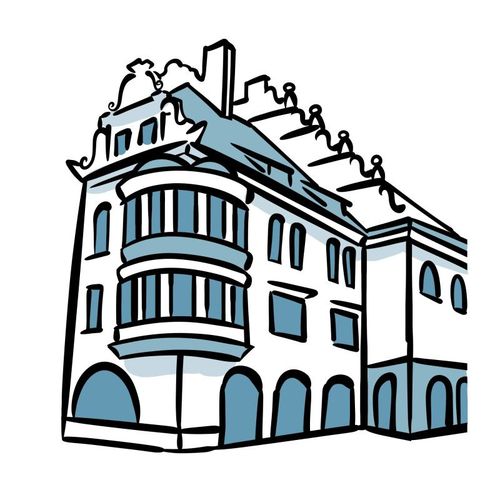
Founded in 1589 to supply the ducal court, this brewery only opened its doors to the public in 1828. Inside its main hall, up to 1,300 guests squeeze onto long tables beneath vaulted ceilings painted in Bavarian colours, while a brass band plays every day. Beer here comes in litre mugs, served alongside white sausages or roasted pork knuckle.
Free entry
9 - Platzl
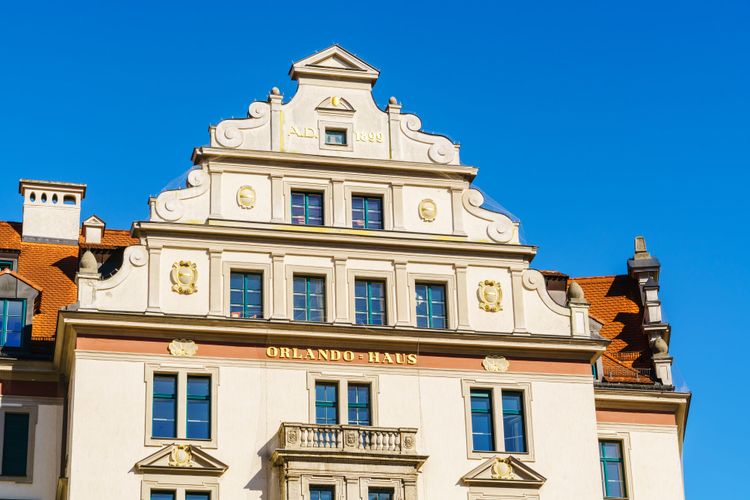
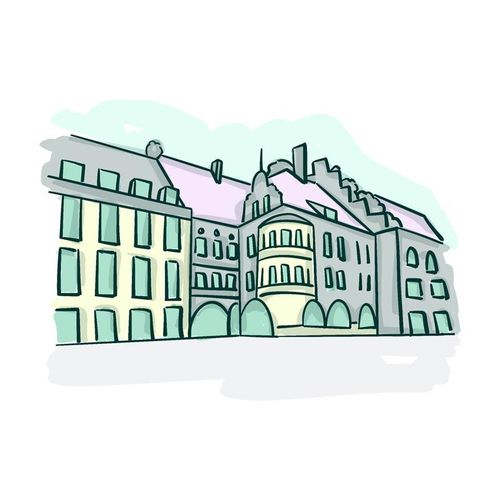
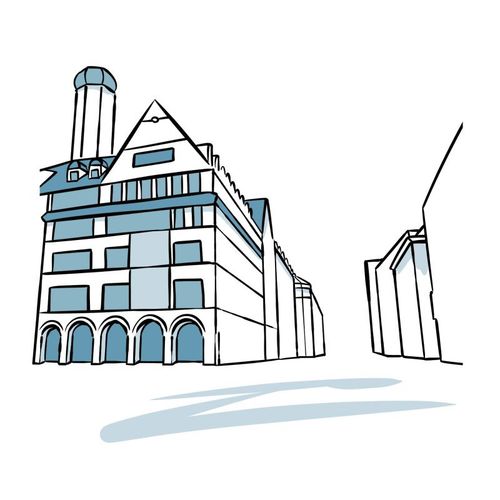
This tiny square, barely wider than a crossroads, owes its lively mood to the brewery next door, but also to the elegant corner building called Orlando-Haus, named after a Renaissance composer who once lived here. Built around 1900, it was the first in Munich to rise on a reinforced concrete frame, hidden behind an otherwise classical façade.
Free entry
10 - Wolfsbrunnen
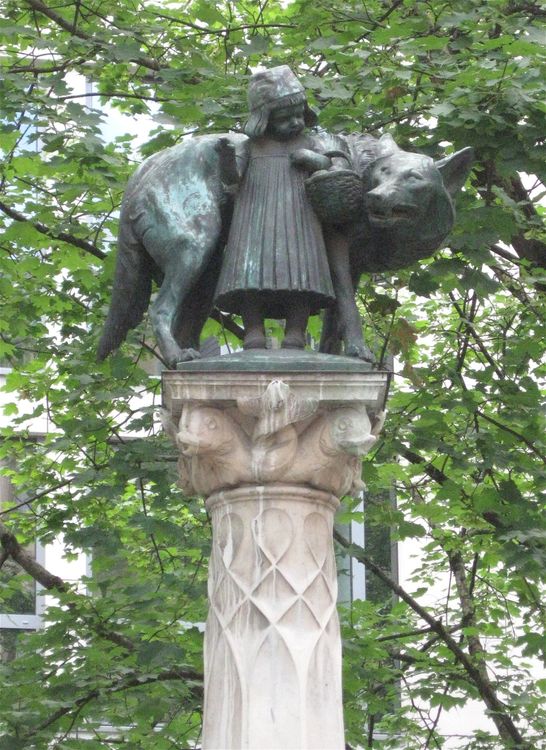
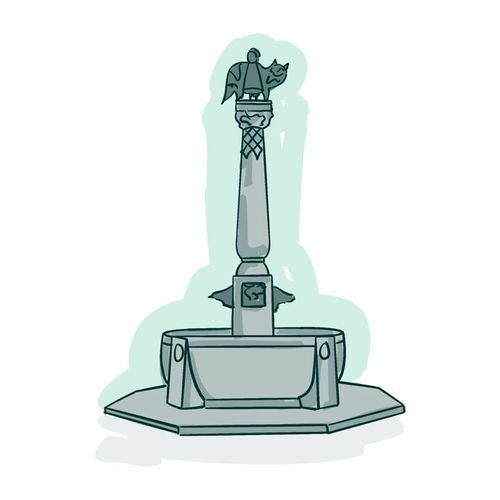
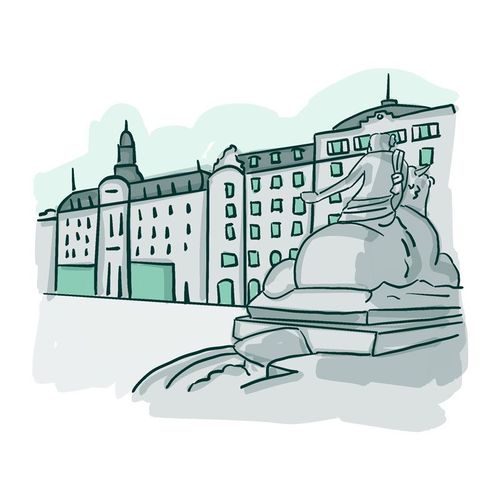
Easy to walk past, this small 1904 fountain pairs a pale limestone base with dark bronze figures showing Little Red Riding Hood facing an almost smiling wolf. Commissioned by a Munich couple whose name it still carries, it still delivers drinking water in warmer months, standing somewhere between Art Nouveau craft and local folklore.
Free entry
11 - Maximillianstrasse
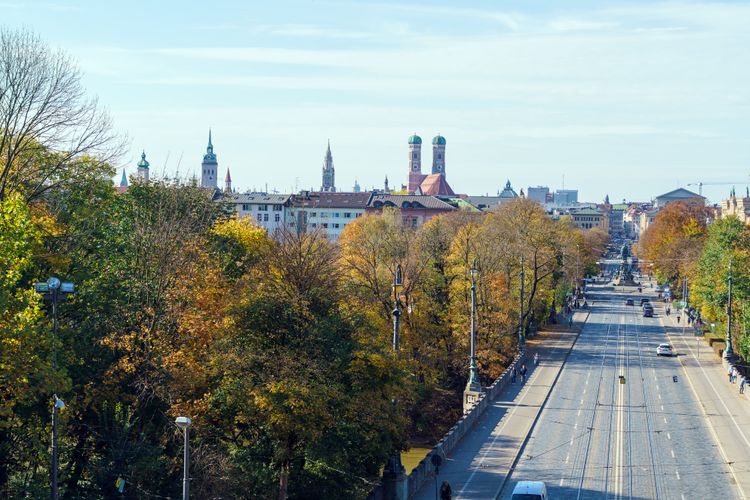
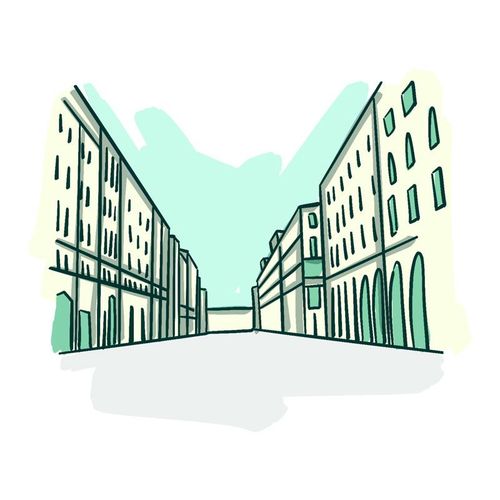
This broad avenue, roughly a kilometre long, was commissioned by King Maximilian II in the 19th century to link the Residenz palace to the Isar, giving rise to its own style blending Italian Renaissance and baroque in its arcaded façades. It now lines up the National Theatre, grand hotels and luxury boutiques along an almost perfectly straight view.
Free entry
12 - Government of Upper Bavaria
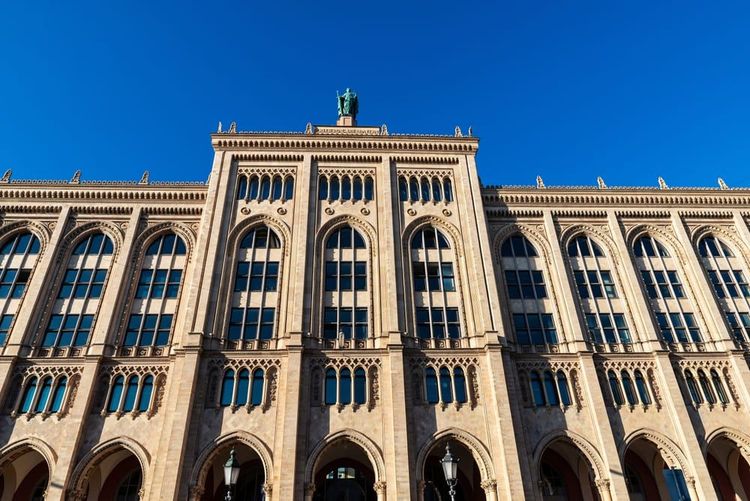
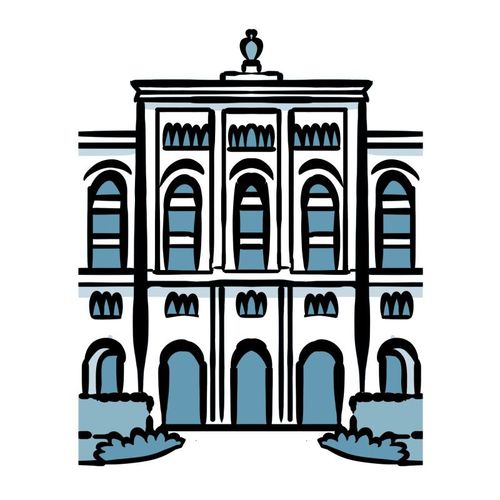
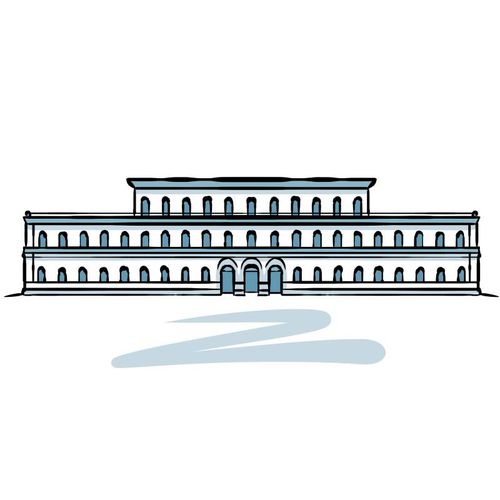
Stretching 170 metres, this façade was commissioned by King Maximilian II and entrusted to the same architect behind the whole avenue, who gave it the air of a cathedral blending Gothic and Romanesque touches. Three female figures crown the roofline, while 24 town coats of arms decorate the towers. Flattened in 1944 except for its front wall, the building still runs the region's administration since its rebuilding.
Free to see from outside
13 - Lehel District
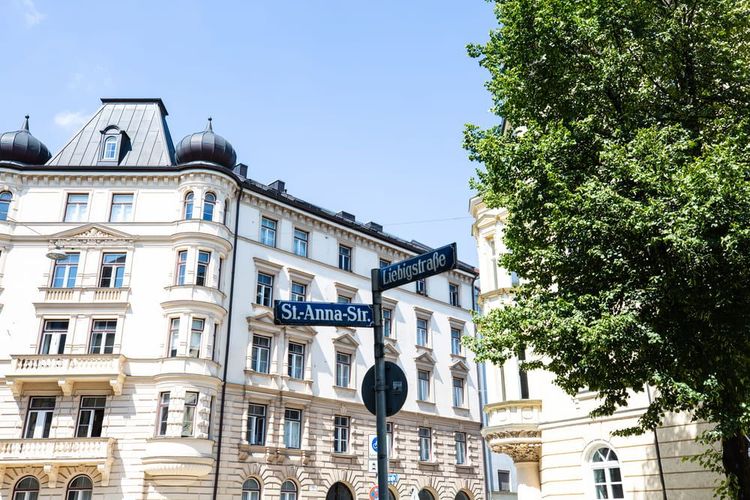
Once a riverside forest and later a humble district of craftsmen and launderers, this area became Munich's first officially attached suburb in 1724. Its present look, lined with wide, richly decorated buildings, took shape mostly between 1870 and 1900, before decades of careful restoration turned it into one of the most sought-after residential pockets of the Bavarian capital.
Free entry
14 - St. Anne’s Church
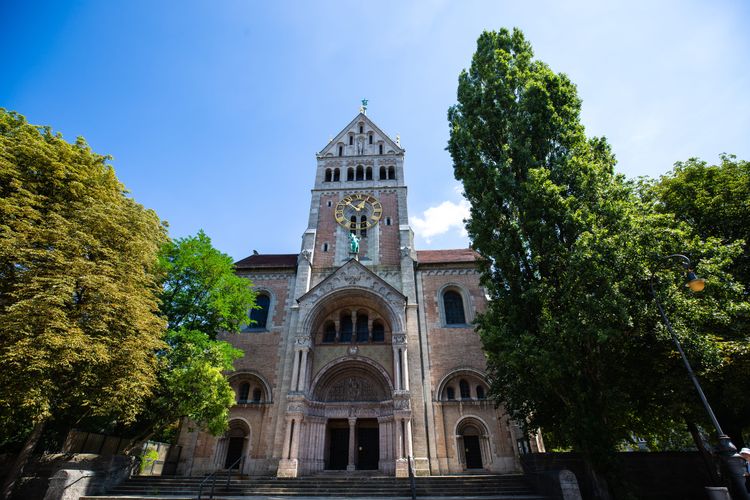
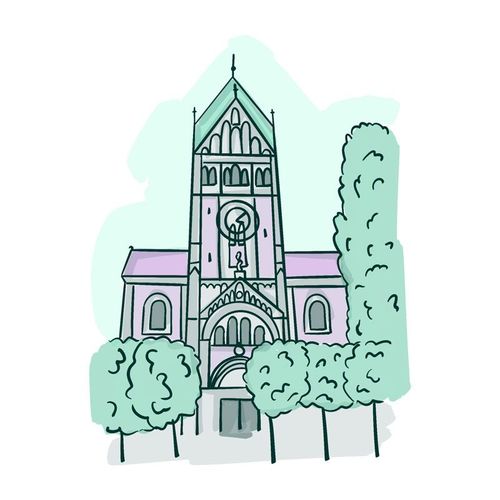
Not to be confused with its smaller rococo namesake nearby, this neo-Romanesque church was built between 1887 and 1892 to serve the new residents of a fast-growing Lehel. Its rounded arches and bands of red brick echo Germany's great Romanesque churches, despite damage suffered and later repaired after the 1944 bombing raids.
Free entry
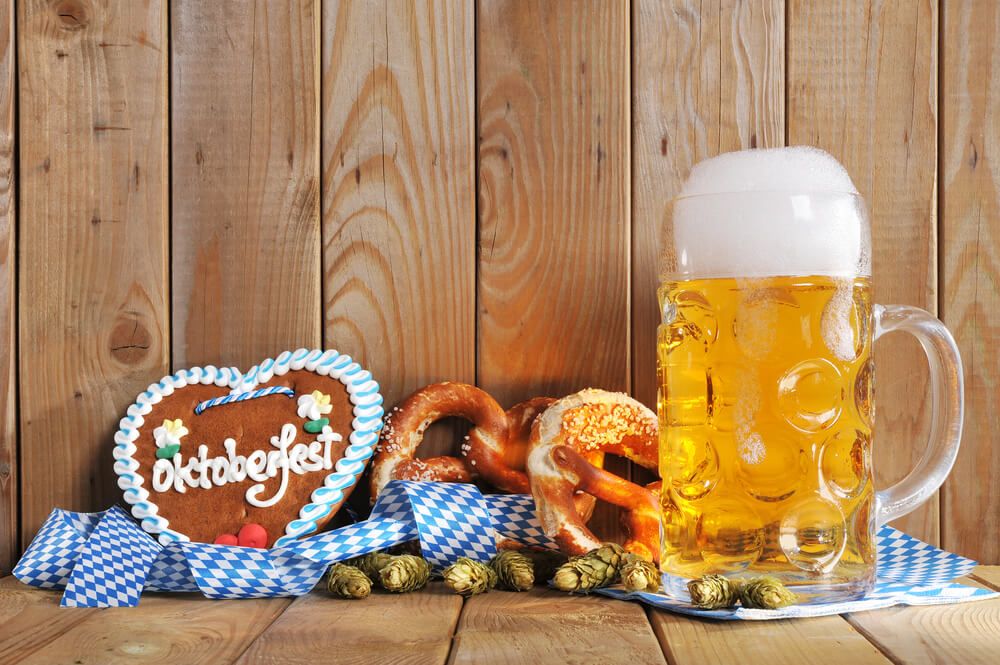
15 - Oktoberfest
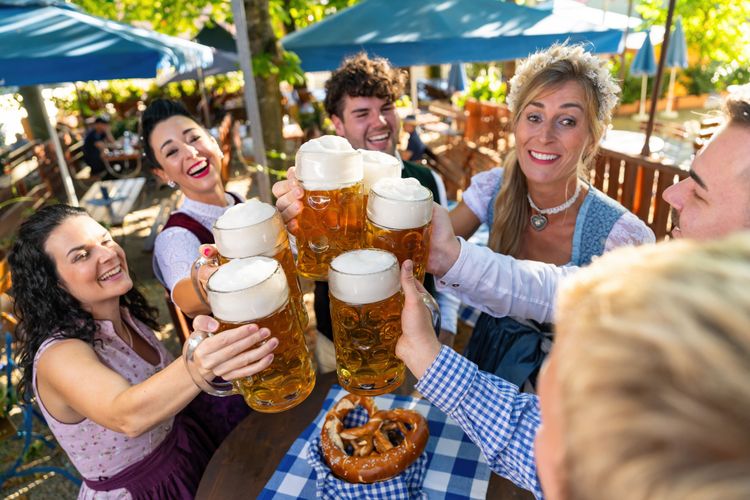
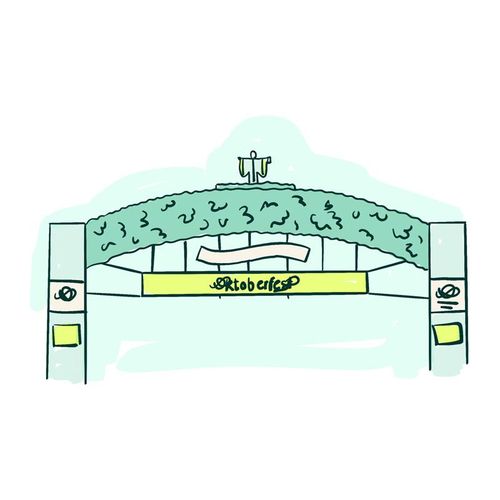
No walk through Munich would be complete without mentioning this festival, nicknamed the Wiesn, which draws several million visitors every year to a huge meadow near the centre. Born in 1810 to mark the wedding of a future Bavarian king, it still opens when the mayor taps the first barrel and calls out that the beer is flowing, followed by twelve cannon shots that let the other tents begin.
Free entry
16 - Eisbachwelle
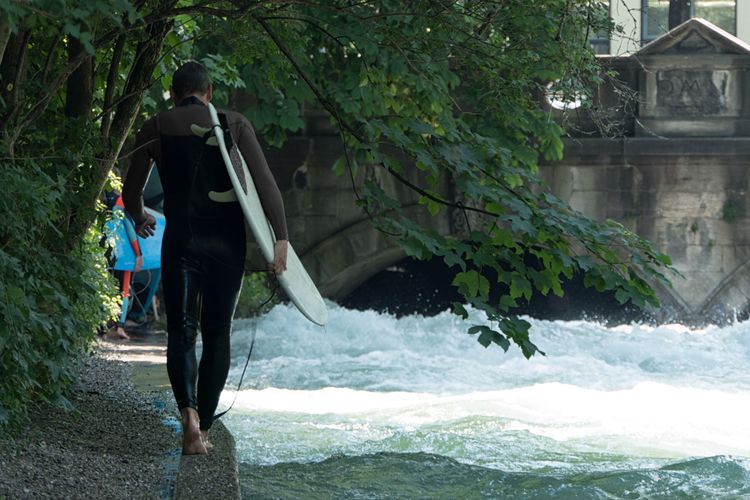
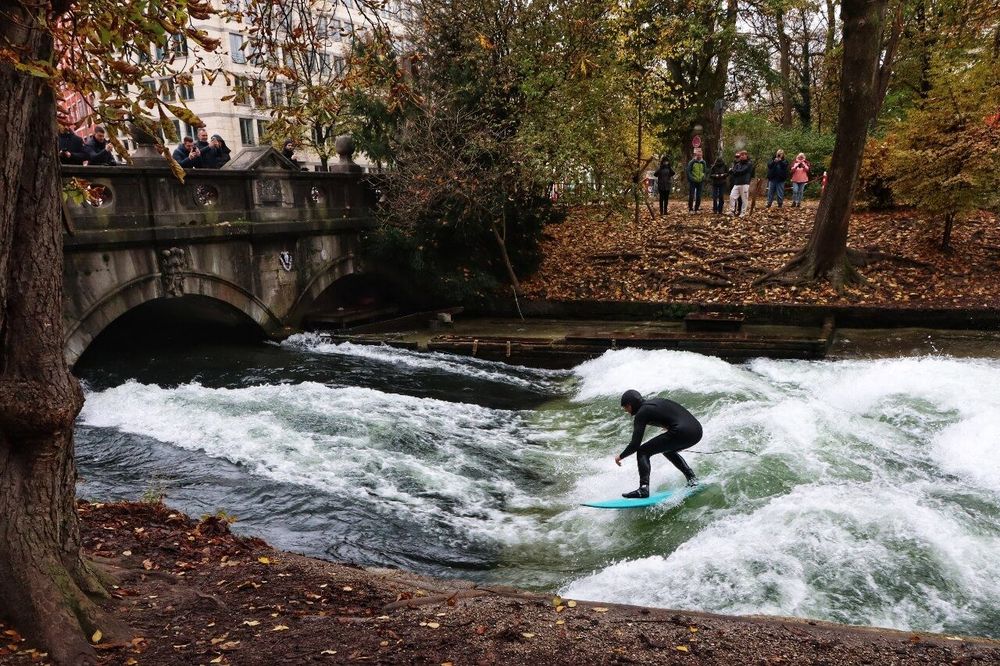
On an artificial branch of the Isar bordering the English Garden, a standing wave has drawn surfers taking turns since the 1970s, for decades without official approval until it was finally legalised in 2010. A free and unusual sight right in the middle of the city, this curiosity stays strictly for experienced riders, since the current can turn dangerous fast.
Free entry
17 - English Garden
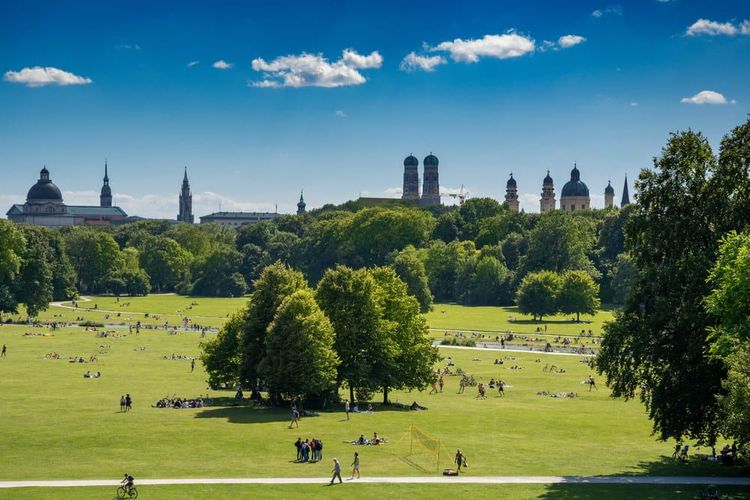
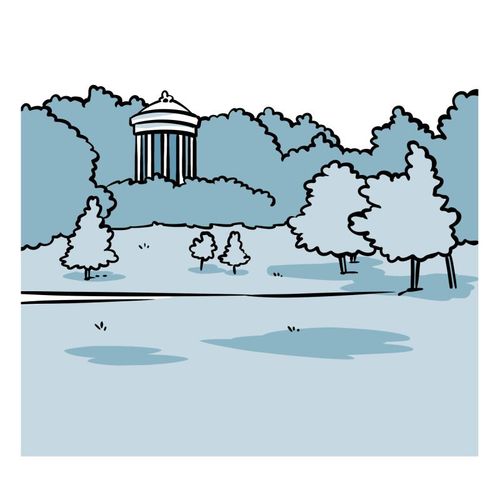
Covering roughly 375 hectares, this park far outsizes Central Park and ranks among the largest urban gardens anywhere. Laid out from 1789 by an American serving the Bavarian court, later Count of Rumford, it opened to the public in 1792 with the winding paths typical of English-style gardens. Walkers come across a Greek-style belvedere temple, a Chinese tower and its vast beer garden.
Free entry
18 - Prinz-Carl Palace
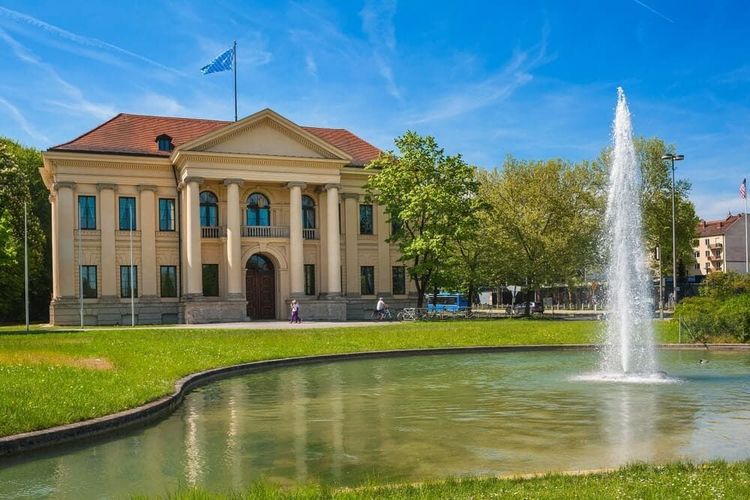
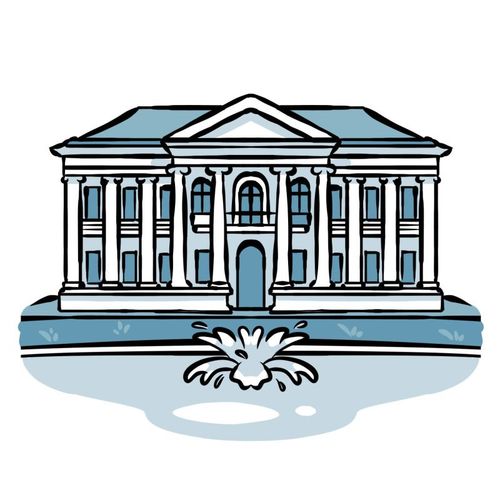
This yellow neoclassical façade, designed by an architect barely 21 years old, went up between 1804 and 1806 for a former royal tutor. Given in 1825 by King Ludwig I to his brother, whose name it still bears, it later served as a diplomatic residence and then a guesthouse under the Nazi regime, before becoming, since 1924, the official home of Bavaria's state premiers.
Free to see from outside
19 - Hofgarten
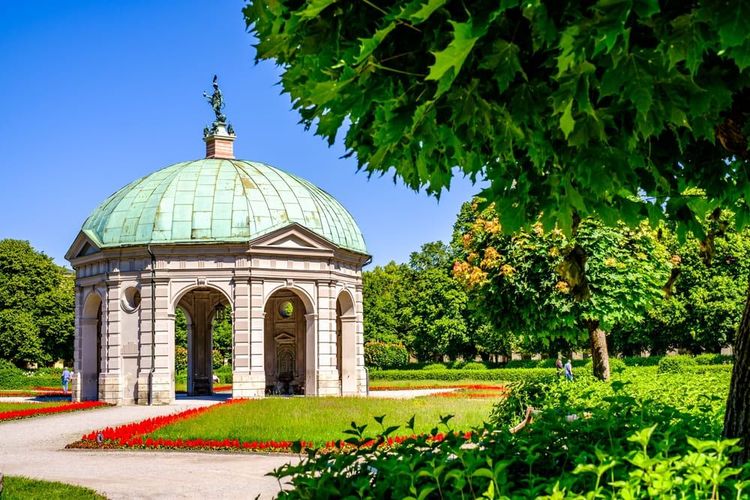
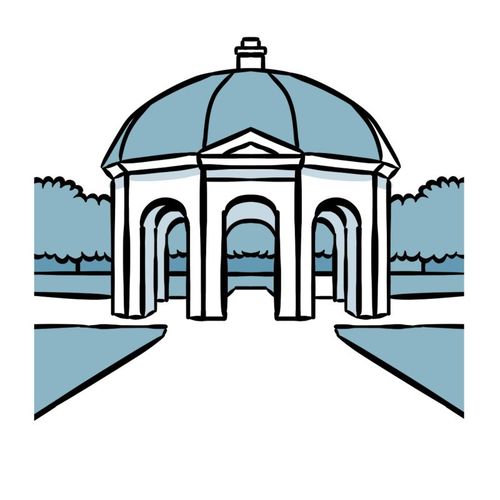
Laid out as early as 1613 by Duke Maximilian I, this Italian-style court garden keeps its original design of symmetrical paths and box hedges, converging on a twelve-sided pavilion, the Temple of Diana. Crowning it stands a copy of the Tellus Bavarica, a sculpted figure of Bavarian fertility, while the original rests safely among the Residenz's collections nearby.
Free entry
20 - Odeonsplatz
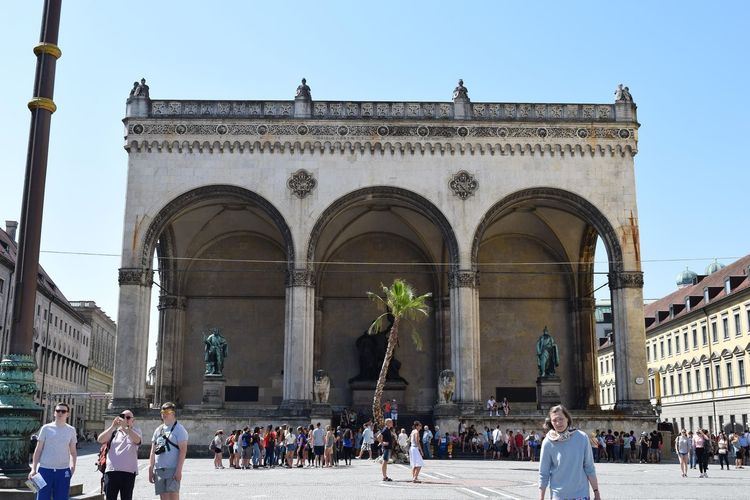
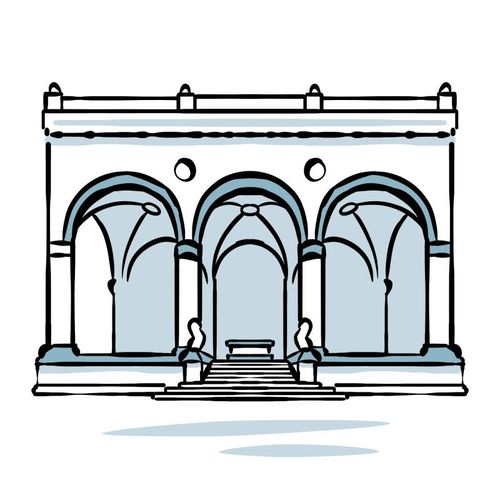
Entrusted in 1816 to architect Leo von Klenze, this Italian-flavoured square pairs the Feldherrnhalle, modelled on a Florentine loggia, with the Theatine Church, whose yellow dome rises 71 metres above princely tombs. In 1923, a failed coup led by a certain Adolf Hitler ended here in violence, before a small, quiet detour became a symbol of silent resistance.
Free entry
21 - The Residenz
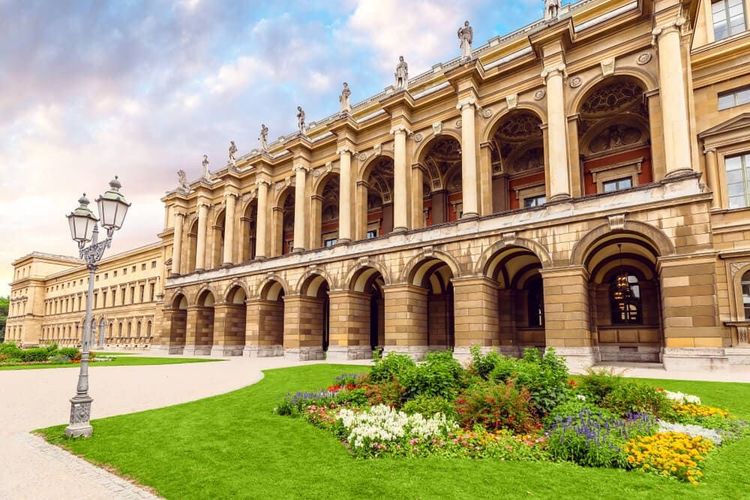
Germany's largest city palace, covering more than 40,000 square metres across ten courtyards, the Residenz served as the seat of Bavarian rulers from 1508 to 1918. Every generation left its own mark, from the Renaissance Antiquarium to a neoclassical wing inspired by the Pitti Palace, including a rococo theatre where Mozart premiered his opera Idomeneo in 1781.
Paid entry (about €10)
22 - Promenade Square
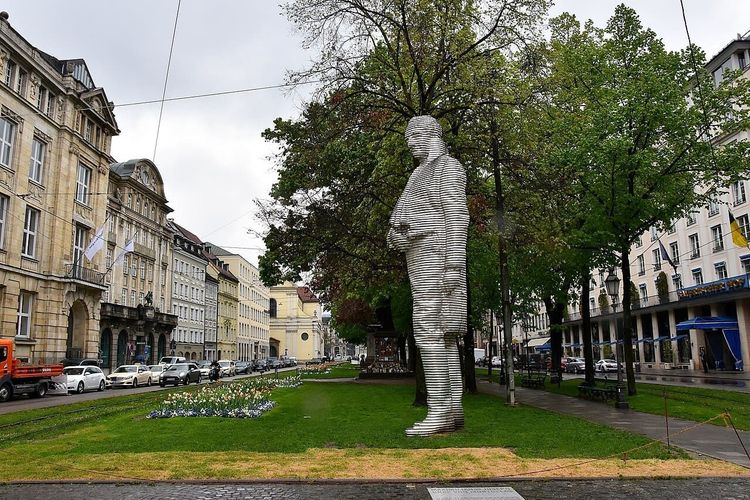
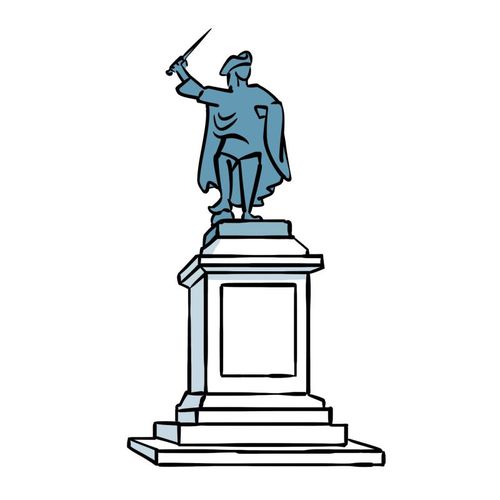
A former salt warehouse until 1778, this square turned tree-lined promenade in 1804 now brings together a grand hotel and two unexpected monuments. One, an aluminium statue of an early-19th-century reforming minister, stands out against the classical style around it. The other, dedicated to a Renaissance composer, has served since 2009 as an informal memorial to a late pop singer.
Free entry
23 - Lenbachplatz
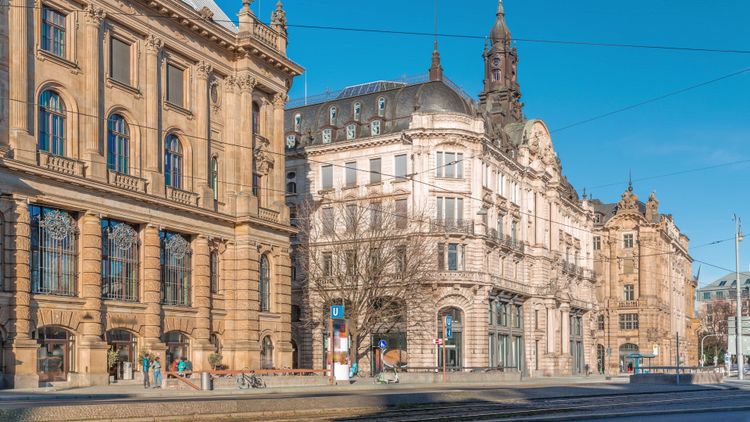
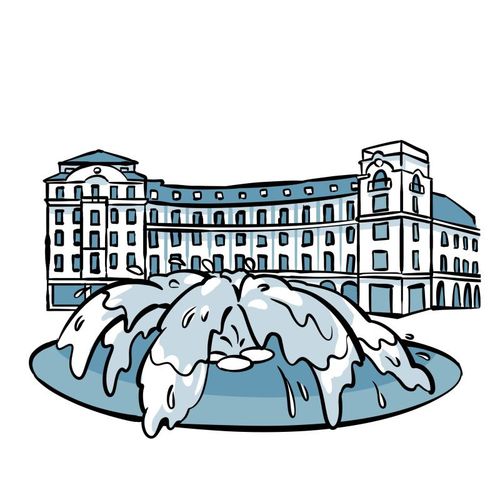
Named after a famous local portrait painter, this square happily mixes eras side by side: the grand, late-19th-century Wittelsbach Fountain faces the nearby Künstlerhaus, an artists' house rebuilt in the years following the war. A quiet memorial stone set into the pavement recalls Munich's great synagogue, which once stood close by, torn down by the Hitler regime in 1938 as part of a wider campaign of destruction.
Free entry
24 - Palace of Justice
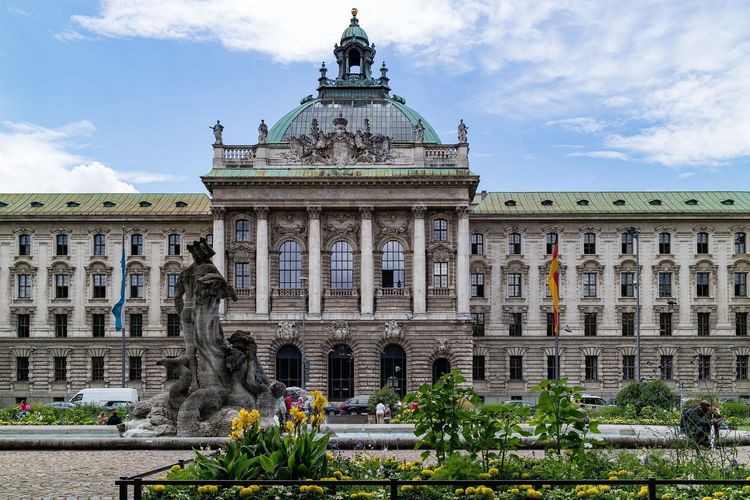
Completed in 1897 in neo-baroque style, this building, topped with a 66-metre glass dome, still houses Bavaria's courts of justice. In one of its halls, the resistance students of the White Rose were tried and condemned within hours, then executed the same day in 1943; a permanent exhibition now honours their memory.
Free to see from outside
25 - Karlsplatz
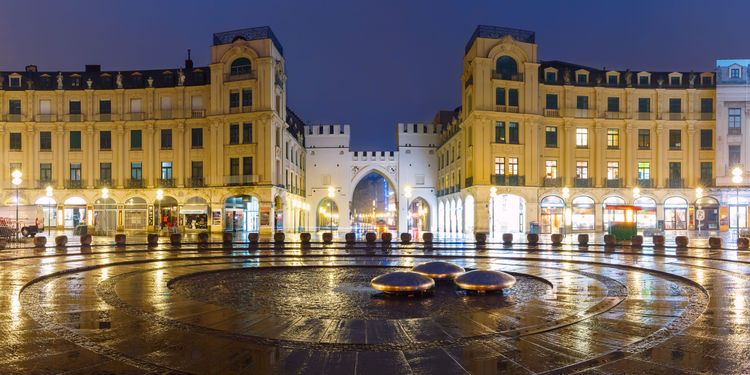
Nicknamed Stachus after an old tavern, this square marks the western gateway to the old town, next to a medieval gate reworked in neo-Gothic style after an accidental explosion. Beneath its paving lies a vast underground complex, built for the 1972 Olympic Games, mixing shops, parking and public transport lines.
Free entry
26 - Neuhauser Street
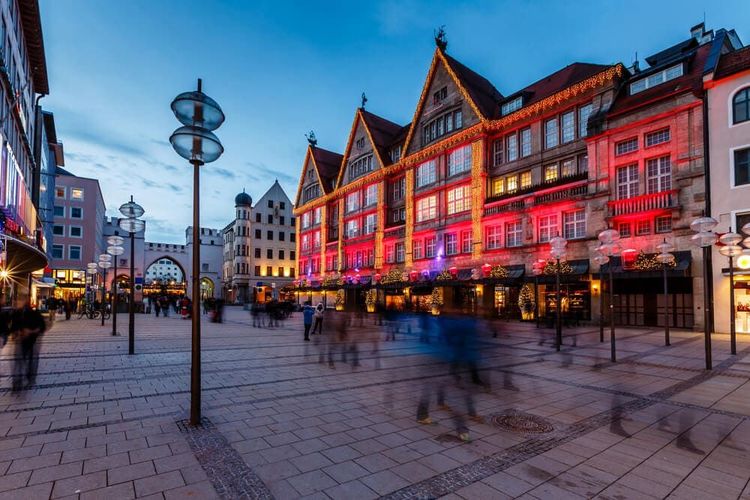
To close the loop, this street, fully pedestrian since 1972, is said to be the country's busiest shopping strip, inheriting a route already used in the 12th century by the salt road. Along the way stand the Bürgersaal church, with its red baroque façade, and St. Michael's Church, considered the first major Renaissance church north of the Alps.
Free entry
What to do in Munich in 2 or 3 days?
This 6.5 km route links 26 sights in about 2 hours 40 minutes and is enough to take in the essentials of the Altstadt, from the Viktualienmarkt to the English Garden. With 2 or 3 days in the city, Munich opens up much further, between its grand parks and excursions into the Bavarian countryside.
The next day, head to the north of the city for the Olympiapark, built for the 1972 Olympic Games: its tensile fabric roofs, designed by architect Frei Otto, still rise above the stadium and the swimming pool. The neighbouring BMW Museum rounds off the visit. To plan these two or three days step by step, our guide to a weekend in Munich details the addresses and travel times.
The third day lends itself to a trip outside the city, between a fairy-tale castle and a site of remembrance, two options brought together in our top 7 things to do in Munich.
Which neighbourhoods does the tour cross?
In a loop, the route crosses the districts that tell the story of Munich, from the medieval core to the broad royal avenues of the 19th century.
It starts at Marienplatz, flanked by the two town halls, then lingers in the old core, between St. Peter's and the Church of the Holy Spirit and the Viktualienmarkt (stops 1 to 9), before passing through Isartor Gate and skirting the Hofbräuhaus.
Beyond that, the route reaches the residential Lehel district, with its wide 19th-century buildings, before entering the English Garden and its standing surf wave (stops 10 to 17).
The final stretch climbs toward the royal quarter, between the Residenz and Odeonsplatz, before heading back down through Karlsplatz and Neuhauser Street, Germany's busiest shopping street (stops 18 to 26).
What to see in Munich in 2 hours?
If time is short, focus on the heart of Marienplatz: stops 2 to 6 sit within a few hundred metres of each other and follow on within minutes on foot.
Start at the New Town Hall and its carillon, which replays a medieval tournament in the tower every day, then cross the square to the Old Town Hall, whose tower holds a toy museum. Right next door, St. Peter's Church can be climbed for a view over the city, while the neighbouring Church of the Holy Spirit blends Gothic vaults with baroque decoration. Finish at the Viktualienmarkt, where stalls of Bavarian specialities crowd together.
How much does it cost to visit Munich?
Of the 26 stops on the route, only one requires an entry ticket: the Residenz royal palace, for around €10. Twenty can be visited freely, and five others are only seen from the street, with no indoor access included:
- the Government of Upper Bavaria, admired mainly for its imposing façade;
- Prinz-Carl Palace, at the entrance to the English Garden;
- the Old Town Hall, whose toy museum is visited separately;
- the Palace of Justice and its glass dome;
- Isartor Gate, whose small museum dedicated to comedian Karl Valentin costs €4 extra.
Two towers also offer a paid climb for a view from above: the Frauenkirche, for €8, and the New Town Hall, for €7, home to the famous carillon.
Information checked in October 2026 and subject to change.
Where to stop for a bite along the tour?
The Viktualienmarkt (stop 6), where stalls of Bavarian specialities follow one another from Monday to Saturday, remains the most obvious food stop on the route.
Before noon, try the weisswurst, Bavaria's white sausage, served with a pretzel and sweet mustard. Obatzda, a camembert spread with red onion and paprika, is eaten on a slice of dark bread, and leberkäse, a kind of beef or pork loaf, is served hot with an egg. For beer, the Hofbräuhaus (stop 8) has been brewing its own since 1589, poured into large litre mugs. The other Bavarian classics are gathered in our top 10 culinary specialties of Munich.
What to do in Munich with children?
The route has plenty to keep children entertained, between an animated carillon and a fountain straight out of a fairy tale.
On Marienplatz, the carillon of the New Town Hall brings mechanical figures to life every day, replaying a dance and a medieval tournament at 11 am, 12 noon and sometimes 5 pm. Right opposite, the tower of the Old Town Hall hides the Spielzeugmuseum, a toy museum spread over four floors with more than four thousand pieces. A little further on (stop 10), the Wolfsbrunnen fountain, installed in 1904, shows Little Red Riding Hood facing an almost smiling wolf.
What should you know before visiting Munich?
A few local customs help you enjoy the route without a hitch.
In beer gardens, Bavarian custom allows you to bring your own picnic, as long as you buy your beer on site. To avoid the crowds, it is best to visit the Viktualienmarkt (stop 6) early in the morning, before the midday rush.
Staying alert still matters: pickpocketing and scams increase near train stations and during large festive gatherings. It is better to withdraw cash from bank cash machines rather than on the street, and never to leave luggage unattended.
What to see around Munich?
Munich also lends itself to day trips, between 20th-century remembrance, Bavarian fairy-tale charm and another city to explore on foot.
A little under an hour's drive away, the Dachau concentration camp memorial, the first camp opened by the Nazi regime in 1933, is reached by S-Bahn line S2 from the central station (about 25 min), then bus 726 (about 10 min). Entry is free, open every day from 9 am to 5 pm; allow close to 5 hours for the exhibition centre, the historic buildings and the museum.
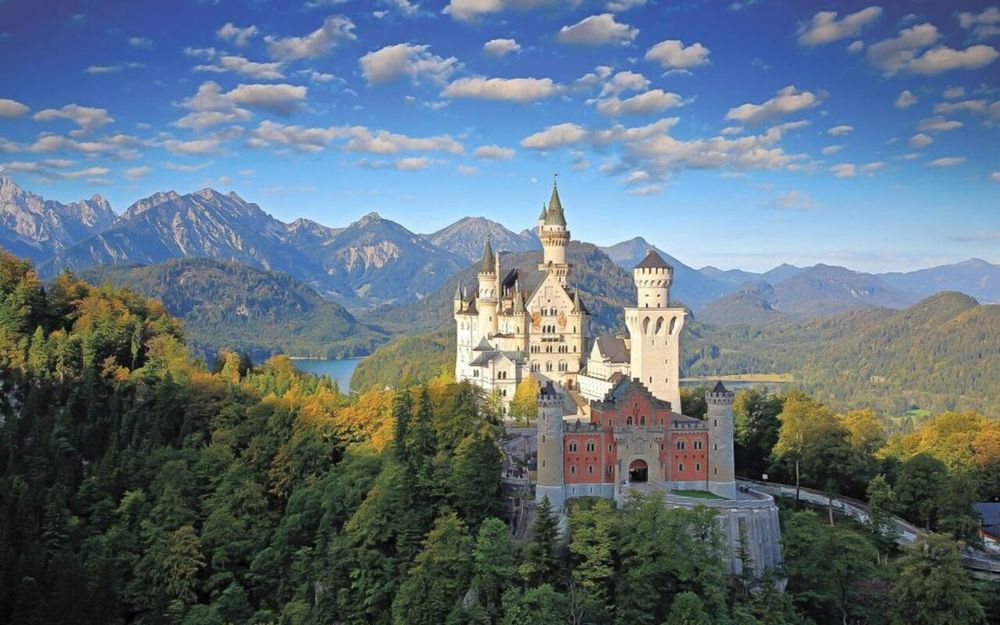
About two hours' drive away, Neuschwanstein Castle, built in the 19th century for King Ludwig II of Bavaria on a rocky outcrop, draws more than a million visitors every year. It is reached by regional train from the central station to Füssen, then by bus or shuttle to the village of Hohenschwangau. Other excursion ideas are gathered in our top 7 things to do in Munich.
A little further on, Salzburg, 115 km away, offers its own audio-guided walk centred on Mozart, between UNESCO-listed heritage and alpine scenery.
What's on in Munich right now?
At this end of the year, one traditional event brings Marienplatz to life.
From November 20 to December 24, the Christmas market sets up its stalls and its Kripperlmarkt, the nativity-scene market, right on the square; it closes exceptionally on November 22 and shortens its hours on December 24, from 10 am to 2 pm.
Information checked in October 2026 and subject to change.
Le plein d'inspirations
Explorez le monde en totale liberté, à pied au cœur des villes ou au fil des routes. Nos guides audios transforment chaque destination en une découverte culturelle immersive et unique.










FAQ for visiting Munich
When is the best time to visit Munich?
The ideal time to discover Munich runs from May to September, when temperatures are pleasant and the days are long. Spring offers blooming parks and a gentle atmosphere, while summer lets you make the most of the beer gardens. If you are coming for Oktoberfest, plan your stay for late September. Winter remains magical with its Christmas markets, even if temperatures can drop below zero. If possible, avoid the rainy months from May to July, or simply pack an umbrella. Each season reveals a different facet of the Bavarian capital.
How many days do you need to visit Munich?
Generally count on three to four days to explore Munich comfortably. Two days are enough to discover the historic centre, Marienplatz and a few major museums. With three days, you can add a visit to Nymphenburg Palace and enjoy the atmosphere of the beer gardens. Four days let you delve deeper into your discovery with the less touristy neighbourhoods and perhaps an excursion to Neuschwanstein. The Ryo audioguide helps you optimise your time with themed tours suited to the length of your stay. A full week offers the possibility of also exploring the Bavarian surroundings.
How do you get around Munich?
Munich has an excellent public transport network with metro, trams and buses that efficiently serve the whole city. The historic centre is easy to explore on foot, and many tourist sites are accessible within a few metro stops. Daily or weekly tickets are often the best option for visitors. The bike also remains very popular thanks to the many secure cycle paths. Taxis and ride-hailing services round out the options for late-night journeys. From the airport, the S-Bahn takes you directly to the city centre in about forty minutes.
Where should you stay in Munich?
The historic centre around Marienplatz offers the most convenient location for discovering Munich on foot, but rates there are generally higher. The Schwabing district charms with its bohemian atmosphere and its more moderate prices. Maxvorstadt is perfect for museum lovers with its proximity to the pinakotheks. For a more authentic stay, Haidhausen offers a local atmosphere while remaining well connected. The neighbourhoods near the central station make getting around easier but can be less charming. Book in advance, especially during Oktoberfest or trade fairs.
What can you do for free in Munich?
Munich offers many free activities to discover its Bavarian charm. Parks such as the Englischer Garten invite you to relax, with its surfers on the Eisbach river offering a unique spectacle. Marienplatz and its glockenspiel draw crowds several times a day. Historic churches such as the Frauenkirche or Sankt Peter can be visited freely. On Sundays, some museums offer a symbolic entry fee. The traditional markets, notably the Viktualienmarkt, let you soak up the local atmosphere without spending. The Ryo audioguide enriches these free discoveries with fascinating historical commentary.
What are the culinary specialities of Munich?
Munich cuisine celebrates Bavarian traditions with generosity. The Weisswurst, white sausages served with sweet mustard and pretzels, make up the typical breakfast. The Schweinshaxe, grilled pork knuckle, and the Leberkäse, a meatloaf, are among the emblematic dishes. The beer gardens also offer Obatzda, a spiced cheese spread, and Steckerlfisch, fish grilled on a stick. On the sweet side, taste the Apfelstrudel and the Dampfnudel, steamed buns served with a vanilla sauce. Beer remains, of course, a must, with its many local breweries offering different styles depending on the seasons.
How can you avoid the queues at museums and attractions?
Booking your tickets online remains the best strategy for avoiding long waits, particularly for the royal castles and the pinakotheks. Opt for visits early in the morning or late in the afternoon when the crowds thin out. Weekdays are generally less busy than weekends. Some museums offer reserved time slots or skip-the-line entries for a reasonable supplement. Avoid German school holiday periods and major events such as Oktoberfest that draw large crowds. Flexible planning will allow you to adapt your programme according to the crowds you observe.
Is Munich an expensive city?
Munich is among the most expensive cities in Germany, with prices comparable to the major European metropolises. Accommodation often represents the main expense, especially in the city centre. The traditional restaurants nevertheless offer generous portions that justify their prices. To save money, opt for supermarkets for some meals and lunchtime set menus in restaurants. Public transport remains affordable with tourist passes. Many free activities let you enjoy the city without spending too much. Plan a comfortable daily budget to fully appreciate your stay without constraint.
Is Munich worth visiting?
Yes, and for quite a range of reasons. Munich combines a compact, carefully restored historic centre, museums of international standing, a still living brewing tradition and a way of life that surprises visitors in a hurry. It is also one of the greenest cities in Germany, with an immense park in the very centre where people swim in a river and surfers ride a permanent standing wave.
The city is moreover the gateway to Bavaria and the Alps, within train reach for a day trip. Add a relaxed atmosphere, busy markets, beer gardens shaded by chestnut trees and a well-filled calendar of festivities, and you have a destination that stands on its own for a long weekend.
What are the must-see places in Munich?
The heart of the city is Marienplatz, dominated by the neo-Gothic new town hall whose glockenspiel brings the façade to life at set times. Around it stand the Frauenkirche with its two onion-domed towers, emblems of the Munich skyline, St Peter's church whose tower can be climbed for the view, the tiny and exuberant Asamkirche and the Viktualienmarkt, a food market doubling as a beer garden.
A little further out, the Residenz unfolds the splendour of the dukes and kings of Bavaria, the English Garden provides its green breathing space and the Pinakotheken hold an outstanding painting collection. On the edge of town, Nymphenburg Palace and its park deserve half a day. The Ryo audio guide offers a dedicated Munich route linking these points in the centre.
Is it easy to visit Munich without a car?
Yes, it is actually the most sensible way to explore the city. The historic centre, from Marienplatz to Isartor, can be crossed on foot in 20 to 25 minutes, and a single network, the MVV, combines the U-Bahn, S-Bahn, trams and buses. From the airport, lines S1 and S8 drop you at Marienplatz in 40 to 45 minutes.
Most sights lie within zone M, with a day ticket at €10.10. Cycling completes the picture, with over 1,200 km of bike lanes and MVG Rad bike-sharing.
Find all the routes, fares and tips in our guide to visiting Munich without a car on foot, by bike and by public transport.
Vos commentaires, idées et suggestions
Aucun avis pour le moment