






Créé par Romane, le 2 oct. 2026
Votre guide Ryo
Muscat, Oman
Short tour - A humble Arabia
Parcours audioguidé pour visiter Mascate en 1 jour
This is the short version of the tour, perfect for discovering the city's highlights in no time. If you'd like to explore further, the full tour is also available, allowing you to discover the city in much greater depth.
This tour of Muscat’s historic heart invites you to dive into the authenticity of a preserved sultanate, featuring sparkling royal palaces, centuries-old Portuguese forts, and the scent of frankincense. Throughout the route, discover Oman’s maritime heritage, the elegance of its white architecture, and the peaceful spots where Bedouin traditions meet modern hospitality. A simple and immersive way to explore the serene soul of Muscat at your own pace.
Quand partir à Mascate ?
Jan.
21°
2
Feb.
22°
2
March
25°
2
April
30°
1
May
34°
0
June
35°
0
July
34°
0
Aug.
33°
0
Sept.
32°
0
Oct.
29°
0
Nov.
25°
1
Dec.
22°
2
The best time to visit Muscat is from October to April, when temperatures are milder and more pleasant for sightseeing, city walks and excursions to wadis or the mountains. Winter, between December and February, offers particularly comfortable weather, with sunny days and little excessive heat. By contrast, summer, from May to September, is marked by very high temperatures and high humidity, making visits more challenging, even though the city is quieter and less crowded.
Départ conseillé
No need to worry about where to begin! Our tours are designed as a loop, so you can jump in wherever you are. The navigation system and audio-guide will automatically adjust to your location. However, if you happen to be nearby, we do have a preferred starting point: Muscat Gate Museum
Parking à proximité
Riyam Park Parking
One of the best options for parking in Muscat is to use the car parks located near Riyam Park. They are relatively central, offer a good number of spaces and make it easy to reach Old Muscat on foot. If you wish to get closer to the main sites, it is also possible to find parking spaces around Al Alam Royal Palace and the National Museum, mainly along the roadside or in small municipal car parks. However, these spaces are more limited and can fill up quickly. Overall, Muscat remains a city where parking is fairly accessible, provided you are willing to walk a short distance to avoid the busiest areas.
À savoir
The city is very spread out, and its attractions are located far from one another, making a car almost essential for getting around easily. This shorter version focuses on the city's historic center, but once you've explored it on foot, you can take your car or another means of transport to reach the northwestern part of the city.
Public toilets are relatively scarce in Muscat, so it is best to rely on cafés, restaurants or shopping centres for a break, making a small purchase when you stop.
To visit Muscat in good conditions, it is advisable to keep a few practical points in mind. In religious sites, such as mosques, respectful clothing is required, with shoulders and legs covered. On Fridays, some sites close or operate at a slower pace, while the souks and the corniche become livelier later in the day.
Découvrez 14 lieux d'intérêt pour visiter Mascate











Le plein d'inspirations
Explorez le monde en totale liberté, à pied au cœur des villes ou au fil des routes. Nos guides audios transforment chaque destination en une découverte culturelle immersive et unique.





FAQ for visiting Muscat
When is the best time to visit Muscat?
The ideal time to discover Muscat runs from October to April, when the climate turns milder and better suited to city walks. Temperatures stay soft and pleasant, perfect for exploring the historic forts and wandering through the souks. Winter, between December and February, offers particularly comfortable conditions with generous sunshine but no overwhelming heat. On the other hand, avoid summer from May to September, when the heat and humidity can make sightseeing gruelling. That season nonetheless remains appealing to those seeking quiet who tolerate high temperatures well, with the advantage of a less crowded city.
How many days do you need to visit Muscat?
Two to three days are generally enough to appreciate the essentials of Muscat and its unique atmosphere. This time lets you discover the historic heart, the royal palaces, the Portuguese forts and soak up the ambiance of the traditional souks. If you wish to go deeper into your visit and explore the surroundings such as the wadis or the nearby beaches, plan instead for four to five days. Muscat lends itself perfectly to a leisurely pace of discovery, in harmony with the Omani way of life. The city is not vast, which lets you get around it comfortably without rushing and savour every moment of your stay.
How do you get around Muscat?
Muscat is a sprawling city where the car remains the most convenient means of transport. Car rental offers complete freedom to explore the capital and its surroundings at your own pace. Taxis are plentiful and relatively affordable, particularly the official orange-and-white taxis. Ride-hailing apps such as Careem or OTaxi make your daily journeys easier. For short distances in the tourist neighbourhoods, walking remains pleasant outside the hottest hours. Public buses exist, but their limited network and variable timetables make them less practical for visitors. Note that there is neither a metro nor a tram in the city.
What are the must-sees in Muscat?
Muscat is brimming with treasures that reflect its rich heritage. The forts of Al Jalali and Al Mirani majestically overlook the bay, while the royal Al Alam Palace impresses with its modern, colourful architecture. The Muttrah souk plunges you into an authentic atmosphere of fabrics, incense and traditional jewellery. The corniche offers soothing walks with views over the historic harbour. Don't miss the national museum, which retraces the fascinating history of the sultanate. The Ryo audioguide accompanies you through these iconic sites with commentary that reveals the secrets and anecdotes of each place, enriching your discovery of the Omani capital.
Which neighbourhood should you stay in when in Muscat?
The Muttrah district is an excellent choice for staying, offering proximity to the historic souk and the lively corniche. Its hotels often provide splendid views over the harbour and the bay. The Qurum area is perfect for families, with its beaches, shopping centres and varied restaurants. For a more modern and practical experience, Al Khuwair offers plenty of accommodation options near the administrative and commercial districts. The neighbourhoods of Shatti Al Qurum and Al Mouj Marina appeal to those seeking luxury and seaside resorts. Each area has its own character, letting you choose according to your priorities between authenticity, modern comfort or beach access.
Can non-Muslims visit the Sultan Qaboos Grand Mosque?
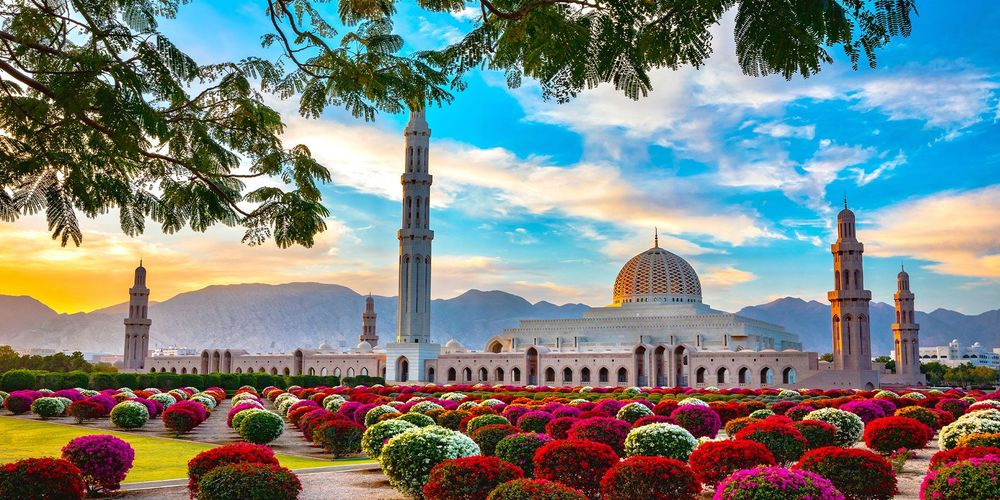
Yes, the Sultan Qaboos Grand Mosque warmly welcomes non-Muslim visitors, making it one of the few mosques in the Persian Gulf open to all. Visits are generally permitted in the morning, from Saturday to Thursday, outside prayer times. Respectful dress is required: clothing covering arms and legs for everyone, and a headscarf for women. Admission is free and you can admire the impressive Swarovski crystal chandelier, the magnificent hand-woven Persian carpet and the contemporary Islamic architecture. This visit offers a unique opportunity to discover Omani religious culture in a spirit of openness and sharing, perfectly reflecting the country's hospitality.
What is there to see at the Royal Opera House Muscat?
Opened in the early 2010s at the initiative of Sultan Qaboos, the Royal Opera House is the first major lyric venue on the Arabian Peninsula. The building combines pale marble, carved wood and traditional Omani motifs in a contemporary architecture surrounded by gardens and arcades; it can be visited during the day, outside performances, which lets you take in the auditorium, the foyers and the galleries. The programme is deliberately eclectic, from Italian opera to Arabic classical music, by way of jazz, dance and symphonic concerts. Smart dress is expected in the evening. Even without attending a show, the place is worth the detour for its architecture and for a stroll through its gardens.
What can you discover in old Muscat and its forts?
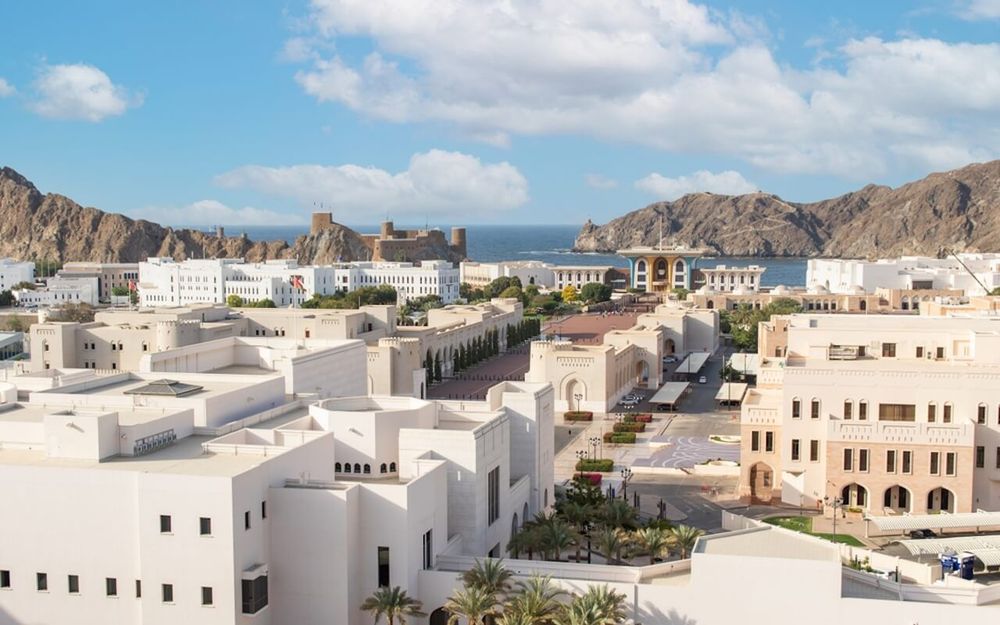
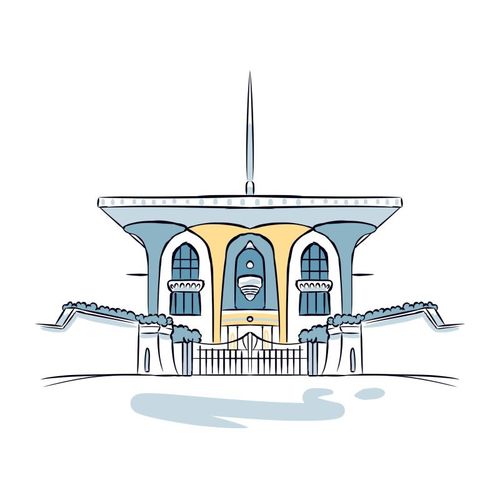
The historic district, known as Old Muscat, sits in a tight cove between the sea and ochre mountains. There you will find the Al Alam Palace, the sultan's ceremonial residence, recognisable by its blue and gold columns: it cannot be visited, but the esplanade leading up to it opens a fine, much photographed perspective.
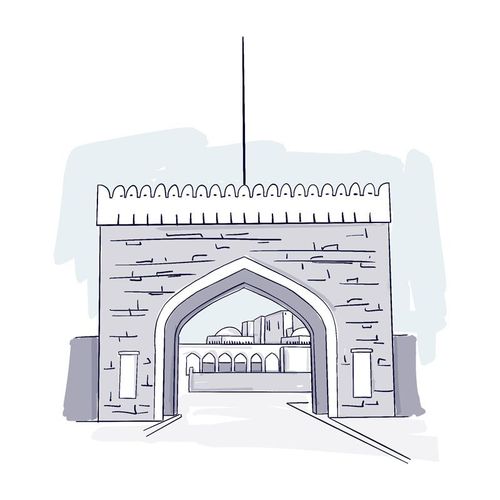
On either side of the bay, the forts of Al Jalali and Al Mirani, raised by the Portuguese in the sixteenth century on rocky headlands, still watch over the harbour entrance; access is restricted, but their silhouettes are perfectly visible from the corniche or from a boat. The old city gates and a few traditional houses round off a short but strikingly evocative walk.
Where can you enjoy the sea and the beaches in Muscat?
Muscat stretches along the coast and lives very much by the water. Qurum beach, the longest and the closest to the centre, is made for late afternoon walks, when Omani families come out for fresh air; Shatti Al Qurum, lined with cafés, is livelier. To the west, the bay of Bandar Al Khairan and its coves, reached by boat, offer clear water and fine snorkelling trips, sometimes with dolphins alongside. The sea stays pleasant for much of the year. Keep in mind that swimwear belongs on hotel beaches and in dedicated areas, and that more covering clothes are expected where local people gather.
Is Muscat a safe destination for travellers?
Oman enjoys a reputation for calm and Muscat is seen as one of the most peaceful capitals in the region. Petty crime is rare, you can move around in the evening without apprehension, and visitors are generally welcomed warmly, if discreetly. The precautions are those of any trip: keep an eye on your belongings in crowded places and store your documents somewhere safe.
The real points of caution are natural ones. The heat, fierce at the height of summer, calls for drinking plenty of water and avoiding full sun in the middle of the day, and wadi beds can fill suddenly when it rains. Respecting local customs, in dress as much as in behaviour, is enough to travel with peace of mind.
Vos commentaires, idées et suggestions
Aucun avis pour le moment