© Shutterstock
 Votre guide Ryo
Visit Auxerre in 3 Days: Complete Itinerary Through Town, Vineyards and Abbeys (2026)
Two hours from Paris, Auxerre has long lived in the shadow of Beaune and Dijon, its better-known Burgundy neighbors. Yet visiting Auxerre in 3 days lets you discover a town that packs a Gothic cathedral, an abbey with Carolingian crypts and half-timbered houses that take your breath away within the first hour of walking into just a few hectares. Three days leave time to do it all properly: explore the old town on foot, head out to the Chablis vineyards, then drive on to the abbeys and the panorama of Vézelay. To get your bearings from the moment you arrive, the Ryo audio-guided tour of Auxerre marks out the historic center without the need to book a guide.
Over three days, you will pass under the Clock Tower and its 15th-century astronomical dial, listen to the legend of Cadet Roussel through a sub-tour of 21 audio stops, taste a Chablis premier cru at the foot of the hillsides and then a Saint-Bris, Burgundy's only sauvignon, and watch stonemasons build a fortified castle with 13th-century tools. This guide details how to organize these three days, with addresses for eating, sleeping, getting around and keeping to your budget.
Day 1: Cathedral, Abbey and Historic Heart of Auxerre
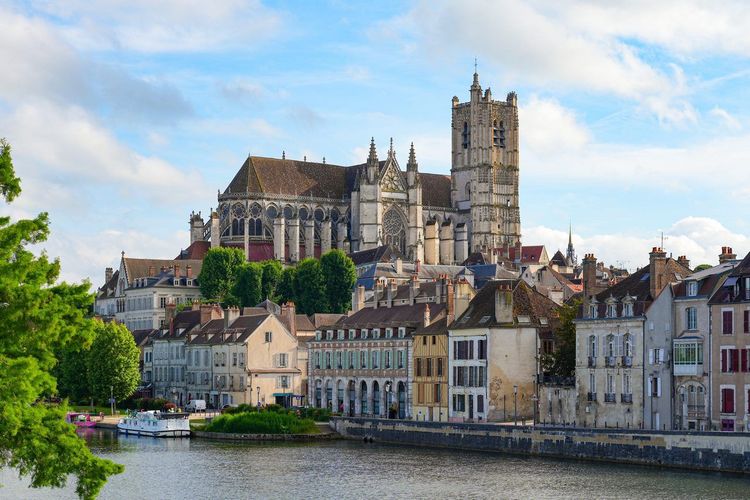
The first day is focused within a 800-meter radius around the cathedral: enough to fill a morning and early afternoon, with no car or public transport needed.
Saint-Étienne Cathedral and Saint-Germain Abbey, the Two Religious Jewels
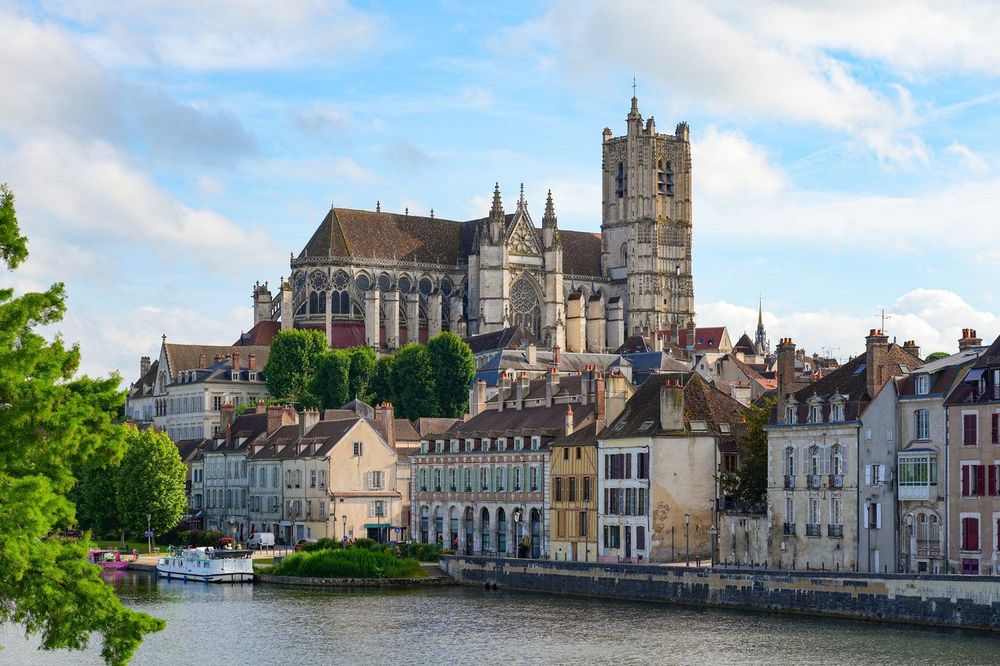
The Saint-Étienne Cathedral of Auxerre was built between the 13th and 16th centuries on a religious site dating back to late Antiquity. The 13th-century stained-glass windows of the choir are among the most beautiful in Burgundy and unfold dozens of biblical scenes. The Romanesque crypt from the early 11th century preserves a very rare fresco of Christ on horseback, surrounded by four angel horsemen. Entry to the nave is free; the crypt and the treasury can be visited for a small entrance fee.
A few minutes' walk away, the Saint-Germain Abbey houses 9th-century crypts that preserve the oldest known wall paintings in France, including the stoning of Saint Stephen, as well as the tomb of Saint Germain and oak architraves from the Carolingian period. The conventual buildings, remodeled in the 17th century, now house the Museum of Art and History. The crypt is visited on a guided tour: check the time slots for the day as soon as you arrive, as the abbey generally opens from 10am to 1pm and then from 2pm to 6pm.
If you could only pick one religious monument in Auxerre, choose the abbey crypt over the cathedral: it takes more time, but no other site in town takes you back so far in time. Allow 1.5 hours for both visits.
The Old Town: Clock Tower, Half-Timbered Houses and Arbre Sec Park
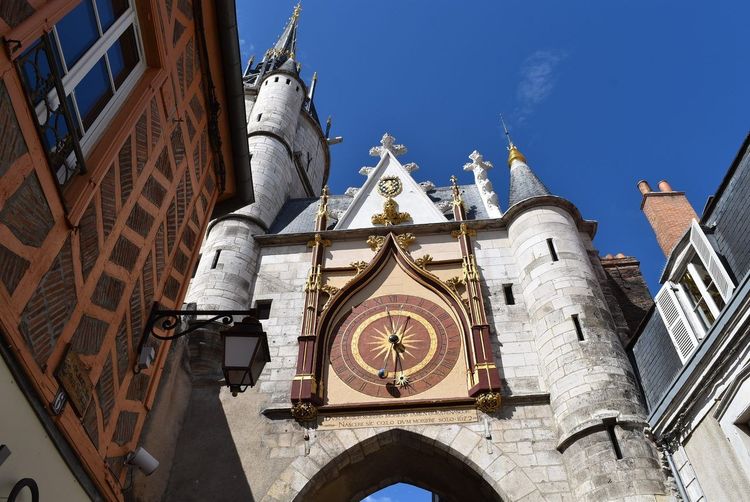
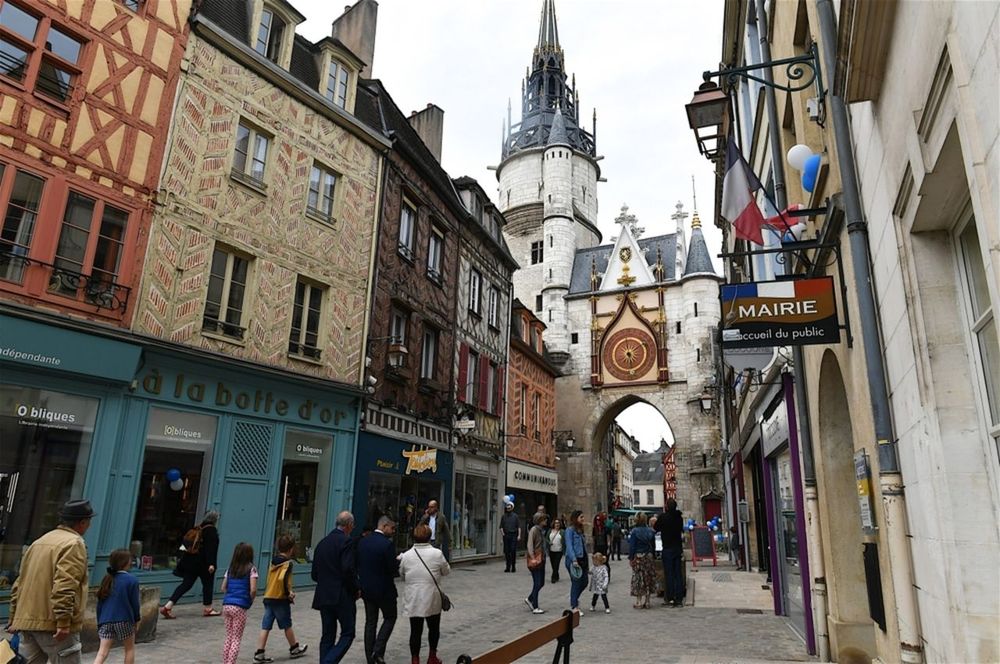
As you walk back down toward the center, the Clock Tower marks the heart of the old town. Built in the 15th century on the foundations of the Gallo-Roman ramparts and recently restored, it bears an astronomical dial that shows solar time and the phases of the moon. Walk under its archway, then turn around: the side facing rue de l'Horloge is the most photogenic.
The surrounding streets, rue de l'Horloge, rue Fécauderie and place de l'Hôtel-de-Ville, are lined with half-timbered houses from the 15th to the 17th century, some leaning over the street. The most photographed jettied facades are at the corner of rue Fécauderie and around place Charles-Surugue.
Walk here preferably in late morning: the low-angled light brings out the carved beams, often overlooked by passersby. Look up, too, at the old plaques and signs, which tell the story of past trades better than any information panel.
Next, head to the Arbre Sec park, the large public garden in the center, alongside the boulevards. Its lawns and centuries-old trees are ideal for a twenty-minute break before heading back down to the Yonne, and it is where the Catalpa music festival takes place every summer.
The Banks of the Yonne, a Break and a Stroll at the End of the Day
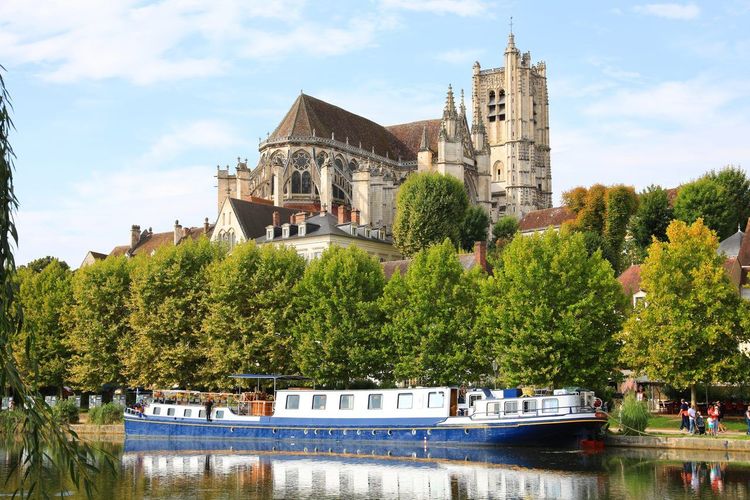
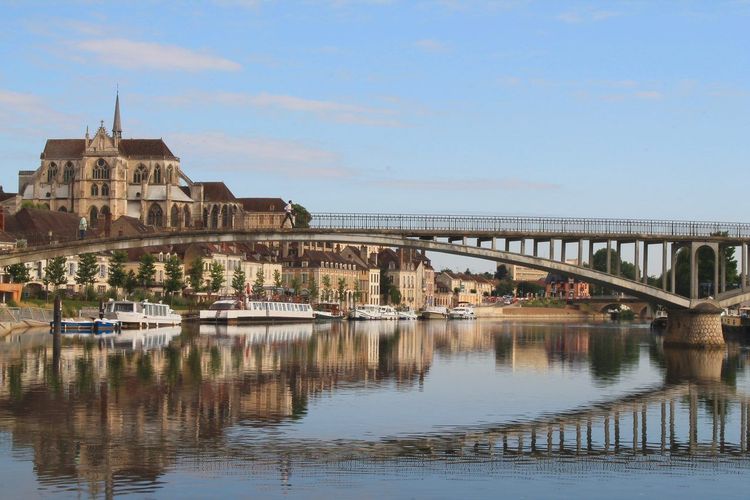
The day naturally ends on the banks of the Yonne (Quai de la République, 89000 Auxerre, rated 4.5/5 on Google from 55 reviews), where pleasure boats have replaced the timber rafts and cargo barges that once made Auxerre wealthy. The view of the cathedral and the abbey from the opposite bank, especially at sunset, remains the most reproduced on the town's postcards.
To link these stops without pulling out a map at every crossroads, the Ryo audio-guided tour of Auxerre connects the cathedral, the abbey and the banks of the Yonne in narrated stops: ideal for a first morning of discovery, headphones on and eyes up.
In the Footsteps of Cadet Roussel, Auxerre's Legendary Figure
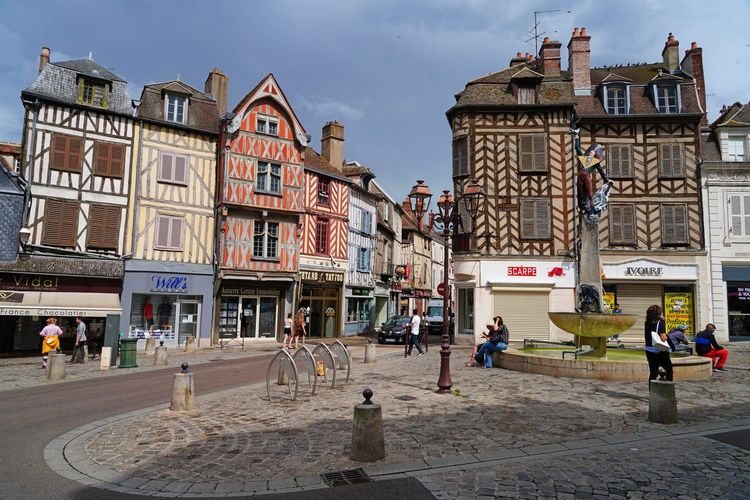
If one name sums up local humor, it is that of Cadet Roussel, hero of the song "Cadet Rousselle a trois maisons" (Cadet Rousselle has three houses), still hummed in schoolyards. The character really existed: Guillaume-Joseph Roussel, born in 1743 in Orgelet in the Jura, settled in Auxerre where he became a bailiff. Eccentric, in debt and a bit of a braggart, he inspired a mocking song that spread in 1792 with the Yonne volunteers who left for the armies of the Revolution, and then across all of France.
The town has made him its ambassador. A waymarked circuit, "In the Footsteps of Cadet Roussel", winds for about 5 km through the historic center, guided by triangular bronze plaques set into the ground, and presents several dozen curiosities of the town. The tourist office sells an accompanying booklet for a few euros, available in several languages.
Would you rather listen than read? The Ryo audio-guided sub-tour Meeting Cadet Roussel condenses the story into 21 audio stops over 3.1 km, or about 1h15 of walking: at each stop, an anecdote about the bailiff, his famous "three houses" and the revolutionary Auxerre he lived through.
Allow an hour and a quarter if you do it after the break on the riverbanks: the route partly overlaps with the morning's sites, making it more of a second look than a new route, ideal for the late afternoon.
Day 2: Chablis Vineyards and Burgundy Villages
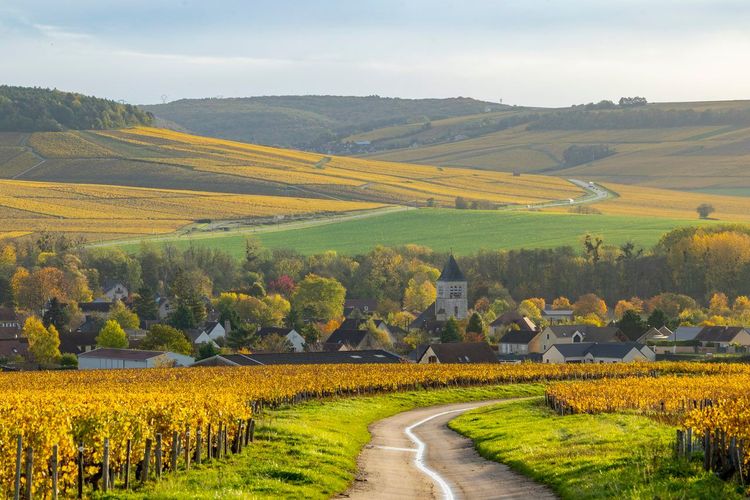
The second day leaves the town center for the vineyards, about twenty minutes by road. In summer, the tourist office also runs the Oenobus, a Tuesday shuttle that serves Irancy, Escolives-Sainte-Camille and Saint-Bris-le-Vineux from Auxerre: a valuable option if nobody wants to drive after the tastings.
Chablis and the Cité des Climats et des Vins de Bourgogne
Chablis lies about twenty kilometers east of Auxerre, in the heart of a vineyard of just over 5,000 hectares divided into four appellations: petit chablis, chablis, chablis premier cru and chablis grand cru, the latter concentrated on the hillsides overlooking the Serein. The town fits into a few streets, dominated by the Saint-Martin Collegiate Church. Many visitors settle for a quick round trip, missing neighboring hamlets like Milly or Fyé, where family estates open their cellars.
The Cité des Climats et des Vins de Bourgogne (1 Rue de Chichée, 89800 Chablis, rated 4.5/5 on Google from 139 reviews) in Chablis, opened in 2023, is housed in the Petit Pontigny cellar, former vaulted cellars of the Cistercian monks. The interactive tour explains the notion of climat in one hour, those plots delimited for centuries that give each Chablis a different mineral profile, with scent devices to recognize the aromas of chardonnay. Allow 9.50 euros for the full rate; open from April to early November, Wednesday to Sunday.
Tip: book the tasting offered at the end of the visit, which lets you compare a chablis and a premier cru side by side before choosing which estate to visit in the afternoon.
Saint-Bris-le-Vineux and Its Cellars
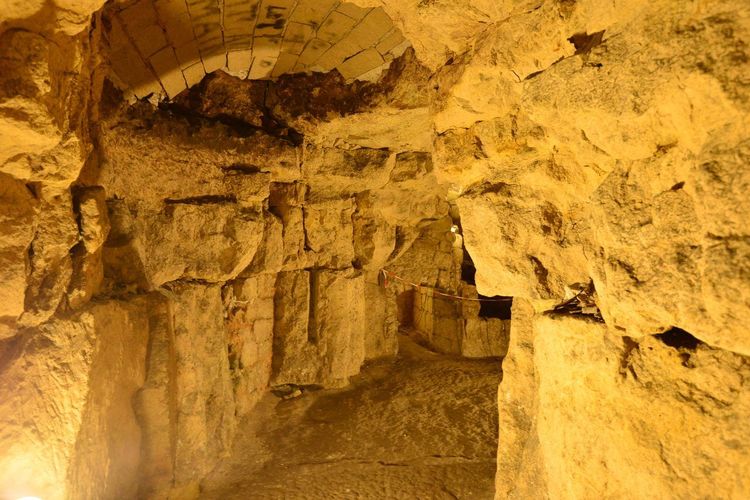
About ten kilometers south of Auxerre (roughly 25 minutes from Chablis), Saint-Bris-le-Vineux cultivates a singularity in Burgundy: the Saint-Bris appellation is the only one in the region devoted to sauvignon, amid a sea of chardonnay. The village sits on a network of medieval underground cellars on several levels, used for centuries to keep wine at a constant temperature.
Several family estates open these cellars for tastings, often led by the winemaker in person. One tip: also stop by Irancy, a few minutes away, to taste the local pinot noir red, one of the rare red appellations of the Auxerrois.
Avoid mid-September if you want to visit cellars: during the grape harvest, some winemakers close their doors to visitors to focus on the harvest.
Biking or Electric Scooter Ride Through the Vineyards
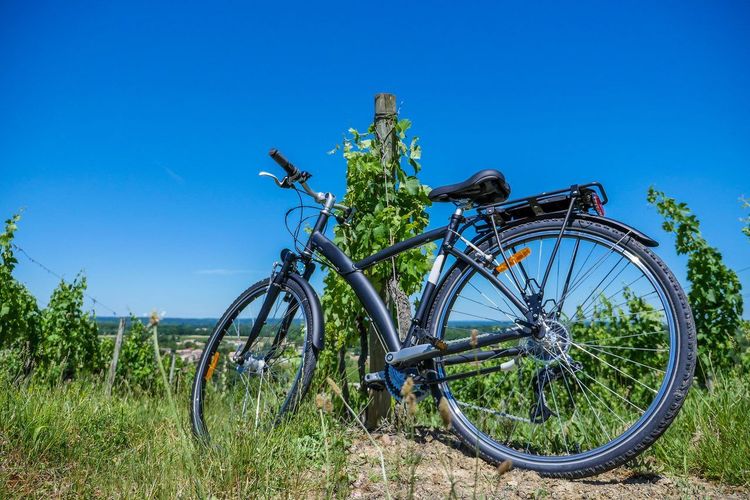
To connect Chablis, Saint-Bris-le-Vineux and the wine villages, rental companies in the region offer the all-terrain electric scooter, faster than a regular bike on hilly paths, generally rented by the half day with enough battery range for 25 to 30 km.
The more athletic will prefer the electric bike, rented by the hour or by the day, with routes that follow quiet minor roads across the hillsides.
Standing in front of a vineyard plot, launch the Ryo audio guide: the history of the vineyards takes on another dimension when you listen to it in front of the rows of vines, at your own pace, with no group to follow.
Day 3: Abbeys, Vézelay and Nature Around Auxerre
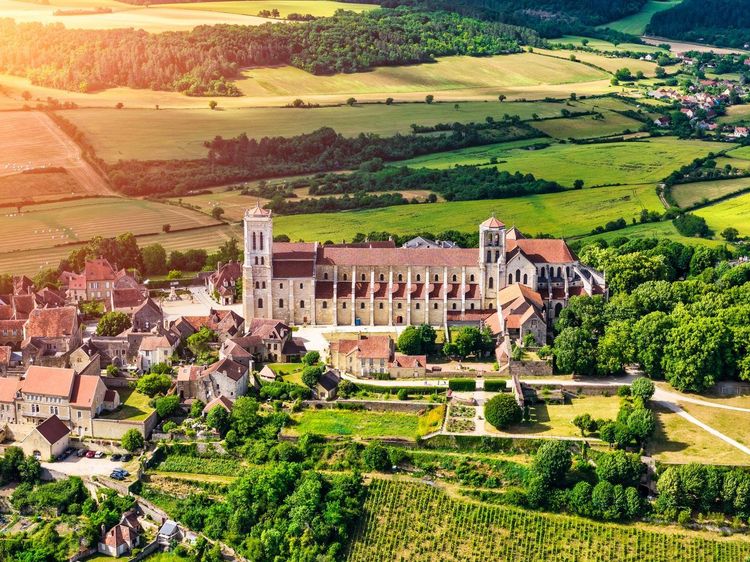
The last day is the most itinerant: head northeast to Pontigny Abbey, then south to Vézelay and the Nivernais Canal, two worlds that share nothing but the golden stone of Burgundy.
Pontigny Abbey, a Sound Journey Through Time
About twenty kilometers northeast of Auxerre, Pontigny Abbey, founded in 1114, is the second daughter house of Cîteaux. Its abbey church, 108 meters long and the largest surviving Cistercian church in France, impresses with its austerity: the monks banned colored stained glass and figurative sculpture. Most of the monastic buildings disappeared after the Revolution, but the abbey church has endured through the centuries.
The abbey served as a refuge for three Archbishops of Canterbury, including Thomas Becket, exiled here from 1164 to 1166 before his assassination in 1170. An immersive audio tour now retraces this little-known history; allow 13 euros for an adult.
The morning light, which streams through the tall white-glass windows, makes the visit more spectacular before 11am than in the middle of the afternoon.
Vézelay: Basilica and Panorama over the Morvan
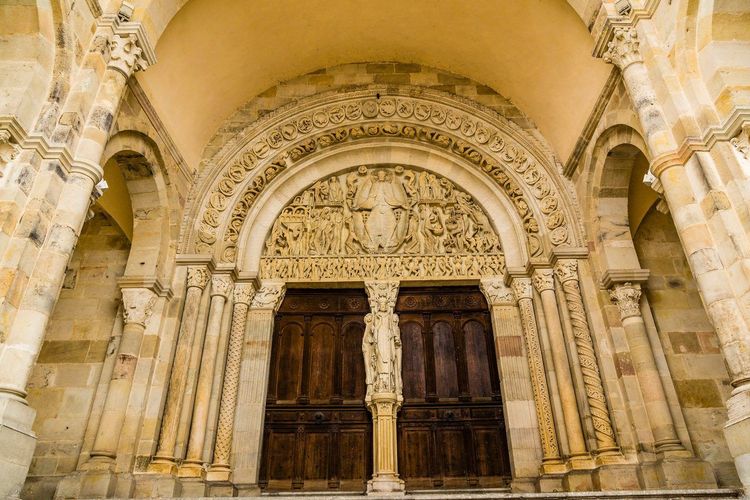
About 50 minutes by road from Auxerre, Vézelay sits on an isolated hill at the gateway to the Morvan, a UNESCO World Heritage Site along with its Basilica of Sainte-Marie-Madeleine. A major medieval pilgrimage site and starting point of one of the routes to Santiago de Compostela, the 12th-century Romanesque building preserves an exceptional sculpted tympanum above the central portal, depicting Christ sending the apostles out to evangelize the world.
Behind the basilica, the terrace offers an open view over the Cure valley and the first hills of the Morvan, perfect for a late-morning picnic. The village shops sell goat cheeses and local charcuterie, enough to put together a meal without driving back down.
To extend the day, the Vézelay municipal campsite offers quiet pitches near the village, a practical option if you prefer to split your three days between Auxerre and the Morvan rather than making multiple round trips.
Nivernais Canal by Boat or Bike
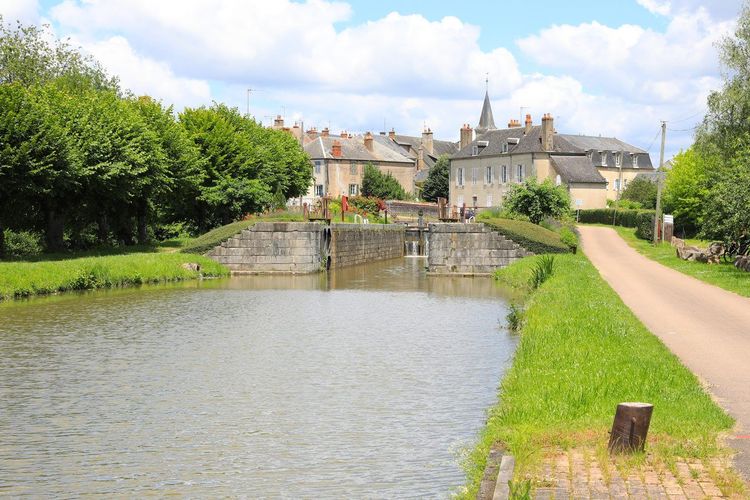
The Nivernais Canal, which winds for 174 km between the Yonne and the Loire, starts in Auxerre and crosses the south of the département via Clamecy. Its most accessible section can be traveled by licence-free electric boat, rented by the hour or by the day, or by bike along the developed towpath.
The locks, some still operated by hand, punctuate the ride from one reach to the next. Allow half a day for an easy round trip, longer if you add a bike stage to the neighboring villages.
If time allows, Fontenay Abbey, about 1h15 by road to the east, and La Charité-sur-Loire, a little over an hour to the southwest, complete a stay that would spill over into a fourth day: two stops best kept in reserve rather than squeezed into this program.
Our Ryo article on the area around Auxerre details other possible stops along the canal, and, back in town in the evening, the Ryo audio guide lets you calmly listen again to the history of the monuments you passed during the day.
Guédelon, the Medieval Castle Construction Site
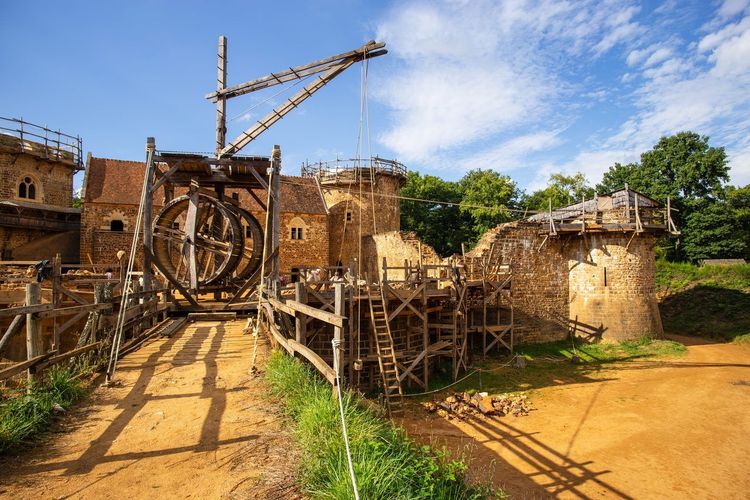
The project now attracts around 300,000 visitors a year, more than many completed castles in the region. The stone is quarried on site, the timber comes from the neighboring forest, and the colors of the plasters are ground from local earth: the whole site works like a life-size archaeology experiment. Regulars return year after year to see how the work has progressed, as if following a stone soap opera.
Allow a full half day on site, with picnics possible in the designated areas: the stone-cutting, forge and tile-making workshops can be visited continuously, and children rarely leave without having questioned a stonemason about his tools.
Our Ryo article on the Guédelon medieval construction site details the seasonal hours and up-to-date prices.
Unusual Activities to Vary Your Stay
Beyond the program of town, vineyards and abbeys, Auxerre offers a few more unexpected experiences, to pick from according to your tastes and the time you have left.
AJA Experience, Behind the Scenes at the Football Club
The AJA, the town's historic club, French champion in 1996 under Guy Roux, is part of Auxerre's identity. The AJA Experience opens the backstage of the Abbé-Deschamps stadium (83 Avenue Yver, 89000 Auxerre, rated 4.4/5 on Google from 2,646 reviews): locker rooms, player tunnel, pitch side and a space dedicated to the club's history.
The visit lasts about 1h30, on Wednesday afternoons and Saturdays (morning and afternoon), for 14 euros at the full rate and 7 euros for children under 12. Book online: slots are limited and suspended on match days.
You do not need to be a supporter to enjoy it: the saga of a mid-sized town's club that became French champion reads like a novel, and children often come out with stars in their eyes.
Local Beer Tasting and the Conserverie des Deux Ponts
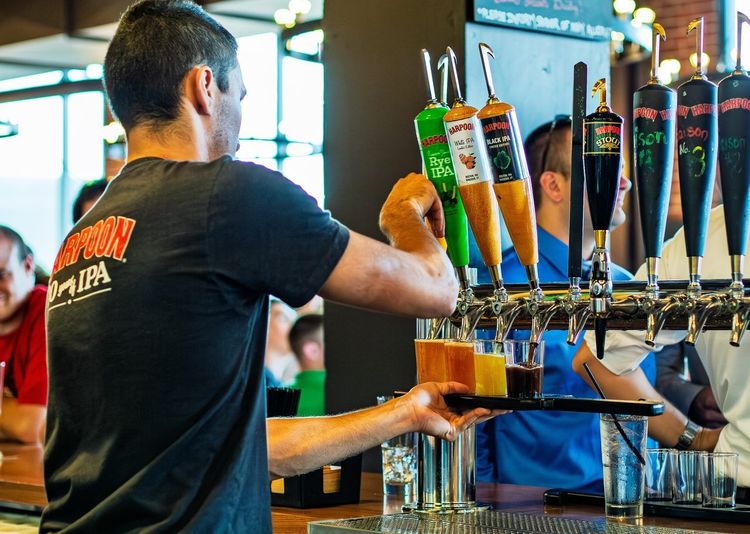
For some years now, Auxerre has had a discreet but genuine craft beer scene, with micro-breweries in the département offering tastings of their blondes, ambers and seasonal beers. The bars in the Marine district, along the Yonne, often serve them on tap.
The Conserverie des Deux Ponts, mentioned by several local guides, is one of the foodie addresses to slip into a late afternoon around beers and regional products. Check opening days before going: this kind of artisanal address often operates on reduced hours.
Hiking, Quad Biking and Fresh Air in the Morvan and the Southern Auxerrois
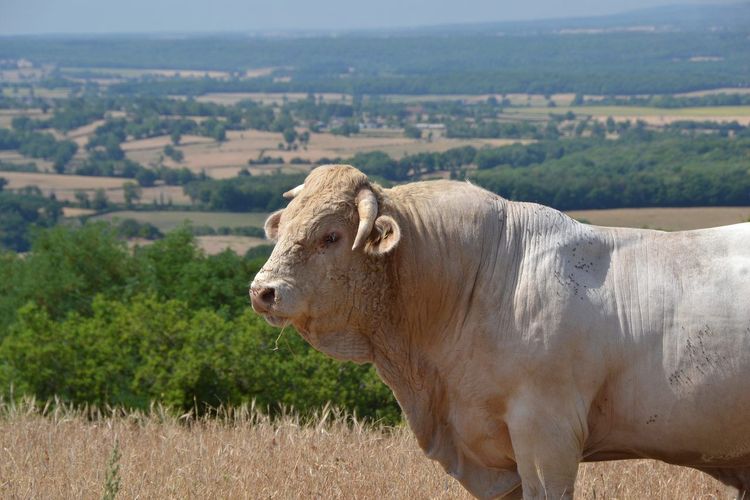
For family outdoor outings, the Ultéria farm, in the Auxerrois countryside, offers activities around animals and farm products: a good counterpoint to monument visits if you are traveling with young children. Check with the tourist office about public opening days.
Further south, the Auxerrois lends itself to quad biking, on guided routes that cross forest tracks and small farm roads, far from the usual path of town-center visits.
The Morvan, an hour away by road, offers a full sporty morning: a loop of the GR® de Pays Morvandiaux allows a hike of a few hours among the lakes and forests of the regional nature park, and several rental companies offer family bike outings on shorter sections.
To build your own selection, our Ryo top 5 activities to do in Auxerre details complementary options.
Where to Eat in Auxerre and the Surrounding Area
For a quick meal between visits, head to the banks of the Yonne and the shopping streets of the center, where bistros and brasseries offer lunch menus for around 16 to 20 euros, often with a terrace in season.
In the evening, the old town is home to the Burgundian cuisine restaurants: eggs in red wine sauce (œufs en meurette), parsley ham (jambon persillé), snails, gougères, accompanied by a glass of Chablis or Irancy, the red appellation produced a few kilometers from Auxerre.
Book your table in advance if you come on a spring or summer weekend: the most popular addresses in the center quickly fill up in high season.
For a simpler lunch, the Arquebuse market lets you put together a picnic with local products to take to the Arbre Sec park or the riverbanks. Wine lovers will also appreciate the wine bars in the center, which serve Chablis and Irancy by the glass at prices often gentler than in the tourist cellars of Chablis.
Where to Stay in Auxerre, Chablis and Nearby
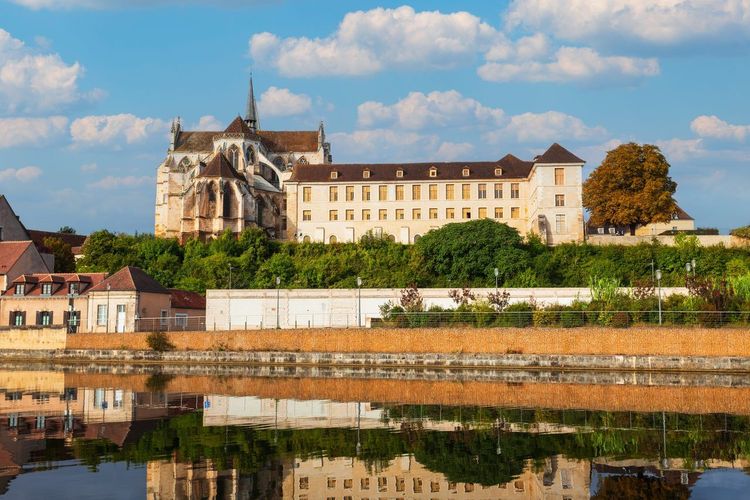
For a stay centered on the town, choose accommodation close to the banks of the Yonne or the old town: everything is then done on foot, including the cathedral, the abbey and the restaurants.
If your itinerary leans toward the vineyards, sleeping in Chablis or in a village like Saint-Bris-le-Vineux limits driving after a tasting, and often lets you stay with a winemaker, in a bed and breakfast above the cellar.
For families, bed and breakfasts set in former manor houses with gardens offer more space than a standard hotel for three nights. As for camping, beyond Vézelay, several sites border the Yonne and the canal, an economical solution if you are traveling by van.
How to Get Around and When to Go to Visit Auxerre in 3 Days
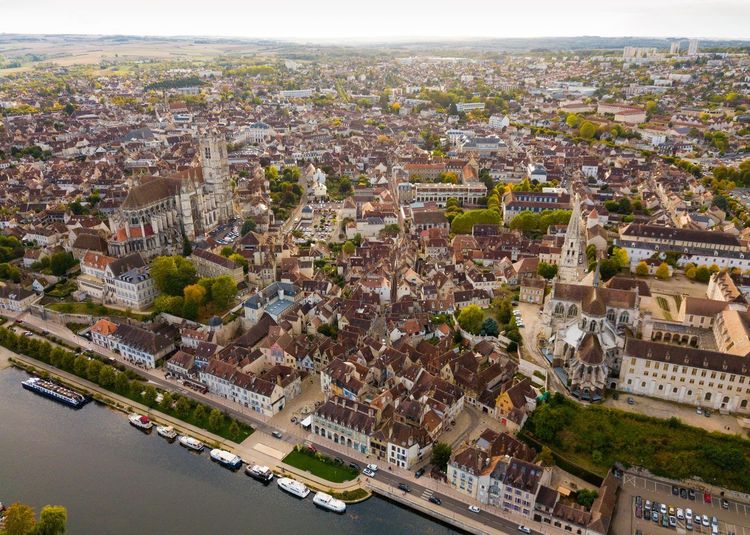
In Auxerre itself, everything can be visited on foot: the old town fits within a 800-meter radius around the cathedral, and no Day 1 site justifies getting back in the car.
For Days 2 and 3, however, the car remains almost essential: Chablis, Pontigny and Vézelay are not linked to each other by a bus network practical for a visitor passing through, apart from the summer Oenobus to the wine villages. If you arrive by train, Auxerre-Saint-Gervais station is less than two hours from Paris-Bercy by direct train; rent a vehicle for these two days. If driving, prefer the car parks on the edge of the historic center to the riverbank parking, often full on weekends.
The best time to visit Auxerre runs from May to September, with a peak in July and August. The grape harvest, in mid-September, offers a special atmosphere in Chablis and Saint-Bris but closes some cellars to visits. Winter remains pleasant for the historic center, less so for outdoor excursions, except in late January during Saint-Vincent, when the wine villages celebrate their patron saint.
In low season, when classic guided tours are rarer, the Ryo app turns your phone into an audio guide available at any hour, to explore the old town at your own pace.
Budget for a 3-Day Stay in Auxerre
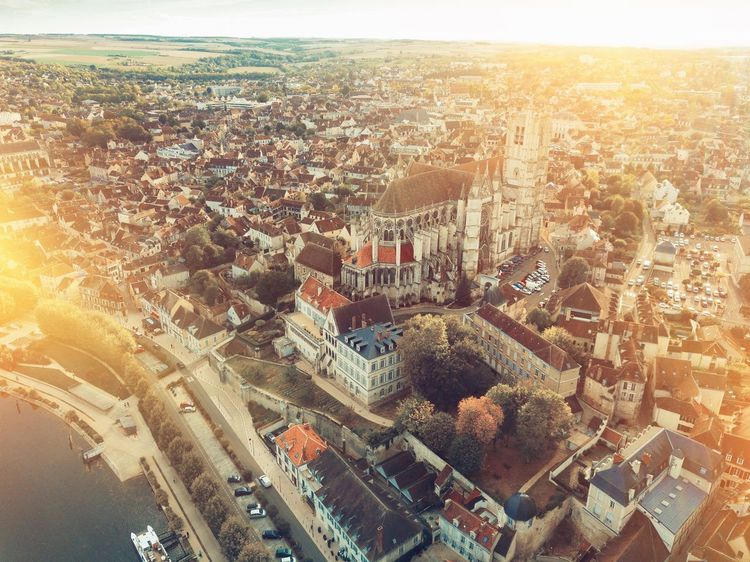
Plan on an average budget of 250 to 350 euros per person for three days, with accommodation in a double room, meals and activities included, excluding transport to Auxerre.
Accommodation: 60 to 90 euros per night in a mid-range hotel, more in Chablis in high season. Meals: 35 to 45 euros per day, combining a simple lunch and a more refined dinner. Activities: a few euros for the cathedral crypt and Saint-Germain Abbey, 9.50 euros for the Cité des Climats, 13 euros for Pontigny, around 17 to 18 euros for Guédelon and 14 euros for the AJA Experience.
Car rental for Days 2 and 3 generally adds 40 to 60 euros per day, fuel included over these short distances. A stay outside July and August can reduce the accommodation budget by 15 to 20% without losing anything from the program.



FAQ
How many days do you really need to visit Auxerre?
Three days comfortably cover the historic center, the Chablis vineyards and an excursion to Pontigny or Vézelay, without rushing. Two days are enough for the town and Chablis alone, as detailed in our itinerary for visiting Auxerre in 2 days; a fourth day lets you add Fontenay Abbey or La Charité-sur-Loire.
How can you visit Auxerre in just one day if you are short on time?
Focus on Saint-Étienne Cathedral, Saint-Germain Abbey, the Clock Tower and the banks of the Yonne, all within a 15-minute walk of each other. The Ryo audio-guided sub-tour dedicated to Cadet Roussel (1h15) lets you pack more into that single day without missing anything essential.
What is the best time of year to visit Auxerre?
From May to September, to enjoy the café terraces and the vineyards in full swing, with a peak in July and August. The September grape harvest offers a special atmosphere but closes some cellars to drop-in visits.
How do you get around Auxerre and its surroundings without a car?
The town center can be covered entirely on foot. In summer, the Tuesday Oenobus runs from the tourist office to the wine villages; for Pontigny or Vézelay, a rental car remains almost essential.
Where should you stay in Auxerre for a 3-day trip?
Choose accommodation near the riverbanks or the old town so you can explore on foot on the first day, and consider a night in Chablis or Saint-Bris-le-Vineux if your itinerary lingers in the vineyards.
Which events or festivals should you not miss in Auxerre?
In summer, the Catalpa festival takes over the Arbre Sec park and the "Garçon la note" festival schedules free concerts on café terraces. In late January, Saint-Vincent celebrations liven up the wine villages, and the Christmas market takes place in December in the town center.
Are there outdoor or nature activities to do around Auxerre?
Yes: the Nivernais Canal by boat or by bike, a loop of the GR® de Pays Morvandiaux an hour's drive away, electric scooters through the vineyards and quad biking in the southern Auxerrois offer a wide range of options, for a half day or a full day.
Three Days Between Auxerre, Chablis and the Burgundy Abbeys
Three days are enough to go from medieval stained glass to grand cru, from the bailiff Cadet Roussel to the Guédelon construction site, without ever driving more than an hour at a stretch. Auxerre brings together the best of Burgundy in a compact format, far from the crowds of Beaune or Dijon.
To keep a common thread throughout your stay, the Ryo audio-guided tour of Auxerre remains the simplest resource: it can be consulted at any hour, paused between visits and picked up exactly where you left off.
À lire également