© Shutterstock
 Votre guide Ryo
Visiting Beaune as a Couple in 2026: The Romantic Guide Between Stone and Grands Crus
In Beaune, the glazed roofs of the Hôtel-Dieu light up at dawn, long before the first groups flood the place de la Halle. It is precisely this quiet window, between 8 and 10 a.m., that those who want to visit Beaune as a couple without bumping into the crowds choose. The town fits in the palm of your hand, its ramparts barely two kilometres around, yet it packs in 15th-century glazed tiles, vaulted cellars carved beneath former convents and family estates that open their doors for a glass for two in the afternoon. You will pass a collegiate church that has seen eight centuries of worshippers, a park where swans glide across a pond no one ever photographs, and winemakers ready to tell you about their plot while you taste their crémant. To get a feel for the historic centre without wasting time, the Ryo audio-guided tour of Beaune links the town's main landmarks on foot, with commentary in your ear and at your own pace. Between medieval stone and the great wines of the Côte, two days are enough to turn a stopover into a shared memory.
The Must-Sees of Beaune's Historic Centre for Two
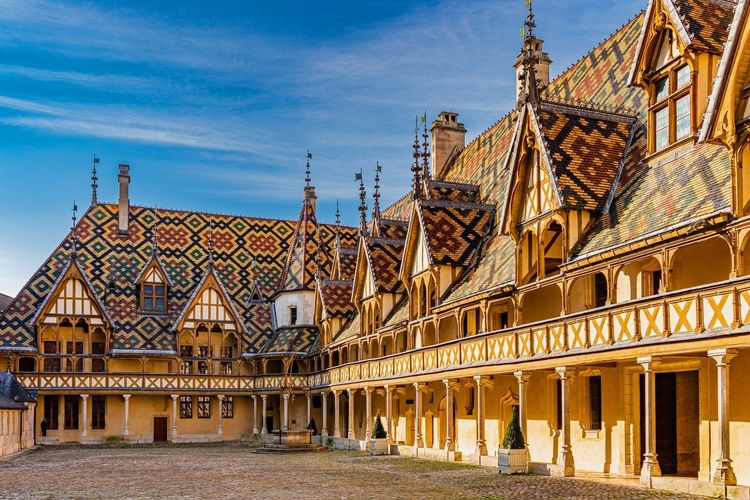
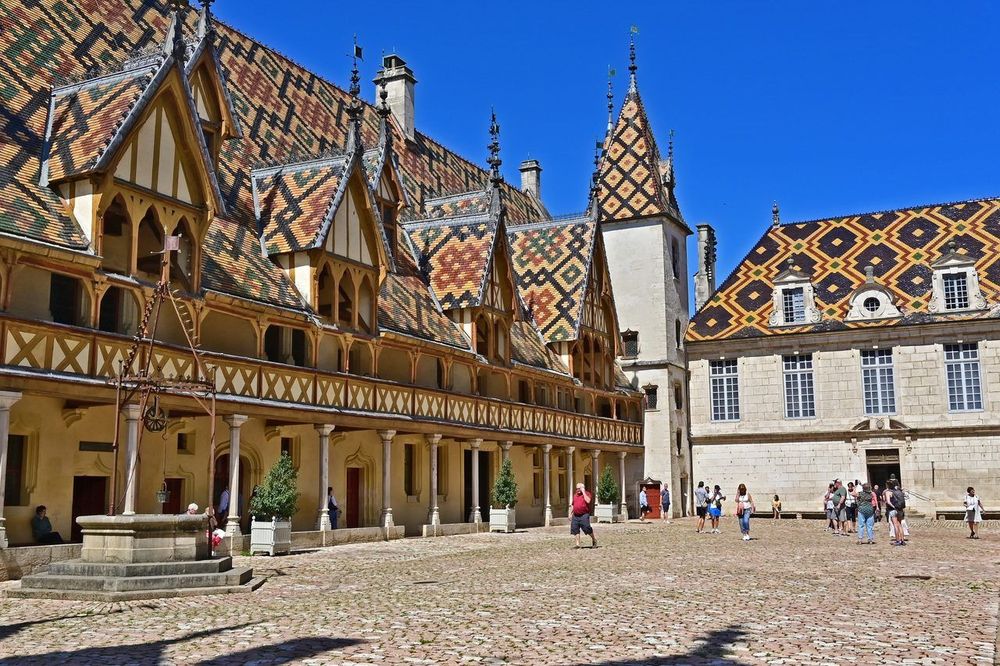
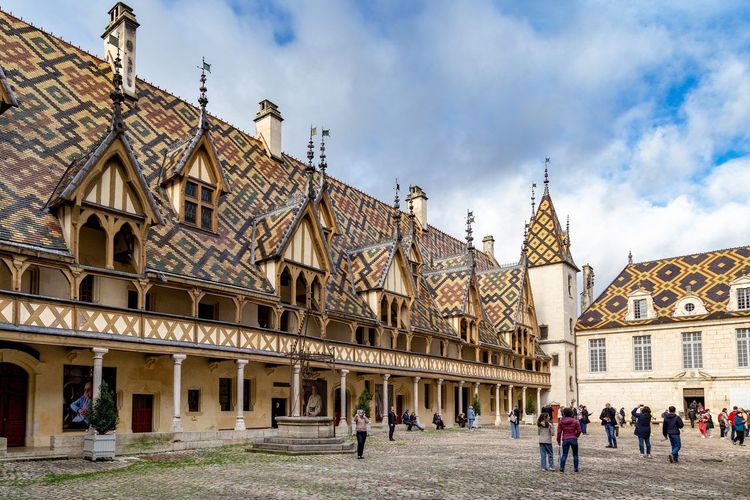
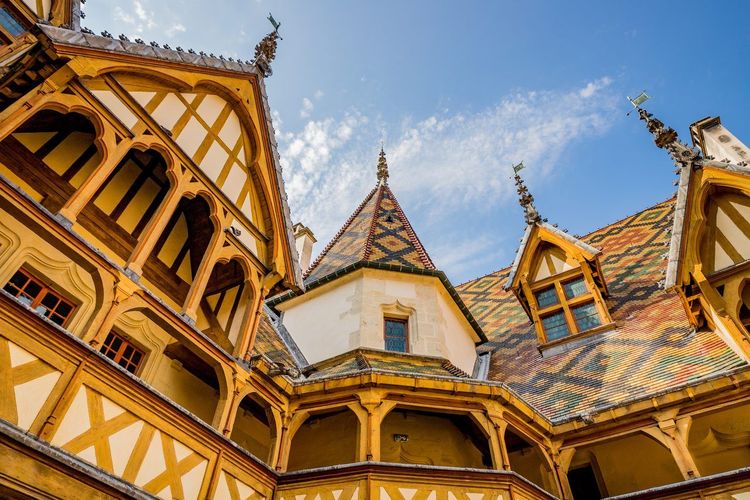
The Hospices de Beaune, also known as the Hôtel-Dieu, open the show. Founded in 1443 by Chancellor Nicolas Rolin, this former hospital boasts the most photographed glazed-tile roof in Burgundy, with green, yellow and black diamonds that change in brilliance with the hour. Inside, the Great Hall of the Poor lines up its red canopied beds, and Rogier van der Weyden's Last Judgment polyptych deserves a silent pause, away from the flow of groups.
Allow a good hour for the self-guided visit, at 12.50 euros per adult in 2026. In July-August, and during the Trois Glorieuses in November (the weekend of the Hospices wine auction), book your ticket online the day before: morning slots go fast.
From the Hôtel-Dieu, you only need to walk up two streets to reach the Collégiale Notre-Dame, begun in the 12th century and one of the last great Romanesque churches in Burgundy. Its treasure lies hidden in the choir: the Life of the Virgin tapestry, five pieces woven at the end of the 15th century and donated in 1500 by canon Hugues Le Coq. The building stays cool even in August, a good excuse for a pause hand in hand.
Around these two monuments winds L'Ecusson, Beaune's pedestrian heart: cobbled lanes, half-timbered facades, inner courtyards where merchants once stored their barrels. Wander without a fixed route; the private mansions reveal themselves as readily on rue Monge as on rue d'Alsace. Stop when a facade pleases you, move on when the mood strikes.
The Promenade des Remparts encircles this area over roughly two kilometres, along 15th- and 16th-century fortifications still largely standing. The route alternates between bastions, former moats turned into gardens and remains of towers. Bring comfortable shoes rather than sandals.
To close this loop on a green note, the Parc de la Bouzaize (Avenue du Parc, 21200 Beaune, rated 4.5/5 on Google from 2,838 reviews) offers a pond, centuries-old trees and shaded benches. A ten-minute detour that changes the whole rhythm of the morning.
This town centre is best visited early in the morning, before the coaches arrive. If you would rather put away the paper map, the Ryo audio-guided tour follows exactly this route between Hospices, Collegiate Church and ramparts, with audio commentary at each monument so you can grasp its history without looking up at a sign.
Legendary Cellars and Tastings to Share
It is impossible to visit Beaune without going down into a cellar. Two historic houses dominate the scene. The Caves Patriarche unfold five kilometres of galleries over two hectares, beneath the former Visitandines convent: the self-guided tasting tour (25 euros per adult) departs without booking at set times, in groups of ten at most. The Maison Champy (5 Rue du Grenier à Sel, 21200 Beaune, rated 4.7/5 on Google from 159 reviews), founded in 1720 and presented as the oldest négociant-éleveur in Burgundy, plays the intimacy card with cellars that still smell of barrel wood.
When you hesitate between ten signs that all promise the best tasting in town, look for the Vignobles & Découvertes label at the entrance: it guarantees a vetted wine-tourism welcome.
Alongside these institutions, family estates play a different tune. The Domaine Besancenot welcomes visitors by appointment in a human-scale cellar, ideal if you want to talk directly with the winemaker. The Clos du Cèdre and the Clos de la Belle Châtelaine follow the same logic: small properties, guided tastings without staging. For a sparkling interlude, head to Veuve Ambal, a Burgundy crémant house just outside Beaune, a light alternative if one of you doesn't like tannins.
At a winemaker's, it is not unusual to be offered two vintages of the same climat, glass against glass. Turn the exercise into a game: each of you notes a favourite, then compare.
To go further, several cellars offer a one- or two-hour oenology class in small groups, perfect for learning to describe a red-fruit nose without feeling judged. Others organise a tasting lunch, a menu paired with four or five cuvées, or a vineyard aperitif late in the afternoon among the vines. These formats need booking: places go fast on weekends between May and September.
Alternate an established cellar in the morning with a family estate in the afternoon. Three well-chosen cellars are worth more than seven gulped down at a run.
All these legendary cellars of the Grands Crus route located in town can be reached on foot, which makes all the difference without a car. The "Between Stone and Grands Crus" section of the Ryo audio guide to Beaune lines up 19 audio stops over 2.5 km, about 1 hour of walking, and links precisely these historic cellars to the négociant houses of the centre.
Escapes Along the Wine Route
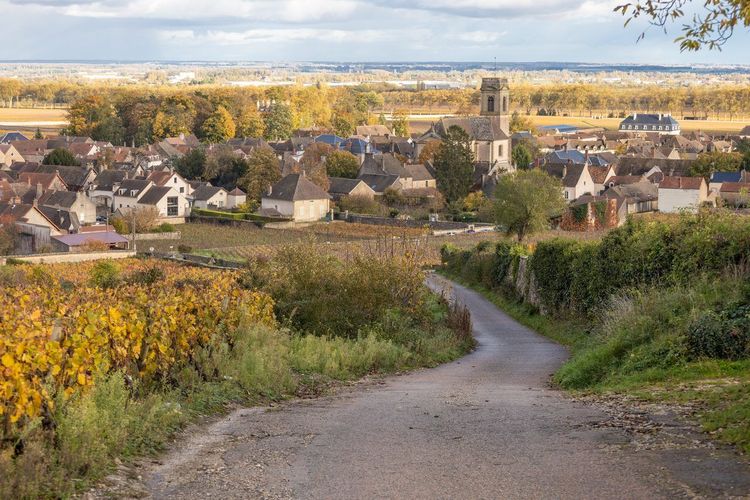
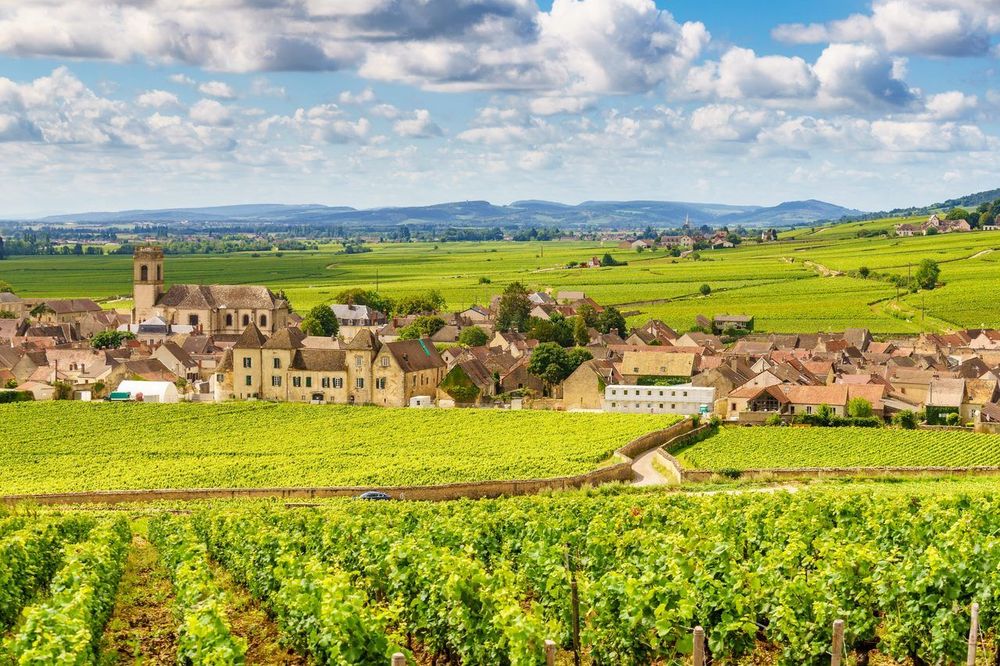
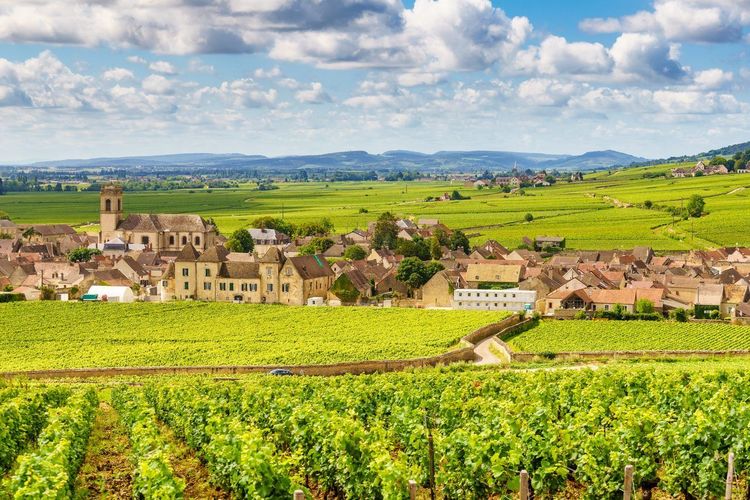
Leaving the ramparts means entering the second act of your stay. The Burgundy Grands Crus route winds along the foot of the slopes, towards Pommard, Volnay or Savigny-lès-Beaune, each with its bell tower and plots that change owners almost every row.
By bike, the Voie des Vignes links Beaune to Santenay over 22 kilometres of small roads and vineyard tracks used by grape pickers. The route passes through Pommard, Volnay, Meursault, Puligny-Montrachet and Chassagne-Montrachet, with gentle elevation following the slopes: nothing insurmountable, even if you haven't pedalled in years, especially on an electric bike. Rent for the day and plan a picnic in Meursault.
On foot, several trails climb into the heights of the vineyard and offer a view that redraws your idea of Burgundy: rows of vines as far as the eye can see, the roofs of Beaune below. Set off late in the afternoon; the low light on the vines is worth the hike.
Two more festive experiences complete the picture. The horse-drawn carriage ride crosses the vineyard tracks at a gentle pace, the driver an improvised guide, a good option if walking only half appeals. The hot-air balloon flight changes the scale: at daybreak, the mosaic of climats reveals itself from above, often followed by a glass of crémant on landing. It is the most expensive activity in this guide, but the one you will talk about longest.
Only one escape possible? Choose the bike in the morning: quieter paths, soft light, and lunch arrives right on time.
Back in town, the vineyard keeps telling its story: the audio stops of the Ryo audio-guided tour recount anecdotes of the winemakers and négociants who built the reputation of this Grands Crus route, helping you connect what you have just seen to the stones of the centre.
A Wellness Break for Two
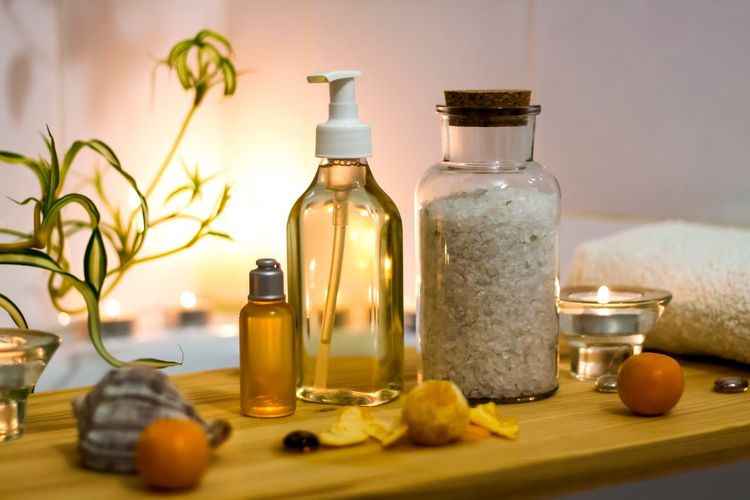
After two days of cobblestones and tastings, a calmer stop does you good. Several hotels in Beaune and neighbouring villages have a spa open to non-guests by reservation: couples' massage, whirlpool bath, treatments with grape extracts, a nod to the vines surrounding the town.
Don't expect a thermal resort nearby: the Côte de Beaune relies instead on vinotherapy and the spas of boutique hotels. Book a slot at the end of your stay, just before the journey home, or slip it into the middle of a three-day weekend when the cellars-and-monuments rhythm starts to weigh.
Where to Eat Well and Have a Drink in Beaune
Beaune built its reputation on the pairing of food and wine, and the best tables play with it effortlessly.
For an unfussy wine bistro, L'Ecrit'Vin, place Carnot, cultivates the spirit of Parisian bistros with a literary café atmosphere: home cooking, market produce and a fine selection by the glass. Book on Friday evening.
For fine dining, Loiseau des Vignes, a restaurant of the Bernard Loiseau group in the heart of Beaune, reinterprets Burgundian cuisine and offers an impressive list of wines by the glass. It is the address for the dinner that marks your stay.
Le Cheval Noir (17 Boulevard Saint-Jacques, 21200 Beaune, rated 4.6/5 on Google from 886 reviews), on boulevard Saint-Jacques, a stone's throw from the centre, also plays the gourmet card in a warm, modern setting, with the cooking of young chef Benoît Deval. A fine alternative for the second evening.
For a more laid-back format, leave the centre and try a brunch in the Côte-d'Or villages surrounding Beaune: estates and farms open their tables on weekends, with a tablecloth laid in a restored courtyard or facing the rows of vines. A simple way to discover a neighbouring village without planning a full excursion.
The Moutarderie Fallot and the Cité des Climats et Vins de Bourgogne
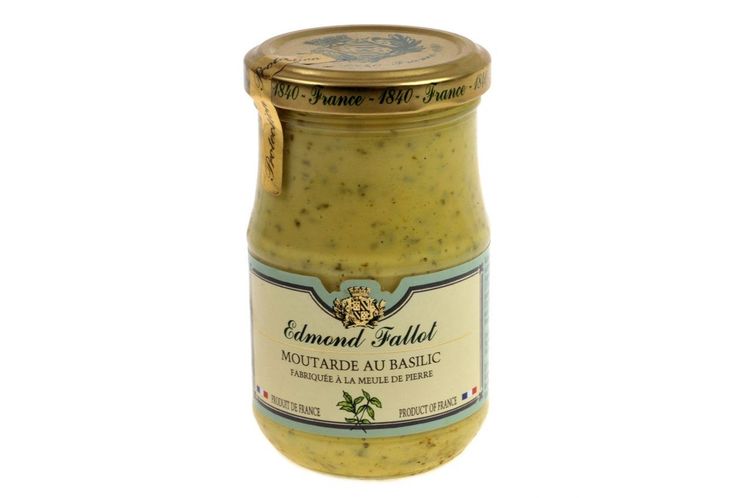
The Moutarderie Fallot, founded in 1840, is the last independent family-run mustard mill in Burgundy, still housed in its original buildings a few steps from the Hospices. Two routes to choose from: "Discovery", an interactive tour of the condiment's history, or "Thrills", in the heart of the workshop where the seeds are still ground with a stone millstone. Allow 10 euros per adult, including a tasting at the shop (blackcurrant, gingerbread, walnut…).
A little further on, the Cité des Climats et vins de Bourgogne (Avenue Charles de Gaulle, 21200 Beaune, rated 4.4/5 on Google from 931 reviews) offers a sensory approach to the vineyard: an immersive tour, guided tastings and explanations of the climats, those plots inscribed on the UNESCO World Heritage list since 2015. Allow two hours, preferably in the afternoon.
The two venues complement each other to fill a half-day between two cellars: one focuses on artisanal craft, the other on the teaching of terroir.
Our 2-Day Itinerary in Beaune
If you only keep one plan from this guide, here is how to organise two days in Beaune without sacrificing anything.
Day 1, historic centre and nearby cellars. Morning at the Hospices de Beaune and the Collégiale Notre-Dame, then a stroll through L'Ecusson until lunch. The afternoon revolves around one or two cellars on foot, Patriarche or Champy, with a break at the Parc de la Bouzaize before dinner.
Day 2, vineyards and relaxation. Morning on the Grands Crus route, by bike on the Voie des Vignes or on foot, with a tasting lunch at a family estate. The afternoon shifts to a spa or, for the more adventurous, a hot-air balloon flight booked in advance.
This split follows the natural rhythm of the town, and the Ryo audio-guided tour slips in effortlessly: start it on the first morning for the monuments loop, and keep the stops dedicated to the cellars for the afternoon.
Arriving by train from Paris or Lyon? Arrive the evening before: you will enjoy a proper dinner on site and tackle the Hôtel-Dieu at opening time.
How much time should you allow at minimum? One day lets you see the essentials of the historic centre and one or two cellars. Two days change the nature of the stay: they give you time to truly take in the vineyard, not just pass through it. With only one day, sacrifice the vineyard rather than the centre: Hospices, Collegiate Church and one cellar are enough to capture the essentials.
For the hour-by-hour schedule, our guide to visiting Beaune in 2 days details each step.
Where to Stay in Beaune for a Weekend for Two
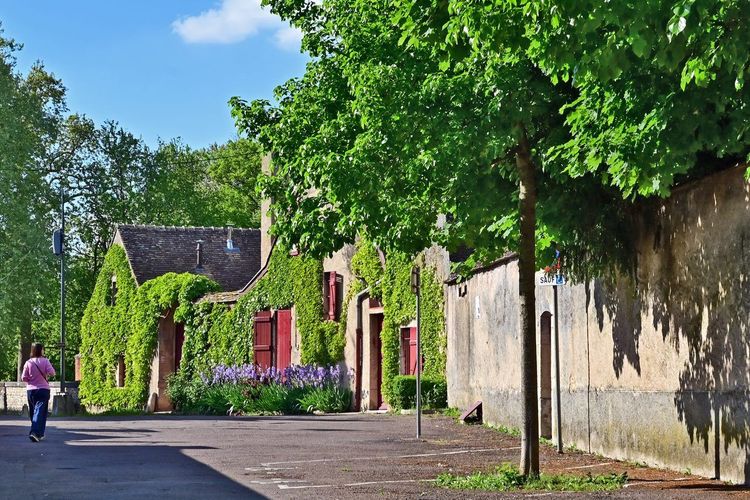
Beaune has a compact range of accommodation, which is rather good news: everything is within ten or fifteen minutes' walk of the historic centre.
For full immersion, a guesthouse among the vines, a few kilometres from the centre, often offers the best view on waking, at the cost of a drive or bike ride.
In the very centre, hotels set in former merchants' residences rely on character: exposed stone, beams, a cobbled courtyard, and everything on foot from breakfast onwards.
On a tighter budget? The bed and breakfasts tucked into L'Ecusson have only a handful of rooms, often run by owners who know the town better than a printed guide.
On the immediate outskirts, several establishments offer unobstructed views over the slopes: private terrace, sometimes a pool, and guaranteed quiet at night.
Book early for weekends from May to October and especially for the Trois Glorieuses in November, when Beaune is fully booked weeks in advance.
How to Get There, Park and Extend Your Stay Around Beaune
By train, allow about 2 hours from Paris Gare de Lyon, most often with a change at Dijon, and 1.5 to 2 hours from Lyon by TER: a weekend without a car is perfectly feasible, as the station is a fifteen-minute walk from the centre. By car, Beaune sits at the crossroads of the A6 and A31, between Dijon and Chalon-sur-Saône.
To park easily in Beaune, aim for the free car parks around the ramparts: the town has more than 1,400 spaces, notably Madeleine, Jardin Anglais, Tanneries or Buttes, five to ten minutes' walk from the centre. Inside the walls, parking is paid, with the first 30 minutes free once a day since September 2026, and it fills up quickly on Saturdays, market day.
If two days are not enough, a third lets you include a neighbouring village, Pommard, Meursault or Nuits-Saint-Georges, quieter than Beaune in high season. Some head up to Dijon for an afternoon, others head down to the villages of the Côte de Beaune, which are little visited on weekdays.
Our guide to the area around Beaune details several ideas for day trips.
What to Bring Back from Beaune: Gourmet Souvenirs for Two
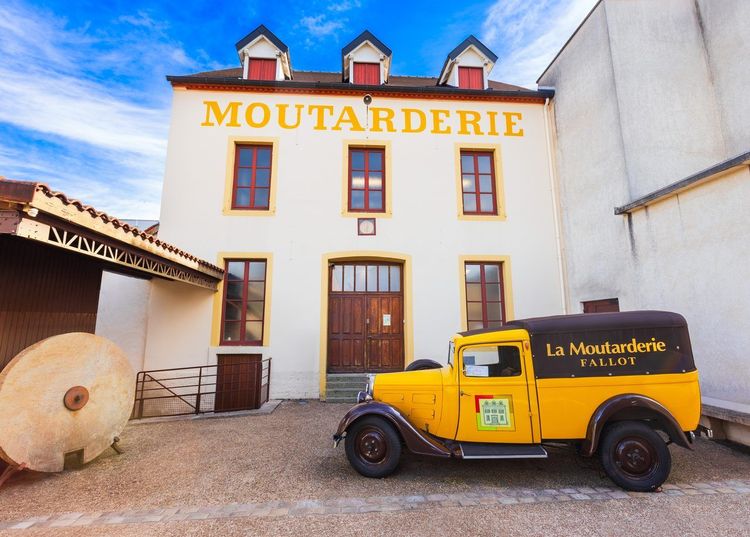
Three souvenirs sum up what Beaune does best. The mustard from the Moutarderie Fallot, available in versions original enough not to end up at the back of a cupboard. A bottle bought directly from the winemaker, ideally in one of the cellars you visited: the vintage becomes a dated memento of your stay. And gingerbread, a Burgundian speciality that keeps for several weeks and goes with Sunday coffee, weekend photos in hand.



FAQ
Is Beaune worth it for a romantic weekend?
Yes: few French towns pack such a dense historic centre (Hospices, Collegiate Church, ramparts) within walking distance of so many wine cellars. With ramparts roughly two kilometres around, everything can be done on foot.
How many days do you need to visit Beaune?
One day covers the essentials of the historic centre and one or two cellars. Two days let you add the vineyards, the Grands Crus route and a spa break, without rushing.
What are the must-see sights in Beaune?
The Hospices de Beaune (Hôtel-Dieu), the Collégiale Notre-Dame, the Promenade des Remparts and at least one historic cellar such as Patriarche or Champy.
Do you need to book the Hospices de Beaune in advance?
It is not mandatory, but it is recommended in summer and during the Trois Glorieuses in November. The self-guided visit ticket costs 12.50 euros per adult in 2026.
Where can you park easily in Beaune?
In the free car parks around the ramparts (Madeleine, Jardin Anglais, Tanneries, Buttes), with more than 1,400 spaces in total, five to ten minutes' walk from the centre.
What budget should you plan for a weekend for two in Beaune?
Allow roughly 250 to 400 euros for two days for two people, excluding accommodation: Hôtel-Dieu (25 euros for two), two or three tastings (from 25 euros per person at Patriarche), the Moutarderie Fallot and two good meals. The total climbs quickly with a hot-air balloon ride or a boutique hotel.
What can you do in Beaune in a single day?
Prioritise the historic centre, Hospices, Collegiate Church and ramparts, then just one cellar, either an established house like Patriarche or a family-run one like Besancenot, with lunch in L'Ecusson in between.
Beaune suits both a fast pace and a slow one: the essentials fit into one packed day, but three days never feel too long, between Gothic stone and oak barrels. What really changes the experience as a couple is the pace you allow yourselves, one more cellar rather than one more monument.
To keep that thread between Hospices, Collegiate Church and cellars without replanning everything, our Ryo audio-guided tour of Beaune remains the simplest starting point, to be enjoyed side by side, one earbud each.
À lire également