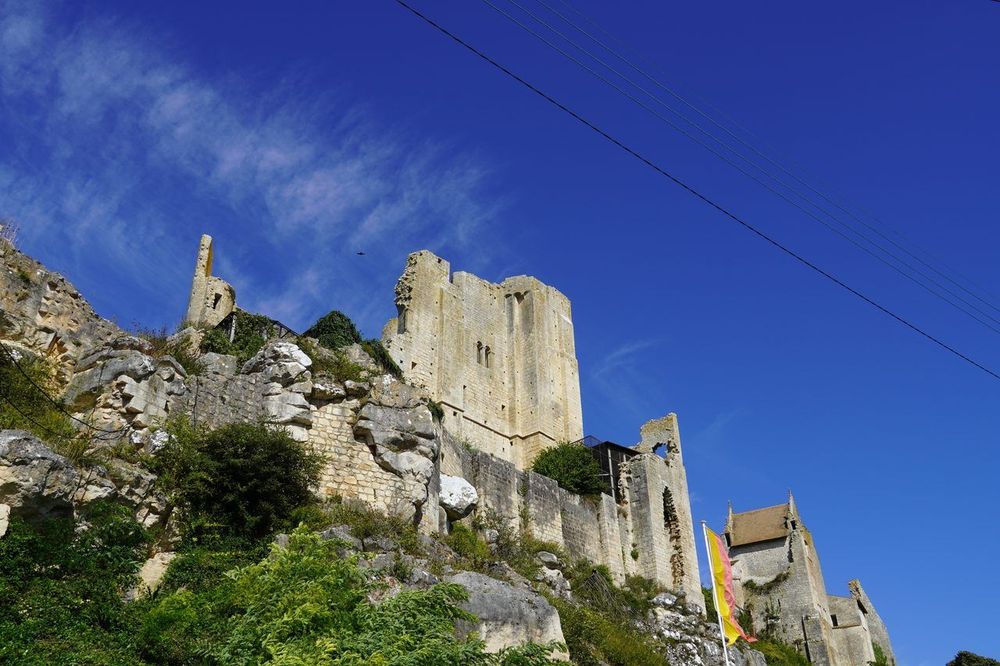
© Shutterstock
 Votre guide Ryo
Weekend in Poitiers in 2026: Complete Day-by-Day Itinerary
Poitiers is unlike any other city in western France. A weekend in Poitiers holds more surprises than you might expect: beneath its quiet prefectural air, the city boasts a rare concentration of Romanesque façades and a largely pedestrianised historic centre, where you are more likely to encounter students on bicycles than tour groups. Everything works perfectly without a car: the Ryo audio-guided tour of Poitiers links the city's most celebrated monuments in 2 hours, 16 audio stops and 5 km, from the sculpted façade of Notre-Dame-la-Grande to the early Christian baptistery, one of the oldest in France.
Over two days, you move from a 4th-century building to a palace that witnessed the childhood of Eleanor of Aquitaine, a French formal garden laid out for an 18th-century intendant and the banks of the Clain where locals picnic at the first sign of good weather. If you extend your stay to three days, a regional dimension opens up: the Futuroscope a quarter of an hour from the centre, the five castles of Chauvigny or the Gallo-Roman theatre at Sanxay, still largely unknown to visitors in a hurry. Add to that a packed events calendar, local specialities to try at the market and accommodation options to suit every budget. Enough to build a tailor-made programme, whether it lasts 24, 48 or 72 hours.
Day 1: The Historic Heart and Religious Treasures of Poitiers
Your first morning unfolds within the Romanesque triangle that earned Poitiers its reputation as the city of a hundred bell towers. Everything begins at the place Charles-de-Gaulle, in front of the façade of Notre-Dame-la-Grande, a stone wall sculpted in the 12th century depicting the Annunciation, the Nativity and Christ in Glory. The raking morning light brings out every relief: this is the ideal time to photograph it.
Around the church, the neighbourhood has retained its medieval layout: narrow streets, half-timbered houses and uneven cobblestones. In the morning, beneath the nearby covered market, the Notre-Dame market sets up its stalls from Tuesday to Saturday — a good spot for a coffee before moving on.
A few minutes' walk away, on the rue Jean Jaurès, the Baptistère Saint-Jean deserves more than a passing glance. Built in the 4th century, it ranks among the oldest Christian buildings still standing in France. Its medieval wall paintings and the site of its octagonal baptismal font tell sixteen centuries of religious history within a remarkably small space. Allow about half an hour, longer if medieval painting is a particular interest.
Continue on to the Cathédrale Saint-Pierre, a Plantagenet Gothic nave roughly a hundred metres long. There are no spectacular spires here: the power of the place lies inside, with choir stalls carved in the 13th century and a 12th-century Crucifixion stained-glass window, among the oldest in the country. Look up towards the gallery too: the great organ by François-Henri Clicquot, completed in 1791, sometimes rings out during Sunday Mass or a concert.
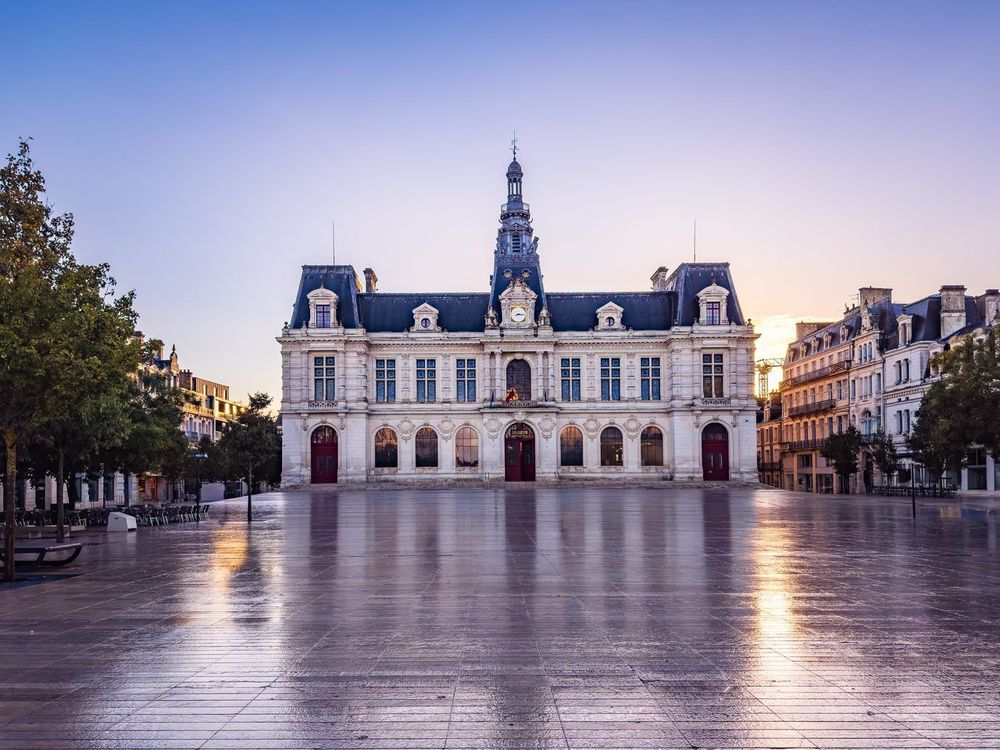
On the way back up to the place du Maréchal-Leclerc, stop in front of the Hôtel de Ville de Poitiers: built in the 1870s, with its façade laden with allegorical sculptures, it stands in sharp contrast to the Romanesque buildings of the morning.
To round off the day, head down towards the Clain as far as the Îlot Tison (86000 Poitiers, rated 4.4/5 on Google from 1,549 reviews), about ten minutes on foot. This former mill, which became an industrial sawmill in 1851 before being abandoned after a fire, was redeveloped and opened to the public in 2018. Today it offers a waterside promenade, an orchard of heritage varieties, an open-air café and, in summer, paddle board hire and swimming in a floating natural pool. The contrast with the Romanesque stonework of the morning could hardly be greater.
To connect all these sites without getting lost in the back streets, the Ryo audio guide for Poitiers follows this loop across 16 stops, with a sound story at each one — in front of Notre-Dame-la-Grande, the baptistery or the cathedral. You move at your own pace, with no need to follow a guided tour timetable.
Day 2: The Palais des Comtes du Poitou, the Parc de Blossac and the Banks of the Clain
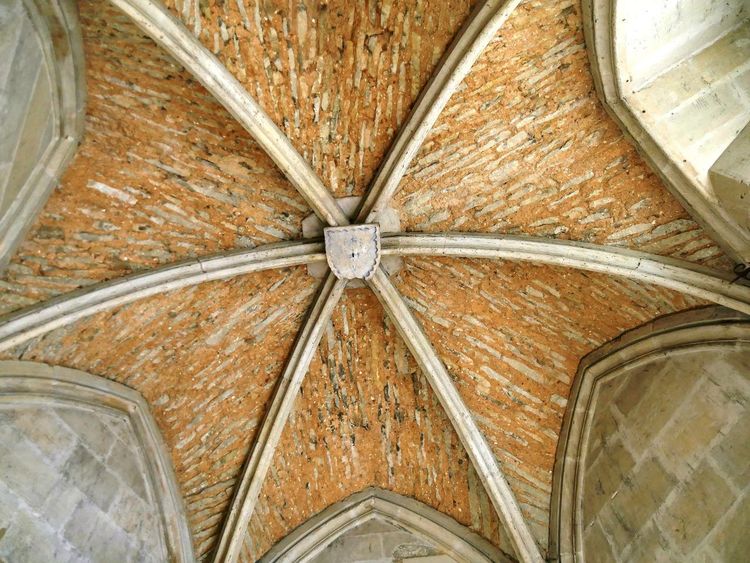
The second day begins with a monument that Poitiers shares with the history of Aquitaine. The Palais des Comtes du Poitou, today known as the palace of the dukes of Aquitaine, was the residence of the counts of Poitou and dukes of Aquitaine, and Eleanor spent part of her youth there in the 12th century. Long used as a law court, it saw the tribunal move out in 2019 to the new judicial centre. Having become city property in 2020, it is now open to the public, who can walk through the grand Salle des Pas Perdus with its impressive timber roof and monumental fireplaces. Check with the tourist office for guided tours of the Tour Maubergeon.
Next, head to the Musée Sainte-Croix, which brings together regional archaeology from Prehistory to the early Middle Ages and fine arts up to the early 20th century. Its sculpture gallery unites Rodin and seven works by Camille Claudel, one of the most significant public collections of the artist in France. Useful tip: admission is free on the first Sunday of the month. Nearby, the Espace Mendès France offers a planetarium and science exhibitions that are particularly popular with families. If you want to understand what connects these places before going in, the Ryo audio tour dedicates a listening point to the comtal palace and its famous occupants, before taking you on to the next stage of the walk.
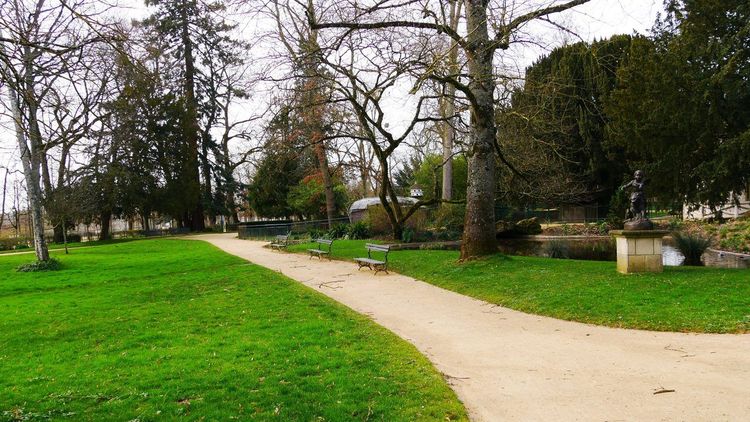
In the afternoon, make your way to the Parc de Blossac, a French formal garden laid out in the mid-18th century at the initiative of the intendant of the same name. Its linden-tree avenues open onto the old ramparts, from which the view drops down over the Clain valley. Children will find a playground, parents shaded benches and a panorama that catches first-time visitors by surprise.
Below, the banks of the Clain (Pont Joubert, 86000 Poitiers) offer a quieter pause. From the Pont Joubert, a shaded path follows the river, with a few benches perfect for an impromptu picnic. Many students from Poitiers come here to study or take a break between lectures.
Allow a good half-day for this second section, a little more if the museum keeps you longer. The distances remain short: rarely more than fifteen minutes' walk from one point to the next.
Day 3 (Optional): Day Trips Around Poitiers
Have an extra day? Head outside the city. The four destinations below all lend themselves to return day trips, mostly by car: choose according to your interests rather than trying to fit them all in.
The Parc du Futuroscope lies about twelve kilometres to the north, in the commune of Jaunay-Marigny, a quarter of an hour by road or a few minutes by TGV to the park's own station. Opened in 1987, this park dedicated to image and immersive technology welcomed more than 2 million visitors in 2024, with regularly updated attractions and a nightly show in season. A full day is needed. To avoid the queues, our Ryo tips for the Futuroscope detail the must-see attractions and the least busy time slots.
About 25 kilometres to the east, the medieval city of Chauvigny lines up five ruined castles along a single rocky spur above the Vienne: the Château des Évêques, the Château d'Harcourt, the Château de Montléon, the Donjon de Gouzon and the Tour de Flins. The Château des Évêques hosts the Les Géants du Ciel birds of prey show, where eagles and vultures swoop past the audience, while the Donjon de Gouzon houses an exhibition space. The neighbouring Collégiale Saint-Pierre preserves remarkable Romanesque capitals. Allow two to three hours on site.
Some 25 kilometres to the south-west, Lusignan (Place du Bail, 86600 Lusignan) owes its fame to the legend of Melusine, the fairy said to have founded the local lords' dynasty. Almost nothing of the castle remains, but the village, its Romanesque church and its viewpoint over the Vonne valley are worth a one-hour stop on the way to Sanxay.
A little further on, around thirty kilometres from Poitiers, the Gallo-Roman site of Sanxay (Route de Ligugé, 86600 Sanxay, rated 4.4/5 on Google from 359 reviews) brings together a large theatre that once held several thousand spectators, thermal baths and a temple of unusual design. Excavated from 1881 onwards, it remains surprisingly uncrowded despite its state of preservation: one of the most peaceful visits in the region.
And if this third day gives you a taste for pushing further north, Poitiers is an excellent gateway to the Loire Valley: our Ryo tour dedicated to the châteaux of the Loire extends the itinerary naturally if your weekend turns into a week.
More to Do in the City Centre: Free, Fun and Family-Friendly Activities
Beyond the major monuments, Poitiers offers plenty to fill the gaps in your programme without stretching the budget. Most of the central churches can be visited freely, as can the Parc de Blossac, the Îlot Tison and the banks of the Clain. On Saturday mornings, the open-air market around Notre-Dame brings a village atmosphere right into the heart of the city.
Travelling with children? The Espace Mendès France runs science workshops during school holidays, and on the first Sunday of the month the Musée Sainte-Croix opens its galleries for free. Older children will enjoy paddle boarding on the Clain at the Îlot Tison in summer. For a broader overview, our Ryo top activities to do in Poitiers lists our favourites, free and otherwise.
Another idea for filling a late afternoon: launch the Ryo audio guide on your smartphone and let the 16 audio stops narrate the city while the children hunt for sculpted details on the façades. No booking, no fixed time slot.
Going Out in Poitiers This Weekend: Events, Concerts, Exhibitions and Festivals
Driven by a large student population, Poitiers sustains a cultural scene far denser than its size might suggest. Concerts, theatre and temporary exhibitions follow one another almost every week, with a marked acceleration at the start of the academic year.
In late September, three events converge. The Le Village festival, free of charge, transforms the square de la République into a large popular celebration (25–27 September in 2026) with DJ sets, games and quirky challenges. The same weekend, Les Oreilles à l'Ouest features in the city's cultural programme, and fans of gypsy jazz and swing head to Saint-Benoît, on the outskirts of Poitiers, for the St Benoît Swing festival (24–26 September in 2026). In summer, the Poitiers l'été programme animates the city for two months with outdoor shows and events.
On the exhibitions front, the Musée Sainte-Croix and the Espace Mendès France regularly refresh their programmes. To find out what is on during your visit, check the City of Poitiers online events calendar before you travel: most free events are announced one to two weeks in advance.
Local Specialities to Savour in Poitiers
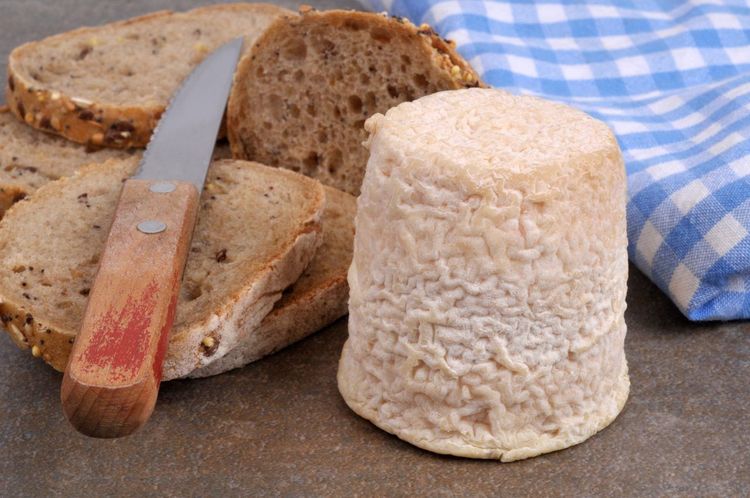
Poitevin cuisine relies on simple produce underpinned by a tradition of goat farming and market gardening. Chabichou du Poitou, a small PDO goat's cheese shaped like a truncated cone, can be enjoyed fresh or aged on the stalls of the Notre-Dame market. Farci poitevin, a mixture of green vegetables and herbs bound with lard and cooked in cabbage leaves, remains the quintessential family dish.
On the sweeter side, broyé du Poitou, a large thick shortbread that is broken with a fist rather than cut, can be found in most bakeries in the centre. Tourteau fromager, with its characteristic blackened crust and goat's cheese centre, completes this duo. In the restaurants around the cathedral, ask for a wine from the Haut-Poitou appellation, still little known outside the region.
To track down the best addresses without any guesswork, our Ryo selection of culinary specialities in Poitiers details where to taste each of these products in the city.
Where to Stay in Poitiers: Our Top Picks
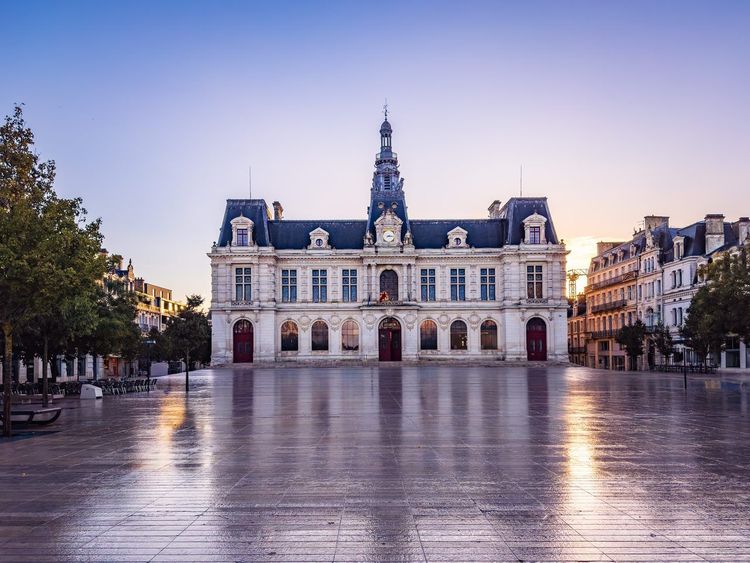
For a weekend focused on the monuments, stay in the historic centre, even if it costs a little more: you gain the ability to do everything on foot, including in the evenings. Charming hotels housed in former townhouses, between the cathedral and the town hall, offer this compromise.
On a tighter budget? The station district, about ten minutes' walk from the centre, is home to chain hotels with rates that are often more affordable at weekends, when business travellers have gone. It is also the most practical option if you are arriving late by train or leaving early.
For families or groups of friends, furnished rentals and bed-and-breakfasts in the centre can often work out cheaper than two hotel rooms, while still keeping you within walking distance of everything. If the Futuroscope is on the agenda, the hotels clustered around the park save you the morning commute.
How Much Time to Allow for a Weekend in Poitiers
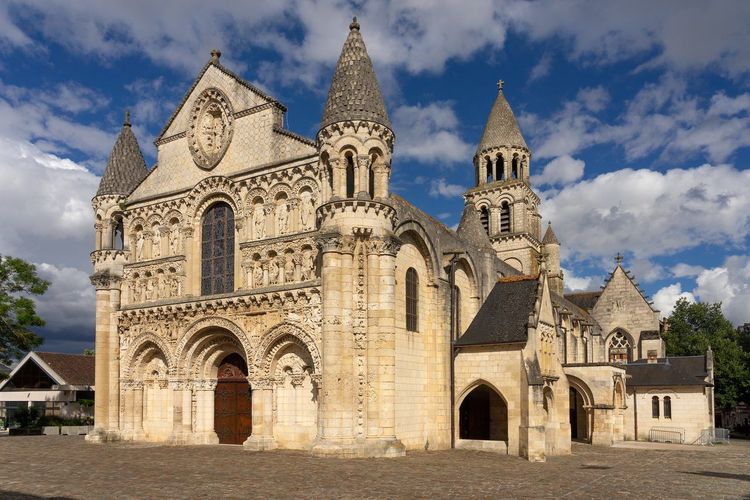
One day is enough for the historic core, but leaves little room for the unexpected: this format suits those who come primarily for the Romanesque churches and head home the same evening.
Two days is the most comfortable format: one day for the historic centre and its religious treasures, a second for the palace, Blossac, the banks of the Clain and the museums, with free evenings to enjoy the student atmosphere.
Three days open up the regional dimension — the Futuroscope or the medieval towns. A useful benchmark for planning your schedule: the Ryo audio-guided tour of Poitiers takes 2 hours for 5 km on foot, meaning a relaxed half-day with breaks included.
Getting to and Getting Around Poitiers
By train, Poitiers benefits from a well-served TGV station: roughly 1 hour 20 minutes from Paris-Montparnasse on the fastest services, and around 1 hour 10 minutes from Bordeaux. The station is about ten minutes' walk from the historic centre, making a car unnecessary if you are staying in the city. By car, Poitiers is served by the A10 motorway, halfway between Paris and Bordeaux — an advantage if you want to combine the city with another stop.
Once there, the centre is best explored on foot: rarely more than twenty minutes from one site to another, though be aware of the hills — the old city sits on a promontory above the Clain. A car only becomes necessary on the third day, for trips to Chauvigny, Lusignan or Sanxay; the Futuroscope remains accessible by train or bus from the station.
Budget and Best Time for a Weekend in Poitiers
In terms of budget, a weekend in Poitiers remains affordable compared to other French cities: as a rough guide, allow between 80 and 150 euros per person per day including accommodation and meals, aiming for the lower end out of season. Free admissions (churches, parks, the Musée Sainte-Croix on the first Sunday of the month) help keep costs down.
The best time to visit remains spring and early autumn, when temperatures are mild and crowds are moderate. In late September, you also get the benefit of the back-to-school festivals. Summer suits those who want to combine the city with the Futuroscope and outdoor events.
FAQ
What can you do in Poitiers this weekend?
The essentials are concentrated in the historic centre: Notre-Dame-la-Grande, the Baptistère Saint-Jean, the Cathédrale Saint-Pierre and the palace of the dukes of Aquitaine. Add to that the Parc de Blossac, the Îlot Tison, the banks of the Clain and, for those staying an extra day, the Futuroscope or the nearby medieval towns.
How many days do you need to visit Poitiers?
Two days are enough to comfortably cover the historic centre and its museums. An optional third day can be added to explore the Futuroscope, Chauvigny, Lusignan or Sanxay at a relaxed pace.
What free attractions are there in Poitiers?
Most of the churches in the centre, the Parc de Blossac, the Îlot Tison, the banks of the Clain and the Notre-Dame market are all free to visit. The Musée Sainte-Croix is free on the first Sunday of the month.
Where should you stay in Poitiers for a weekend?
The historic centre, between the cathedral and the town hall, suits those who want to do everything on foot. The station district offers gentler prices and is convenient for arriving or departing by train.
Is the Futuroscope located in Poitiers itself?
No, the park is located in the commune of Jaunay-Marigny, about twelve kilometres north of the centre of Poitiers, roughly a quarter of an hour by car. It is the easiest day trip to organise from the city.
What is the best time of year for a weekend in Poitiers?
Spring and early autumn offer the best balance between pleasant weather and moderate crowds. Summer suits those who want to combine the city with the Futuroscope and outdoor events.
Poitiers lends itself equally well to a quick getaway or an extended stay taking in the châteaux of the Loire or the medieval towns of Poitou. What strikes visitors once they arrive is how easy it is to move from one highlight to the next on foot, from 12th-century Romanesque architecture to terraces buzzing with student life.
To plan your visit in concrete terms, the Ryo audio-guided tour of Poitiers remains the simplest way to make the most of the historic centre, at your own pace and with no advance booking required.
À lire également