
Créé par Camille, le 16 nov. 2026
Votre guide Ryo
Arequipa, Peru
The Volcanic City
Parcours audioguidé pour visiter Arequipa en 1 jour
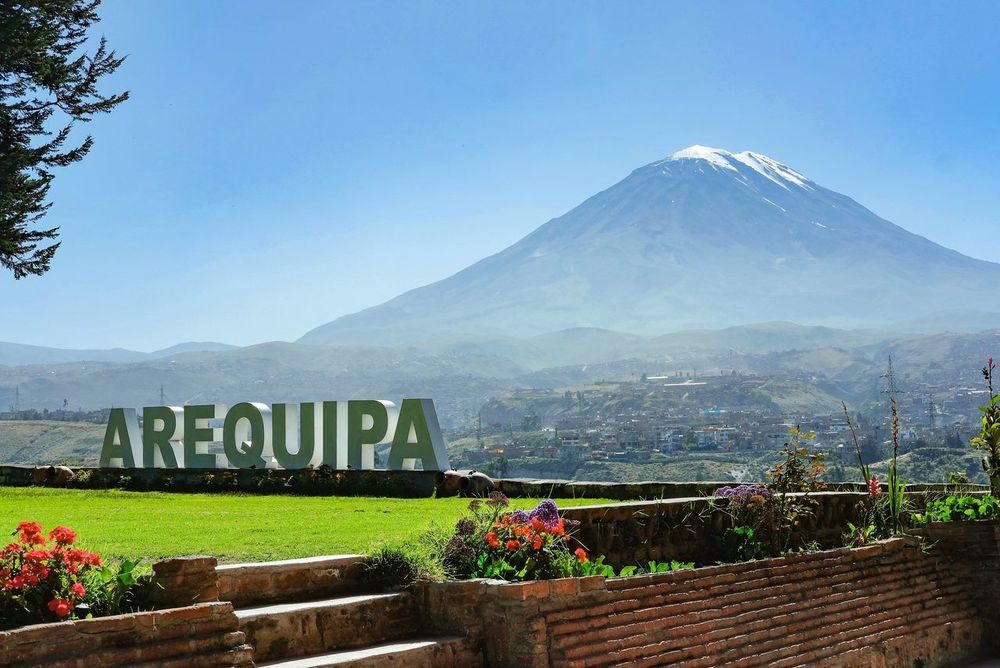
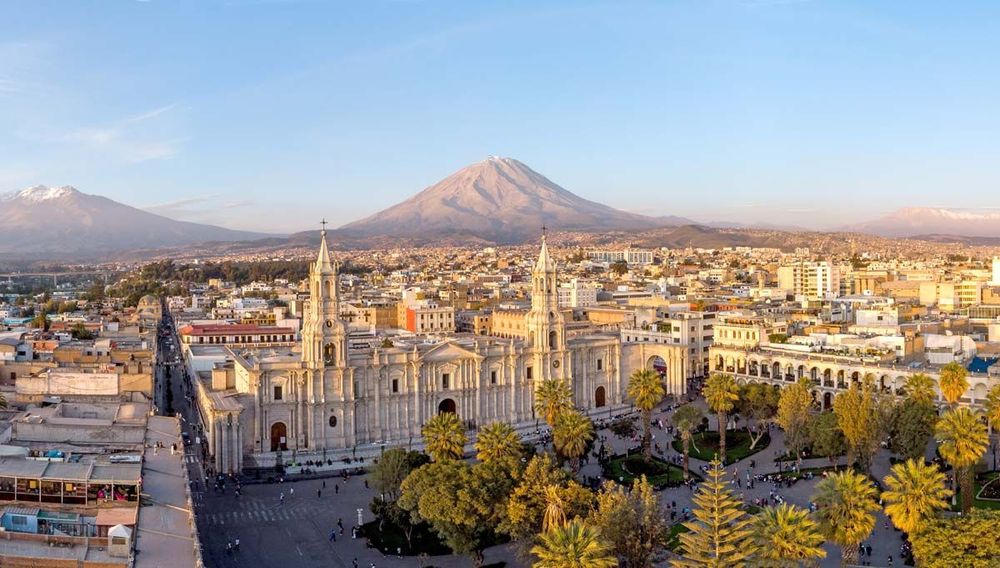
Perched at an altitude of 2,300 metres at the foot of three majestic volcanoes, Arequipa instantly charms visitors with its gleaming white volcanic-stone architecture. Bathed in generous sunshine all year round, Peru’s second-largest city blends the elegance of its colonial palaces with an exceptionally rich culinary tradition. With its colourful streets, hidden cloisters and spectacular landscapes, this characterful city offers a captivating immersion in Andean culture.
Quand partir à Arequipa ?
Jan.
21°
3
Feb.
21°
3
March
22°
2
April
22°
0
May
22°
0
June
22°
0
July
21°
0
Aug.
22°
0
Sept.
23°
0
Oct.
23°
0
Nov.
22°
0
Dec.
22°
1
Arequipa enjoys an exceptionally dry and sunny climate almost all year round, with more than 300 days of sunshine a year beneath clear blue skies. Although daytime temperatures are pleasantly mild, averaging around 20°C, nights can be particularly cool due to the altitude. The city has only a short rainy season, mainly between January and March.
Départ conseillé
We design our routes as loops so you can easily start the tour at the point closest to you. The directions will adjust automatically. If you're nearby, we recommend an ideal starting point: Arequipa Cathedral.
Parking à proximité
For safe and affordable parking in Arequipa, choose a cochera (a secure private car park), which you can easily spot by the blue signs on streets around the city centre. Expect to pay around 15 to 25 soles per night. The easiest option is to stay at a hotel with its own included parking, or ask reception whether they have a special arrangement with a nearby car park.
À savoir
To enjoy Arequipa comfortably, start by giving yourself time to adjust gradually to its altitude of 2,335 metres. Stay well hydrated, and make sure you only drink bottled water. The sun is particularly strong, so protect yourself properly during the day and bring something warm for the evening, when temperatures become noticeably cooler.
Peru’s official currency is the sol (S/), although US dollars are also widely accepted for tourist expenses and bookings. For greater peace of mind, use local ATMs or exchange money at official bureaux de change, and always keep some small-denomination notes and coins in good condition for everyday purchases.
Découvrez 15 lieux d'intérêt pour visiter Arequipa

What to see in Arequipa on your 1h45 tour?
This 3.9 km loop takes about 1 h 45 and links 14 sights. From the cathedral and Plaza de Armas, it crosses the Santa Catalina Monastery, the San Lázaro district and the San Francisco Convent, runs past colonial sillar mansions, pauses at the San Camilo Market, then reaches Bolognesi Bridge and the working-class del Solar district. With the Ryo app in your ears, every white stone or local legend reveals its story, at your own pace.
Information checked in November 2026 and subject to change.
1 - Arequipa Cathedral Basilica
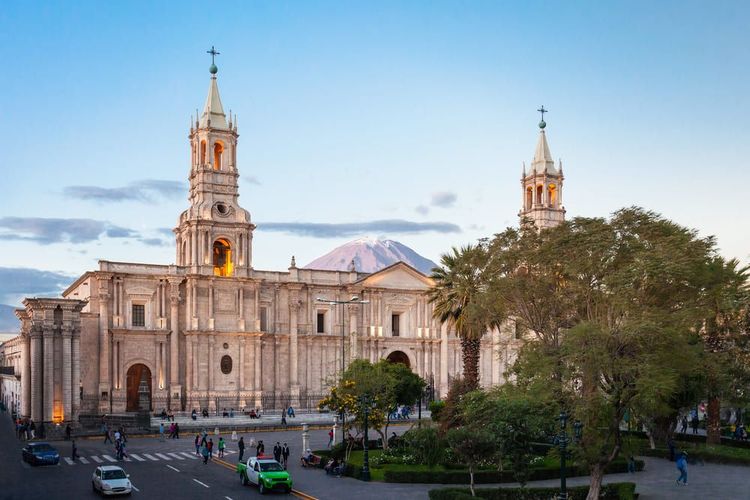
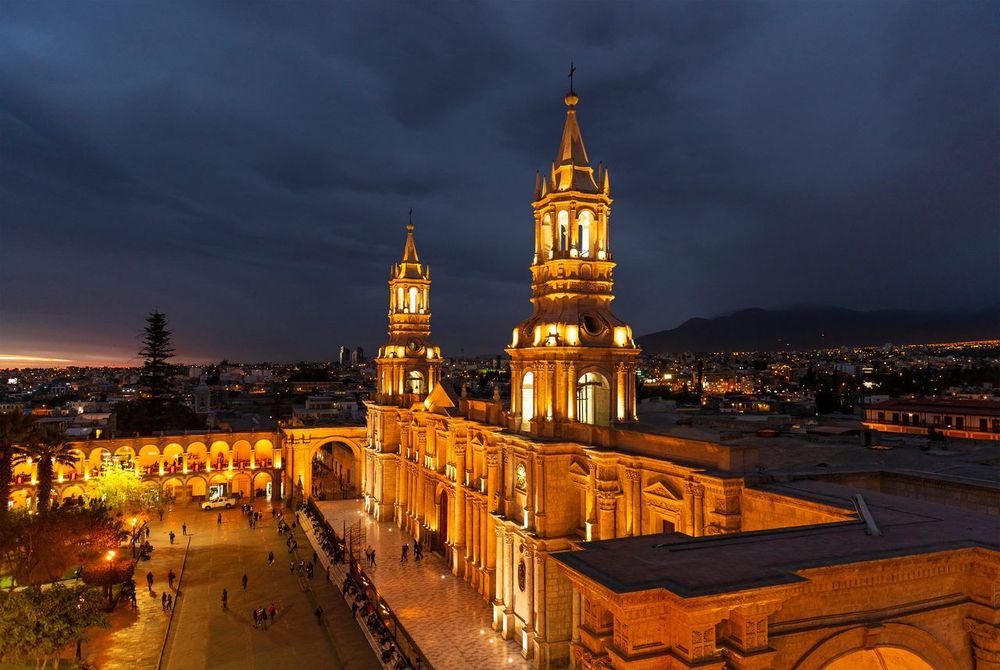
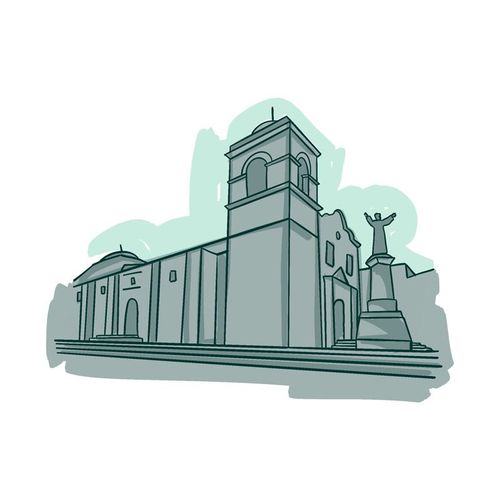
Its colossal 107-metre facade towers over a surprisingly low-rise city centre: there's no missing it. Founded on 15 August 1540, the exact day Arequipa itself came into being, it has been flattened and rebuilt around ten times, through repeated earthquakes and a devastating fire in 1844. A Carrara marble altar, a pulpit carved in Lille and a twelve-metre Belgian organ make up a lavish interior, resting on catacombs reserved for bishops.
Free to see from outside
2 - Santa Catalina Monastery
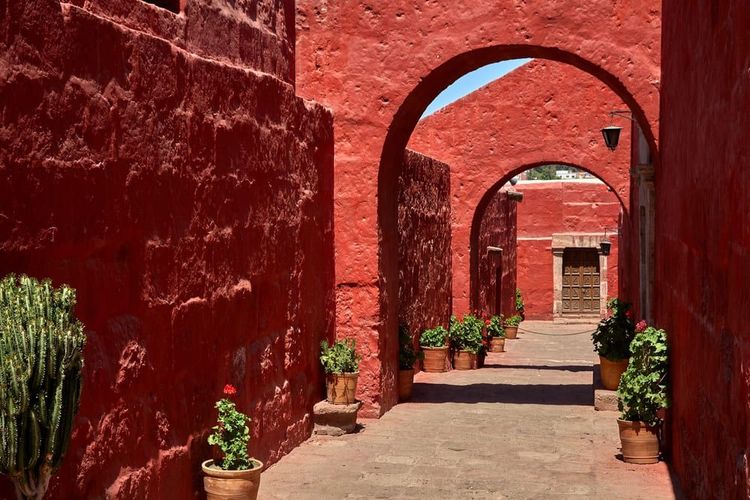
A true city within the city spread across more than 20,000 square metres, this convent stayed shut off from outsiders across 391 years, at times sheltering up to 300 nuns in near-total isolation. Founded in 1579 by a wealthy lay widow rather than by any religious order, it grew into a financial powerhouse, with every young novice paying a dowry of 1,000 silver pesos. Its blue, yellow and ochre lanes, built of volcanic stone, have withstood earthquakes for centuries.
Paid entry (about 50 PEN) · Allow 1 h 30
3 - Mundo Alpaca
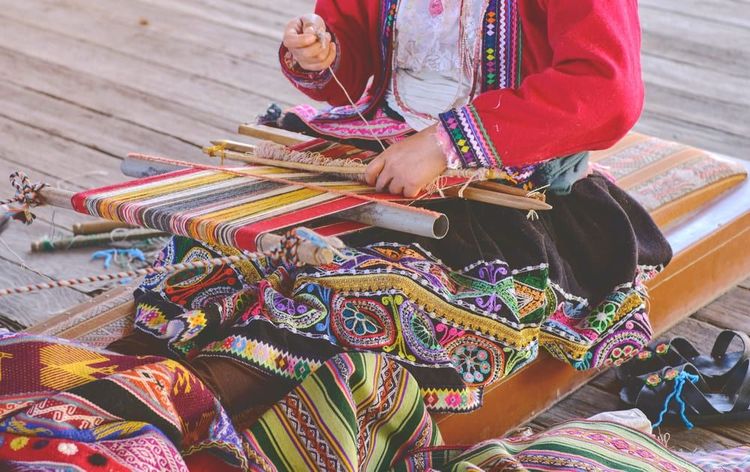
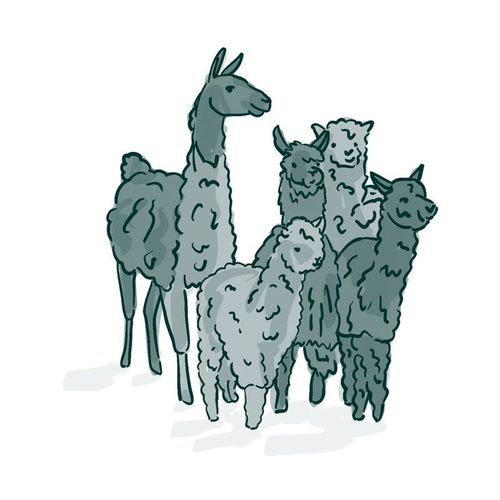
Free entry to watch artisans hand-sort fibre, see ancestral backstrap weaving, and wander among pens of alpacas and llamas. The llama, the sturdy one of the family, can weigh up to 150 kg; the alpaca, smaller at around 60 kg, comes in a fluffy curled coat or long silky locks. Their wild cousin the vicuña, whose fibre was once reserved for Inca emperors, is sheared only every three to four years before being set free in the mountains.
Free entry
4 - San Lázaro District
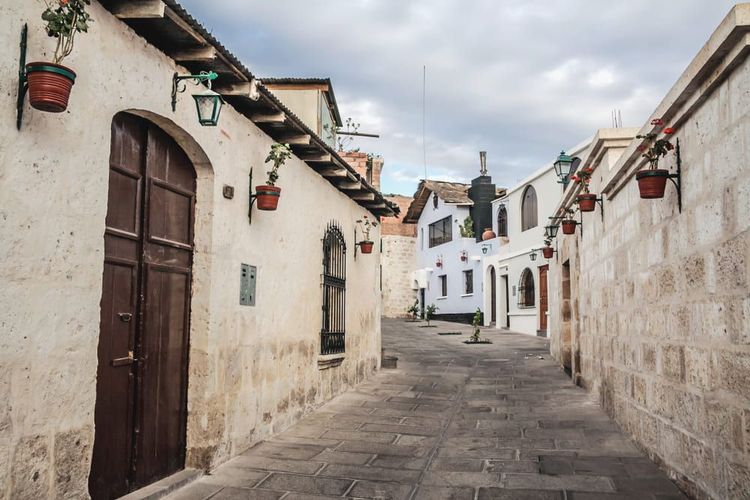
Despite the legend, Arequipa wasn't actually born here, though the area was already settled by the Andean Yarabaya people before the Spanish arrived. Its crooked lanes stand out against the strict colonial grid covering the rest of the city, a legacy of older footpaths. Here you'll find picanterías, traditional eateries where each weekday carries its own set dish, and the pan Ripacha, a bread that was born in this very neighbourhood.
Free entry
5 - San Francisco Convent
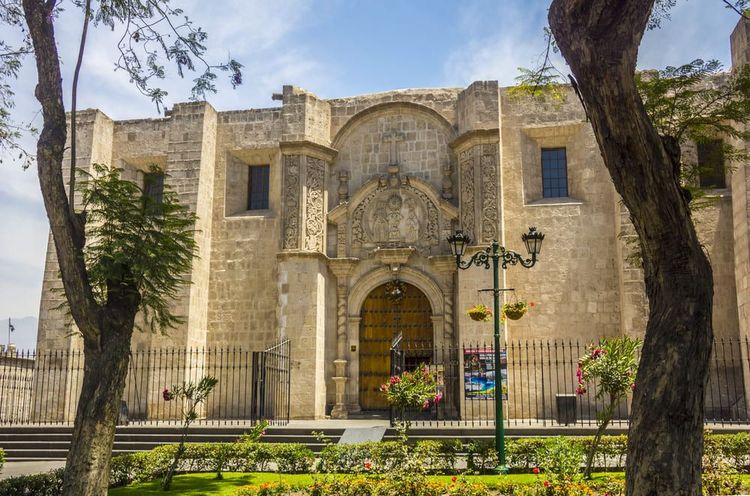
This sprawling Franciscan complex brings together a church, living quarters for the friars, a school and the Tercera Orden temple, built from 1552, barely a dozen years after the city itself came into being. Despite a long run of earthquakes, the complex always rises again. Its nave holds gilded altarpieces covered in gold leaf and one of Latin America's largest paintings, devoted to the genealogy of the Franciscan order, a claim Cuzco also makes for its own canvas.
6 - Mario Vargas Llosa Library
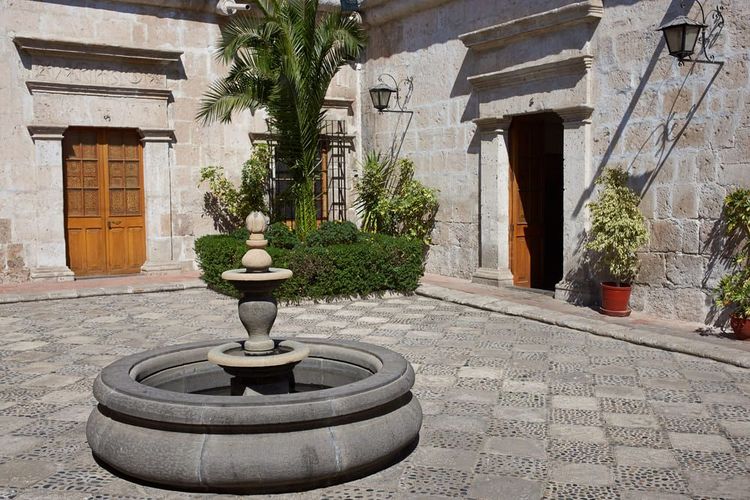
This colonial sillar mansion houses the personal library of writer Mario Vargas Llosa, honoured with the Nobel Prize in Literature in 2010 and opened to the public in his presence in 2014. Over 20,000 books are gathered here, alongside his desk left just as he used it and a copy annotated by García Márquez. Born in Arequipa in 1936 and later enrolled in a Lima military academy that inspired his first novel, the writer died in 2025, aged 89.
7 - BBVA Continental
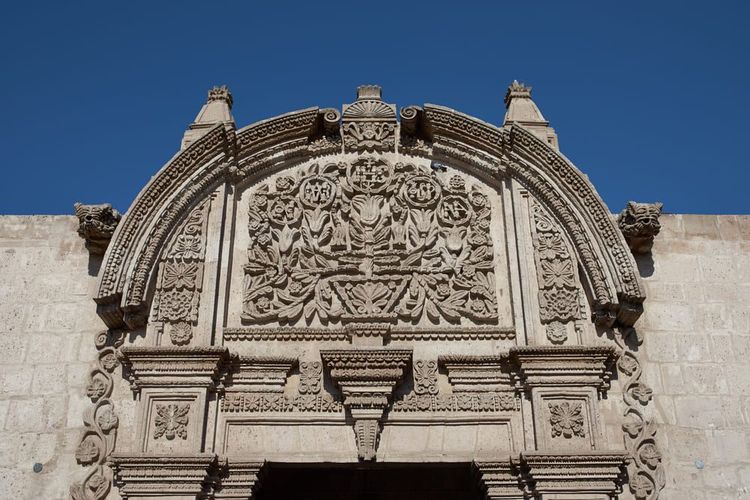
Behind the counters of an ordinary bank branch hides Casa Tristán del Pozo, a baroque gem built in 1738 for a general and bought by the bank in 1974. Built entirely from sillar, the white volcanic stone that gives the city its nickname, its facade carries a five-branched tree in bloom with cantuta flowers. Its first courtyard now houses a free art gallery devoted to painters from the region.
Free entry
8 - Plaza de Armas
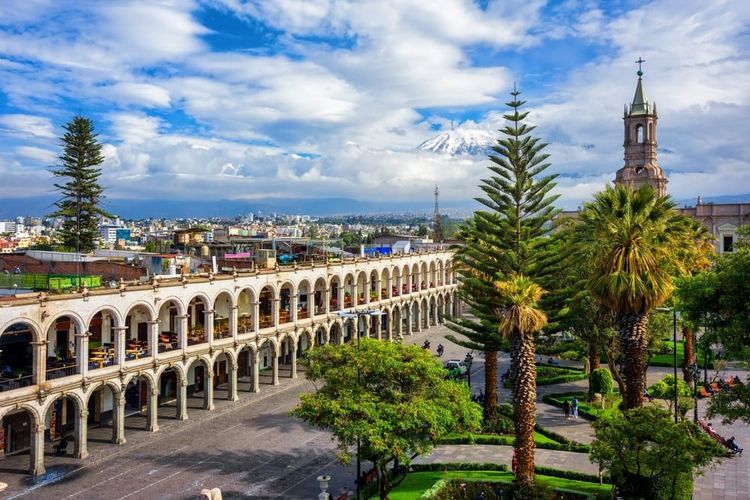
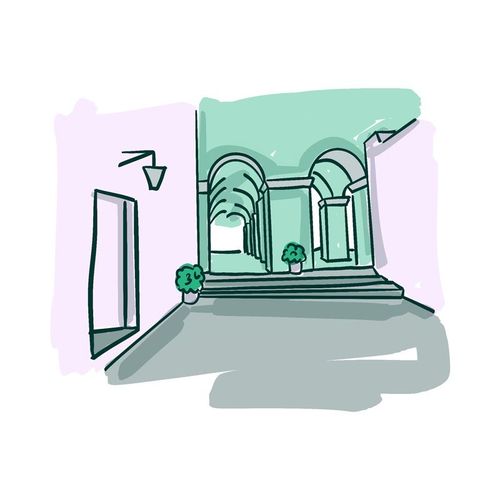
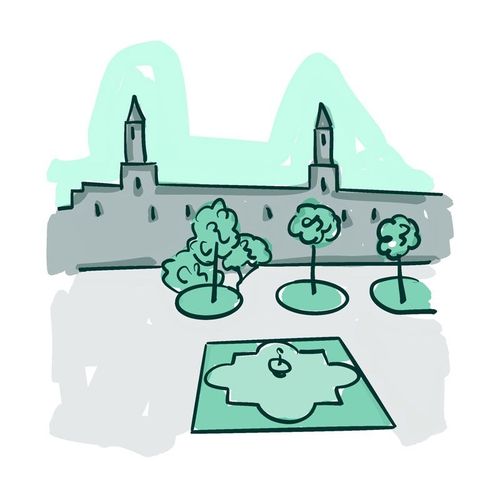
Everything began right here on 15 August 1540, yet the square has burned, shaken and been rebuilt around ten times across five centuries. Today's ground level sits roughly 80 centimetres above the original one, buried under accumulated rubble. Three arcaded galleries over 105 metres long each frame the square, and at its centre stands a 1735 bronze fountain topped by the Tuturutú, a small figure forever blowing a trumpet.
Free entry
9 - La Compañía Church
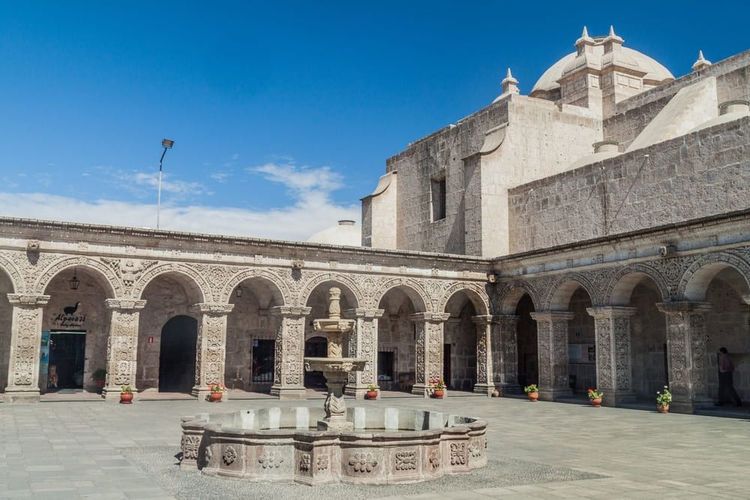
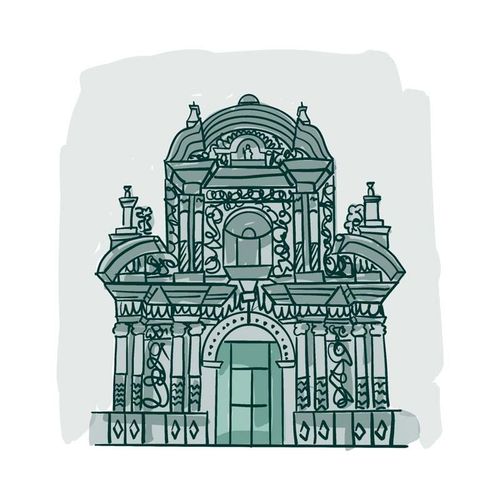
Its facade, finished in 1698 after almost a century of work, is carved from top to bottom in volcanic stone, blending Andean motifs with Christian figures. Inside, a gilded main altar holds a Madonna and Child painted by the Italian Bernardo Bitti, and the San Ignacio chapel, nicknamed Arequipa's Sistine Chapel, bursts with frescoes of tropical plants and animals. The adjoining cloisters, lined with symmetrical galleries, now hold shops and cafes.
Free entry
10 - San Camilo Market
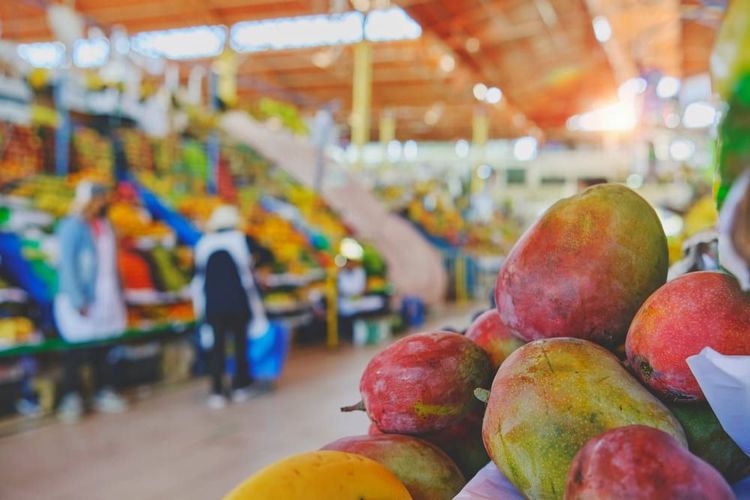
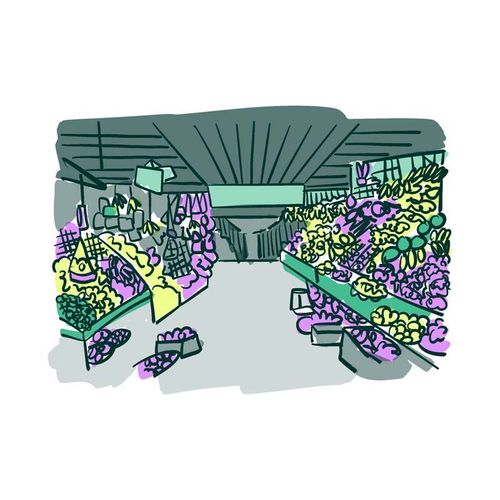
This vast iron-and-glass hall, opened in 1938 on the site of a former convent, wakes up by six in the morning. Here you can try Doña Rosa's queso helado, served since 1948, a milk-and-cinnamon ice cream despite its cheesy name, or order a full menú del día, often no more than a handful of soles. Local favourites include fiery stuffed rocoto peppers, river-shrimp chupe soup, and roasted cuy, or guinea pig.
Free entry · Best early in the morning
11 - Goyeneche Palace
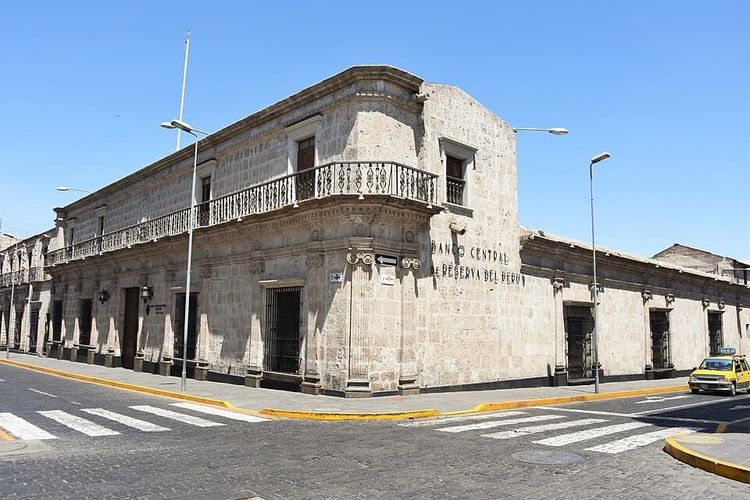
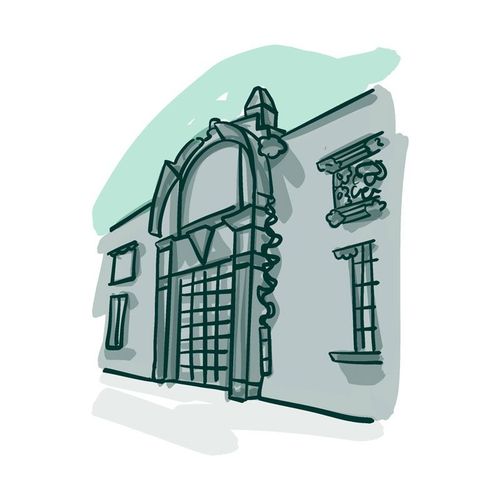
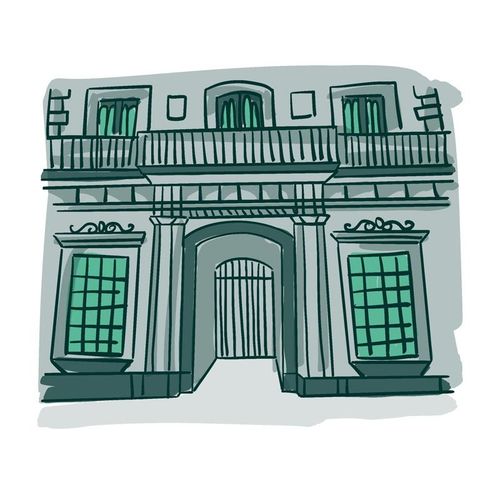
This 19th-century mansion, now home to the Central Reserve Bank of Peru, can be visited free of charge. Inside sit 37 colonial paintings and two canvases attributed to Francisco de Goya, assembled by the Goyeneche family, whose head once earned the nickname of the wealthiest prelate on the South American continent. The same architect behind the cathedral, Lucas Poblete, designed its vaulted gateway, wide enough for an armed horseman to ride straight through without dismounting.
Free entry
12 - Museum of Andean Sanctuaries
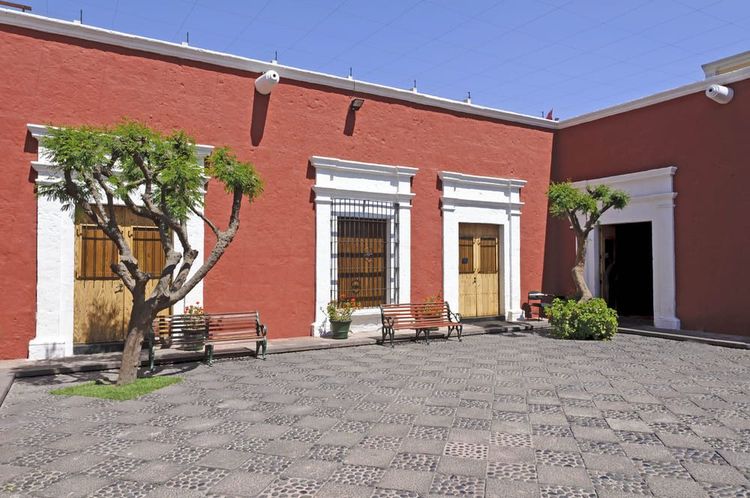
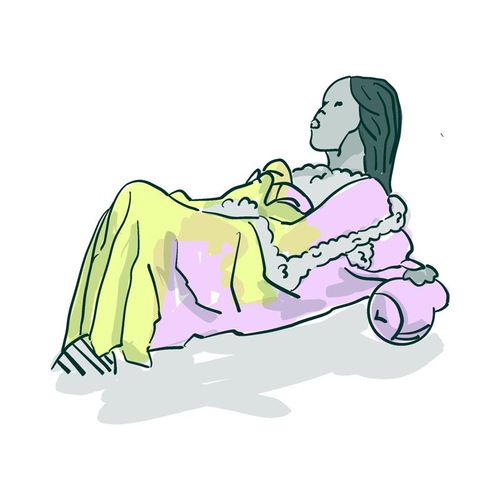
This museum holds Juanita, the Lady of Ampato, a young Inca girl sacrificed atop a frozen volcano more than 500 years ago, and found in 1995 by archaeologist Johan Reinhard. Widely regarded as the most intact frozen body ever found across the Americas, she bears witness to the Capacocha, the Inca empire's most sacred rite, in which the purest children were offered to the deified mountains. Kept at minus 25 degrees, she sometimes steps aside, between January and April, for Sarita, another sacrificed girl.
Paid entry
13 - Bolognesi Bridge
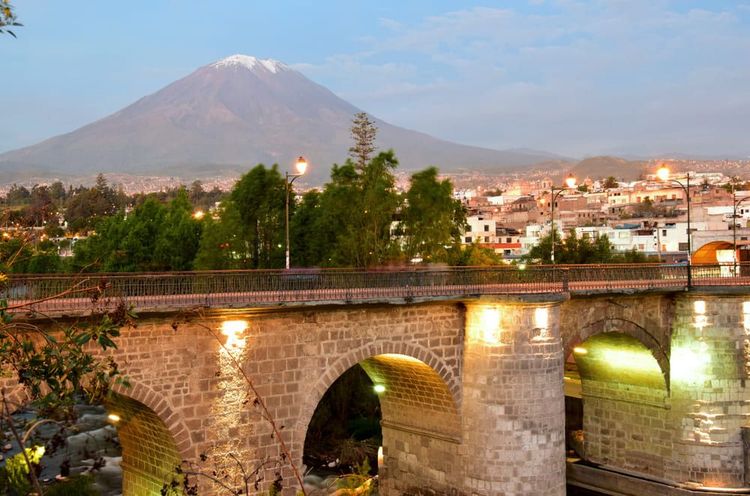
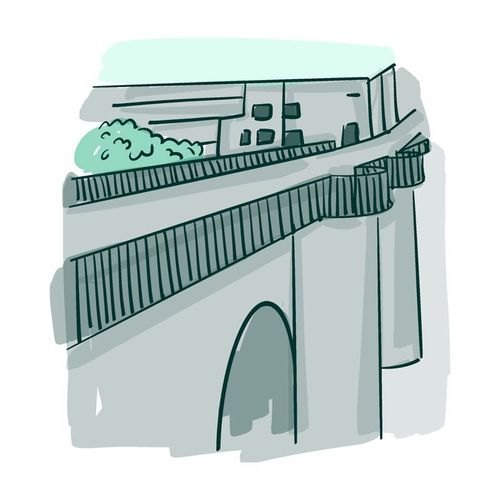
From the bridge, the view takes in the río Chili and the three volcanoes watching over the city: Misti, Chachani, and Pichu Pichu, regarded here as living deities. The ridge of Pichu Pichu traces the outline of a sleeping man, the Sleeping Indian, said by legend to have been heartbroken over Chachani. Locals also say a siren lives in the dark waters beneath this bridge, luring curious passers-by with her enchanting song.
Free entry
14 - Tambo el Matadero
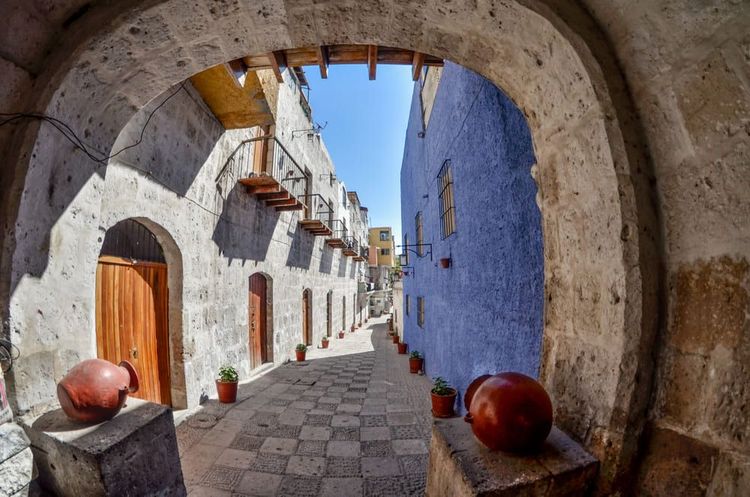
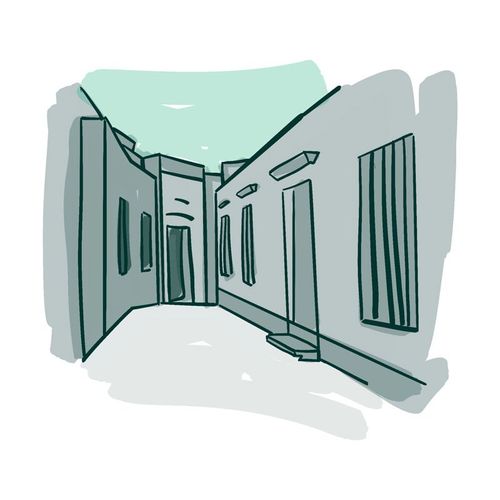
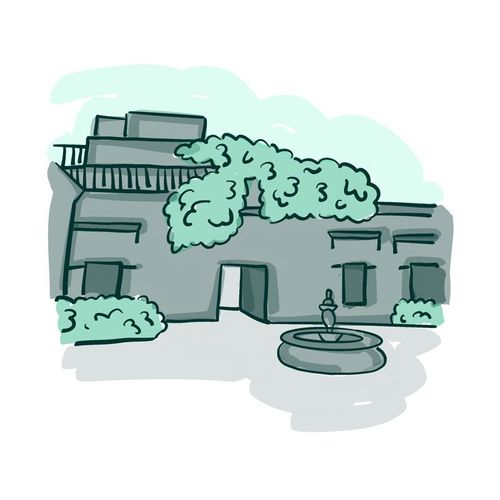
This tambo in the del Solar district, built in the early 17th century near the old municipal slaughterhouse, originally referred to a traveller's waystation; here, it became a shared courtyard house for several families. Once owned by the Marquis of Selva Alegre, among the grandest fortunes of colonial times, the place is still lived in today: visitors should tread lightly and respect the residents who still call its patio home.
Free entry
What to do in Arequipa in 2 or 3 days?
This 3.9 km loop takes about 1 h 45 and links the 14 sights of the historic centre, from the cathedral to the working-class Solar district. For those staying 2 or 3 days, Arequipa is rounded out with a trip outside the city.
The following days can go to the Colca Canyon: as our guide to solo travel in Arequipa points out, it is one of the few multi-day treks in Peru that a traveller can join without coming as part of a group.
Which neighbourhoods does the tour cross?
In a loop, the route links the colonial centre, built from sillar, Arequipa's white volcanic stone, with the more working-class districts around it.
It starts at the cathedral and heads north to the Santa Catalina Monastery, a city within the city founded by a wealthy widow in 1579, before crossing the San Lázaro district, where the first Spanish conquerors settled in 1539, then reaching the San Francisco Convent and the personal collection of writer Mario Vargas Llosa (stops 1 to 6).
The path then comes back down to the civic heart: the Casa Tristán del Pozo, now home to a bank, comes before the Plaza de Armas, the point zero of the city founded in 1540, and the La Compañía Church, its façade carved like a piece of stone lace (stops 7 to 9).
The last stretch crosses the San Camilo Market and its Andean cooking smells, passes the Goyeneche Palace and the Museum of Andean Sanctuaries, then steps onto the Bolognesi Bridge, facing the volcanoes, before heading down into the working-class Solar district (stops 10 to 14).
How much does it cost to visit Arequipa?
Of the 14 stops on the route, most can be seen free of charge, whether the Plaza de Armas, La Compañía Church, the San Camilo Market or the Goyeneche Palace and its colonial paintings; 2 require an entry ticket:
- the Santa Catalina Monastery, for a visit of about 90 minutes, at 50 soles;
- the Museum of Andean Sanctuaries, home to the mummy Juanita, replaced by Sarita from January to April, also paid.
Entry to the cathedral is free; only the climb up the bell tower through its museum is paid. In Peru, the currency is the sol, although US dollars are widely accepted for tourist spending; it's worth keeping some small change for everyday purchases.
Information checked in November 2026 and subject to change.
Where to stop for a bite along the tour?
The route stops at the San Camilo Market (stop 10), busy from 6 am, where flower and fruit stalls sit next to Andean food counters.
Try the rocoto relleno, a pepper stuffed with spicy minced meat and topped with cheese, or the chupe de camarones, a hearty soup with river shrimp; for dessert, Doña Rosa's stall has served queso helado since 1948, a milk ice cream flavoured with cinnamon and coconut that, despite its name, contains no cheese at all. Earlier on the route, in the San Lázaro district (stop 4), the traditional picanterías even keep a different dish for each day of the week.
What should you know before visiting Arequipa?
Arequipa sits at 2,335 m above sea level, which calls for a few simple precautions.
Give yourself time to adjust, drink only bottled water, and protect yourself from the sun, which is particularly strong during the day; evenings, by contrast, turn cool and call for something warm.
For bus or taxi trips in the region, it's best to choose an officially registered company: road accidents remain common in Peru. Also keep your cash and cards on you rather than in an easy-to-reach bag: theft and muggings are reported in touristy areas.
Social unrest can also block tours from time to time: it's worth checking travel alerts before setting off.
Le plein d'inspirations
Explorez le monde en totale liberté, à pied au cœur des villes ou au fil des routes. Nos guides audios transforment chaque destination en une découverte culturelle immersive et unique.
FAQ for visiting Arequipa
Is Arequipa a good destination for solo travel in Peru?
Set at 2,335 metres and built from sillar, a pale volcanic stone, Arequipa is considered one of Peru's safer big cities, with fewer crowds than Cusco. Its compact colonial core is easy to walk: the Plaza de Armas, the cathedral rooftop facing El Misti, Santa Catalina Monastery to explore without a guide for two hours, and the museum holding Juanita, the Inca girl found on Ampato.
Add the Yanahuara viewpoint, San Camilo Market and free-entry Mundo Alpaca. For Colca Canyon, allow two days to acclimatise and bring 70 soles in cash for the entrance ticket.
Get every tip in our guide to solo travel in Arequipa.
What are the best free things to do in Arequipa?
Arequipa has plenty to offer at no cost, starting with the Plaza de Armas and its cathedral, built from sillar, the pale volcanic stone behind the city's White City nickname. The cathedral nave is free to enter, and so is the Church of the Society of Jesus.
You can also wander San Lázaro, where the founders reportedly first settled in 1540, cross the Bolognesi and Grau bridges, watch El Misti from the Yanahuara viewpoint, join a tip-based walking tour of the historic center, or browse the stalls of Mercado San Camilo, built in 1881.
Find every spot that needs no entrance ticket in our guide to free things to do in Arequipa.
Vos commentaires, idées et suggestions
Aucun avis pour le moment