
Créé par Emilie, le 2 oct. 2026
Votre guide Ryo
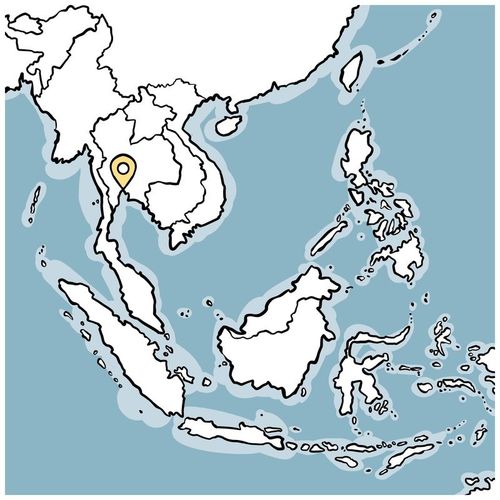
Bangkok, Thailand
Short tour - City of Angels
Parcours audioguidé pour visiter Bangkok en 1 jour
This is the short version of the tour, perfect for discovering the city's highlights in no time. If you'd like to explore further, the full tour is also available, allowing you to discover the city in much greater depth.
This tour of Bangkok’s historic heart invites you to dive into the soul of the "City of Angels," featuring majestic golden temples, vibrant markets, and historic lanes filled with stories. Throughout the route, discover the spiritual heritage of the Kingdom of Siam, the legendary street food flavors, and the iconic landmarks where ancient traditions meet modern energy. A simple and immersive way to explore the beating heart of Bangkok at your own pace.
Quand partir à Bangkok ?
Jan.
27°
1
Feb.
28°
2
March
30°
3
April
31°
6
May
30°
16
June
30°
16
July
29°
17
Aug.
29°
19
Sept.
29°
21
Oct.
28°
17
Nov.
27°
6
Dec.
26°
1
Bangkok has a tropical climate, and the average temperature throughout the year is around 28°C. Temperatures are at their lowest from January to March, and November to December, with minimum temperatures around 26°C. The hottest months are April to October, with highs of 34°C. Bangkok also experiences monsoon season from May to October, when the city is hit with heavy downpours and thunderstorms. To make the most of your trip, the best time to visit is January, February, and between mid-November and the end of March.
Départ conseillé
No need to worry about where to begin! Our tours are designed as a loop, so you can jump in wherever you are. The navigation system and audioguide will automatically adjust to your location. However, if you happen to be nearby, we do have a preferred starting point: Wat Pho
Parking à proximité
Phra Borom Maha Ratchawang Car Park
À savoir
If you want to visit the Grand Palace, you have to buy an entry ticket. The site also has specific opening hours, so make sure to check these before going to avoid disappointment! You will also need to respect the dress code, and cover every body part, including your feet.
Découvrez 12 lieux d'intérêt pour visiter Bangkok




Le plein d'inspirations
Explorez le monde en totale liberté, à pied au cœur des villes ou au fil des routes. Nos guides audios transforment chaque destination en une découverte culturelle immersive et unique.

FAQ for visiting Bangkok
When is the best time to visit Bangkok?
The ideal time to explore Bangkok runs from November to March, when temperatures are milder with lows around 26°C. January and February are particularly pleasant for exploring the city on foot. If possible, avoid the monsoon season from May to October, marked by heavy downpours and frequent storms. Temperatures can climb as high as 34°C between April and October, making sightseeing more gruelling. The tropical climate keeps an annual average of around 28°C, but the dry season will guarantee you optimal conditions to make the most of your stay and outdoor activities.
How many days do you need to visit Bangkok?
For a first visit to Bangkok, plan on ideally between three and five days. This will give you time to explore the major temples, wander through the markets, sample the street food and soak up the city's unique atmosphere. In three days, you'll cover the must-sees of the historic centre and a few iconic neighbourhoods. With five days, you can add excursions to the outlying floating markets and explore the modern districts further. Bangkok is a dense metropolis that deserves to be discovered at a leisurely pace, poised between tradition and modernity. The Ryo audioguide accompanies you to make the most of your time with a well-structured route through the historic heart.
How do you get around in Bangkok?
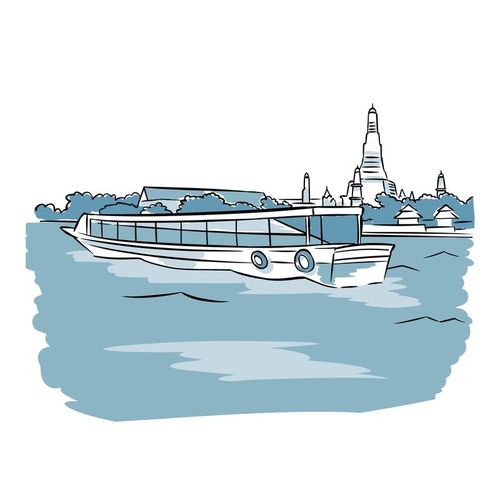
Bangkok has a varied and complementary transport network. The BTS Skytrain and the MRT Metro are fast and air-conditioned, perfect for avoiding traffic jams during rush hour. Tuk-tuks offer a quintessential experience, but always negotiate the price before hopping in. Taxis are affordable; simply insist on using the meter. For journeys along the Chao Phraya River, the river buses make for a picturesque and practical option. Motorbike taxis weave through the traffic but are best left to the more daring. Grab, the local equivalent of Uber, makes getting around easier with transparent fares. For short distances within the tourist districts, walking is often the best option to soak up the local atmosphere.
Which temples are must-sees in Bangkok?
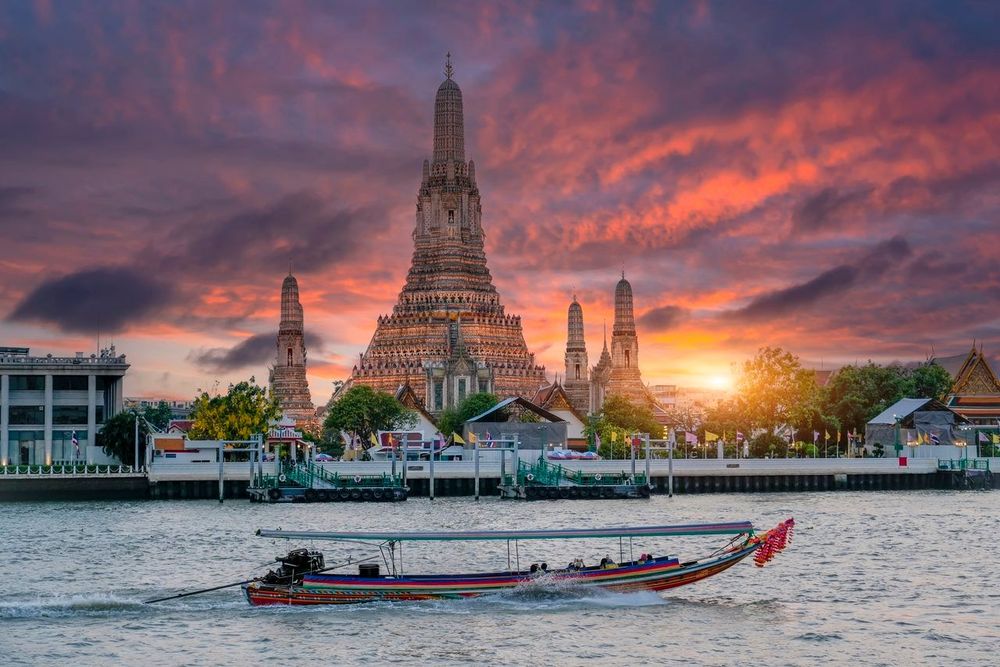
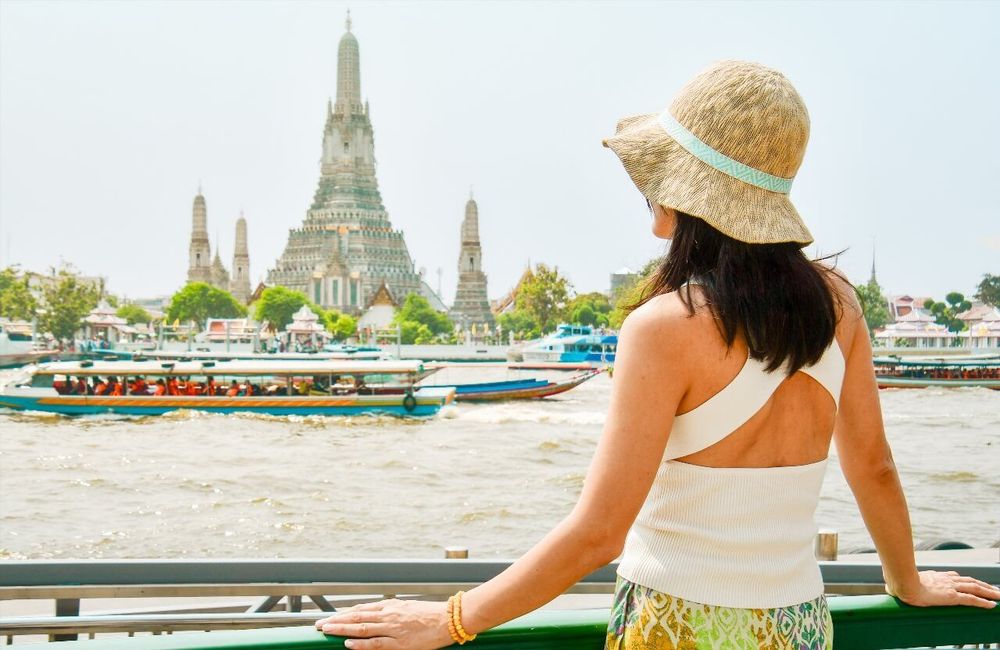
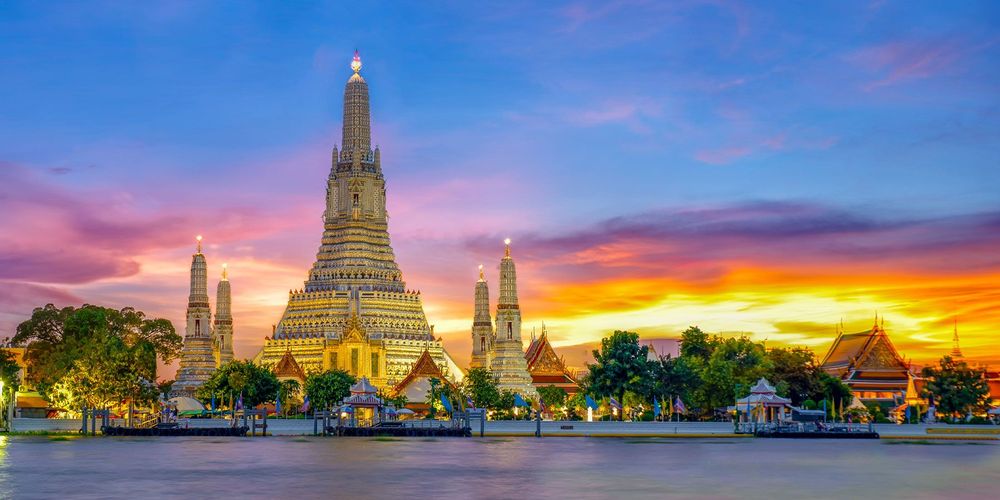
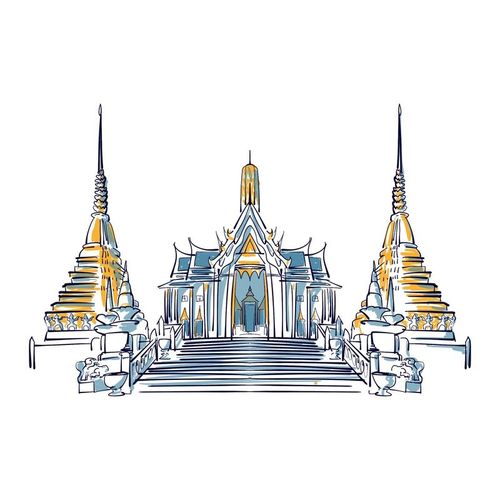
Bangkok is home to some of Asia's most spectacular Buddhist temples. Wat Phra Kaew, the Temple of the Emerald Buddha set within the grounds of the Grand Palace, remains the most sacred in the country. Wat Pho impresses with its monumental golden reclining Buddha and its traditional massage school. Wat Arun, the Temple of Dawn, stands out with its central tower adorned with colourful porcelain, offering a panoramic view over the river. Wat Saket with its Golden Mount lets you admire Bangkok from on high. Wat Benchamabophit, the marble temple, charms visitors with its refined architecture. The Ryo audioguide guides you through these spiritual marvels, revealing their fascinating history and profound symbolism.
Which neighbourhoods should you visit in Bangkok?
Bangkok reveals itself through its neighbourhoods with their contrasting atmospheres. The historic district of Rattanakosin concentrates the major temples and the Grand Palace. Chinatown buzzes with activity with its lively markets and legendary street food. Sukhumvit embodies modern Bangkok with its shopping malls, international restaurants and vibrant nightlife. The Silom district blends business and entertainment, while Thonburi, on the west bank, retains a more traditional charm with its peaceful canals. Chatuchak draws shopping enthusiasts with its huge weekend market. Each neighbourhood tells a different facet of the Thai capital, between centuries-old traditions and unapologetic modernity.
How should you dress when visiting temples in Bangkok?
Visiting the temples of Bangkok calls for attire that respects Buddhist traditions. Your shoulders and knees must be covered, so avoid tank tops, short shorts and skirts above the knee. Long trousers or long skirts remain the safest option. Some temples lend sarongs at the entrance if your outfit isn't appropriate. Bring shoes that are easy to slip off, as you'll need to remove them before entering the sacred buildings. See-through, tight-fitting or torn clothing is also forbidden. This dress code reflects the deep respect the Thai people hold for their places of worship. Adopt a calm and respectful demeanour, and avoid pointing your feet towards the Buddha statues.
What should you eat in Bangkok and where do you find the best street food?
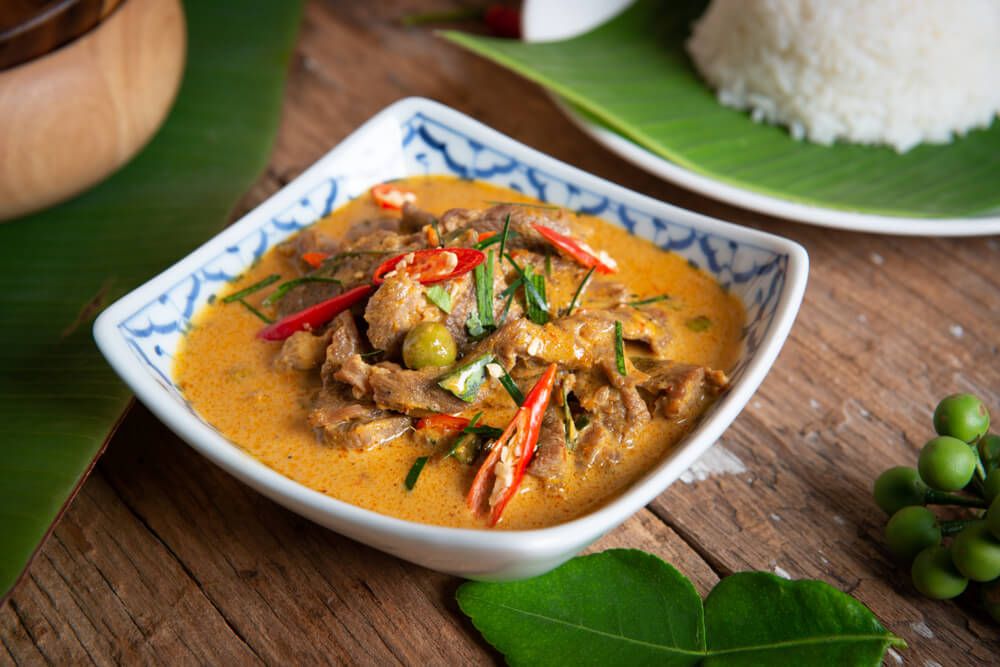
Bangkok is a paradise for street food lovers. The essential classics include pad thai, som tam (spicy green papaya salad), tom yum goong (sweet-and-sour prawn soup) and khao pad (fried rice). Chinatown remains the kingdom of nighttime street food, with its stalls overflowing with grilled seafood and stir-fried noodles. The Chatuchak market offers an impressive variety at the weekend. The sois (side streets) of Sukhumvit hide stalls beloved by locals. Victory Monument and its surroundings brim with cheap options prized by students. Trust the local queues, a sign of quality and freshness. Don't hesitate to point to order if you run into a language barrier.
How do you get to the city centre from Bangkok's airport?
From Suvarnabhumi Airport, the Airport Rail Link train is the fastest and most economical option for reaching the city centre. The line serves several stations with connections to the BTS Skytrain and the MRT. The journey takes about thirty minutes to Phaya Thai station. Official metered taxis remain a practical alternative, especially if you're travelling with bulky luggage. Expect generally between forty-five minutes and an hour depending on traffic. Public buses exist but prove impractical with suitcases. From Don Mueang Airport, used by the low-cost airlines, shuttle buses connect to the BTS and MRT stations. Ride-hailing apps like Grab also make getting around easier with transparent fares.
Is Bangkok worth visiting?
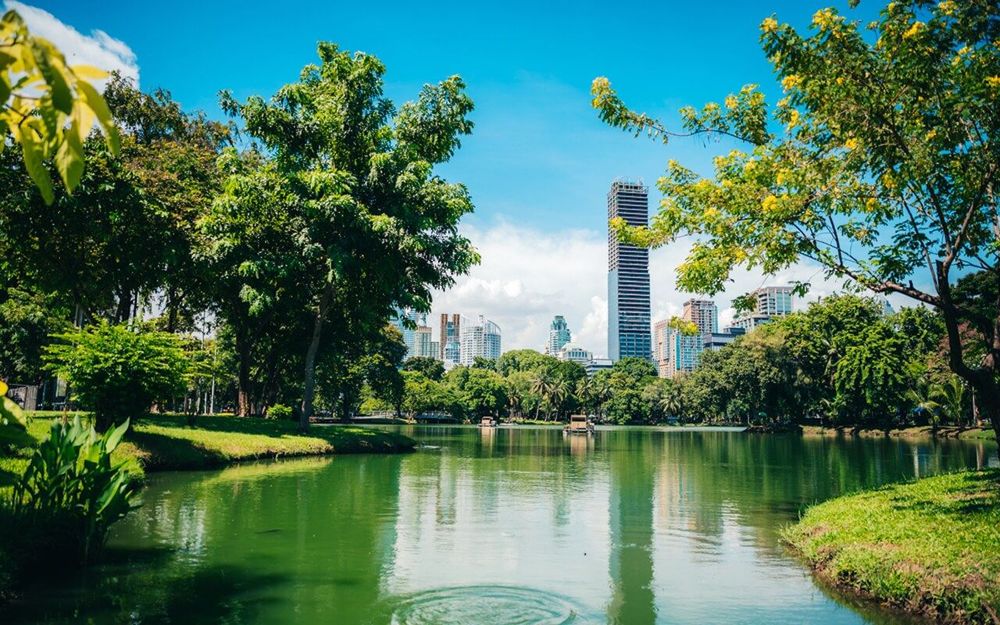
Yes, as long as you accept its rhythm. Bangkok is a city of contrasts: gilded temples along the river, air-conditioned glass towers, markets spilling onto the pavements and lanes where you eat standing up in clouds of cooking steam. It does take a little planning, since the heat and the traffic mean alternating early visits with breaks in the shade, but it rewards curious travellers generously. Many people spend a single night here before heading off to the islands, and regret it afterwards. The Ryo audio guide offers a dedicated Bangkok route that links the highlights while telling the story of the places you walk through.
What is there to do in Bangkok in the evening?
The city changes character once the sun goes down. Rooftop bars in the business districts open their terraces at sunset and offer sweeping views over the river and the skyline, while Yaowarat, the Chinatown district, lights up with neon signs and brings out its street kitchens until late. Night markets are the other great ritual, with vintage clothing stalls, bars set up inside old vehicles and small live music stages. You can also watch a muay thai bout, board a dinner cruise on the Chao Phraya or simply wander around Khao San Road, livelier than ever after dinner.
Vos commentaires, idées et suggestions
Aucun avis pour le moment