






Créé par Romane, le 4 oct. 2026
Votre guide Ryo
Istanbul, Türkiye
From Byzantium to Constantinople, an empire on two continents
Parcours audioguidé pour visiter Fatih en 1 jour
This tour of Istanbul’s historic center invites you to travel through millennia, featuring Byzantine domes, majestic minarets, and bazaars filled with a thousand scents. Throughout the route, discover the heritage of the Roman, Byzantine, and Ottoman empires, the vibrant energy of the Bosphorus shores, and the legendary landmarks that bridge the gap between East and West. A simple and immersive way to explore the eternal soul of Istanbul at your own pace.
Quand partir à Fatih ?
Jan.
6°
14
Feb.
6°
13
March
8°
13
April
12°
11
May
17°
8
June
22°
6
July
24°
4
Aug.
24°
5
Sept.
20°
7
Oct.
16°
11
Nov.
12°
12
Dec.
8°
15
Istanbul welcomes visitors all year round. However, if you want to make the most of your stay, choose to visit sometime in spring or early autumn, to avoid summer heat and winter chills. Plan your trip between May and June or September and October to enjoy the best weather! In May and September, for example, maximum temperatures are around 22-25°C (72-77°F), with minimums of 16-18°C (61-64°F). December and January are the coldest months, with temperatures ranging from 3-4°C (37-39°F) to 8-9°C (46-48°F).
Départ conseillé
No need to worry about where to begin! Our tours are designed as a loop, so you can jump in wherever you are. The navigation system and audio-guide will automatically adjust to your location. However, if you happen to be nearby, we do have a preferred starting point: in front of Hagia Sophia (Sultanahmet tram stop).
Parking à proximité
ISPARK Sultan Ahmet, Torun Sk. N°21
Don't look for parking meters, there aren't any! But that doesn't mean it's free! You'll see men in vests or city hall bibs; they're the parking officials and you pay directly to them. They'll also keep an eye on your car. If you've come by car, the best thing to do is leave it at the hotel and use public transport. The metro is clean, fast, efficient and easy to use. If you're moving around a lot during the day, take a 24h pass!
À savoir
This tour takes you through the Grand Bazaar. Please note that the bazaar is open from 10am to 7pm every day, except Sundays and public holidays. Remember also that the Topkapi Palace is closed on Tuesdays and the Dolmabahçe Palace on Mondays.
There are a few rules to follow when visiting a mosque. Admission is often free, but please note that the mosque closes for 90 minutes at each prayer time. You can easily tell when it's prayer time by the chanting of the muezzin at the top of the minaret. Upon entering the mosque, you'll be asked to take off your shoes. They'll provide plastic bags for you to store them in. Both men and women should have their shoulders and legs covered, and women must also cover their hair. Don't worry if you forgot a headscarf – they have some you can borrow at the entrance. So when in Istanbul, it's best for women to pack a scarf in their bag. You don't have to tie it up in any particular way or cover your face - as long as it covers your hair, you're fine.
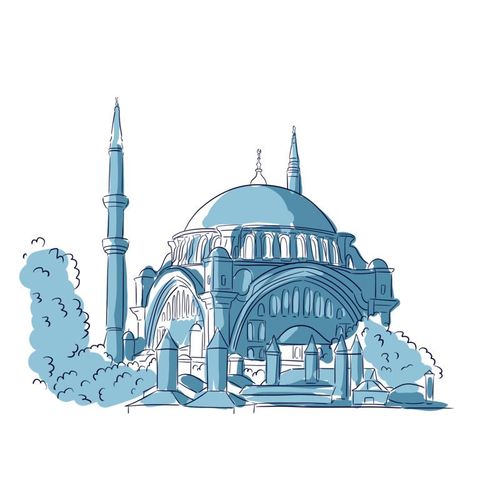
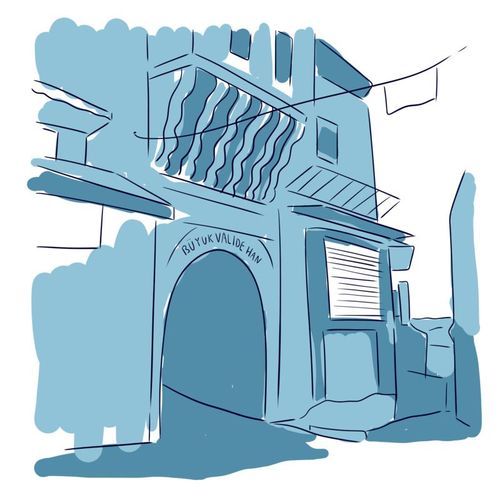
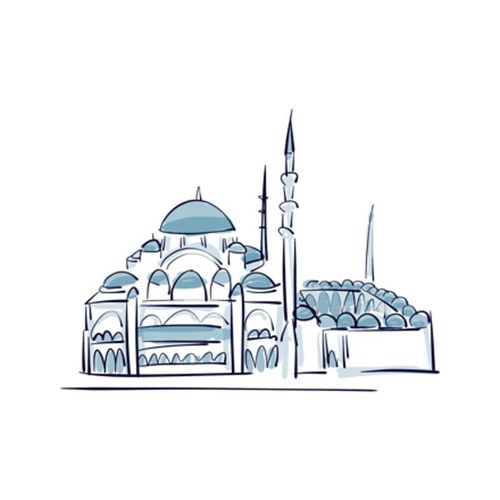
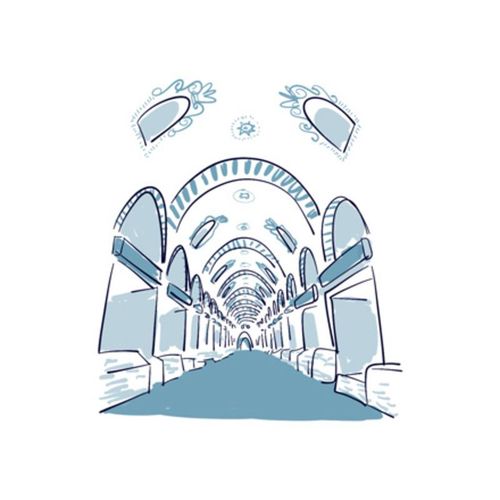
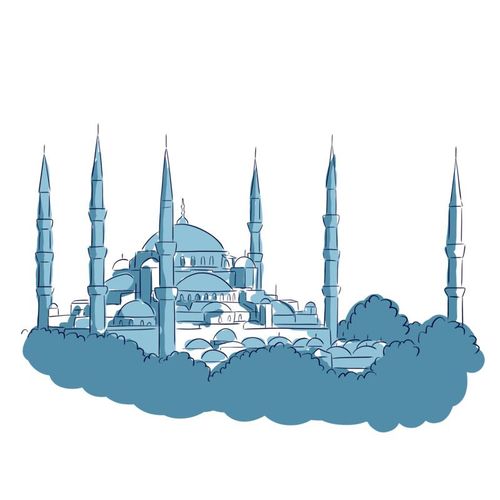
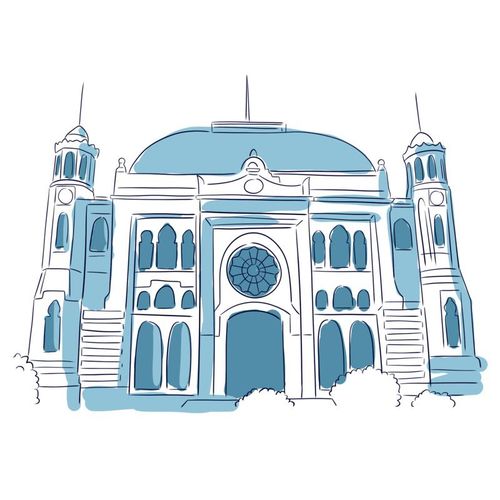
Découvrez 23 lieux d'intérêt pour visiter Fatih







Le plein d'inspirations
Explorez le monde en totale liberté, à pied au cœur des villes ou au fil des routes. Nos guides audios transforment chaque destination en une découverte culturelle immersive et unique.



FAQ for visiting Istanbul
When is the best time to visit Istanbul?
The best time to visit Istanbul is during the shoulder seasons, particularly between May and June or between September and October. You will then enjoy a mild, pleasant climate, with temperatures generally ranging between 16 and 25 degrees. Summer can be stifling in this dense city, while winter brings a cold wind off the Black Sea, with temperatures that can drop to 3 or 4 degrees in December and January. Spring offers the added bonus of seeing the city bloom, notably the tulips that adorn the parks. Autumn remains ideal for wandering through the historic streets without enduring the summer heat or the tourist crowds.
How many days do you need to visit Istanbul?
For a first discovery of Istanbul, ideally allow between three and five days. This gives you time to explore the historic districts of Sultanahmet and Beyoğlu at a relaxed pace, immerse yourself in the atmosphere of the bazaars and cruise the Bosphorus. With three days, you will cover the essentials: Byzantine and Ottoman monuments, the Grand Bazaar, a walk along the shores. Five days give you the chance to delve deeper into your visit, explore the Asian districts such as Kadıköy, take the time to savour the local cuisine and perhaps even venture out to the Princes' Islands. The Ryo audioguide accompanies you to optimise your walking route through the historic centre, letting you discover the essentials even on a short stay.
Which neighbourhoods are best for staying in Istanbul?
For your stay in Istanbul, choose Sultanahmet if you want to be at the heart of history, right next to the great monuments. Beyoğlu and particularly Galata offer a more modern and bohemian atmosphere, with numerous cafés, restaurants and a lively nightlife. Beşiktaş suits travellers looking for an authentic residential neighbourhood close to the Bosphorus. Kadıköy, on the Asian side, charms with its local atmosphere and its generally gentler prices. Each neighbourhood has its own character: Sultanahmet remains touristy but practical, Karaköy attracts fans of design and contemporary art, while Cihangir appeals to expatriates and travellers seeking authenticity. Your choice will depend on your priorities between proximity to the sights, local atmosphere and budget.
How do you get around in Istanbul?
Istanbul has an efficient and economical public transport network. The metro, the tram and the ferries are your best allies for navigating this sprawling metropolis. Get an Istanbulkart, a rechargeable card, as soon as you arrive, usable on all forms of transport. The T1 tram serves the tourist area perfectly from Sultanahmet to Taksim. The ferries offer not only a practical means of transport between the European and Asian shores, but also a panoramic cruise at a low price. Taxis remain affordable but beware of the legendary traffic jams. For short distances in the historic districts, walking remains ideal for soaking up the atmosphere. Avoid renting a car, as the heavy traffic and difficult parking make it a poorly recommended option.
Which paid monuments are absolute must-sees?
Istanbul is packed with exceptional monuments that require an entrance ticket. The Hagia Sophia, a Byzantine architectural marvel converted into a mosque, impresses with its dimensions and its thousand-year history. Topkapı Palace plunges you into Ottoman splendour with its successive courtyards, its harem and its precious collections. The Basilica Cistern offers a mystical experience in its Byzantine underground chambers. Dolmabahçe Palace bears witness to the splendour of the 19th-century Ottoman era with its Europeanised architecture. The Galata Tower is worth the climb for its panoramic view. The Ryo audioguide guides you efficiently between these major sites, enriching your visit with historical anecdotes and practical tips to optimise your route and avoid the long queues.
Where can you get the most beautiful views over Istanbul?
Istanbul offers many spectacular viewpoints over its unique landscape spanning two continents. The Galata Tower remains a classic must for a 360-degree view over the Golden Horn and the Bosphorus. The Pierre Loti café, reached by cable car from Eyüp, offers a romantic perspective over the Golden Horn, particularly magical at sunset. Çamlıca hill on the Asian side offers the widest panorama, embracing the whole city. The terraces of Süleymaniye near the mosque of the same name reveal a sublime view over the Galata Bridge. For a more intimate experience, climb up to the gardens of Topkapı Palace or settle on the quays of Üsküdar at dusk, when the minarets light up.
What culinary specialities should you try in Istanbul?
Istanbul's cuisine reflects the city's cultural richness. Start your day with a traditional kahvaltı, that hearty Turkish breakfast made up of cheeses, olives, tomatoes, cucumbers and simit. Don't miss the kebab in all its variations, well beyond the simple döner. Grilled köfte, pide (Turkish pizzas) and lahmacun delight the taste buds. As for street food, try the balık ekmek (fish sandwich) near the Galata Bridge and the stuffed mussels sold in the streets. Flaky böreks filled with cheese or spinach make a perfect snack. For those with a sweet tooth, baklava and künefe offer a sugary explosion, to be enjoyed with a Turkish tea of course. The meyhane, traditional taverns, offer a variety of mezze to share.
How can you avoid the tourist traps in the bazaars?
Navigating Istanbul's bazaars calls for a few precautions to avoid disappointment. At the Grand Bazaar and the Egyptian Bazaar, be wary of overly insistent vendors who invite you to have tea; it is often an aggressive sales technique. Always haggle, as the first prices quoted are generally inflated for tourists. Start by offering half of the asking price. Avoid buying antiques or carpets without expertise, as counterfeits are common. For spices and Turkish delight, prefer the shops frequented by locals rather than those located at the main entrances. Keep your valuables secure, as pickpockets operate in the crowd. Finally, if a self-appointed guide offers their services, decline politely, as they will then demand an excessive commission.
Which neighbourhoods should you explore in Istanbul beyond Sultanahmet?
Once you have seen the great monuments of Sultanahmet, the city takes on another flavour in its everyday neighbourhoods. Karaköy and Galata, on the other side of the Golden Horn, mix workshops, cafés and sloping lanes that climb towards the Galata Tower. Further north, Balat lines up its colourful houses, its antique shops and its churches, traces of a long Greek, Jewish and Armenian history. On the Asian side, Kadıköy, a short ferry ride away, unfolds its market, its bookshops and its affordable restaurants in a resolutely local atmosphere. The Ryo audio guide offers a route dedicated to Istanbul that helps you connect these districts and understand what sets them apart.
What should you wear to visit the mosques of Istanbul?
Working mosques are still places of worship, and modest dress is expected. Shoulders and knees should be covered, for men as well as for women; women also cover their hair with a scarf, which the major sites often lend at the entrance. Bring shoes that are easy to slip off, since you take them off before stepping onto the carpets, and a bag to carry them in. Visits are interrupted during prayers, particularly around midday on Friday, when it is better to plan something else. Inside, stay discreet, avoid photographing worshippers and walk around the areas set aside for prayer. A light shawl in your bag solves most situations in summer.
Vos commentaires, idées et suggestions
Aucun avis pour le moment
