© Shutterstock
 Votre guide Ryo
Visiting Bordeaux in 3 Days: The Complete Itinerary for 2026
Three days in Bordeaux is just enough time to understand why locals call their city "the Sleeping Beauty" — yet never find it sleeping for a single moment. Between a miroir d'eau that reflects the largest classical façade in France and the scent of wine drifting up from the Chartrons to the Cité du Vin, visiting Bordeaux in 3 days means choosing broadly without spreading yourself too thin: the UNESCO-listed historic centre on day one, the wine neighbourhoods and the alternative right bank on day two, and a escape into the vineyards on day three.
This guide lays out a chronological itinerary, with real distances between each stop and the best time slots to avoid the crowds. You will discover that a former Second World War bunker now houses giant digital projections, that the best canelés in the city are sometimes found in a simple neighbourhood bakery rather than the most famous addresses, and that a silent tram connects gare Saint-Jean to the historic heart in twelve minutes. We have also woven in the Ryo audio guide tour of Bordeaux at the right stages, for those who prefer a voice in their ear rather than a paper map to unfold at every street corner.
Day 1 in Bordeaux: Place de la Bourse, Historic Monuments, and the Quays
The first day focuses on the historic centre, listed as a UNESCO World Heritage Site across nearly 1,810 hectares — the largest urban area inscribed in the world. Everything is done on foot, with no transport needed before the evening. Allow around six kilometres of walking throughout the day, including breaks, following a loop that starts at the quays, heads up to the cathedral, comes back down to the river, and finishes to the north in the gardens.
Place de la Bourse and the Miroir d'Eau, Symbols of the City
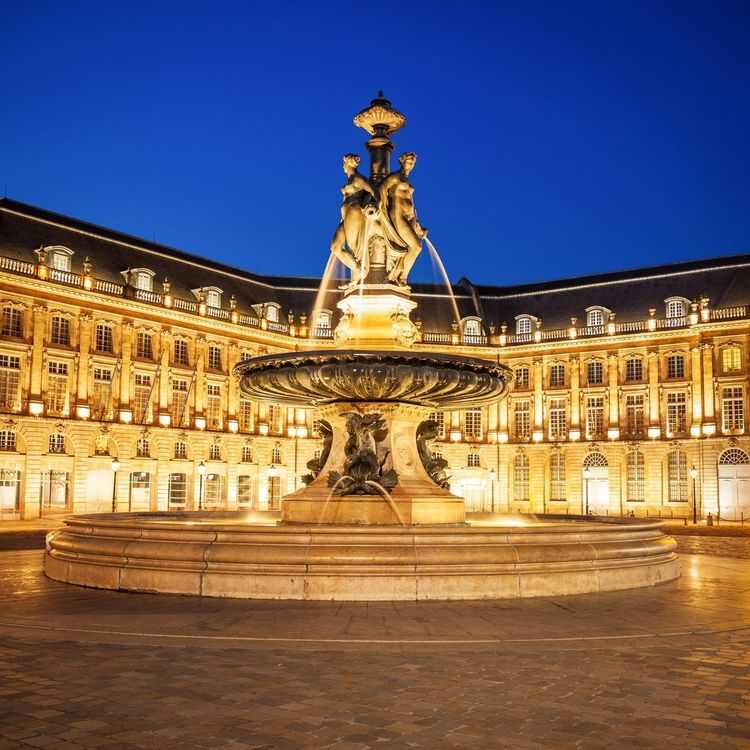
Start at the place de la Bourse, built between 1730 and 1775 under the royal intendant to open the city onto the Garonne. Its classical façade in Bordeaux's pale golden stone, stretching 192 metres, has become the city's most reproduced postcard image. Look up at the central mascaron — a sculpted woman's face that gave its name to the Fontaine des Trois Grâces standing in the middle of the square. These mascarons, grimacing faces carved above 18th-century windows, number in the thousands across the centre and make for a free treasure hunt to keep children entertained.
Right in front, the miroir d'eau turns the square into a perfect mirror image of itself. Inaugurated in 2006, this 3,450 m² water feature alternates between a thin film of water that perfectly reflects the façade and waves of mist that envelop passers-by roughly every twenty minutes. It is free, accessible at any hour, and will likely be the first photo you take on arrival.
Come early in the morning if you want the mirror to yourself: from 10am onwards the square fills up quickly, especially in summer when children literally bathe in it. The basin is drained and cleaned for part of the winter, so do not count on a perfect reflection between December and March. The contrast between the strict 18th-century architecture of the square and this contemporary installation sums up the spirit of Bordeaux today — a heritage city unafraid to shake up its own codes.
Cathédrale Saint-André, Tour Pey-Berland, and Grosse Cloche
Head next to the cathédrale Saint-André, whose construction stretched from the 11th to the 15th century. This is where Eleanor of Aquitaine married the future King Louis VII in 1137, a union that placed the region under English influence for three centuries. Entry is free, and the Royal Portal on the north side retains 13th-century sculptures in far better condition than the western façade.
Alongside it, the tour Pey-Berland rises 66 metres above the square. Its roughly 230 steps lead to a 360-degree panorama over the city's rooftops, the pont de pierre, and on a clear day the first vineyards of the Médoc. Allow around €6 for entry, free for under-18s, and expect it to be warm: the spiral staircase heats up quickly in summer and is not recommended for those with claustrophobia.
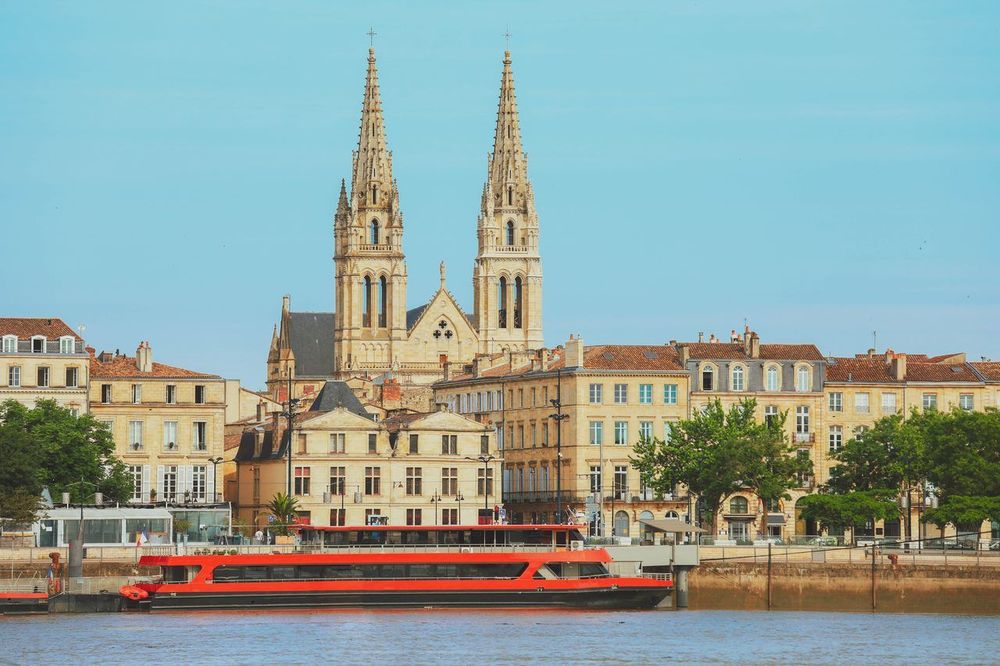
Heading back down towards the Saint-Pierre neighbourhood, the Grosse Cloche marks the old medieval gateway into the city. This belfry, with its two towers topped by pepper-pot roofs, once served as a prison and a fire or invasion alarm. Its bell now rings only six times a year on commemoration days, and the building opens for visits on occasional dates organised by the city.
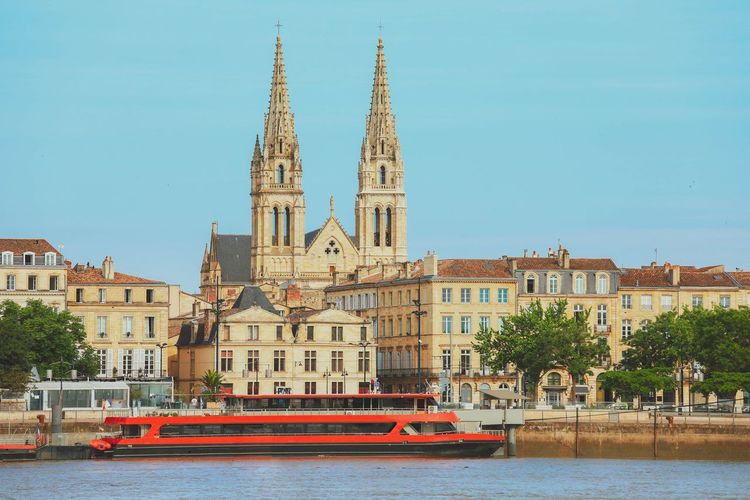
Five minutes away, the basilique Saint-Michel and its freestanding spire of over 110 metres dominate one of the liveliest and most working-class neighbourhoods in the centre. The square hosts a permanent flea market where antique dealers rub shoulders with Portuguese cafés and North African grocers — this is everyday Bordeaux, a world away from the polished quayside façades, and a good spot for a quick, affordable lunch.
Grand-Théâtre, Porte Cailhau, and a Stroll Along the Quays to the Jardin Public
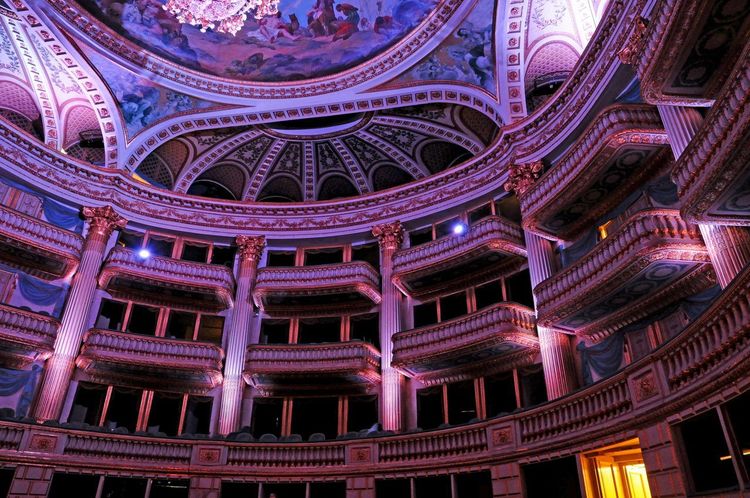
Head next to the place de la Comédie to admire the Grand-Théâtre de Bordeaux, inaugurated in 1780 to the designs of architect Victor Louis. Its twelve Corinthian columns support a balustrade adorned with statues of muses and goddesses, and its grand staircase served as the model for that of the Opéra Garnier in Paris a century later. Guided tours of the Italian-style auditorium are offered by the tourist office when the programme allows, for around ten euros — book the day before, as places go quickly.
Continuing towards the Garonne, the porte Cailhau surprises with its almost feudal silhouette, turrets and pointed roof included. Built at the end of the 15th century to celebrate a military victory by Charles VIII in Italy, it once marked the main entry point for goods arriving by river. Its three floors can be visited from April to October for a modest fee, and the upper-floor windows frame the pont de pierre perfectly.
Just downstream, the pont de pierre has lined its red-brick arches between the two banks since the 1820s. The first bridge ever built across the Garonne in Bordeaux — for a long time the only one — it is now reserved for trams, cyclists, and pedestrians. Crossing it on foot in the late afternoon, when the raking light catches the left-bank façades, remains one of the most photogenic moments of the day.
It is then time to walk along the quays of Bordeaux, redeveloped since the 2000s into several kilometres of continuous riverside promenade. You can reach on foot or by bike the place des Quinconces, often cited as the largest square in Europe at 12 hectares, where the Girondins column and its bronze fountains stand. A detail that printed guides often miss: the bronze seahorses were dismantled and hidden during the Occupation to prevent them from being melted down, then reinstalled in the 1980s.
End the day at the Jardin public (Rue du Jardin Public, 33000 Bordeaux, rated 4.6/5 on Google from 14,602 reviews), an English-style park laid out in the 18th century and redesigned a century later, with its free botanical garden, its natural history museum, and its shaded paths — ideal for unwinding before dinner. If you have followed this loop with the Ryo audio guide in your ears, you will have covered the essentials of the listed centre without ever unfolding a map.
Day 1 Evening: Nightlife and Where to Go Out in Bordeaux
Bordeaux transforms after 7pm. The nightlife is concentrated around three distinct areas, each with its own atmosphere, and all reachable on foot or by tram from the centre.
The Saint-Pierre neighbourhood and rue du Parlement gather most of the natural wine bars, where a glass from a small producer often costs less than €6. The quays take on a riverbank party feel as soon as the weather is fine, with several rooftop venues offering sweeping views over the Garonne and the illuminated pont de pierre.
For a more relaxed evening, the Chartrons neighbourhood offers quieter cocktail bars, often set up in former converted wine warehouses. Our selection of the best rooftops in Bordeaux lists venues with a view according to which neighbourhood you are staying in.
True night owls tend to head to quai de Paludate, behind gare Saint-Jean, where clubs stay open until the small hours, and to the Bassins à flot in the north, around the cultural barges moored opposite the old warehouses. Two practical tips: the tram runs late at weekends but stops well before the clubs close, so plan to walk back or take a ride-hailing service. And if you are travelling on a tight budget, most bars in the centre offer happy hour between 6pm and 8pm, and the Garonne-side terraces remain free to enjoy even without ordering.
Day 2 in Bordeaux: Cité du Vin, Chartrons, and the Alternative Right Bank
The second day is organised around three geographically close hubs, all reachable by tram lines B or C from the centre. The suggested order follows the river: the northern quays in the morning, the Chartrons at midday, the right bank in the late afternoon.
The Cité du Vin, World Capital of Wine
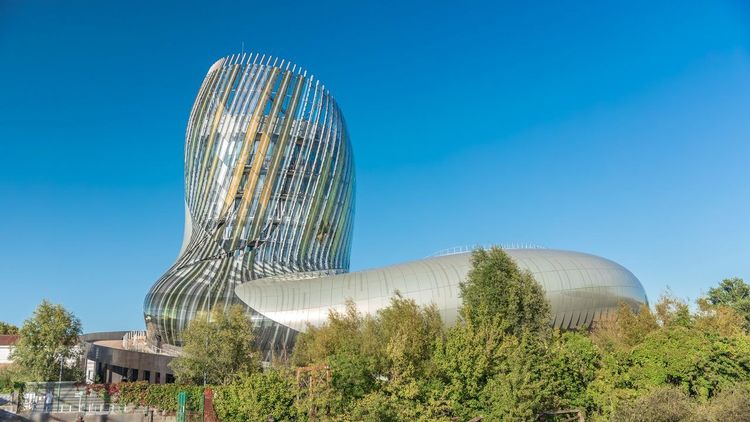
Start at the Cité du Vin, which opened in 2016 on the Bacalan quays. This 55-metre-tall building, whose silhouette evokes wine swirling in a glass, traces the history of viticulture across the world over several millennia through a series of immersive trails — not just Bordeaux's story.
The ticket, around €22, includes a panoramic top floor with a tasting of one glass of wine chosen from around twenty appellations from across the world. Allow 2h30 to 3 hours for the full visit, not counting the belvedere where you will linger happily with a glass in hand. Book a time slot online: entry is by timed session and summer Saturdays sell out several days in advance. Our dedicated article on the Cité du Vin details opening hours by season and tips for avoiding queues.
The Chartrons Neighbourhood: Antique Dealers, Cafés, and an Open-Air Market
Ten minutes' walk along the quays, the Chartrons neighbourhood shifts to an entirely different register. Once the stronghold of English, Irish, and Dutch wine merchants who settled there from the 17th century onwards, it now has the highest concentration of antique dealers and art galleries in the city, particularly along rue Notre-Dame.
On Sunday mornings, the Chartrons market stretches along the quay with its producers' stalls, oyster stands, and neighbourhood-gathering atmosphere. On Saturdays, it is the independent cafés and delicatessens that draw the locals, far from the tourist bustle of the historic centre. You can easily spend an hour browsing the shop windows without spending a cent, making it a welcome break between two paid visits.
To continue the wine thread without paying another €20 ticket, the small Musée du Vin et du Négoce, set in 18th-century vaulted cellars on rue Borie, tells the commercial history of the port and can be visited in an hour, tasting included. It makes an interesting counterpoint to the Cité du Vin: less spectacular, but far more rooted in local history.
Darwin Écosystème and the Right Bank: the Committed Alternative
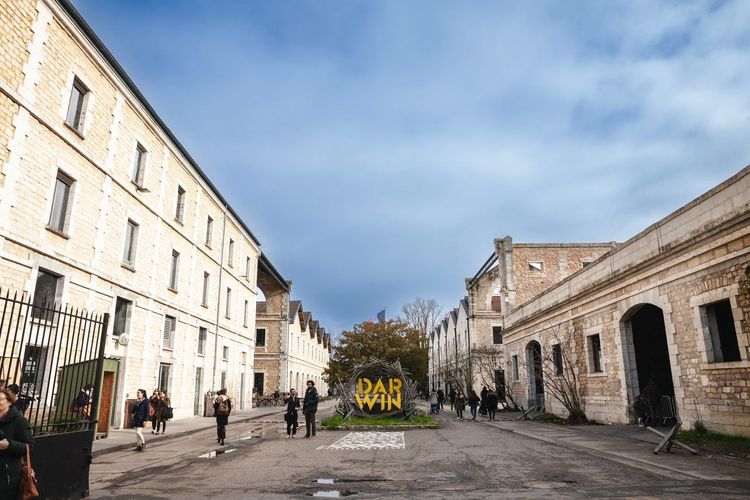
Cross the pont de pierre or the pont Jacques-Chaban-Delmas to reach Darwin Écosystème (87 Quai des Queyries, 33100 Bordeaux, rated 4.4/5 on Google from 9,496 reviews), which has occupied a former military barracks on the right bank since 2009. The site blends organic restaurants, a giant skate park, an urban farm, a cooperative grocery, and offices for purpose-driven companies across several hectares of rehabilitated military buildings — a fairly unique architectural and ecological venture in France.
Entry is free and the atmosphere is resolutely different from the rest of the city: street art everywhere, food trucks, a shared vegetable garden, an organic market at weekends. It is also the ideal starting point for exploring the right bank, long overlooked by tourism but in full transformation over the past decade, with its quiet streets, riverside guinguettes, and views across to the historic centre on the opposite bank. The parc aux Angéliques, a long green corridor along the riverbank, extends the walk northward to the pont Chaban-Delmas, whose deck rises between its four pylons to let cruise ships pass. Our article on the Darwin Écosystème lists the best dining options on site.
Day 3 in Bordeaux: A Day Trip into the Bordeaux Vineyards
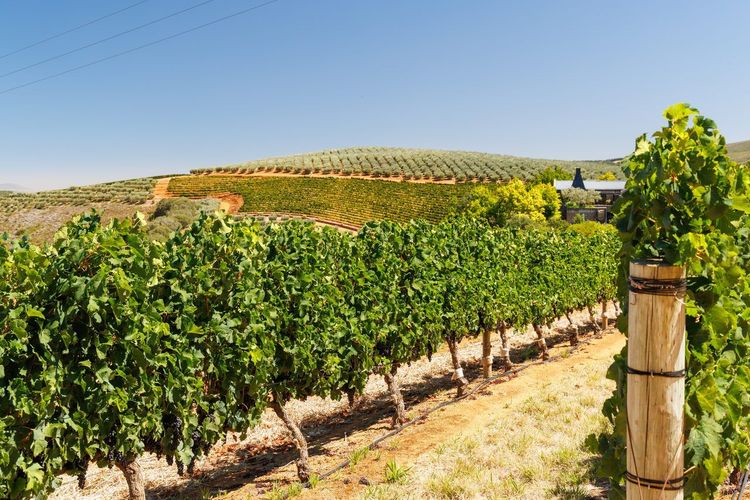
The third day leaves the city centre to explore the Bordeaux wine region, which spreads across more than 100,000 hectares around the city. Three wine routes compete for your attention depending on the time available, and a fourth, more river-based option is worth knowing about.
Saint-Émilion, a Vineyard Listed as a UNESCO World Heritage Site
About forty minutes by road or train from gare Saint-Jean, Saint-Émilion remains the most requested day trip. This medieval village perched on its limestone plateau has been a UNESCO World Heritage Site since 1999 — a rare recognition for an entire viticultural landscape rather than a single monument.
The monolithic church, carved directly out of the limestone rock, can only be visited with a tourist office guide — about an hour for around ten euros. The cobbled lanes lead to dozens of tasting houses where you can sample grands crus classés without necessarily booking in advance, unlike the most prestigious estates in the Médoc. Allow half a day if you stay in the village, a full day if you add a property with a guided tasting.
The detail that makes all the difference if you have no car: Saint-Émilion's train station is about two kilometres from the village — uphill — and is served by only a few trains a day. Check return times before you leave, or you may end up in a taxi.
The Médoc and Graves-Sauternes Wine Routes
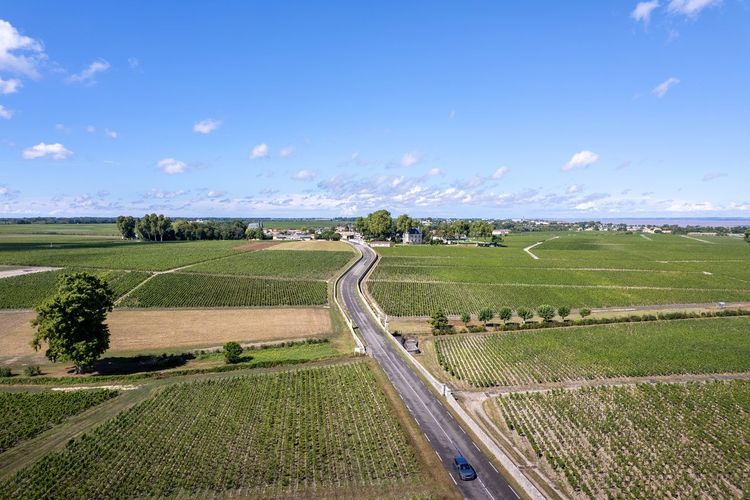
If you prefer the great emblematic estates, the Médoc wine route runs along the left bank of the Gironde for around 80 kilometres, between Margaux and Pauillac. This is where the majority of the 1855 classified growths are concentrated, with several estates opening their doors by appointment only. Visits here are more formal than in Saint-Émilion, often pricier too, but the contemporary cellar architecture alone is worth the trip.
South of the city, the Graves and Sauternes wine route offers a completely different profile: dry red wines on the Graves side, prestigious sweet wines on the Sauternes side, renowned for their late-harvest grapes affected by noble rot. Allow around 45 minutes by road from the centre to reach Sauternes, and bear in mind that sweet wine tastings are best done late morning, before the palate becomes saturated.
Both routes are harder to access without a car. If you do not have one, several organised excursions departing from Bordeaux combine two or three estates in half a day, with transport and tastings included, starting at around €60 to €90 per person depending on the season.
The Entre-Deux-Mers Wine Route
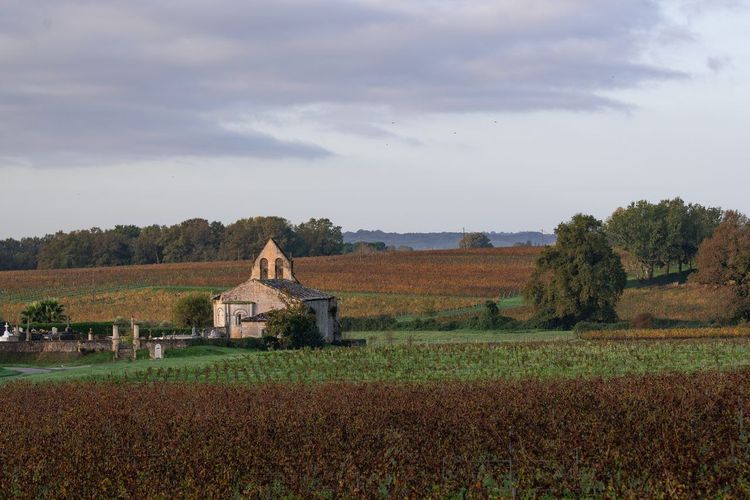
Less well known but often preferred by regulars, the Entre-Deux-Mers wine route (Créon, 33670 Gironde, rated 4.3/5 on Google from 1K reviews) winds between the Garonne and the Dordogne through a rolling landscape of medieval bastide towns, abbeys, and mills. It produces mainly dry white wines at prices significantly more accessible than left-bank appellations, and lends itself well to cycling thanks to greenways laid out on former railway lines.
If you are short on time to choose, these three routes work as interchangeable rather than complementary options: half a day is enough to sample the essentials of just one, whereas you would need at least three days to seriously explore the whole vineyard area. For more detail, our selection of the 15 must-do excursions around Bordeaux compares organised tours by duration and budget.
Alternatives to the Vineyards for a Third Day
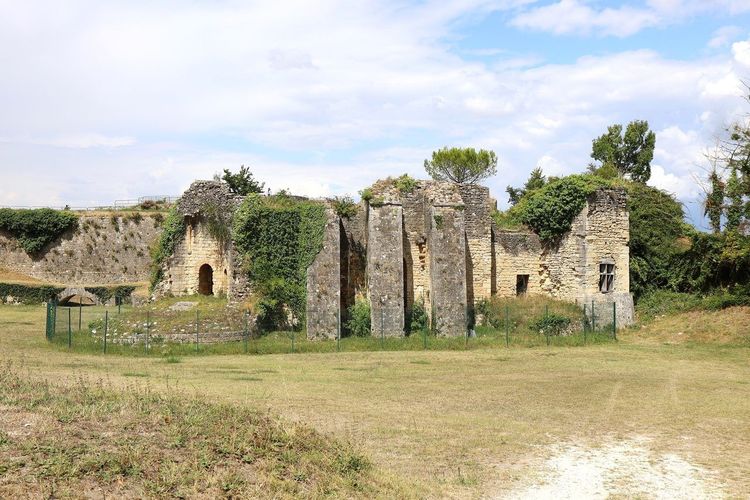
Wine is not everyone's thing, and that is perfectly fine. Two alternatives work very well for a full day. Towards the estuary, the citadelle de Blaye, built by Vauban and inscribed as a UNESCO World Heritage Site as part of the Vauban fortifications network, can be reached in an hour by road or by boat from the quays when the seasonal ferry is running; our guide on what to do in Blaye covers the visit in detail. Towards the ocean, the Bassin d'Arcachon and the dune du Pilat are accessible in an hour by train from gare Saint-Jean, making them the easiest car-free escape, as our selection of the most beautiful beaches near Bordeaux shows.
What to Do in Bordeaux with Kids: Museums, Parks, and Family Activities
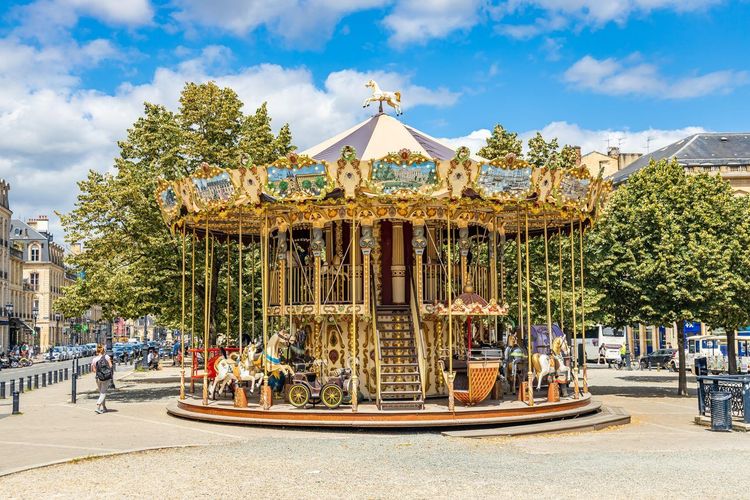
The city lends itself well to a family stay, as long as you alternate interactive museums with outdoor breaks. Distances are short, parks are plentiful, and most municipal museums are free for under-18s.
Bordeaux Museums and Fun Activities for Children
Cap Sciences, housed in Hangar 20 on the quays, offers interactive exhibitions on science and technology that appeal to children from age 6 upwards. Allow a good morning to go around without rushing.
Right next door, the Musée Mer Marine tells the history of seafaring through giant scale models, historic instruments, and immersive spaces dedicated to great explorations. The natural history museum in the Jardin public goes for the approach of skeletons and taxidermied animals, with a section specially designed for under-6s. The miroir d'eau, already mentioned on Day 1, also remains a reliable free option for letting children cool off at the end of the day.
Parks and Gardens: Essential Nature Breaks
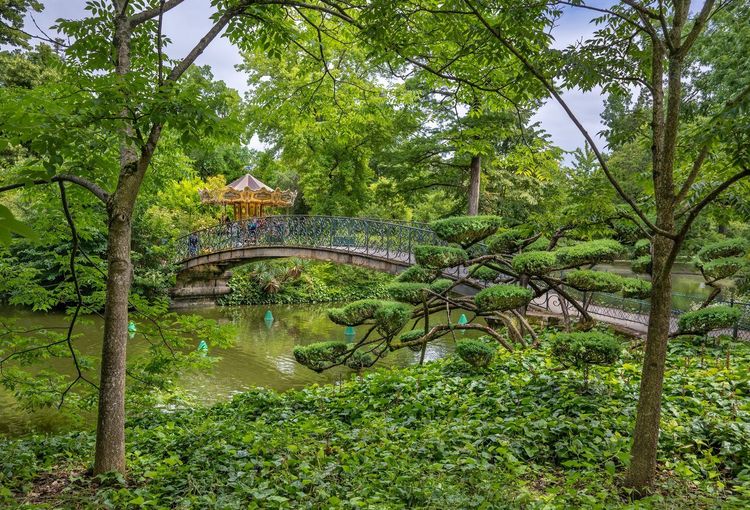
The Parc Bordelais (Rue du Bocage, 33200 Bordeaux, rated 4.5/5 on Google from 6,593 reviews), around thirty hectares in the residential Caudéran neighbourhood, has a small free petting farm, vintage merry-go-rounds, and a large shaded play area. This is where Bordeaux families spend their Sundays, well away from the tourist crowds of the centre.
On the other bank, the jardin botanique de la Bastide surprises with its contemporary approach: crop fields, recreated natural habitats, and educational greenhouses, all freely accessible, with an open view onto the historic centre. And if your family itinerary leans towards free activities, our article on free things to do in Bordeaux lists around twenty child-friendly options, from the Jardin public to the marché des Capucins.
Bordeaux off the Beaten Track: Unusual Experiences and Alternative Visits
Beyond the classic circuit, a few addresses truly stand out for those who have already done the rounds of the monuments.
The Bassins des Lumières (Impasse Brown de Colstoun, 33300 Bordeaux, rated 4.7/5 on Google from 19,263 reviews), set inside a former German submarine base with concrete walls several metres thick, project immersive digital exhibitions of works by the great masters, from Klimt to Van Gogh. The scale of the space — with its water basins reflecting the projections on the floor — produces an effect that few cities in Europe can match. Allow around €15 for entry and a good hour to visit, longer if you sit down and let the full cycle run through.
For a quieter interlude, Iris & Willy Spa offers treatments and a relaxation space built around wine and local grape varieties — an original way to round off a day of walking. For something more active, Ivazio Island Bordeaux sets up a floating obstacle course on the water, a popular summer activity for groups of friends and families with teenagers. These experiences can be booked online, often a few days in advance during high season.
Two further ideas round out the list: a guided sunset cruise on the Garonne — the only angle from which you truly grasp the crescent shape of the Port de la Lune — and an unusual overnight stay in the surroundings, whether a treehouse or a transparent bubble, as detailed in our guide to a quirky weekend in Aquitaine.
Where to Eat in Bordeaux: Top Restaurants and Local Specialities
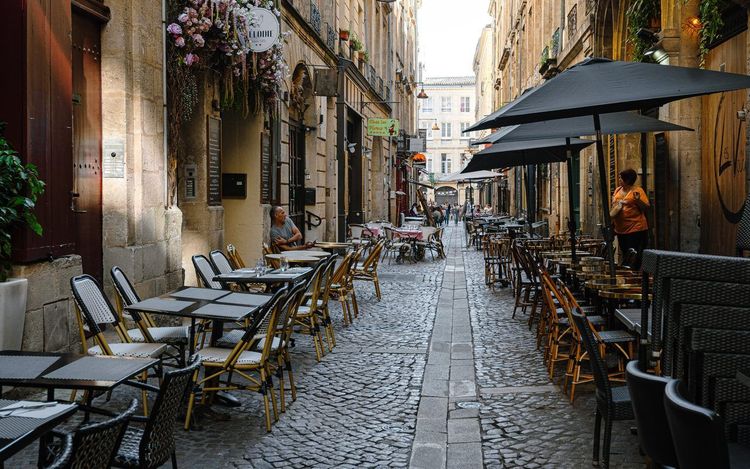
Bordeaux's gastronomic scene has changed a great deal over the past ten years, driven by a new generation of chefs shaking up traditional South-West cuisine.
Restaurants and World Cuisine Worth Trying
The marché des Capucins, open Tuesday to Sunday morning, remains the best starting point for tasting local produce: oysters from the Bassin d'Arcachon, Gironde cheeses, Basque charcuterie. Many stalls let you eat on the spot — an affordable option for an authentic lunch. The Bordeaux ritual is to have half a dozen oysters with a glass of dry white wine around 11am on a Sunday, standing at the counter.
Among the local specialities, entrecôte à la bordelaise — grilled over vine cuttings and topped with a red wine and bone marrow sauce — appears on most traditional menus, as does lamprey à la bordelaise, an estuary fish dish braised in wine that you either love or hate. Expect to pay €20 to €30 for a main course at a good traditional restaurant in the centre, half that in the bistros of the Saint-Michel neighbourhood.
On the international food scene, the Saint-Michel neighbourhood and the streets perpendicular to Sainte-Catherine offer a fine variety of world cuisines, from Japanese izakayas to Lebanese restaurants, along with several well-rated Asian street-food spots. This diversity often surprises visitors who associate the city only with classic French gastronomy. You will find the full address list, neighbourhood by neighbourhood, in our article on the culinary specialities of Bordeaux.
Where to Find the Best Canelés in Bordeaux
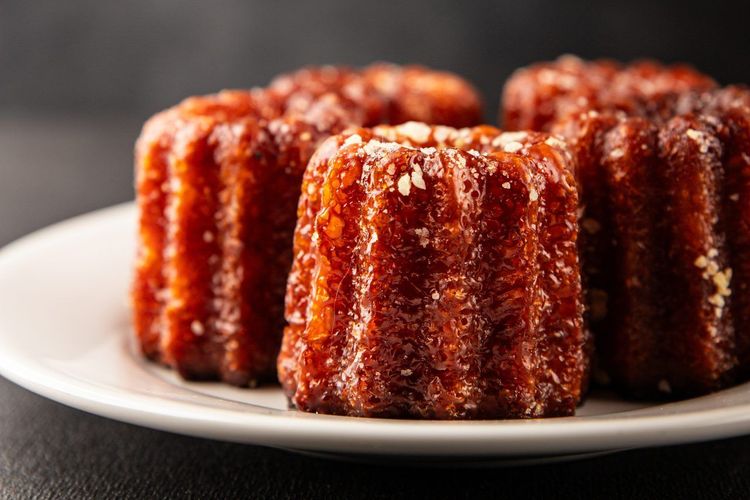
The canelé, a small pastry with a caramelised crust and a soft rum-and-vanilla centre, remains the city's most iconic speciality. Maison Baillardran (Galerie des Grands Hommes, 33000 Bordeaux, rated 3.6/5 on Google from 67 reviews), with its shop in the Galerie des Grands Hommes, has become the most visible showcase for the pastry, but several neighbourhood bakeries offer versions just as convincing at lower prices — often around €1 each in the classic size.
Avoid buying canelés on the morning of your departure: they are best eaten on the day they are made, preferably warm, and quickly lose their caramelised texture after 24 hours. For an afternoon sweet break, the tearooms in the centre offer a calmer alternative to the packed terraces on the quays, as shown in our overview of the tearooms and literary cafés in Bordeaux. Back near the river, the Ryo audio-guided tour is a relaxed way to walk off dessert along the quays.
Where to Stay in Bordeaux: Neighbourhoods and Hotels for Every Budget
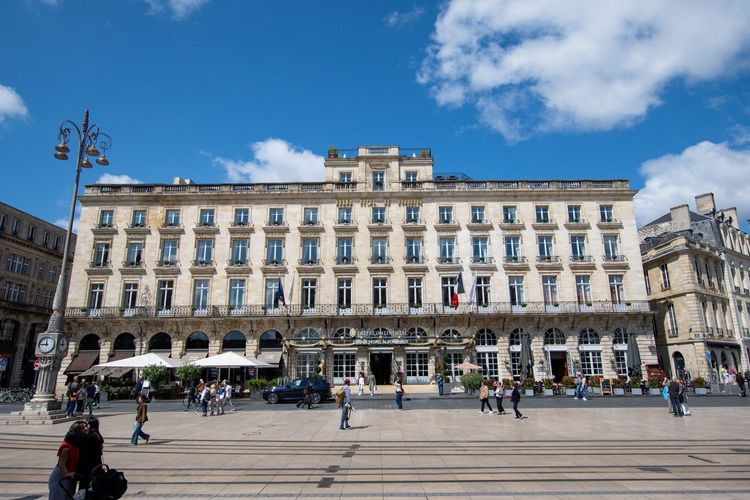
The choice of neighbourhood shapes the quality of your stay far more than the hotel category. Over three days, sleeping within twenty minutes' walk of the miroir d'eau will save you a considerable amount of time.
The Best Neighbourhoods to Stay in Based on Your Travel Style
The Saint-Pierre neighbourhood, right in the historic centre, is perfect for a first stay: everything is walkable, between monuments, restaurants, and wine bars. It is also the liveliest in the evenings, so avoid it if you need absolute quiet or are travelling with young children.
The Chartrons appeal to travellers looking for a more local atmosphere, with their independent cafés and galleries, fifteen minutes' walk from the centre. Mériadeck, further out and less charming architecturally, offers noticeably lower hotel rates for families or business travellers. The Bastide, on the right bank, is the right compromise for those arriving by car: easier parking, a direct tram link, and views of the classical façades from the quays. For a couple looking for a central base, the Ryo audio guide lets you scout the points of interest around each neighbourhood before booking.
Budget Hotels and 5-Star Hotels
At the luxury end, the InterContinental Bordeaux - Le Grand Hôtel, set in an 18th-century building opposite the Grand-Théâtre, remains the city's historic benchmark, with its rooftop terrace open to the public in season. Several newer five-star properties have opened near the quays and the Bassins à flot, with direct views over the Garonne, and rates there rarely start below €300 a night in high season.
For tighter budgets, expect to pay between €70 and €100 a night for a decent two- or three-star hotel in the Saint-Michel neighbourhood or near gare Saint-Jean, where prices remain significantly lower than in the historic centre while still offering direct tram access. Youth hostel dorm beds in the centre start at around €30, and furnished rentals become good value from four people upwards. One useful reflex: if your stay falls during a major trade fair or a match weekend at the stadium, book at least six weeks ahead — prices can easily double.
Getting Around Bordeaux: Transport and the City Pass

Bordeaux is very largely explored on foot or by tram, with no need for a car during the first two days. The network has four tram lines crossing in the centre, supplemented by buses, bike-share schemes, and river shuttles that cross the Garonne for the price of a standard ticket.
Getting to the City Centre from Gare Saint-Jean and Mérignac Airport
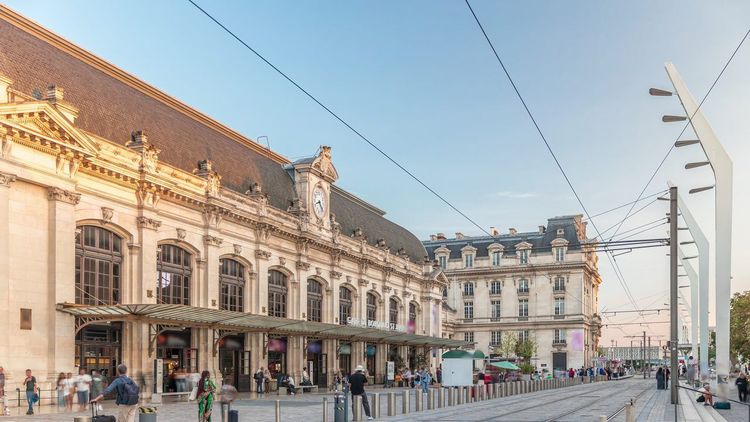
From gare Saint-Jean, allow around 12 minutes on tram line C to reach the historic centre, for a ticket costing under €2. This is also the station served by direct TGV trains from Paris in just over 2 hours since the opening of the high-speed line. On foot, it takes a good half hour to walk to the place de la Bourse along the quays — a pleasant journey if you are travelling light.
From Bordeaux-Mérignac airport (Avenue Marcel Dassault, 33700 Mérignac, rated 3.2/5 on Google from 20,463 reviews), the simplest option is the urban bus network, which reaches the city centre in around 45 minutes for the price of a standard ticket, with a possible tram connection at Mérignac. A taxi generally costs between €30 and €45 for the same journey — worth considering if you arrive late at night or are travelling in a group.
For getting around thereafter, a single ticket costs around €1.80 and is valid for an hour with connections, while a day ticket at around €5 pays for itself from three journeys onward. The municipal bike-share scheme and the river shuttles complement the network well, particularly for reaching the right bank without crossing the pont de pierre.
The Bordeaux City Pass: What It Includes and Whether It Is Worth It
The Bordeaux City Pass combines access to several monuments and museums, a guided tour of the historic centre, and unlimited use of public transport, for around €30 over 24 hours and around €40 over 48 hours, with a 72-hour option for full three-day stays. It becomes worthwhile as soon as you plan to visit three or more paid attractions over the chosen duration, transport included.
If your itinerary focuses mainly on free walking — the miroir d'eau, the quays, the squares — with just one paid visit such as the Cité du Vin, the maths is less favourable: in that case, it is better to pay for entries separately and cover transport with a simple book of tram tickets. Also check the list of included sites at the time of purchase, as it changes from season to season.
Shopping, Events, and Tips in Bordeaux
Rue Sainte-Catherine, around 1.2 kilometres long, claims the title of longest pedestrian shopping street in Europe, lined with major chains and small independent boutiques alike. It is the city's busiest thoroughfare, best tackled in the morning if you dislike crowds.
For a more distinctly Bordeaux shopping experience, head up to the Triangle d'or, bounded by the cours de l'Intendance, the allées de Tourny, and the cours Clemenceau: this is where the luxury houses, the 19th-century covered arcades, and the windows of the great wine merchants are concentrated. The Chartrons remain the hunting ground for antique lovers, and rue Bouffard, near the musée des Arts décoratifs, lines up interior design shops and independent makers.
If your stay coincides with the right dates, several events are worth going out of your way for: Bordeaux Fête le Vin, held every two years in June on the quays, turns the city into a vast open-air tasting, alternating with Bordeaux Fête le Fleuve, its maritime counterpart featuring tall ships. The Christmas market takes over the allées de Tourny from late November to late December, while Les Épicuriales sets up pop-up tables and open-air kitchens on the allées in spring. Our calendar of events in Bordeaux is updated throughout the seasons.
When to Go and How Much to Budget for Three Days
The oceanic climate of the Gironde makes year-round visits possible, but not all seasons are equal depending on what you are looking for.
The Best Time to Visit Based on Your Plans
From May to June and from September to early October, the city offers the best balance: mild temperatures, open terraces, manageable crowds. September has an added bonus — the harvest season, when the wine estates come alive and some open their doors for special visits. July and August are hot, sometimes muggy, and the locals head to the coast: queues grow at the Cité du Vin and the Bassins des Lumières, but the quays come alive every evening. Winter stays mild and damp; it is the season for museums, wine bars, and the lowest hotel rates, with the December Christmas market as a highlight.
How Much Does a Three-Day Stay Cost?
For two people, excluding travel costs to get there, a three-day stay comes to roughly €350–€450 on a budget plan, with a two-star hotel and mostly free visits. The mid-range bracket, around €600–€800, allows a well-located three-star hotel, two or three paid entries, one organised wine excursion, and restaurant dinners. Beyond that, everything depends on the level of the restaurant and the wine estate chosen — a single grand cru classé visit can absorb a full day's budget on its own. The main costs to watch are accommodation, which fluctuates sharply around major events, and vineyard excursions, rarely under €60 per person.
FAQ
How many days do you need to visit Bordeaux?
Three days allow you to cover the historic city centre, a trip into the vineyards, and a glimpse of the alternative right bank. It is the most recommended length for a first stay that balances heritage, wine, and relaxation. If you have 4 or 5 days, add a second wine route or a day trip to the Bassin d'Arcachon to vary the experience without rushing the pace.
Is 2 days in Bordeaux enough?
Yes, by focusing the first day on the UNESCO-listed historic centre and the second on a single wine excursion — ideally Saint-Émilion, which is accessible in half a day. You will need to skip alternative neighbourhoods such as Darwin Écosystème or a second wine route.
How do you explore Bordeaux on foot?
The historic centre can be covered entirely on foot, from the miroir d'eau to the cathédrale Saint-André via the Grand-Théâtre, within a perimeter of about 3 kilometres. Wear comfortable shoes — the cobblestones of the Saint-Pierre neighbourhood tire feet quickly — and alternate with the tram for trips to the Bassins à flot or the right bank.
What is the best neighbourhood to stay in Bordeaux?
Saint-Pierre suits a first stay focused on monuments; the Chartrons offer a more local, less touristy atmosphere; Mériadeck works for tight budgets with good tram access; and la Bastide suits drivers who want to avoid the parking difficulties of the city centre.
How do you get from the train station or airport to central Bordeaux?
From gare Saint-Jean, tram line C takes about 12 minutes. From Mérignac airport, the urban bus network reaches the centre in around 45 minutes for the price of a standard ticket, or a taxi in 20 to 30 minutes depending on traffic.
Is the Bordeaux City Pass worth it?
It becomes worthwhile from three paid visits over the chosen duration, transport included. For a stay focused on walking and free sites, it is better to pay for entries separately.
What should you see in Bordeaux in 1 day if time is short?
Prioritise the place de la Bourse and the miroir d'eau in the morning, the cathédrale Saint-André and the Grand-Théâtre late morning, then a stroll along the quays to the Cité du Vin in the late afternoon.
Bordeaux in 3 Days: Key Takeaways
The city resists easy categorisation: it is at once a heritage destination locked in its pale golden stone and an open-air vineyard that begins literally at its gates. Three days are enough to grasp this dual identity, as long as you accept choosing between wine routes rather than trying to tick them all. Day one sets the scene, day two tells the story of wine and a city reinventing itself, day three heads out into the vines or down to the estuary.
If you prefer to explore at your own pace with audio commentary rather than a printed guide, the Ryo audio-guided tour of Bordeaux covers the essentials of the historic centre across 30 audio tracks spread over 2h30 of walking and 6.1 kilometres. Enough to turn the first day of this itinerary into a guided walk — headphones on, from the place de la Bourse to the Jardin public — and then keep Ryo in your pocket for the two days that follow.
À lire également