© Shutterstock
 Votre guide Ryo
Visiting Lille in 3 Days: The Complete Itinerary for 2026
It's raining in Lille on a Thursday in April, yet the Grand-Place overflows with packed terraces. That's the first lesson of the Flemish capital: here, the weather matters less than the appetite for outdoor living. Visiting Lille in 3 days allows you to understand this city that is at once Flemish and French, industrial and playful, without rushing needlessly or drowning in a schedule crammed into just two days. In 72 hours, you have time to climb to the top of the belfry of the Hôtel de Ville, get lost in the cobbled lanes of Vieux-Lille, bite into a waffle at Meert in the shop where the young Charles de Gaulle used to come with his family, and head to Croix to see an Art Deco villa designed by Mallet-Stevens.
This guide details a day-by-day itinerary, designed equally for a long spring weekend and for a school-holiday week, with real travel times between each location, a costed budget and two alternative excursions for those with a little more time on their hands. You'll also find museum closing days, slots to book in advance and the neighbourhoods where you can sleep without blowing your budget. To extend the experience once you're there, the Ryo audio-guided tour of Lille tells the story of each neighbourhood as you pass through it, without ever needing to pull out a paper guide at every street corner.
How Many Days Do You Need to Visit Lille?
Lille can be discovered at several speeds, and the number of days completely changes the experience. A single day amounts to ticking off three or four landmarks in the historic centre: the Grand-Place, the belfry, a stroll through Vieux-Lille, with no breathing room between stops. It's workable as a layover between trains, but frustrating as a genuine way to discover the city.
Two days allow you to add a museum and the Citadelle, but force you to sacrifice either the Wazemmes market or an excursion to Roubaix or Lens. It's the most common format for hurried visitors, often recommended for a simple classic weekend, and it's also the one that leaves the most regrets when the time comes to board the train home.
With 3 days, the pace changes in nature: you can take in the Flemish heritage of the centre, a green afternoon at the Citadelle, the Sunday market at Wazemmes and a trip outside the city walls, all without chasing after the schedule. That's the duration this article details below, day by day, so you can truly feel the city rather than race through it.
For the curious who have 4 days or more, a dedicated section further down suggests extending the stay towards Wambrechies and Tourcoing, two options that most guides dispatch in a single line yet which deserve much more.
The plan for the three days can be summed up in one sentence: historic centre and Vieux-Lille on day one, museums in the morning then the Citadelle and the banks of the Deûle in the afternoon on day two, Wazemmes market and an excursion of your choice on day three. Each day starts on foot from the Grand-Place, which considerably simplifies logistics if you're staying in the centre.
Day 1: the Grand-Place and the Flemish Historic Heart
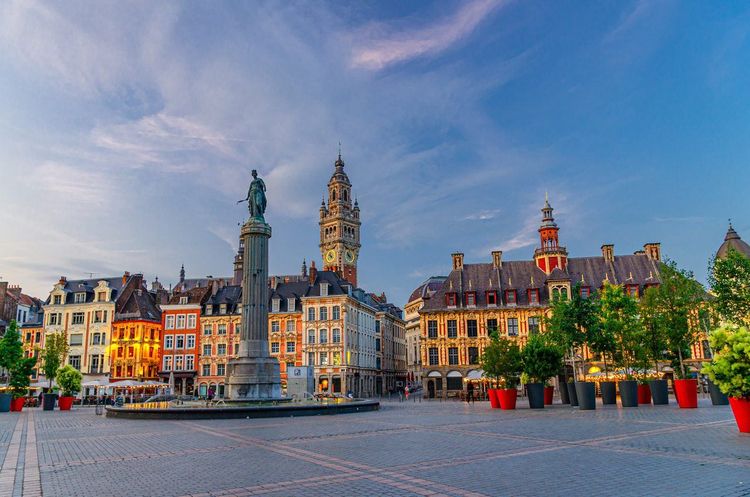
The best starting point for a three-day stay in Lille remains the Grand-Place, officially known as place du Général-de-Gaulle. Everything radiates from here: the shopping streets, the brasseries, and a row of Flemish façades that sets the tone for the rest of the visit. Allow a full morning for this first area, split between monuments worth craning your neck for and small shops to discover along the way.
Grand-Place, Vieille Bourse and the Opéra de Lille
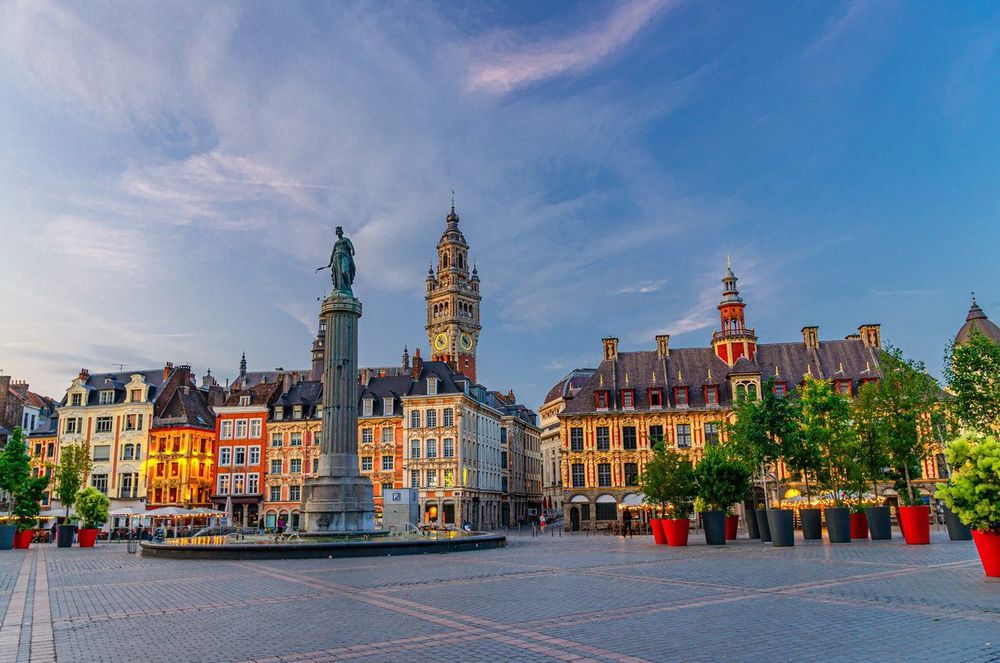
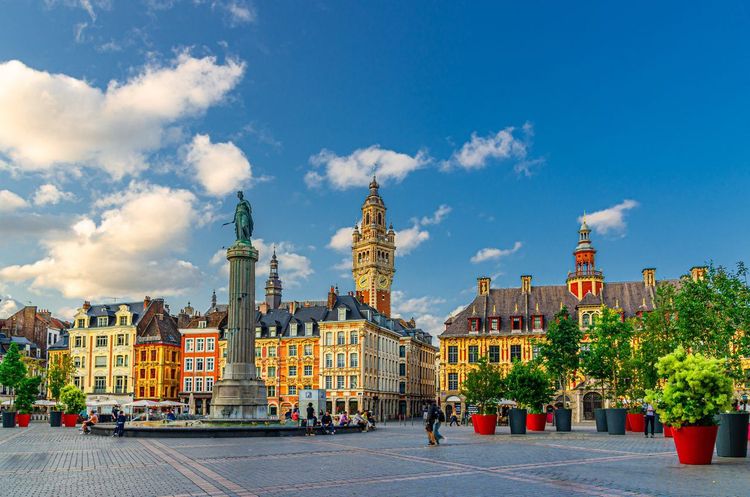
The Grand-Place is flanked on one side by the Vieille Bourse and on the other by tall Flemish gabled houses, including the Voix du Nord, the former headquarters of the regional newspaper crowned by three gilded goddesses. At its centre, the Goddess Column commemorates the Austrian siege of 1792, which the city repelled: the statue holds a fuse in her hand, a reference to Lille's cannoneers. In the morning, the terraces open early and the square fills up gradually, especially at weekends when the Lillois themselves come to stroll.
Right next door, the Vieille Bourse impresses with its 24 identical houses arranged in a square around an inner courtyard. Built in the mid-17th century for Lille's merchants, it now houses a second-hand book market and chess players who have made themselves permanently at home — a scene that has barely changed in decades. You can walk freely through the courtyard even without buying anything, generally from late morning to late afternoon Tuesday through Sunday. It's also one of the few places in the centre where you're more likely to hear Flemish and Picard than French, especially among the booksellers.
A short distance away, the Opéra de Lille asserts its neoclassical façade, designed by Louis-Marie Cordonnier and completed in 1913, but inaugurated only in 1923: the First World War and the German occupation of the city delayed its opening by ten years. If you're not attending a performance during your stay, the façade alone is worth a photograph, especially at the end of the day when raking light catches the columns and the sculpted pediment.
Belfry of the Hôtel de Ville and Palais Rihour
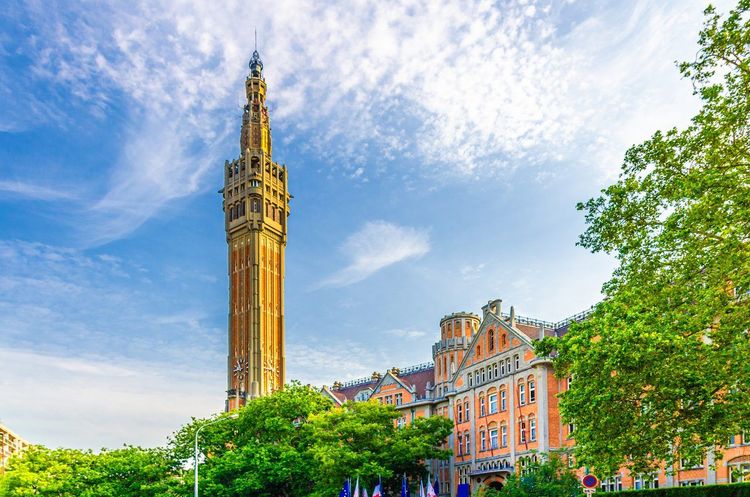
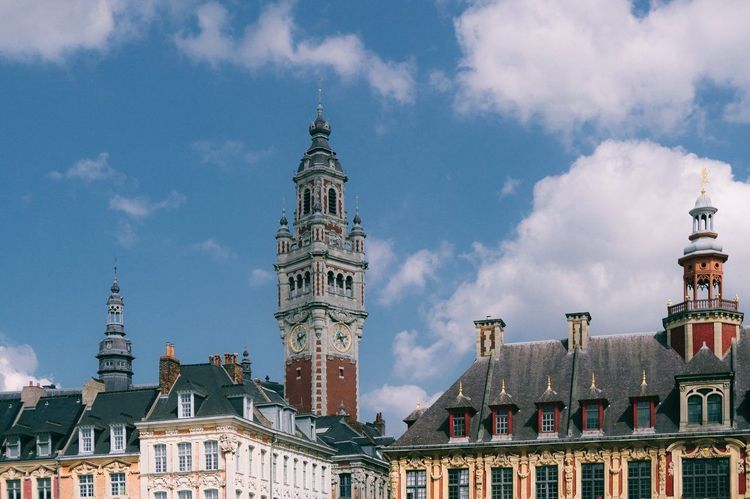
Head next to the belfry of the Hôtel de Ville, Lille's tallest tower at 104 metres, listed as a UNESCO World Heritage Site as part of the belfries of Belgium and France. The ascent is made by lift to the upper landing, then on foot for the final steps, rewarding you with a panorama that stretches, on a clear day, all the way to the hills of Flanders and sometimes as far as the Belgian border. At the base, two monumental statues of the giants Lydéric and Phinaert flank the entrance: the city's founding legend, sculpted at street level.
Book your time slot online if you're visiting on a spring or summer weekend: access is limited to a set number of simultaneous visitors and tickets sell out quickly in high season. Expect to pay around ten euros for an adult, with reduced rates for young people and free entry for the youngest children. The queue at the foot of the tower can reach thirty to forty minutes on a sunny Sunday without a reservation.
On the way back towards the centre, the Palais Rihour deserves a stop. This Flamboyant Gothic remnant from the 15th century, once the residence of the Dukes of Burgundy, survived the 1916 fire that gutted part of the building. It now houses Lille's tourist office — handy for picking up a map, buying a City Pass or asking a last-minute question before tackling the rest of the programme. Head upstairs to take a look at the Salle des Gardes and its stained-glass windows, an area often overlooked by visitors who leave with their brochure without once looking up.
Place du Théâtre and Cathédrale Notre-Dame de la Treille
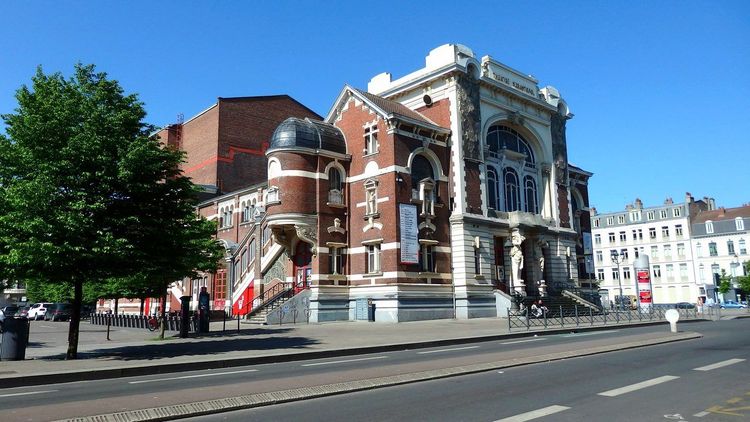
The place du Théâtre, adjacent to the Grand-Place, closes this morning loop. It brings together the Opéra already seen, the Chamber of Commerce with its neo-Flemish belfry topped by a golden lion, and serves as a natural passage point between the shopping centre and Vieux-Lille. The Chamber of Commerce carillon chimes at regular intervals: pause for a moment — it's the kind of detail you only notice when you look up from the map.
Heading north a few hundred metres, the cathédrale Notre-Dame de la Treille (Place Gilleson, 59000 Lille, rated 4.4/5 on Google with 7,128 reviews) surprises with its contemporary translucent marble façade, completed only in 1999 after nearly a century and a half of intermittent construction begun in 1854. The contrast between the neo-Gothic architecture of the nave and this modern wall of light is worth the detour in itself, particularly in late morning when sunlight filters through the marble panels and casts an amber glow on the interior stonework. Entry is free, and the cathedral remains one of the rare landmarks in the centre that requires neither a ticket nor a reservation.
You're now ready for a lunch break, just a short walk from Vieux-Lille where the afternoon programme begins.
Day 1, Evening: Vieux-Lille, Estaminets and Rue de Gand
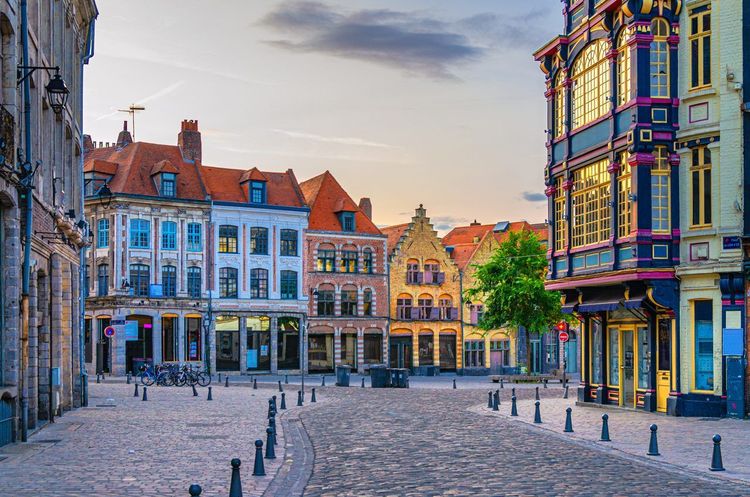
The afternoon and evening shift into a more leisurely register. Here, the programme matters less than the pace: a few streets, a pastry shop, a dinner that lingers.
Wandering the Cobbled Lanes of Vieux-Lille
Vieux-Lille begins literally at the cathedral's doorstep. Its cobbled lanes, red-brick façades and sculpted doorways make up the most photogenic neighbourhood in the city, without ever tipping into the frozen scenery of some over-restored historic centres. Take time to walk up rue de la Monnaie, the former goldsmiths' street, lined with independent shops and old merchants' houses, some of which still bear their construction date carved in stone.
On this same street, the hospice Comtesse occupies a former hospital founded in the 13th century by Countess Jeanne de Flandre. Its sick ward, its fully tiled Flemish kitchen and its medicinal herb garden can be visited for a modest fee, and the place remains surprisingly quiet even in high season. It's one of the best shortcuts to understanding what Lille looked like before the French annexation of 1667.
On rue Princesse, a discreet plaque marks the birthplace of Charles de Gaulle, where the future general was born on 22 November 1890. The house-museum can be visited and traces, through personal objects and photographs, the Lille childhood of a figure the city proudly claims as its own. Allow three quarters of an hour on site, a little more if the temporary exhibitions keep you.
Dinner at a Traditional Estaminet and a Waffle at Meert
In the mid-afternoon, head to Meert, a Lille institution on rue Esquermoise since the 18th century. Its speciality, the Madagascar vanilla-filled waffle, can be enjoyed on the spot or taken away in a decorated metal tin. The young Charles de Gaulle, whose family lived just a few streets away, was already a regular customer. The interior decor — wood panelling and period display cabinets — is as worth seeing as the pastry itself: step inside even if you don't plan to buy anything.
For dinner, opt for an estaminet rather than a conventional restaurant. These traditional Flemish taverns, often decorated with old toys and flea-market finds, serve generous food: carbonnade flamande slow-cooked in beer, welsh smothered in melted cheddar, or potjevleesch, a cold terrine of several meats in aspic. Three addresses are more than enough for a three-day stay — no need to try them all in one evening. One tip: book for Friday and Saturday evenings; the best estaminets in Vieux-Lille fill up by 7:30 pm at weekends.
Rue de Gand: the Evening Atmosphere
Once dinner is over, make your way up to rue de Gand. This former northern entrance road to Vieux-Lille has become the neighbourhood's most lively evening artery, with its wine bars, heated winter terraces and an atmosphere that is noticeably less touristy than the Grand-Place. This is where many Lillois themselves spend their weekday evenings. At the end of the street, the Porte de Gand, a remnant of the 17th-century Spanish fortifications, marks the city's former boundary.
To explore the neighbourhood further beyond this first evening, our Ryo article on the Vieux-Lille neighbourhood details other addresses and anecdotes that the format of this guide doesn't allow us to develop fully. The Ryo audio-guided tour of Lille also runs from the Grand Place to the Hospice Comtesse, another way to extend the walk after dark.
Day 2: Museums and Art in Lille
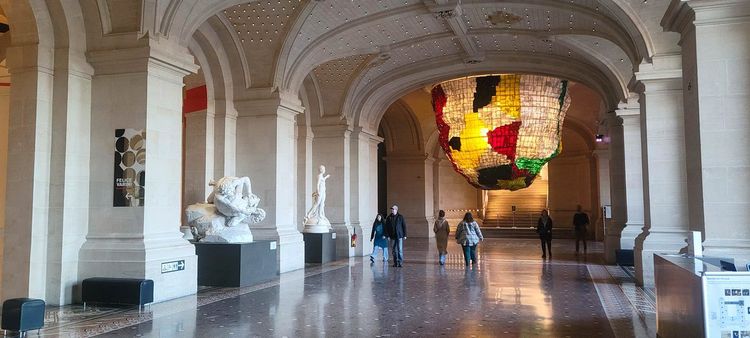
The second day shifts into a more contemplative pace. The morning is devoted to museums, the afternoon to the open air. This contrast works well after a first day spent walking between landmarks. Watch out for closing days: most Lille museums close on Tuesdays, which may mean swapping days 2 and 3 around.
Palais des Beaux-Arts, Place de la République
The Palais des Beaux-Arts of Lille is often described as the second largest general museum in France after the Louvre — a fact few visitors anticipate before walking in. Its rooms bring together paintings by Rubens, Goya, Monet and Delacroix, as well as a ceramics collection and a rare ensemble of relief maps of fortified towns in northern France and present-day Belgium, military scale models made in Vauban's era and displayed in the basement in theatrical half-light.
The surrounding place de la République (59000 Lille) is also worth a look, with its central fountain and the 19th-century administrative buildings that frame it. Allow at least two hours for the museum if you don't want to rush from room to room, longer if the relief maps captivate you. The République Beaux-Arts metro station serves the entrance directly, and the museum offers free admission for under-18s as well as on the first Sunday of each month.
LaM and the Natural History Museum, for a Longer Visit
For modern art enthusiasts, the LaM, Lille Métropole musée d'Art moderne, d'Art contemporain et d'Art brut, is worth the journey. One important note: it is not located in central Lille but in Villeneuve-d'Ascq, about thirty minutes away by metro line 1 to Pont de Bois and then by bus. Its collections include works by Modigliani, Picasso, Braque and Miró, and above all one of the largest public collections of outsider art in Europe, stemming from the donation made by the association L'Aracine in the late 1990s. The sculpture park surrounding the building can be explored freely, which is a good reason to go on a fine day.
If you'd rather stay in the centre, the Natural History Museum of Lille (19 Rue de Bruxelles, 59000 Lille, rated 4.4/5 on Google with 4,198 reviews), located on rue de Bruxelles, offers large animal skeletons, an old-fashioned zoology gallery and collections of geology and industrial ethnography. It's a quicker option — two hours is enough — and perfectly suited if the day's programme is already full or if you're travelling with children.
Day 2, Afternoon: the Citadelle and the Banks of the Deûle
The Citadelle de Lille and the Jardin Vauban
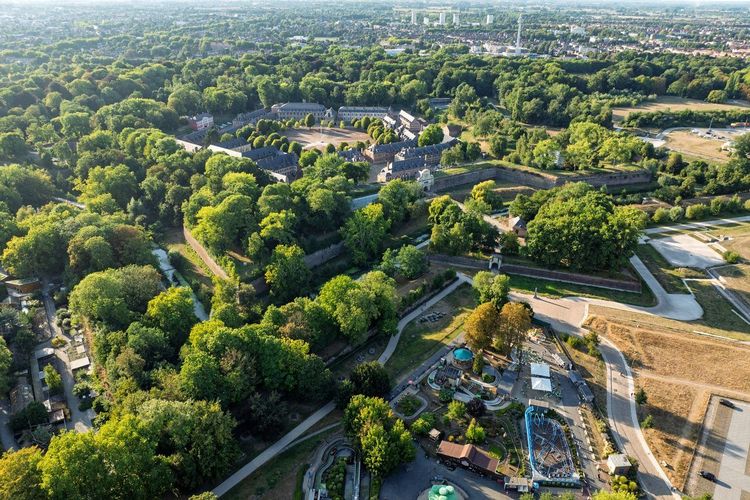
After a morning of museums, the Citadelle de Lille provides the air and space that were missing. This five-bastion star fortress, built by Vauban from 1667 onwards just after the city's attachment to France, remains an active military zone and can only be visited inside during guided tours organised by the tourist office. The Citadelle park surrounding it, however — its woodland, its running paths and its zoo — can be explored freely year-round. Allow at least two hours for a leisurely stroll along the shaded avenues.
Right next door, the jardin Vauban, an English-style park from the 19th century designed by Jean-Pierre Barillet-Deschamps, pleasantly completes the visit with its rolling lawns, artificial grotto and century-old trees. It's a good spot for a picnic when the weather allows, and one of the few corners of Lille where you hear more birdsong than traffic.
To go deeper into this stop, the Ryo guide to visiting the Citadelle park details the zoo's entry conditions and the best paths to take depending on the season.
Quai du Wault: a Waterside Walk
Leaving the park, make your way to the quai du Wault, a former basin connected to the Deûle and now flanked by converted buildings. It's a quieter part of the city, just five minutes' walk from the Grand-Place yet noticeably more peaceful, where the water completely changes the scale of the urban landscape.
Guinguette de la Marine, the Péniche Archimède and the Pont Napoléon
Along the riverbanks, several unusual spots follow one another. The Guinguette de la Marine, a terrace set right at the water's edge, serves drinks and sharing platters from the first warm days onwards, in a deliberately laid-back atmosphere. Opening hours follow the season more than the calendar: in the depths of winter, it's worth checking before crossing the city.
A few metres further on, the péniche Archimède, a former barge converted into a floating restaurant, offers a different view of the canal, particularly pleasant at sunset.
Continuing the walk, the pont Napoléon (59000 Lille, rated 4.5/5 on Google with 856 reviews) spans the Deûle and offers an open view over both banks. This is where the second day naturally draws to a close, before heading back to the centre for dinner: allow around twenty minutes on foot to return to the Grand-Place.
Day 3: Wazemmes Market and a Trip Beyond the City Walls
Wazemmes Market, One of Europe's Largest Markets
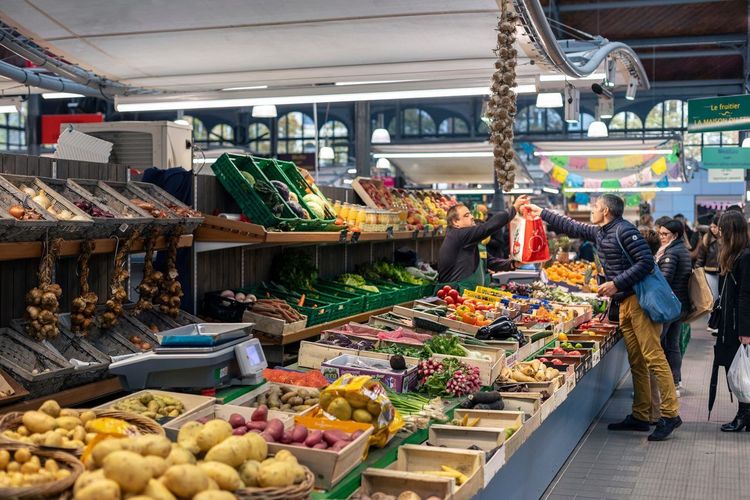
The third day starts early, ideally on a Sunday morning, at the Wazemmes market. Often cited as one of the largest markets in Europe, it spreads across the place de la Nouvelle Aventure and the surrounding streets with fresh produce stalls and a colourful, lively atmosphere that contrasts sharply with the hushed calm of Vieux-Lille. The outdoor market runs on Tuesday, Thursday and Sunday mornings, the last of these being by far the most vibrant; the covered indoor hall opens more widely throughout the week.
Bring cash, as not all stalls accept cards, and arrive before 11 am if you want to move around without shuffling at a snail's pace. The surrounding neighbourhood, cosmopolitan and working-class, is worth lingering in after the shopping: the Maison Folie de Wazemmes, a former spinning mill converted into a cultural venue, gives a good sense of the area.
Day Trip to Roubaix: Villa Cavrois and la Piscine
In the afternoon, two options await you, and it's better to pick one rather than trying to cram both into a few hours. The first: Roubaix and its neighbour Croix, about twenty minutes by metro from central Lille.
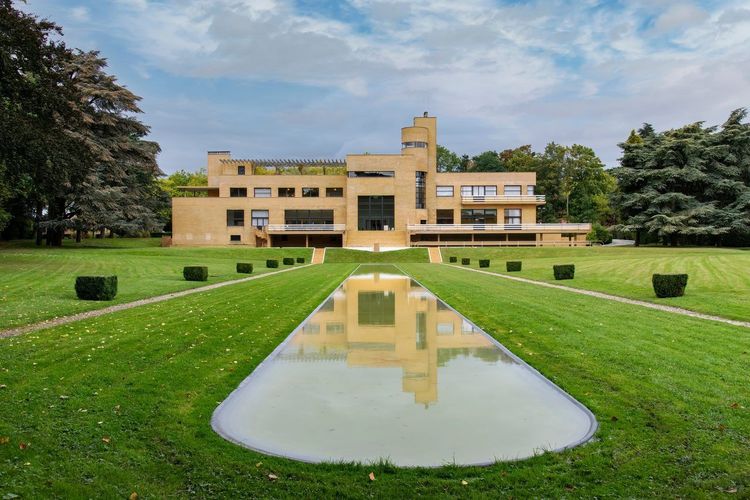
Here you can visit Villa Cavrois, a Modernist masterpiece designed by architect Robert Mallet-Stevens for textile industrialist Paul Cavrois and completed in 1932. It is located in Croix, a commune bordering Roubaix rather than in Roubaix itself: allow a quarter of an hour's walk from the metro. Restored to its original state after decades of abandonment and looting, it can be visited as a manifesto of 1930s architecture, all straight lines, bold volumes and noble materials. Tickets should be booked online, and afternoon slots sell out quickly at weekends.
A short walk from Roubaix's town centre, la Piscine, the André Diligent Museum of Art and Industry, occupies a 1930s Art Deco municipal swimming pool converted into a museum without erasing its central pool or its original stained glass. The sculptures lined up alongside the water and the reflection of the rising-sun stained-glass window make it one of the most photographed museums in northern France. The venue also houses a textile collection that recalls the city's industrial history.
Head to Louvre-Lens for Art Lovers
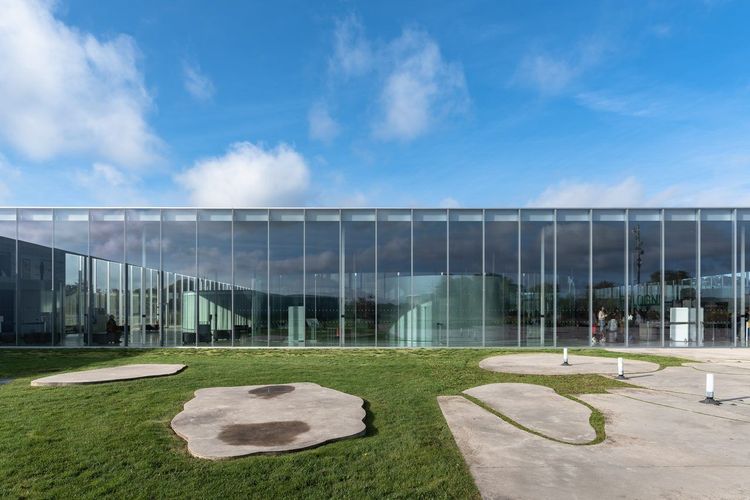
The second option, for more demanding art lovers or those who have already seen Roubaix on a previous stay, is the Louvre-Lens museum (99 Rue Paul Bert, 62300 Lens, rated 4.5/5 on Google with 11,644 reviews), about forty minutes by train from Lille-Flandres. Its aluminium-clad building, designed by Japanese firm Sanaa, houses the Galerie du Temps, a selection of works from the Paris Louvre presented with free access and no mandatory booking outside of temporary exhibitions. The museum sits on a former pit head in the heart of the UNESCO-listed mining basin: the contrast between the neighbouring slag heap and the translucent architecture is part of the experience.
Roubaix or Lens — both are worth the detour but each requires a full half-day including travel time. To help you choose between the two, our Ryo selection of excursions around Lille compares travel times and the highlights of each destination, while the Ryo guide to the most beautiful villages around Lille offers further ideas for a potential fourth day.
One More Day? Wambrechies, Tourcoing and the Surrounding Area
If your stay extends beyond three days, two municipalities in the Lille metropolitan area are worth considering before venturing further into the Hauts-de-France. Wambrechies, a town on the banks of the Deûle about fifteen minutes from the centre, is home to a genever distillery that has been in operation since 1817, one of the oldest in France, which can be visited with a tasting included. The village itself, with its château, its marina and its landscaped riverbanks, makes a pleasant contrast with the urban energy of central Lille. You can even arrive by boat from Lille in the summer season — a far more memorable approach than taking the bus.
Tourcoing, about thirty minutes by metro, still bears the mark of its textile industrial past in its architecture. The MUba Eugène Leroy, the city's fine arts museum, and Le Fresnoy, the national studio for contemporary arts housed in a former leisure complex, make it a more off-the-beaten-track but genuinely worthwhile destination for those wanting to step beyond the most frequented routes. The Maison du Collectionneur, an Art Deco private mansion with its original furnishings, rounds off the half-day nicely.
Both stops fit easily into an extended stay without any complicated logistics, as they remain accessible by public transport from central Lille. To go further with this spirit of exploration, the Ryo article on the most beautiful villages in the Nord and the Ryo list of must-sees in the Hauts-de-France open up even more possibilities for stays of four days or more.
How to Get to Lille and Get Around on Foot
Getting to Lille by Train, Plane or Car
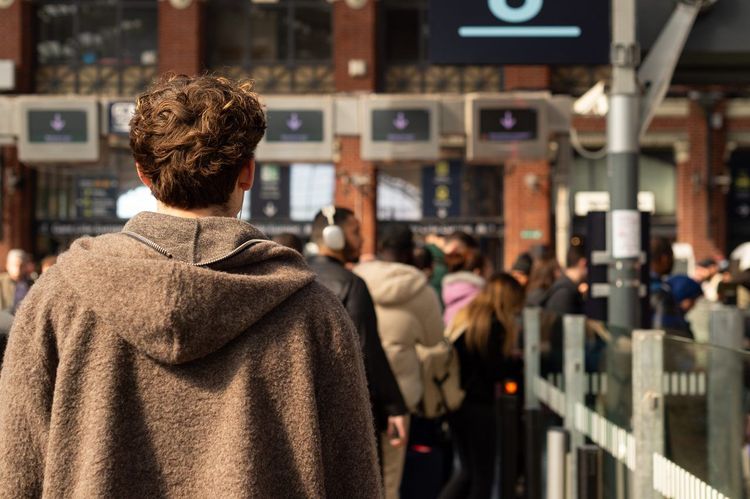
From Paris, the TGV connects to Lille-Flandres or Lille-Europe in just over an hour, with frequent departures throughout the day from Gare du Nord. From London, the Eurostar takes around an hour and a half, making Lille a popular city-break destination for British visitors over a weekend. Brussels is only about thirty minutes away by train, and the two Lille stations are just five minutes' walk from each other, simplifying connections. By car, the A1 motorway from Paris or the A22 from Belgium bring you directly to the centre, but parking is expensive and often scarce: opt for a park-and-ride on the outskirts connected to the metro rather than hunting for a space in the city centre.
By air, Lille-Lesquin airport, about fifteen minutes from the centre, is served by several low-cost carriers from various French and European cities, with a regular shuttle to Lille-Europe station.
Exploring Lille on Foot: a Compact and Accessible Centre
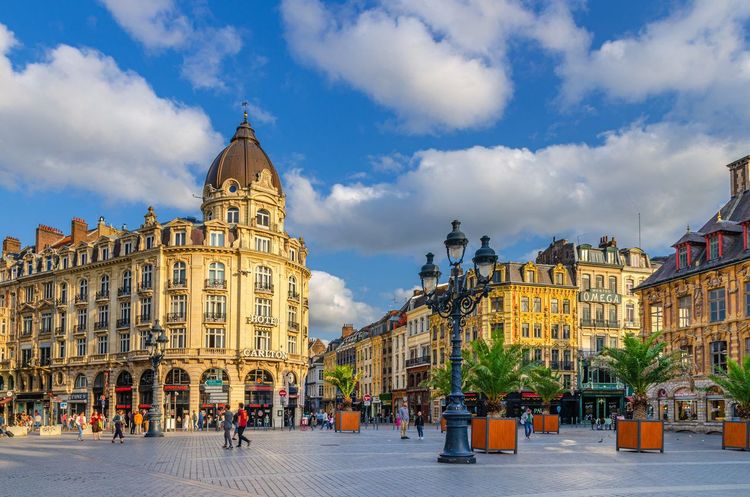
Getting around Lille presents no particular challenge: the historic centre is entirely walkable, with the Grand-Place, Vieux-Lille and the museum district all within twenty minutes' walk of each other. Over three days, you'll likely cover between 8 and 12 kilometres per day, cobblestones included.
Only excursions to Villeneuve-d'Ascq, Roubaix or Wambrechies require the metro. Lille's network comprises two fully automated lines, the first of which opened in 1983, supplemented by a heritage tram towards Roubaix and Tourcoing and a dense bus network. A single ticket costs less than two euros, and a day pass pays for itself after three journeys. The V'Lille bike-sharing scheme offers a practical alternative along the Deûle riverbanks, though it's considerably less pleasant on the cobblestones of Vieux-Lille.
A City Pass, available from the tourist office at the Palais Rihour, combines public transport and access to the metropolitan area's main museums: a quick calculation will tell you whether it's worth it based on the number of visits you're planning. For a three-day stay with two or three museums and a trip to Roubaix, it generally is.
Where to Stay in Lille: Recommended Neighbourhoods and Hotels
Staying Near the Grand-Place and the Train Stations
For a three-day stay focused on walking, lodging near the Grand-Place or between the Lille-Flandres and Lille-Europe stations remains the most practical choice. You minimise morning and evening journeys, and you're within walking distance of virtually all the places mentioned in the first two days of this guide. The station district concentrates mid-range hotel chains, often at gentler rates than Vieux-Lille for equivalent comfort.
If your budget is tight, look towards Wazemmes, Moulins or Saint-Sauveur: these residential neighbourhoods remain fifteen to twenty minutes' walk from the centre, or two metro stops away, at significantly lower prices. Lille's youth hostel, located in the centre, rounds out the options for solo travellers.
Upscale Hotels for a Relaxing Stay
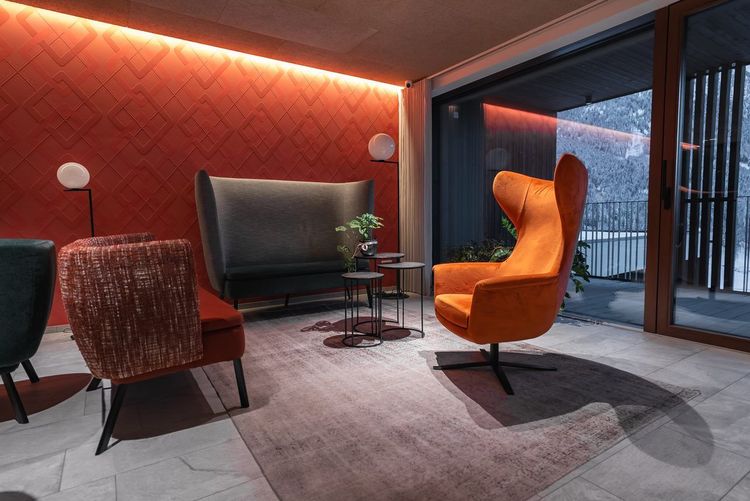
For a more indulgent stay, several upscale establishments occupy former private mansions or converted industrial buildings in Vieux-Lille, with integrated spas and gastronomic restaurants. These addresses cost more but offer a genuine contrast with the sometimes brisk pace of the first two days of sightseeing.
Book several weeks in advance if your stay falls during the Braderie de Lille in early September, a period when prices rise sharply and availability becomes scarce across the whole metropolitan area. The same applies to December weekends during the Christmas market.
Where to Eat in Lille: Estaminets, Welsh and Local Specialities
Beyond the estaminet dinner on the first evening, Lille's cuisine deserves attention throughout the whole stay. The welsh — a slice of white bread and ham smothered in beer-melted cheddar, served with chips and sometimes a fried egg on top — is probably the city's most iconic dish, born of a blend of British and Flemish influence. It is not a light meal: plan a long digestive walk afterwards.
The carbonnade flamande, a beef stew slow-cooked in dark beer and gingerbread, appears on almost every estaminet menu. Alongside it, moules-frites remain a simple and reliable choice for a quick lunch, while maroilles, a highly pungent soft cheese, is often found in tarts or sauces. On the drinks side, northern beer naturally accompanies the meal: regional breweries produce blondes, ambers and bières de garde that are hard to find elsewhere in France.
For a typically Lillois dessert without going back to Meert, look out for the merveilleux, a meringue coated in cream and chocolate shavings; filled waffles sold in bakeries in the centre; or artisan speculoos, spiced biscuits traditionally served alongside an afternoon coffee. On Sundays, the rotisserie stalls and deli counters at Wazemmes market are a very decent and wallet-friendly alternative to a restaurant. The Ryo guide to Lille's culinary specialities lists further dishes and addresses to deepen this gastronomic exploration over the three days.
When to Visit Lille and What Budget to Plan For
The Best Season for a Stay in Lille
Spring and summer offer the most pleasant conditions for walking several hours a day, with long days that allow you to extend your evening strolls and terraces open right down to the waterfront. May, June and September combine the best balance of weather and crowd levels.
In early September, the Braderie de Lille transforms the city into a vast flea market for one weekend and sends visitor numbers soaring: best reserved for those seeking that festive atmosphere rather than a quiet visit, as the museums and streets of the centre become difficult to navigate. In December, the Christmas market and the big Ferris wheel installed on place Rihour add a special atmosphere, despite cooler temperatures.
Autumn and winter are perfectly viable, provided you accept a wetter, more changeable climate — typical of northern France. These are actually the seasons when estaminets come into their own, with their warm interiors designed to shelter you from the rain. Accommodation rates are also at their lowest of the year, outside the festive period.
Estimated Budget for 3 Days
For a three-day stay, budget roughly 70 to 150 euros per night for central accommodation depending on the standard, 30 to 50 euros per day per person for meals at an estaminet, and around ten to fifteen euros per museum visited, with most offering reduced rates for under-26s and free entry for minors.
Adding local transport, a few museum admissions and a slightly more special dinner on the first evening, a budget of 250 to 400 euros per person excluding long-distance transport comfortably covers the whole stay. In an economy version, with accommodation on the outskirts and the many free sites in the centre, you can easily come in under 150 euros for three days.
Practical Tips for Planning Your Stay
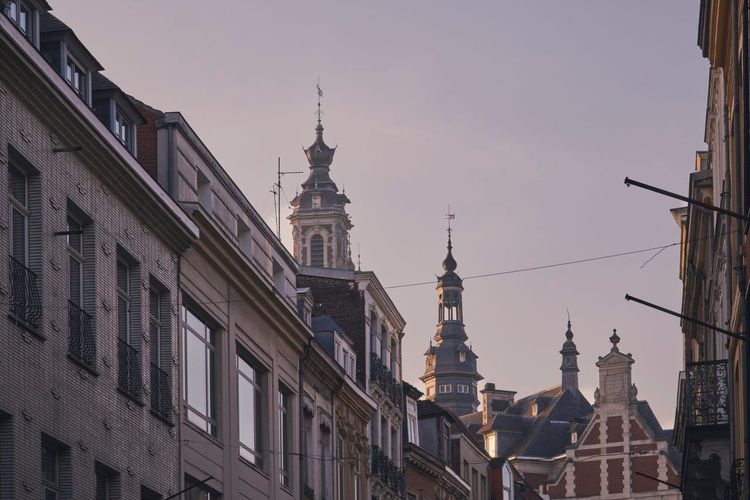
A few simple habits make a noticeable difference. Pack a light waterproof jacket even in summer — Lille's climate can change from one hour to the next. Book your tickets in advance for the belfry, Villa Cavrois and the Louvre-Lens museum, all of which limit simultaneous visitor numbers on certain busy days.
Check closing days before finalising your schedule: most Lille museums close on Tuesdays, and some only open in the early afternoon on Mondays. Wear comfortable shoes: the cobblestones of Vieux-Lille and the Grand-Place are beautiful to look at but considerably less pleasant to walk on in heels or thin soles.
Finally, leave some flexibility in your last-day schedule if you're heading to Roubaix or Lens, as train or metro connections can occasionally shift your planned timings slightly. And if you're travelling on a Sunday, remember that many shops in the centre remain closed, while the Wazemmes market is in full swing.
Before you leave, take a look at the Ryo audio-guided tour of Lille: its audio tours cover most of the neighbourhoods featured in this three-day itinerary — a great complement for those who like to walk with historical context in their ears rather than their nose buried in a paper map.
FAQ
Can You Visit Lille in Just 2 Days?
Yes, but only by accepting that you'll have to skip part of the itinerary. Two days are enough for the historic centre, Vieux-Lille and one museum; however, the Wazemmes market and excursions to Roubaix or Lens usually fall by the wayside for lack of time.
What to See in Lille in a Single Day if Time Is Limited?
Focus on the Grand-Place, the Vieille Bourse, the belfry of the Hôtel de Ville and a stroll through Vieux-Lille with a waffle from Meert. This essential core gives a faithful overview of the city even in just a few hours, and everything can be done on foot without taking the metro.
Is Lille an Easy City to Explore on Foot?
Yes, the centre is compact and most major sites are within twenty minutes' walk of each other. Only excursions to Villeneuve-d'Ascq, Roubaix or Wambrechies require the metro or tram.
What Budget Should You Plan for a 3-Day Weekend in Lille?
Between 250 and 400 euros per person, including accommodation, meals and a few museum admissions, not counting long-distance transport to reach the city. The budget rises noticeably during the September Braderie or the Christmas market, and drops below 150 euros in an economy version.
What Is the Best Time of Year to Discover Lille?
Spring and summer offer the most pleasant weather for long walks, with May, June and September leading the way. Autumn and winter also suit those who appreciate the cosy atmosphere of estaminets, provided they accept wetter conditions.
What to Do Around Lille if You Have More Time?
Roubaix and Croix, with Villa Cavrois and la Piscine, the Louvre-Lens museum, or Wambrechies and Tourcoing for a stay of four days or more. Each of these options is easily reached by train or metro from the city centre.
Three days in Lille are more than enough to understand what makes this city special: a dense Flemish heritage concentrated within a compact area, a neighbourhood life that spills out of the estaminets until late in the evening, and excursions less than an hour away that broaden your perspective on the whole region. Whether you choose to extend your trip towards Roubaix, Lens or the villages along the Deûle, the essentials come down to a simple triptych: walk, taste, and stop without guilt in front of yet another Flemish façade.
To prepare or complement your route on the ground, the Ryo audio-guided tour of Lille is a great way to follow the thread of local history from one neighbourhood to the next, without ever having to interrupt your walk to look something up.
À lire également