
Créé par Romane, le 4 oct. 2026
Votre guide Ryo
Vienne, France
The Holy City
Parcours audioguidé pour visiter Vienne en 1 jour
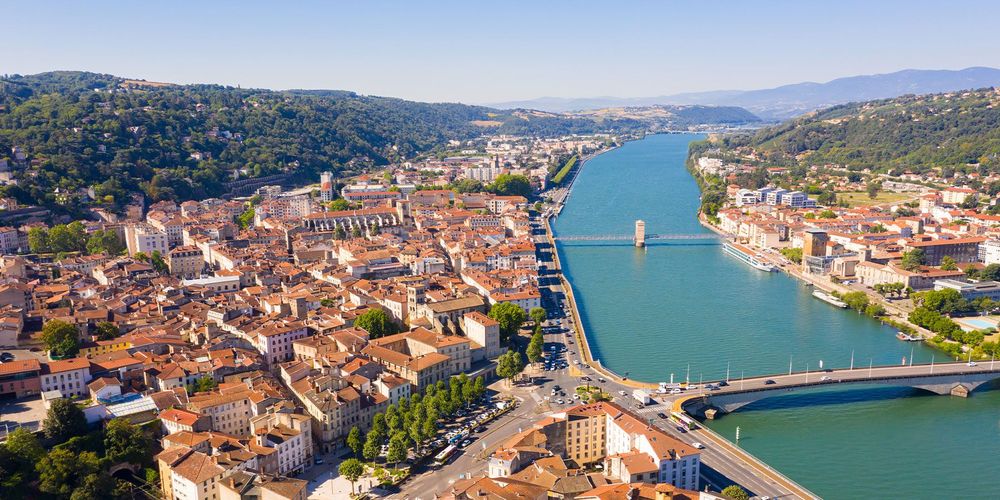
On the banks of the Rhône, Vienne reveals exceptional heritage inherited from its Gallo-Roman past. The town preserves remarkably well-preserved ancient monuments that stand alongside medieval buildings reflecting its religious importance. Today, it brings this heritage to life with a strong cultural energy, notably during its famous jazz festival.
Quand partir à Vienne ?
Jan.
5°
9
Feb.
7°
8
March
11°
9
April
14°
10
May
18°
11
June
22°
10
July
25°
8
Aug.
25°
8
Sept.
21°
9
Oct.
16°
10
Nov.
10°
10
Dec.
6°
9
The climate in Vienne is semi-continental with a southern influence, featuring cool winters, generally between 1 and 9°C, and hot summers, most often ranging from 26 to 33°C, with possible peaks during heatwaves; the best times to visit are typically from April to June and then from September to October, when temperatures are pleasant and conditions are ideal for enjoying the historic center and surrounding areas in a calmer atmosphere than at the height of summer.
Départ conseillé
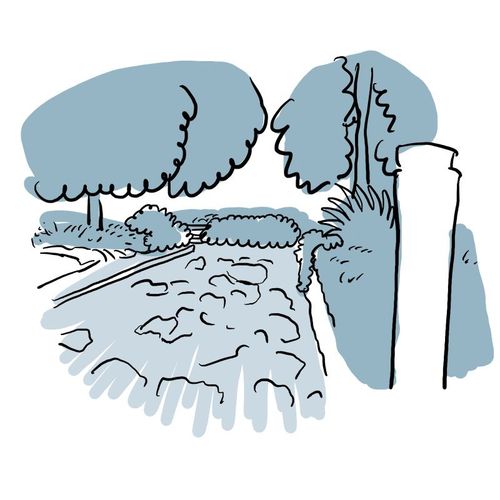
No need to worry about where to begin! Our tours are designed as a loop, so you can jump in wherever you are. The navigation system and audioguide will automatically adjust to your location. However, if you happen to be nearby, we do have a preferred starting point : Inside of the "Jardin du 8 mai 1945"
Parking à proximité
Place Viollis car park : on the Riondet dock
The car park we recommend is paid, but if you go a little further down the same street, you may find some free parking spaces along the road. If there are no spaces left, you'll have to park in the city centre. There are two zones: the red spaces are limited to 2 hours of parking, and the green spaces are limited to 8 hours. Remember to pay at a parking meter or with the Flowbird app.
À savoir
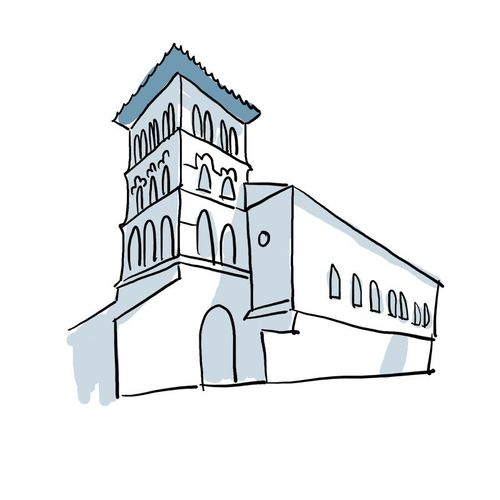
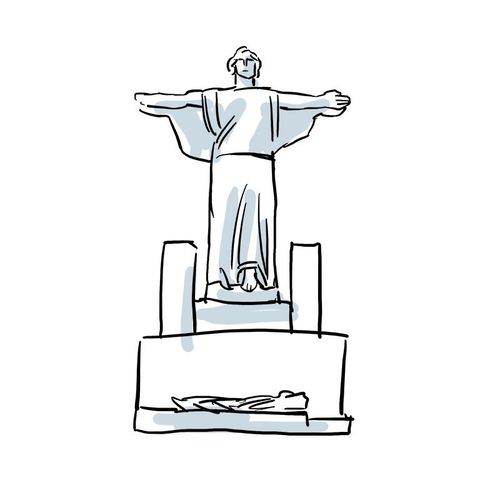
Our tour takes you to the Notre Dame de Pipet Chapel, which is on a hill overlooking Vienne. To reach the top, you'll have to walk up the hill, which only takes a few minutes. You can also drive up and park at the top of the hill. But be careful, the road is very narrow.
If you want to visit lots of the city's museums, you can buy a special pass for all the museums at a discounted price! Make sure to ask about it in the first museum you visit.
Découvrez 20 lieux d'intérêt pour visiter Vienne


Le plein d'inspirations
Explorez le monde en totale liberté, à pied au cœur des villes ou au fil des routes. Nos guides audios transforment chaque destination en une découverte culturelle immersive et unique.
FAQ for visiting Vienne
How many days do you need to visit Vienne?
To make the most of Vienne, ideally plan for two to three days. In a single day, you can walk through the historic centre and admire the main ancient monuments such as the Roman theatre and the Temple of Augustus and Livia. With two days, you'll have time to explore the Gallo-Roman heritage in greater depth, wander the medieval lanes and visit Saint-Maurice Cathedral. A third day will let you enjoy the museums, the surrounding area and perhaps attend a concert if you visit during the jazz festival. The Ryo audioguide offers just such an optimised route, taking you through the essentials of Vienne over a single day of walking, with commentary on the fascinating history of this former Roman city.
When is the best time to visit Vienne?
The best times to visit Vienne run from April to June and again from September to October. During these months, the temperatures are particularly pleasant for strolling through the historic centre and exploring the open-air archaeological sites. Spring brings a city coming back to life, with beautiful light on the ancient stones, while autumn dresses the banks of the Rhône in golden hues. Summer can be very hot, with temperatures often exceeding 30°C, which makes sightseeing less comfortable, especially at the exposed sites. Winter stays mild but can be damp, with temperatures generally between 1 and 9°C. If you wish to attend the famous Jazz à Vienne festival, plan your visit for early July.
How do you get around Vienne?
Vienne is a human-scale city that is very easy to explore on foot, especially the historic centre where most of the points of interest are concentrated. The main ancient and medieval monuments are just a few minutes' walk from one another. For longer journeys, the city has a network of urban buses that efficiently serves its various districts. The main lines connect the town centre to the outlying residential and commercial areas. To explore the surroundings, particularly the nearby Côtes-du-Rhône vineyards, a car remains handy, even though some sites are reachable by bus. Cycling is also a pleasant option, with bike paths running along the Rhône. Car parks are available on the edge of the historic centre if you arrive by car.
What are the must-see sights in Vienne?
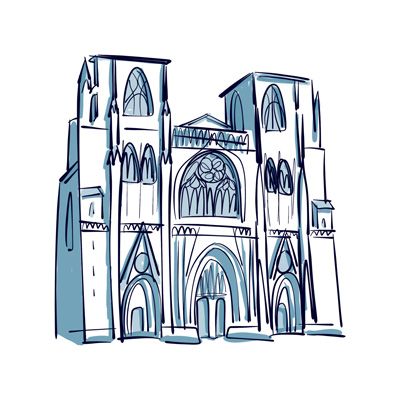
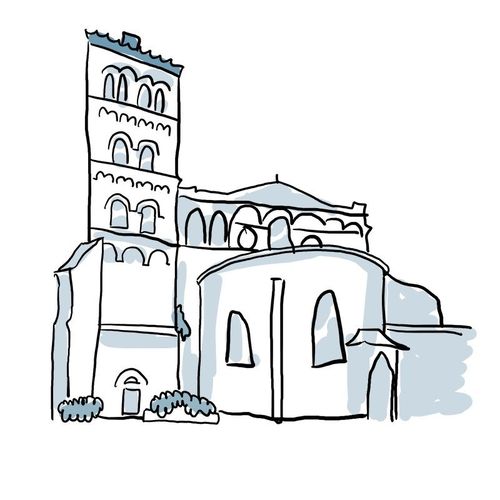
Vienne is brimming with treasures that bear witness to its prestigious ancient and medieval past. The ancient theatre, one of the largest in Roman Gaul, impresses with its scale and excellent state of preservation. The beautifully preserved Temple of Augustus and Livia evokes the splendour of the city in imperial times. Don't miss the archaeological site of Saint-Romain-en-Gal on the other bank of the Rhône, a genuine Gallo-Roman residential quarter. Saint-Maurice Cathedral is worth a visit for its Romanesque and Gothic architecture. The Garden of Cybele and the remains of the forum round off this journey back in time. The Ryo audioguide accompanies you on this discovery with a narrated route that reveals the secrets and anecdotes of each monument, helping you understand the evolution of this thousand-year-old city while enjoying a stroll at your own pace.
Where should you stay in Vienne?
To make the most of your stay, opt for accommodation in the historic centre or its immediate surroundings. This area will let you easily reach the main tourist sites on foot and enjoy the lively restaurants and cafés. You'll find hotels in a range of categories, from charming establishments set in former mansions to more budget-friendly options. Guesthouses often offer excellent value for money and a warm welcome. If you're looking for more independence, apartment rentals are available in the centre. For tighter budgets, a few more affordable accommodation options exist on the outskirts, well served by public transport. Remember to book ahead, especially during the jazz festival when crowds are large.
How much does public transport cost in Vienne?
Vienne's bus network offers generally affordable fares for getting around the greater urban area. Single tickets cover one simple journey, while day passes offer more economical freedom of movement if you plan several trips. Ticket books are also available to reduce the unit cost. Fares vary depending on the zones crossed, with the town centre generally forming the main zone. Discounts are often offered for young people, students and seniors. It's advisable to check with the tourist office or directly at the sales points for up-to-date fares and the passes best suited to your stay. Tickets can be purchased from vending machines, in certain shops or directly from the driver.
Do you need to book monument tickets in advance?
For most sites in Vienne, booking in advance is generally not essential, especially outside the tourist season. The ancient theatre and the other Roman monuments welcome visitors without any particular capacity restrictions. However, during the summer period and especially during the jazz festival, crowds can be significant, so it is advisable to arrive early in the morning to avoid the queues. For guided tours organised by the tourist office or the museums, booking is often recommended as group sizes are limited. Shows and concerts at the ancient theatre naturally require advance booking. Check the monuments' official websites to confirm current access arrangements and any temporary exhibitions that might require a reservation.
What can you find at the Saturday market in Vienne?
On Saturday mornings, the centre of Vienne, in the Isère south of Lyon, takes on a completely different look. The market stretches along the banks of the Rhône, then climbs into the streets and squares of the old town, right up to the foot of the Roman monuments. It is one of the largest in the region, and one of those occasions that bring in people from all over the valley.
You will find the produce of the Rhône hinterland, seasonal fruit and vegetables, goat's cheeses, cured meats, olives and breads, alongside stalls of clothes, flowers and bric-a-brac that make it as much a stroll as a shopping trip. Come early in the morning if you can: the crowds build quickly and parking near the centre becomes difficult. The market winds down as the morning ends, leaving you the afternoon for sightseeing.
What remains of Vienne's Gallo-Roman past?
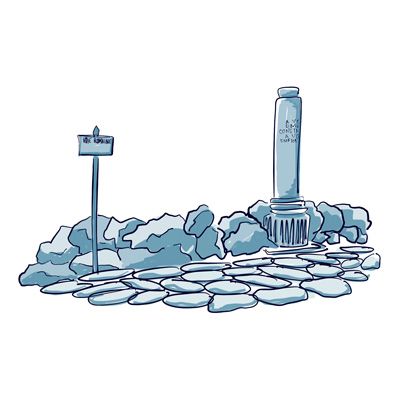
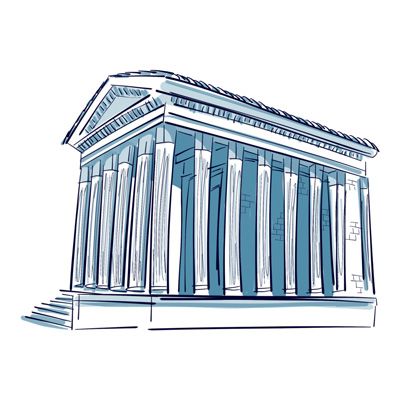
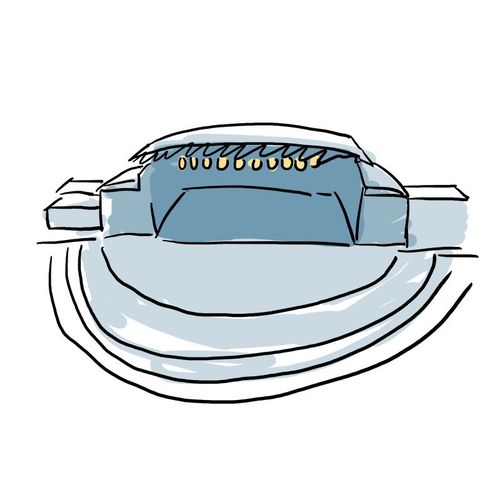
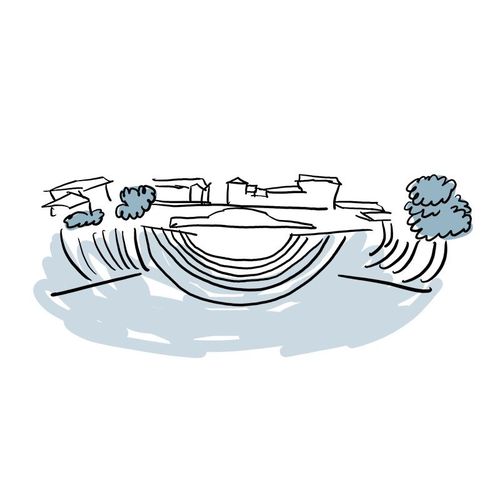
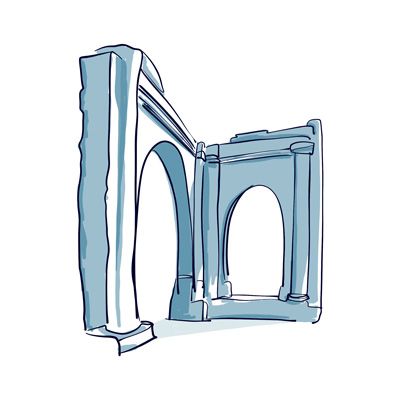
A great deal, and that is what makes this town in the Rhône valley so distinctive. Once the capital of the Allobroges and later one of the most prosperous cities of Roman Gaul, Vienne still has, right in its centre, the temple of Augustus and Livia, its Corinthian columns standing on a square, one of the few almost complete ancient temples in France. On the hillside, the Roman theatre, set against Mount Pipet, ranks among the largest of the Roman world and is still used as a stage in summer.
To these you can add the pyramid that once decorated the track of the circus, the Cybèle archaeological garden with its monumental walls, and the museum housed in the former church of Saint-Pierre, whose stone collections extend the walk. On the far bank of the Rhône, a vast ancient residential quarter has been uncovered and can be visited. The Ryo audio guide offers a dedicated Vienne route that links these stops together.
What is the Jazz à Vienne festival?
It is the event that transforms the town for a couple of weeks every summer. The main concerts take place in the evening in the Roman theatre, where the stone tiers face the stage and the valley beyond: the setting counts as much as the line-up, which mixes big international names with blues, soul and music from further afield.
The festival spreads well beyond the theatre. During the day, free stages are set up in the Cybèle garden, on the squares and along the Rhône, with local bands and young musicians, while the bars in the centre keep the evening going. If you come at that time of year, be aware that the town is very busy and that it is wiser to plan your visit ahead; the rest of the year, the theatre can be seen in peace.
Vos commentaires, idées et suggestions
Aucun avis pour le moment