© Shutterstock
 Votre guide Ryo
Visiting Nice in 3 Days: The Complete Itinerary for 2026
Nice isn't told, it's walked: seven hills, a crescent-shaped bay, and an ochre old town that fits entirely in the palm of your hand. Visiting Nice in 3 days means making choices, even if it means letting a few addresses slip by in order to fully enjoy the ones you keep. This itinerary makes those choices for you, day by day, with the support of the Nice audio-guided tour and its 28 geolocated audio stops so nothing is left to chance on the ground.
In 72 hours, you'll have time to climb the Colline du Château without ever encountering the shadow of a fortress — demolished back in 1706 — to compare two museums each dedicated to a single painter just a few hundred metres apart, to swim in 24°C water in the height of summer on a beach without a single grain of sand, and to reach a hilltop village perched at over 400 metres altitude in less than 25 minutes by bus. Between the unmissable highlights of Vieux Nice, the heights of Cimiez, the coves of the Réserve, and a day trip to Èze, here is how to spread these days without rushing.
Nice in Brief: Overview and Geographic Setting
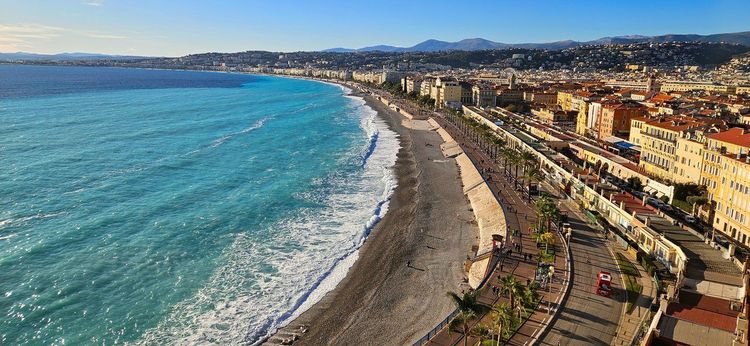
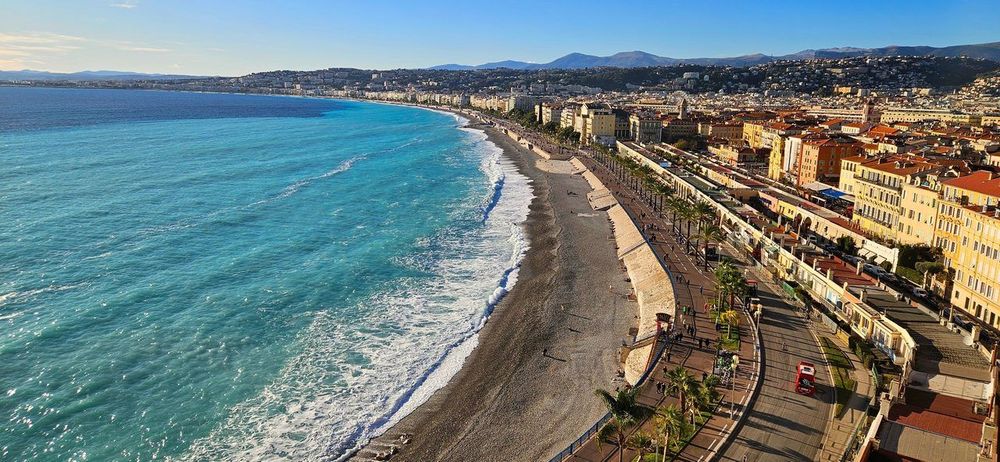
Where exactly is Nice located? On the Mediterranean coastline of south-eastern France, in the Alpes-Maritimes department of which it is the prefecture, at the back of a bay opening between the cap de Nice to the east and the airport to the west. It's about thirty kilometres to the Italian border and around twenty to the Principality of Monaco. The fifth largest city in France with approximately 340,000 inhabitants, it stretches across several kilometres of coastline and climbs, further inland, towards the first foothills of the Alpes-Maritimes. This geographic setting explains its generous Mediterranean climate, often credited with more than 300 sunny days a year, and a strategic position for exploring the rest of the Côte d'Azur.
The city is divided into clearly distinct neighbourhoods, which makes organising a 3-day stay straightforward: Vieux Nice and the Promenade des Anglais along the seafront, port Lympia to the east, the Cimiez hill to the north, and the modern centre around avenue Jean Médecin. A simple mental map of Nice to remember: the city fans out around the Baie des Anges, with the Colline du Château as a central pivot between the old quarter and the port. It is this geographic layout, more than any chronological order, that shaped this itinerary: each day corresponds to a coherent area to explore on foot. If you'd like to understand the neighbourhood logic before booking, our overview of Nice's neighbourhoods details the atmosphere of each one. The Nissa la Bella audio-guided tour follows this very geography, linking port Lympia to the Promenade des Anglais without doubling back.
Day 1: The Promenade des Anglais and the Historic Heart of Vieux Nice
The first day traces a logical loop from the seafront up to the heights of Vieux Nice, without ever requiring any transport.
Promenade des Anglais, Quai des États-Unis, and the Sundial
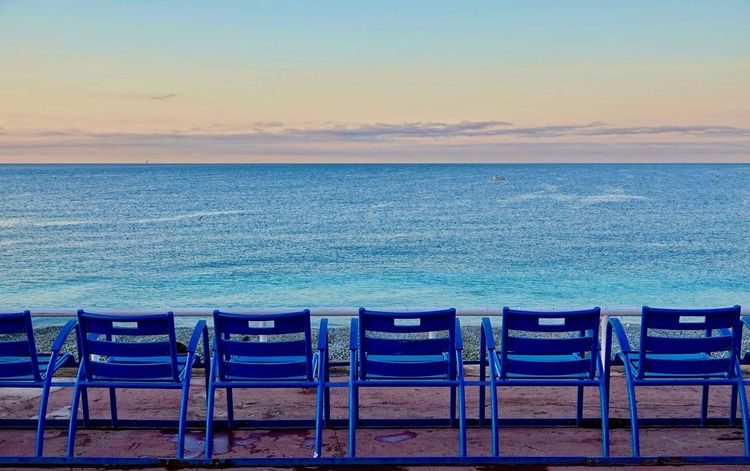
Start the day early, before the heat and the crowds settle on the Promenade des Anglais. This roughly 7-kilometre seafront promenade, developed from the 1820s onward thanks to the English community wintering on the Côte d'Azur, remains the most iconic image of Nice: emblematic blue chairs, lined-up palm trees, and the Baie des Anges stretching out to the cap d'Antibes on a clear day.
Continue east along the quai des États-Unis, the natural extension of the promenade that runs directly alongside Vieux Nice. At number 47, a sundial still adorns the facade of a building — a discreet vestige that most hurried visitors never notice.
Allow 45 minutes to an hour for this section, a little more if you stop to photograph the blue chairs facing the sea.
Vieux Nice, Cours Saleya, and the Cathédrale Sainte-Réparate
Leaving the seafront, head into the ochre alleyways of Vieux Nice, a maze of narrow lanes where laundry still dries in the windows and where the Italian facades betray the city's belonging to the Kingdom of Sardinia until 1860. This is where the essence of Nicoise identity is concentrated, between food shops, craft workshops, and shaded squares. Our guide to the Vieux Nice neighbourhood details street by street what this first morning inevitably skims over.
The cours Saleya is its beating heart: a flower and local produce market in the morning — except Monday, which is reserved for antique dealers — and lively terraces in the evening. Take a moment to watch the socca batter cooking on the griddles, the Nicoise speciality made from chickpea flour that you won't find anywhere else in quite this form.
Just nearby, the cathédrale Sainte-Réparate surprises with its baroque interior, all gilding and polychrome marble — a striking contrast with the sobriety of its facade. Entry is free and a visit takes only about twenty minutes, more than enough for an overview.
Colline du Château: Panorama and Waterfall
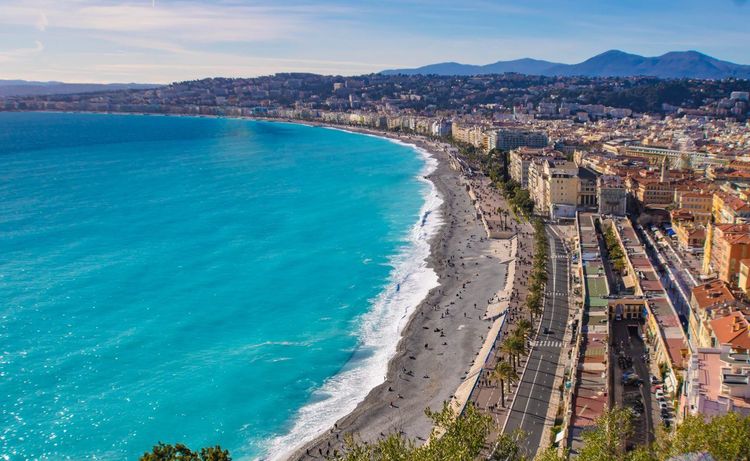
Head next to the Colline du Château, accessible on foot via a fairly steep staircase — about ten minutes of effort — or by the lift located at the end of the quai des États-Unis. Despite its name, nothing remains of the fortress that once dominated the city until it was demolished on the orders of Louis XIV in 1706: today, a shaded park occupies the summit.
The reward is worth the effort: the panorama sweeps across the entire Baie des Anges, the Promenade des Anglais, and, on a clear day, port Lympia below. An artificial waterfall adds a cooling touch to the descent on the port side, a pleasant stop in summer.
Allow 45 minutes to 1 hour for the climb, the viewpoint, and the descent — a little more if you stay to picnic on the lawns.
Place Masséna and Jardin Albert 1er
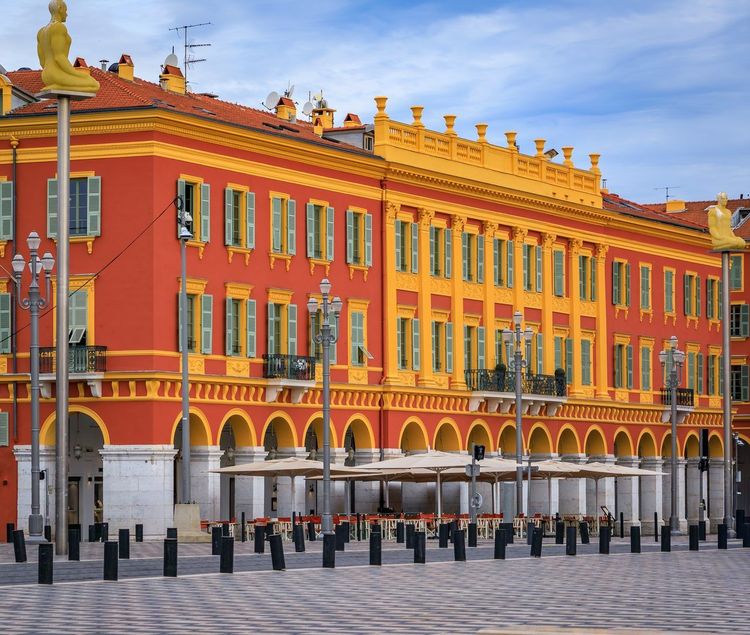
Head back down towards the city centre to close out the day at place Masséna, a vast esplanade recognisable by its Pompeian-red facades and the seven suspended statues by artist Jaume Plensa, lit differently each evening. It is the junction point between Vieux Nice and the modern city, and an excellent landmark for getting your bearings for the rest of the stay.
Right next door, the jardin Albert 1er offers a green pause between sea and city, with its bandstand and century-old palm trees. It is also where the Promenade du Paillon ends — the green corridor that cuts through Nice for nearly 1.2 kilometres. At the end of the day, an ice cream from a craft gelateria in Vieux Nice makes the perfect ending to this first immersion. The Nissa la Bella audio-guided tour threads through this stretch too, tying the Promenade des Anglais back toward port Lympia further along the walk.
Day 2: The Port, the Cimiez Hill, and the Great Museums
The second day shifts east and north, between a lively port atmosphere and residential heights where the city's greatest museums are concentrated.
Port Lympia and the Cathédrale Orthodoxe Saint-Nicolas
Port Lympia, Nice's oldest port, stands in contrast to the tourist bustle of Vieux Nice: colourful Italian facades, fishing boats moored alongside yachts, and a neighbourhood atmosphere that has retained its authenticity despite its proximity to the centre. The port market, more modest than the cours Saleya, is worth a visit for its local shops and unfiltered ambiance. It is also from here that boat excursions depart along the coast — an option worth considering if your stay extends beyond the classic 3 days.
Heading up towards boulevard Tzarewitch, the cathédrale orthodoxe Saint-Nicolas surprises with its blue and gold domes: it is the largest Russian Orthodox building outside Russia, funded in the early 20th century by the Russian aristocracy that was already wintering in Nice at the time. The interior, filled with icons and frescoes, can be visited freely with respect for the place of worship.
Allow approximately 1 hour 30 minutes for this stop, including the walk from the port.
The Cimiez Hill: The Matisse Museum, the Chagall Museum, and the Gardens
Head next to the north of the city, towards the Cimiez hill, an upscale residential neighbourhood accessible in about twenty minutes by bus — lines 5 or 33 depending on your starting point — or by a more demanding walk from Vieux Nice. This was the site of the Roman city of Cemenelum, and it is today one of the greenest neighbourhoods in Nice.
The Matisse Museum, housed in a 17th-century Genoese villa surrounded by olive trees, traces the full career of the painter, who lived and worked in Nice for nearly 40 years. Nearby, in a building designed specifically for its collection, the Musée national Marc Chagall holds the world's largest public collection dedicated to the artist: the Biblical Message cycle, 17 monumental canvases.
A practical tip: both museums close on Tuesdays — a day to absolutely avoid for this stage. Check closing days before finalising your schedule, and keep Tuesday for the Promenade des Anglais or a beach, which remain accessible every day.
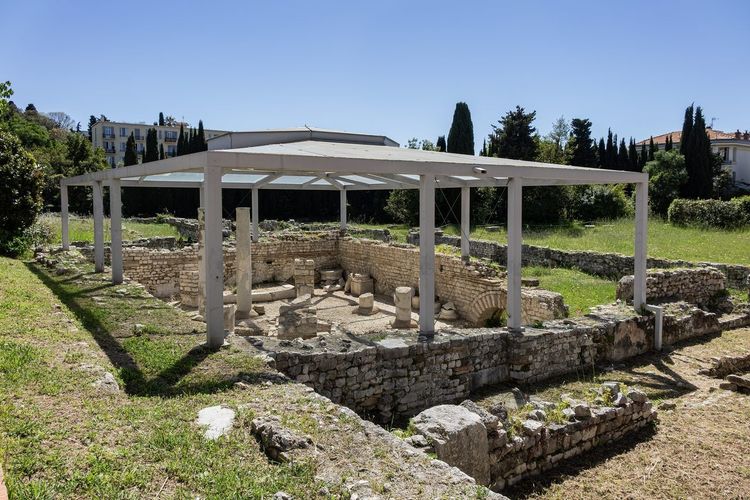
On the same plateau, the Musée d'Archéologie de Nice-Cimiez extends the visit into the remains of Cemenelum: Roman baths, ancient streets, and everyday objects unearthed on site. It is the missing piece that many itineraries overlook, even though it immediately explains why Cimiez existed before Nice — and it can be explored in barely 45 minutes.
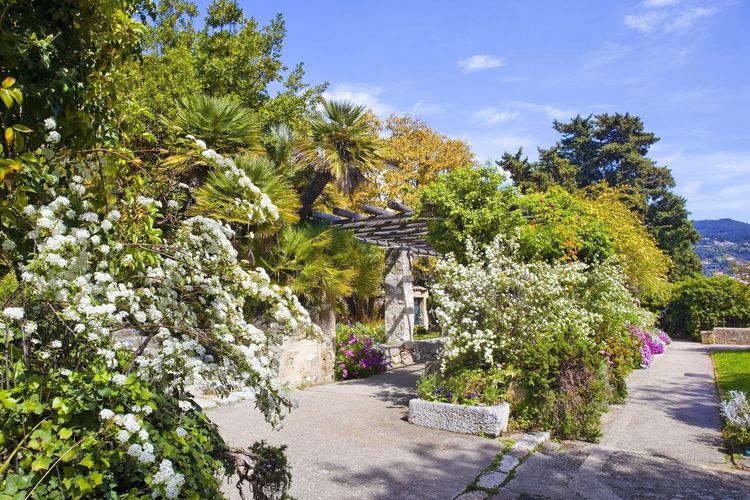
Between the two museums, take a break in the jardin des Arènes de Cimiez, where the remains of a Roman amphitheatre survive, and the jardin du monastère de Cimiez, a French-style rose garden with a sweeping view over the bay — free of charge and often overlooked by visitors in a hurry.
Palais Lascaris, MAMAC, and the Musée Masséna
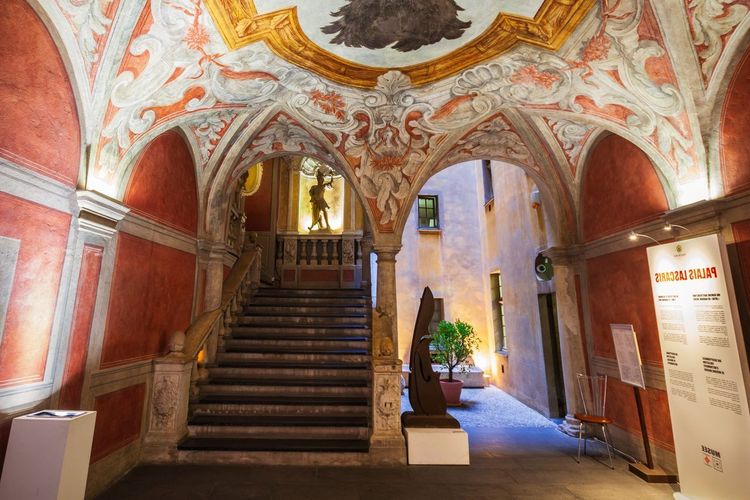
Heading back down towards the centre, three addresses round out the day's museum offerings without requiring a full extra day. The palais Lascaris, in Vieux Nice, unfolds a 17th-century baroque interior and a collection of antique musical instruments. The MAMAC, the Museum of Modern and Contemporary Art — recognisable by its grey marble architecture of linked towers — brings together a strong collection focused on Nouveau Réalisme and Pop Art, featuring Niki de Saint Phalle, Yves Klein, and Andy Warhol.
The musée Masséna (65 Rue de France, 06000 Nice, rated 4.5/5 on Google with 3,372 reviews), a Belle Époque villa on the Promenade des Anglais, traces the history of the city through its period furniture and art collections. These three museums belong to the municipal network: a single ticket or a multi-day pass grants access to all of them, which changes the calculation from the second visit onward. If time is short, note that the palais Lascaris and the MAMAC can each be visited in barely 45 minutes, making it possible to combine them in the same half-day. Save the musée Masséna for a potential fourth day: it's better to see two museums well than to rush through four. The Nissa la Bella audio-guided tour passes near several of these museums along the Promenade des Anglais, handy if you want the commentary running alongside your visit.
Day 3: Mont Boron, the Coastal Path, and Shopping on Avenue Jean Médecin
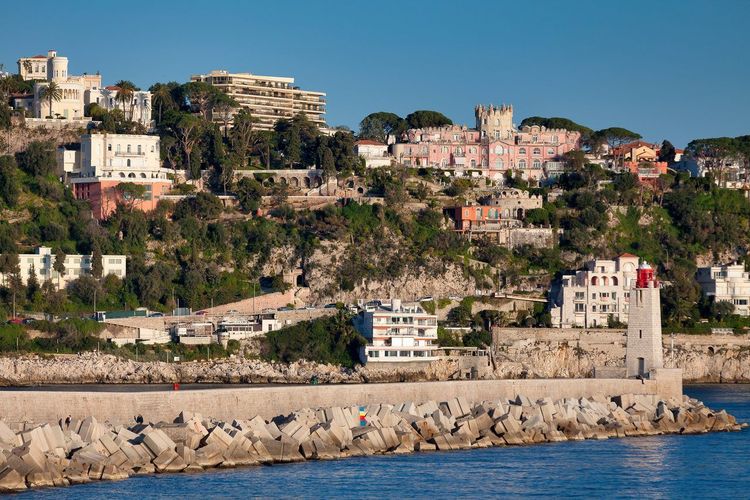
The last half-day is intentionally lighter: elevated panoramas, a walk along the sea, and a bit of shopping before departure. In case of rain, refer back to the museum section of Day 2.
Mont Boron and Mont Alban: Panoramas over the Côte d'Azur
To the east of the port, mont Boron and mont Alban offer the finest viewpoints over the Baie des Anges and, on a clear day, all the way to cap Ferrat and the Principality of Monaco. The path climbing from the base of the hill winds under umbrella pines, shaded even in the height of summer.
At the summit, the fort du Mont Alban, a 16th-century military fortress, only opens its doors occasionally for organised visits or events, but its surroundings already make an excellent viewpoint. Allow 1 hour 30 minutes to 2 hours for the round trip depending on your pace; walking shoes are recommended.
The mont Boron hill is also home to a forest of pine trees and wild olive trees, a favourite refuge of Nice's early-morning joggers. If you're short on time, a car or taxi can take you directly to the summit car park in 10 minutes from the port, reducing the walk to a simple 30-minute contemplative stroll.
The Coastal Path at Cap de Nice
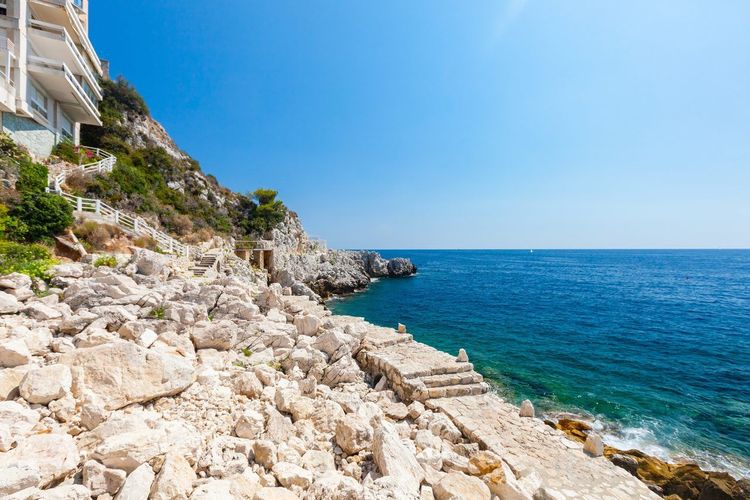
A less strenuous alternative or complement: the coastal path at cap de Nice, which starts at boulevard Franck Pilatte (Boulevard Franck Pilatte, 06300 Nice) and follows the rocky shoreline towards the cape. This path, laid out along former customs officers' trails, alternates between discreet coves and sea views without the elevation of mont Boron.
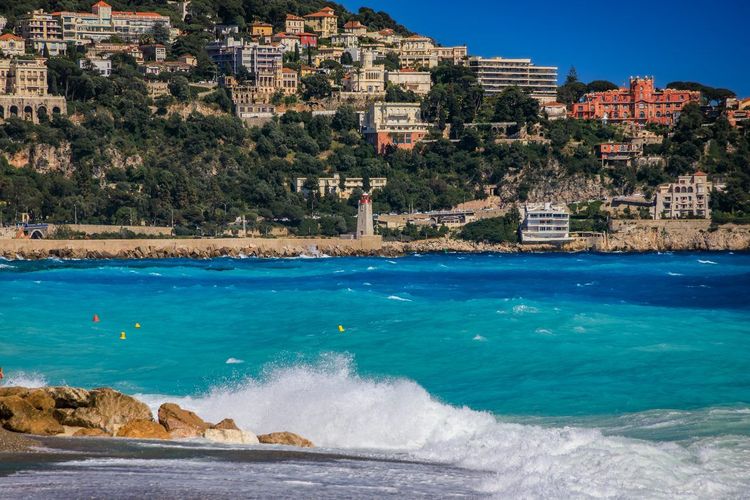
It is also one of the best spots to take in a panoramic view of the city from sea level, with Nice curving in an arc all the way to Vieux Nice and the Colline du Château. There's no need to go all the way to the end: turn back whenever the view satisfies you — the plage de la Réserve makes a perfect excuse to stop along the way. Be cautious in heavy swell conditions, as some narrow sections are temporarily closed by the local authorities for safety reasons.
Avenue Jean Médecin and Galeries Lafayette
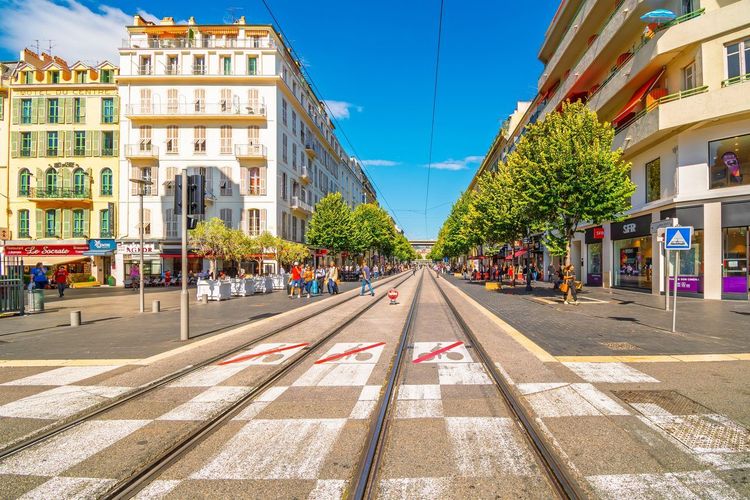
To finish on a more urban note, head back down to avenue Jean Médecin, Nice's main shopping thoroughfare linking the SNCF station to place Masséna. The Galeries Lafayette Nice Masséna (6 Avenue Jean Médecin, 06000 Nice, rated 4.2/5 on Google with 11,130 reviews) occupy a historic building and bring together the best of Nice's shopping across several floors — handy for last-minute purchases or a well-stocked souvenir section.
Nearby, the Nicetoile shopping centre completes the offer with its clothing chains — practical in the event of a shower for ending the stay in the dry. Between shops, a break at place Wilson or in one of the brasseries lining the avenue is in order; they tend to be more affordable than those by the sea. It's also a good opportunity to seek out food shops and bring home a few Nicoise products before leaving: olive oil, chickpea flour to try making socca at home, or artisan fruit pastes.
The Best Beaches in Nice for Swimming
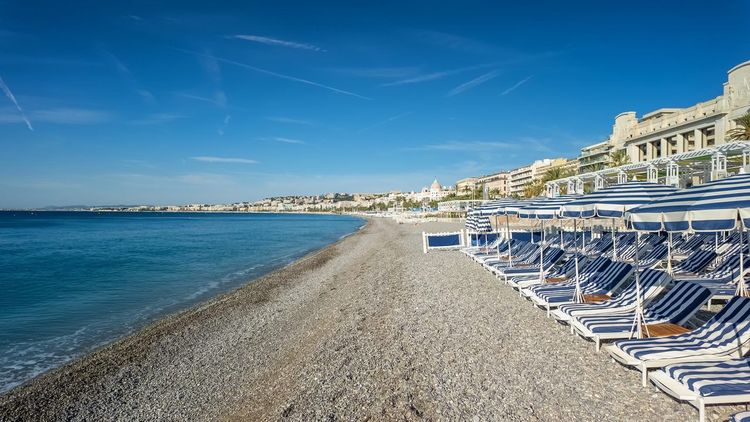
Contrary to the Mediterranean reputation for fine sand, Nice's beaches are almost entirely made of pebbles — a feature that often surprises visitors arriving from other parts of the Côte d'Azur. The question comes up often: can you swim in Nice during a short 3-day stay? The answer is yes, as long as you bring water shoes and choose the right spot based on your preferences.
Among the roughly thirty beaches along the seafront, a few stand out. The plage des Ponchettes, just below the Colline du Château, is one of the most central and most visited — public and free like the majority of Nice's beaches.
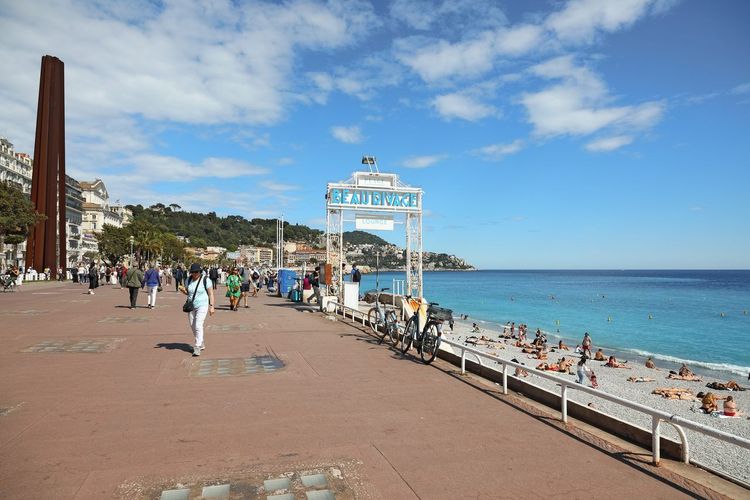
Further west, plage Beau Rivage combines a public section and a private space with sun loungers and a restaurant — practical for a lunch break with your feet in the water. On the eastern side, at the end of the coastal path, the plage de la Réserve (Boulevard Franck Pilatte, 06300 Nice, rated 4.5/5 on Google with 150 reviews) charms with its wilder setting, nestled between the rocks of cap de Nice, far from the bustle of the centre.
For a short stay, it's better to choose one proper swimming session rather than rushing between several beaches: save the late afternoon, when the heat dies down and the raking light over the Baie des Anges is at its most beautiful. The sea remains swimmable from May to October, with a peak in July–August that is best anticipated by arriving early in the morning. If you're travelling on a tight budget, note that access to the sea remains free on almost all of Nice's shoreline: only private beaches charge for sun lounger hire — budget several tens of euros per day for two people. To compare spots one by one, our guide to Nice's beaches and our selection of the most beautiful beaches in Nice review the top ten, from the imported sand of private beaches to the coves of the cape.
Day Trips and the Most Beautiful Villages around Nice
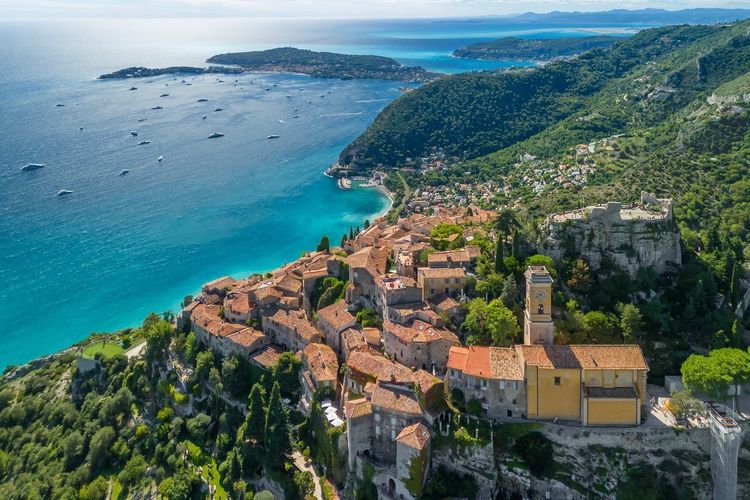
If your stay extends further, or if you'd rather spend a half-day getting out of the city instead of moving from one museum to the next, the Côte d'Azur offers plenty of day trips accessible by bus or regional train from Nice, with no car needed.
Must-See Hilltop Villages (Èze, Saint-Paul-de-Vence, Villefranche-sur-Mer)
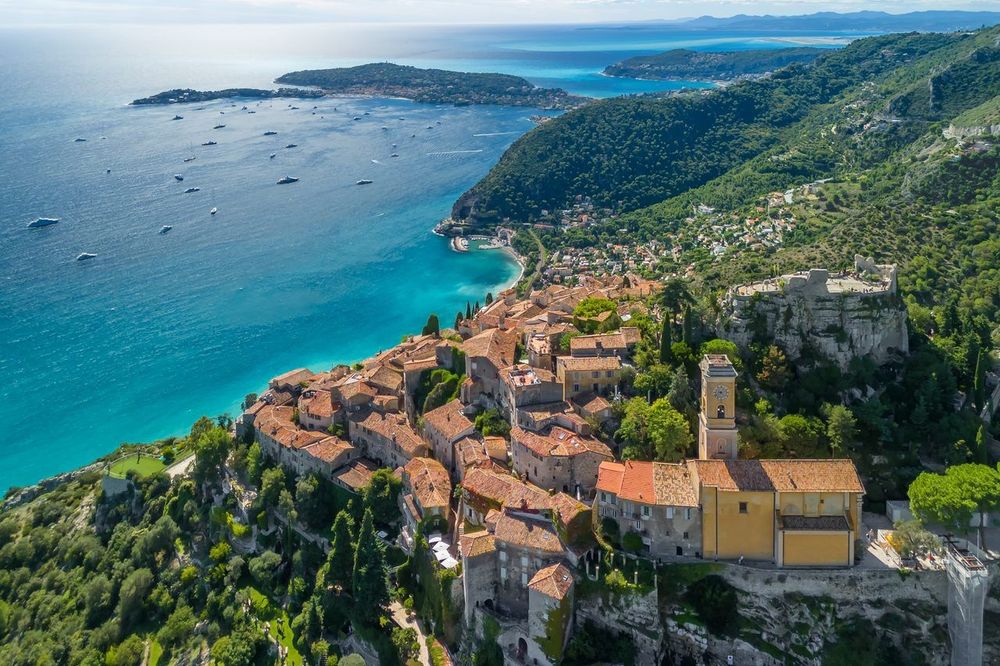
Èze, a medieval village clinging above the Mediterranean, whose exotic garden peaks at 429 metres altitude, can be reached in about thirty minutes by bus from Nice. Its cobbled lanes and 360-degree panorama over the Riviera make it one of the most popular day trips — provided you're prepared for the crowds in high season.
Villefranche-sur-Mer, about ten minutes by train from Nice station, charms with its deep bay, colourful facades, and a chapel decorated by Jean Cocteau. It is probably the quickest day trip to combine with a Nice half-day.
Saint-Paul-de-Vence (06570 Saint-Paul-de-Vence, rated 4.6/5 on Google with 15K reviews), further away — around 45 minutes by bus with one change — draws visitors more for its artistic heritage: contemporary art galleries, the Maeght Foundation, and still-intact ramparts. Allow a full half-day to do it justice.
Nature Day Trips and the Nice Hinterland
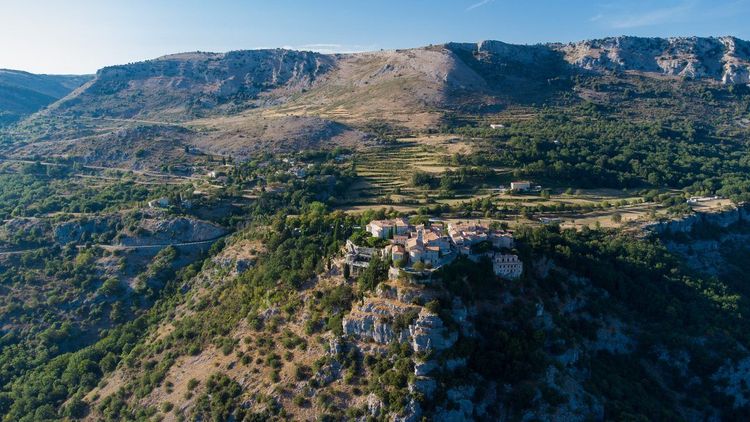
Beyond the best-known villages, the Nice hinterland offers more nature-oriented day trips: the gorges du Loup, Mercantour ski resorts in winter, or the Vallée des Merveilles for seasoned hikers — all manageable as a day trip from Nice with a little planning. Plan a full day for the gorges du Loup or the Vallée des Merveilles, either hiring a car or booking an organised excursion departing from Nice: these destinations remain difficult to reach by regular public transport.
The hinterland remains largely overlooked by visitors in a hurry who focus on the coast, even though an hour by bus can sometimes be enough to change the scenery entirely: terraced olive groves, hilltop villages without Èze's crowds, and welcome coolness in the height of summer thanks to the altitude. Our guide to the Nice hinterland provides the most realistic one-day itineraries.
To explore these options further, our article dedicated to the most beautiful villages to visit around Nice details distances and transport options, while our selection of must-sees around Nice broadens the scope to the entire Côte d'Azur. If you extend your stay, it's better to choose one day trip and explore it in depth rather than stringing together multiple bus journeys, which often take longer than expected in high season.
Nice with Kids: Activities and Good Addresses for Families
Nice lends itself well to a family stay, as long as you adjust the pace of the standard itinerary. Children rarely manage a full day of museums and walking in full sun: it's better to alternate a short cultural visit in the morning with a more fun activity in the afternoon — beach or park.
On the kids-friendly restaurant front, several addresses in Vieux Nice offer children's menus, high chairs, and a relaxed welcome, particularly around the cours Saleya where the terrace seating makes it easy to keep an eye on restless little ones. Socca kiosques and wood-fired pizza places serve the same purpose: quick service, shareable portions, no risk of a patience crisis before the plate arrives. For a snack, head to one of the many artisan ice cream shops in Vieux Nice, some of which line up dozens of flavours — enough to keep an indecisive child occupied for a good while; the neighbourhood bakeries also sell tourte de blettes by the slice, just sweet enough to surprise young palates.
Among other family-friendly spots: Parc Phœnix with its large greenhouse and animals — see below — the Museum of Asian Arts whose building set on a lake delights children and adults alike, and of course the central beaches, easily reachable on foot. Another family favourite: a ride on the tourist little train that winds through Vieux Nice and up the Colline du Château, with no walking effort required for younger children. The child fare is modest and the commentary, while touristy, provides simple historical reference points. To extend the day, our guide to activities in Nice and its surroundings lists other child-friendly options, from theme parks to nature outings.
A local tip: always pack water shoes for the beach — the pebbles make walking difficult for small feet, and a pair of plastic sandals completely changes the experience.
A Nature Alternative: Parc Phœnix, Gardens, and the Green Corridor
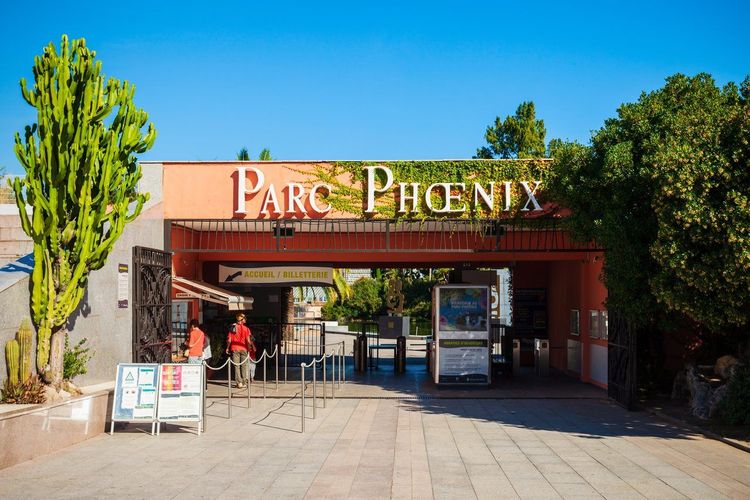
For a greener pause, swap a half-day of museums for this nature alternative, particularly well suited to families or botany enthusiasts.
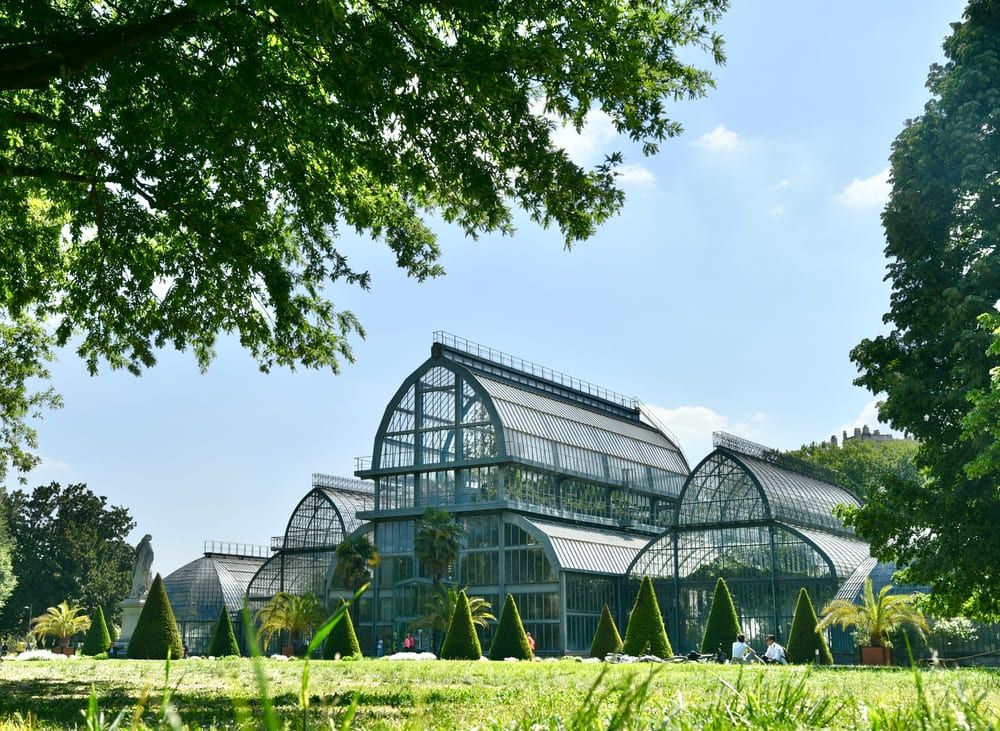
Parc Phœnix, to the west of the city near the airport, spreads across 7 hectares of themed gardens and one of Europe's largest greenhouses dedicated to tropical plants, with crocodiles, exotic birds, and a section devoted to carnivorous plants. Allow 2 to 3 hours for a full visit, longer with children who will want to linger in front of every aviary. The adult entrance fee remains modest compared to large zoos, with free admission for younger children — good value for a family half-day.
Less well known, the Nice Botanical Garden (78 Avenue Sainte-Marguerite, 06200 Nice, rated 4.3/5 on Google with 1,072 reviews), less prominent than Parc Phœnix, gathers collections of Mediterranean and exotic plants on the heights of the city — free entry and low footfall even in peak season.
Finally, the green corridor, also known as the Promenade du Paillon, unfolds its 12 hectares from the national theatre to the seafront. Playgrounds, a water mirror, and shaded lawns make it a pleasant pedestrian axis for linking several neighbourhoods without taking the main roads — a welcome breath of fresh air in the middle of a packed stay. The ground-level water jets, in the height of summer, are worth the detour in themselves with children: pack a swimsuit in your bag.
Getting around Nice: on Foot, by Tram, without a Car
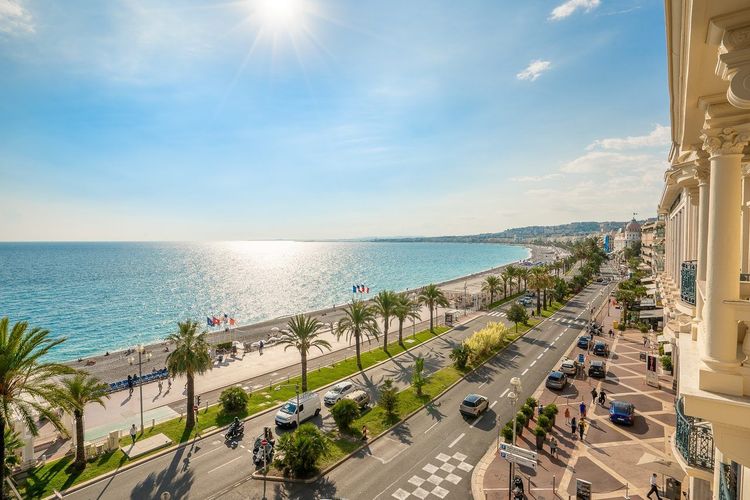
Nice is one of the easiest French cities to get around without a car. The historic centre, the Promenade des Anglais, and a large proportion of the museums can be reached on foot from the centre, and the tram network effectively covers longer distances.
Three tram lines structure the network: line 1 crosses the city centre from north to south, line 2 connects the airport to the port via the south of the city, and line 3 serves the north-west from the airport. A single ticket costs a few euros, and the unlimited day pass pays for itself from the second or third journey. To reach the airport, line 2 links the city centre directly to the terminals in about twenty minutes — a reliable and affordable alternative to a taxi.
For the Cimiez hill or mont Boron, the bus remains the most practical option, as the distances and elevation make walking less pleasant in the height of summer. Check the relevant line on the Lignes d'Azur network app, which displays real-time departures. To do everything on foot over the 3 days without ever taking transport, you need to budget more walking time each day — but it is entirely feasible for an active stay: the elevation, not the distance, is the real source of fatigue here.
The Vélo Bleu bike-sharing scheme rounds off the offer with an inexpensive short-term subscription — handy for cycling along the Promenade des Anglais at your own pace.
Where to Stay in Nice during Your 3-Day Visit
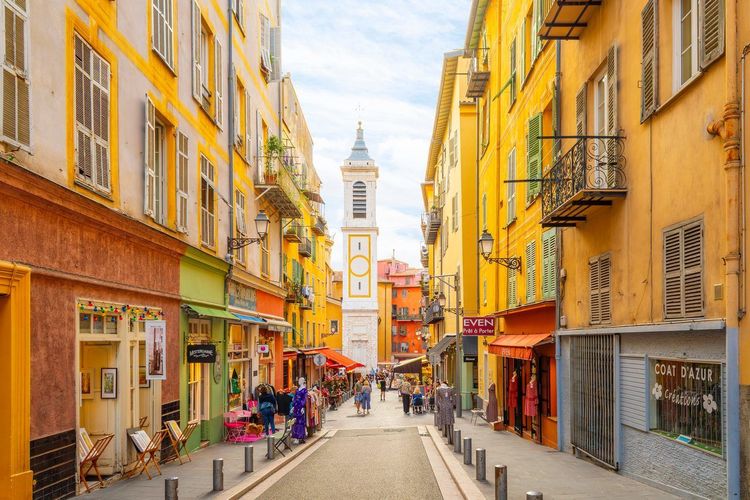
The choice of neighbourhood largely shapes the pace of the stay. Staying in Vieux Nice puts the entire first day's itinerary within walking distance, with a lively evening atmosphere — at the cost of some nocturnal noise in summer on the busiest streets.
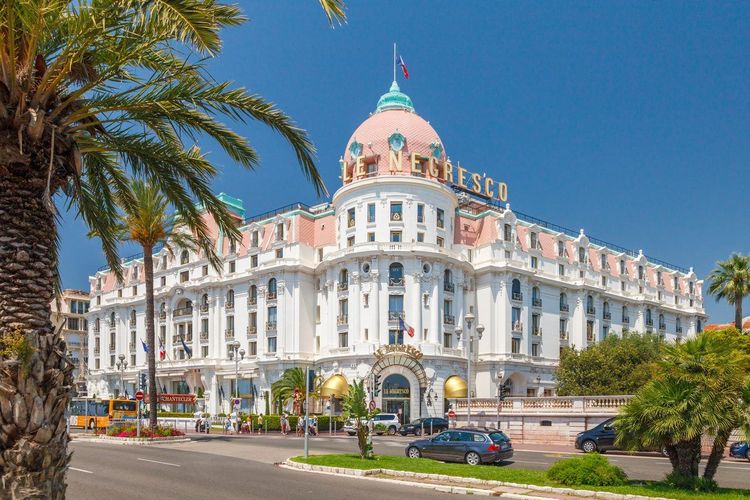
The Promenade des Anglais remains the most sought-after option for sea views and direct beach access, with a range of hotels from family-run three-stars to historic palaces. The Négresco, on the Promenade des Anglais, remains a must-see even if you're not staying there: its Belle Époque architecture and pink dome are worth a free photo as you walk past.
Prices rise sharply in high season in this area; it is better to book several months in advance for July–August. The gare Thiers neighbourhood, less touristy and therefore more affordable, offers a good compromise: 10–15 minutes on foot from Vieux Nice and place Masséna, with direct tram access to the airport or the Cimiez hill without changing lines.
For a quieter stay, the Cimiez neighbourhood appeals with its residential setting and gardens — slightly out of the way but well served by bus, ideal if you prioritise the museum day and a more relaxed evening atmosphere.
Where to book an Airbnb in Nice? Vieux Nice concentrates most of the short-term rental offer, with apartments often full of character — exposed beams and traditional terracotta tiles — but sometimes noisy. For more peace without sacrificing proximity, look towards the Libération or Riquier neighbourhoods, 20 minutes on foot from the centre and noticeably cheaper.
Whatever neighbourhood you choose, book early: Nice fills up from spring onwards for July–August dates, and prices can double between a booking made six months in advance and a last-minute one.
Where to Eat in Nice: Local Specialities and Good Addresses
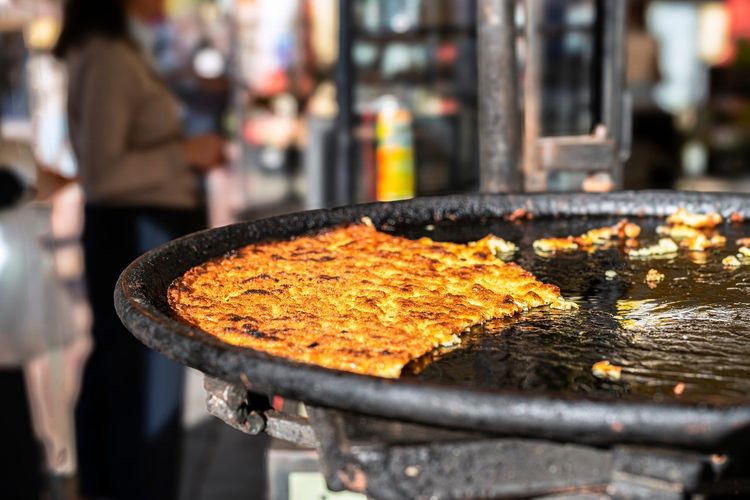
Nicoise cuisine deserves time of its own, differing as it does from the rest of French gastronomy through its blended Italian and Provençal heritage. Three specialities to try during the stay: socca, a chickpea-flour pancake baked in a wood-fired oven and served piping hot; pissaladière, a tart of slow-cooked onions, black olives, and anchovies; and salade niçoise in its original form — no potatoes or green beans, just tomatoes, hard-boiled eggs, tuna or anchovies, olives, and seasonal crudités. Another speciality not to be missed: tourte de blettes, a sweet-savoury chard tart that is typically Nicoise and found in most Vieux Nice bakeries — perfect as a snack between visits.
For dining in Vieux Nice, favour the small addresses away from the cours Saleya, where prices rise with the tourist footfall. The perpendicular side streets often hide better tables at more reasonable prices, recognisable by the local regulars seated on weekdays.
In the morning, make a detour to the Libération fruit and vegetable market, less well known than the cours Saleya but equally authentic, frequented mainly by locals doing their daily shopping. It's the ideal spot to put together a picnic to take up to the Colline du Château: seasonal fruit, local cheeses, olives, and a slice of pissaladière from the neighbouring bakery.
For a quick and affordable lunch, the socca kiosques scattered around Vieux Nice let you eat on the go for just a few euros. In the evening, reserve if possible: the best tables in Vieux Nice are fully booked by 7:30 pm in high season. Our article on Nice's culinary specialities details other typical dishes, from petits farcis to daube niçoise.
What Is the Best Time to Visit Nice?
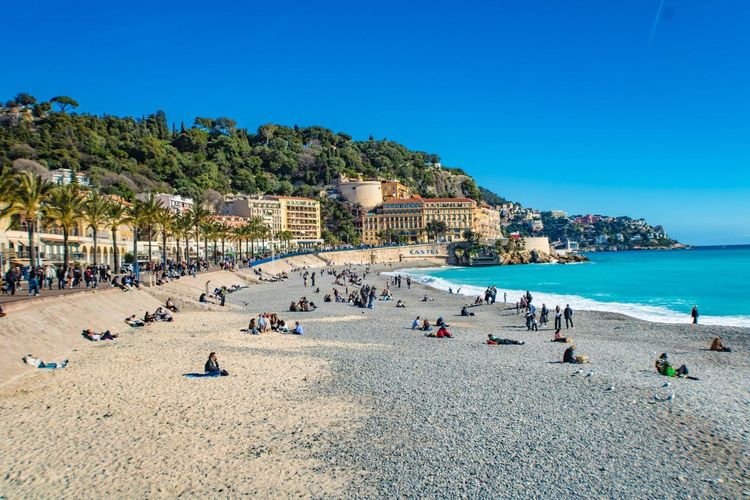
Nice's weather remains mild for much of the year, with gentle winters — around 12–13°C during the day in January — and hot summers tempered by the sea breeze. May–June and September–October offer the best balance: comfortable temperatures for walking all day, a sea that is already or still swimmable, and crowds noticeably lower than in July–August.
Summer remains the most in-demand season, with accommodation prices rising significantly and queues at the most popular museums — particularly the Matisse Museum and the Chagall Museum in peak season. Plan ahead: crowds are best managed through bookings, museum tickets purchased online a few days in advance, accommodation secured several months ahead for July–August, and restaurants reserved the evening before. That is the difference between a smooth stay and 72 hours spent queuing. Also prioritise morning visits, before 10:30 am, when both the heat and the crowds are still manageable.
The Nice Carnival, usually held in February, is a world apart: a unique atmosphere but crowds and prices comparable to the summer high season — worth anticipating if your dates coincide, as our guide to the Nice Carnival explains. For a short stay, May and September are probably the best months: long days, stable weather, and a city that breathes a little more freely than at the height of summer. Winter remains a valid option for the cultural itinerary — museums and Vieux Nice — less so for swimming.
How Many Days to Visit Nice: 1, 2, 3, or 4 Days?
Are three days enough to see the city and its surroundings? For the heart of Nice, yes: this itinerary covers the essentials of Vieux Nice, the Promenade des Anglais, Cimiez, and the elevated viewpoints. To add one or two day trips — Èze, Villefranche, the hinterland — a fourth day is strongly recommended.
If you only have one day, focus on the Promenade des Anglais, Vieux Nice, the cours Saleya, and the Colline du Château: this is the most packed format of the itinerary — Day 1. To cover the city in a single day in good conditions, it's better to skip the museums and concentrate on the outdoors. Our dedicated guide to Nice in 1 day details this condensed format step by step.
With 2 days, add the Cimiez hill and at least one museum — Matisse or Chagall depending on your taste — while dropping port Lympia and mont Boron.
With 4 days, this itinerary unfolds at a leisurely pace, with a full extra day trip — to Èze or Saint-Paul-de-Vence, for instance. With 5 days, you can add a second hilltop village or a full day in the hinterland — the gorges du Loup or the Vallée de la Vésubie depending on your appetite for nature. These trade-offs work in the other direction too: if you're still unsure, it's better to book one extra night than to cut short the walking time between neighbourhoods, which is consistently underestimated by visitors in a hurry.
Practical Information and Budget for Planning Your Stay
For a 3-day stay, budget an average of 80 to 150 euros per person per day excluding accommodation, covering meals, transport, and two to three paid visits. Accommodation varies enormously depending on the neighbourhood and the season, from a few dozen euros a night in a hostel to several hundred for an upscale seafront hotel in summer.
Making choices is the golden rule of a short stay: it's impossible to see everything, and it's better to prioritise two or three strong experiences per day rather than rushing through visits without truly appreciating them. Which museums should you prioritise during a 3-day stay? If you can only choose two from the five main Nice museums — Matisse, Chagall, MAMAC, Masséna, and palais Lascaris — go for the Matisse Museum and the Musée national Marc Chagall: the two strongest and most distinctive collections.
Two pass formats exist and cater to different profiles: the municipal museums pass, valid across the city network, and the French Riviera Pass, covering sites and activities across the entire Côte d'Azur for 24, 48, or 72 hours. The former is sufficient if you're staying in Nice; the latter becomes worthwhile once you start combining several paid sites outside the city. For a more relaxed pace with only one or two museums, paying at the door often works out cheaper. Another cost to plan for: parking, which is particularly expensive in the centre — one more reason to favour public transport or walking. If you're travelling with a family, most museums offer free admission for under-18s — a detail that noticeably reduces the overall bill. Finally, a good portion of the programme costs nothing at all: the promenade, the Colline du Château, the gardens, public beaches — as our selection of free activities in Nice reminds us.
Map and Practical Guide to Nice
To visualise this entire itinerary, a map of Nice remains essential — paper or digital. The metropolitan tourist office distributes a free detailed map of the centre at its welcome points, including the one at the station and the one on the Promenade des Anglais, and makes a downloadable tourist map of Nice available on its website before you leave home. A map of the main museums and attractions, with their closing days, is a useful addition.
To organise your movements across the three days, the Ryo app lets you find all the points of interest from this article on an interactive map, with the Nice audio-guided tour providing live commentary on each place you pass through, from Vieux Nice to the Cimiez hill. A way to follow the itinerary without keeping your eyes glued to your phone at every junction — the audio naturally guiding you from one point to the next. Also bear in mind that opening hours vary by season: many museums and gardens close earlier in winter — a detail worth checking before scheduling each slot in your day.
FAQ
How Many Days Do You Need to Discover Nice?
Three days are enough to see the essentials: Vieux Nice, the Promenade des Anglais, the Cimiez hill and its museums, and a viewpoint from above. To add a day trip to the surroundings — Èze or Villefranche-sur-Mer — plan for 4 days instead.
What Is the Best Time to Visit Nice?
May–June and September–October offer the best balance between pleasant weather, a swimmable sea, and moderate crowds. July–August remains the busiest and most expensive season, and should be booked several months in advance.
Can You Swim in Nice during a Short Stay?
Yes, the sea is swimmable from May to October. The beaches are mostly made of pebbles rather than sand, so bring water shoes for added comfort.
Which Museums Should You Prioritize during a 3-Day Stay in Nice?
The Matisse Museum and the Musée national Marc Chagall, on the Cimiez hill, offer the richest and most distinctive collections in the city, just a few hundred metres apart.
Can You Visit Nice on Foot and without a Car?
Yes, the historic centre, the Promenade des Anglais, and a large proportion of the museums can be reached on foot. The tram effectively covers longer distances, and the bus serves the higher areas — including the Cimiez hill and mont Boron.
Which Villages Are Worth Visiting around Nice?
Èze, Villefranche-sur-Mer, and Saint-Paul-de-Vence are among the most accessible day trips from the city, ranging from about ten to forty minutes by train or bus depending on the destination.
What Budget Should You Plan for a 3-Day Stay?
Budget between 80 and 150 euros per day per person excluding accommodation, covering meals, transport, and two to three paid visits. Accommodation prices vary widely depending on the neighbourhood and the season.
Three Days in Nice — What's Next?
A 72-hour stay allows you to grasp the essence of a city that reveals itself differently depending on whether you love walking by the sea, the museum heights of Cimiez, or the discreet coves of cap de Nice. The itinerary proposed here deliberately leaves room for improvisation: one more ice cream, a detour through a forgotten garden, a nap on a shaded lawn. If you take away just one piece of advice, it's this: keep one half-day with no plans — it's almost always the one you'll remember most.
To extend the experience once on the ground, the Nice audio-guided tour accompanies each of these days with geolocated commentary, from the first step on the Promenade des Anglais to the last view from mont Boron — turning this itinerary into a guided tour without ever losing the thread between two neighbourhoods.
À lire également