
Créé par Emilie, le 4 oct. 2026
Votre guide Ryo
Calais, France
Between Two Shores
Parcours audioguidé pour visiter Calais en 1 jour
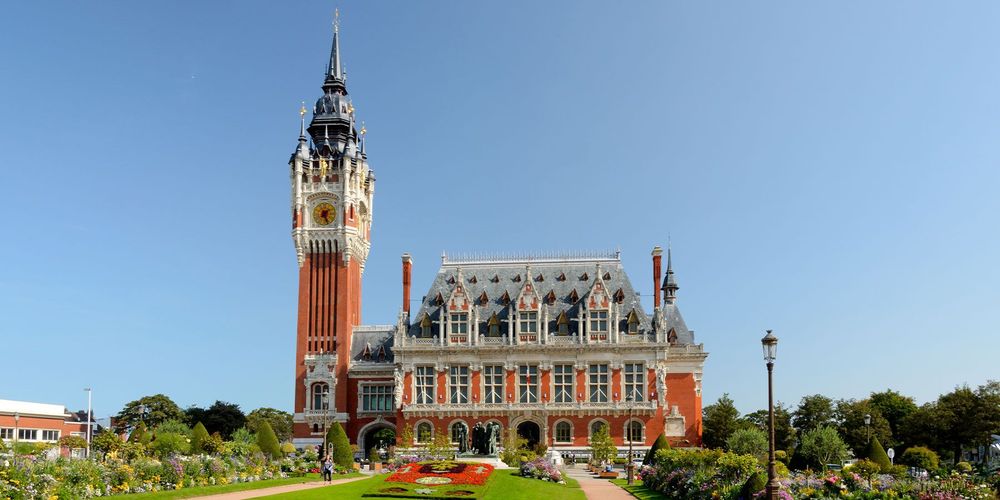
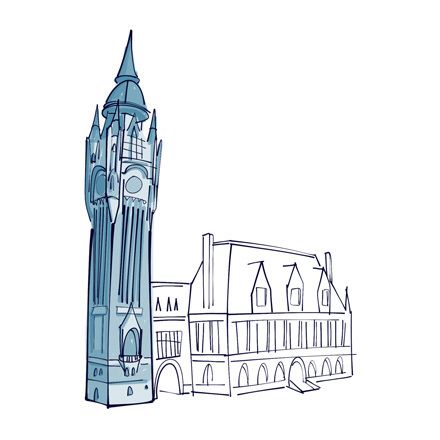
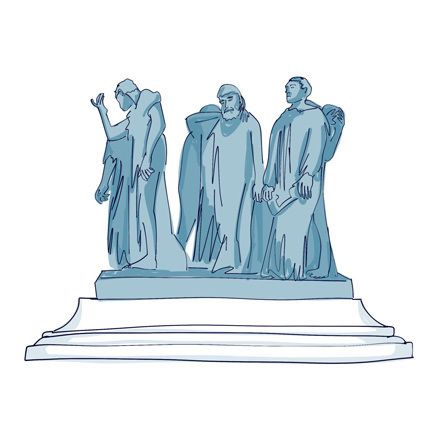
This tour of Calais invites you into a world shaped by maritime power and refined craftsmanship. Take in the imposing silhouette of the Calais Town Hall, with its Flemish-style architecture, and the dramatic bronze of The Burghers of Calais by Auguste Rodin, before heading to the seafront to watch the constant movement of ferries crossing the Channel. From the delicate artistry of its world-famous lace to the fantastical presence of the Calais Dragon roaming along the promenade, the city reveals a proud and resilient character. It’s a walk that weaves between historic lighthouses and wide-open horizons, capturing the full energy of a place that stands watch over the English Channel.
Quand partir à Calais ?
Jan.
7°
12
Feb.
7°
10
March
10°
9
April
12°
8
May
15°
9
June
18°
8
July
21°
8
Aug.
21°
9
Sept.
19°
10
Oct.
15°
12
Nov.
11°
13
Dec.
8°
13
Calais enjoys a distinct oceanic climate, strongly influenced by its strategic position on the shores of the Strait of Dover (Pas-de-Calais), with cool and breezy summers averaging 20°C and temperate but windy winters fluctuating between 3°C and 8°C. The ideal period to discover the "City of the Six Burghers" runs from June to September, offering the best chances of sunshine to admire the cliffs of Cap Blanc-Nez or to see the famous Dragon of Calais wandering along the seafront. The month of July is particularly pleasant for enjoying the fine sand beaches without the intense heat of the south, while autumn, though wetter, offers spectacular light over the strait, sometimes making it possible to see the English coast with striking clarity.
Départ conseillé
No need to worry about where to begin! Our tours are designed as a loop, so you can jump in wherever you are. The navigation system and audio-guide will automatically adjust to your location. However, if you happen to be nearby, we do have a preferred starting point: On Quai d'Angoulême.
Parking à proximité
Parking Place d'ArmesPlace d'Armes car park.
À savoir
Like many tourist destinations, Calais offers a combination of discounts and benefits on transport and activities through the Visit Pass. A great way to explore the city at your own pace while making the most of local deals.
You'll quickly notice that Calais has a serious lack of public toilets. To avoid any unpleasant urgency during your visit, we recommend making use of restroom facilities in cafés, bars, or restaurants when you stop to eat or drink.
Découvrez 25 lieux d'intérêt pour visiter Calais















Le plein d'inspirations
Explorez le monde en totale liberté, à pied au cœur des villes ou au fil des routes. Nos guides audios transforment chaque destination en une découverte culturelle immersive et unique.








FAQ for visiting Calais
When is the best time to visit Calais?
The ideal time to discover Calais runs from June to September, when the oceanic climate offers its best conditions. Summer temperatures stay pleasant, around 20°C, perfect for exploring the city on foot without suffering from the heat. July is particularly enjoyable for making the most of the beaches and the seafront. Autumn brings spectacular light over the strait, sometimes letting you glimpse the English coast with exceptional clarity. Winters remain mild but windy, ranging between 3°C and 8°C. Spring can be changeable but draws fewer tourists. Always pack a windbreaker, whatever the season, as the nearby Channel regularly brings sea breezes.
How much time do you need to visit Calais?
A full day lets you discover the essentials of Calais while taking your time. You can admire the imposing Flemish Town Hall, contemplate Rodin's Burghers, explore the lace museum and stroll along the seafront. For a more in-depth visit including the surroundings such as Cap Blanc-Nez or an encounter with the Dragon of Calais, plan for two days. A whole weekend gives you the chance to alternate between historic heritage and relaxation on the beaches. Audio tours such as the one offered by Ryo make the most of your time by guiding you efficiently between the major points of interest, usually in two to three hours for the main circuit.
How do you get around Calais?
The centre of Calais is easy to explore on foot, with most of the main attractions reachable within a few minutes' walk. A network of city buses serves the outlying neighbourhoods and the beaches, handy for reaching the seafront from the station. Cycling is an excellent option, with well-designed bike paths, especially along the coast. To explore the surroundings such as Cap Blanc-Nez, a car remains recommended. Free shuttles often run between the town centre and the shopping areas. Taxis and ride-hailing services are available but less numerous than in major cities. The town is very flat, which makes getting around on foot or by bike much easier for all ages.
What can you do with children in Calais?
Calais offers lovely family activities, starting with the vast fine-sand beaches where children can build castles and collect seashells. The Dragon of Calais particularly fascinates the youngest when it comes to life and strolls majestically along. Richelieu Park offers playgrounds and green spaces to unwind. The Cité de la Dentelle captivates with its demonstrations of traditional crafts. Walks along the seafront let you watch the impressive ferries departing for England. In fine weather, an outing to the lighthouse or a visit to the Second World War blockhouses sparks historical curiosity. The crêperies and ice cream shops in the centre offer welcome sweet breaks between discoveries.
What are the must-see monuments in Calais?
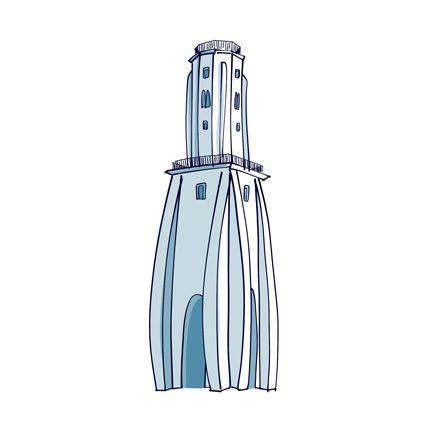
The Town Hall and its UNESCO-listed belfry majestically dominate the square, a true jewel of Flemish architecture. Right in front, Rodin's six Burghers embody the town's heroic history in bronze. The Calais lighthouse, recognisable by its octagonal tower, has watched over the port for centuries. The Watchtower, a medieval relic, bears witness to the fortified past. The Notre-Dame church presents a surprising mix of architectural styles. The Cité de la Dentelle celebrates the craftsmanship that made Calais famous worldwide. An audio tour such as Ryo's guides you intelligently between these treasures, enriching your visit with historical anecdotes and often little-known architectural details.
How do you get on board the Dragon of Calais?
The Dragon of Calais is not an attraction you board in the strict sense, but rather a monumental moving sculpture that roams the seafront during special events. This spectacular mechanical creature, several metres tall, comes to life during scheduled performances usually held on weekends and during school holidays. You can follow its movements along the seawall and sometimes watch it interact with the public. Times vary depending on the season and the weather, so it is advisable to check the schedule with the tourist office. Watching the Dragon remains free and is a magical moment, particularly enjoyed by families. Its presence turns a simple stroll into a fascinating urban spectacle.
Where can you eat in Calais?
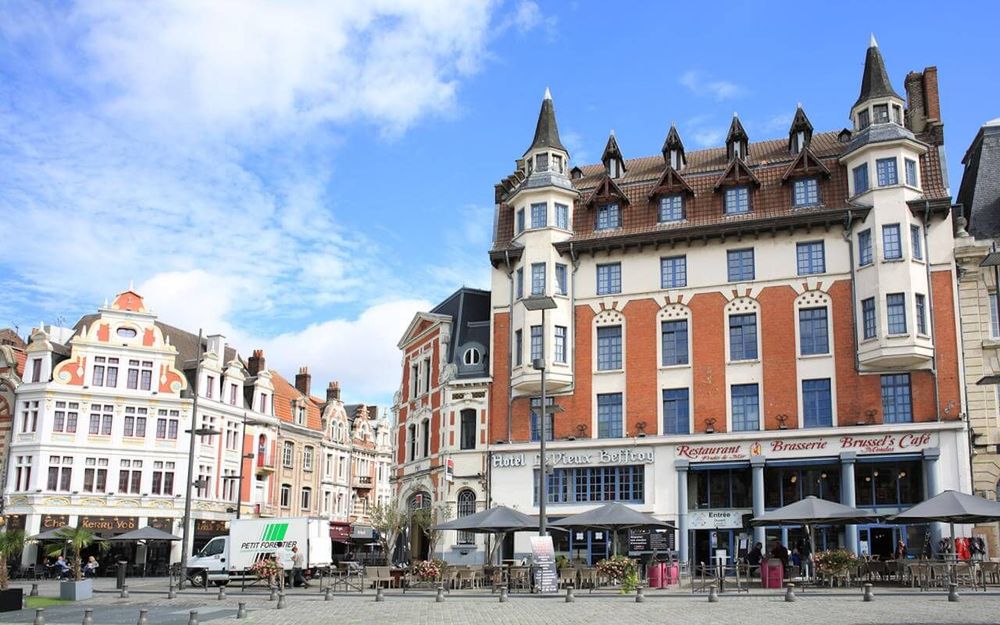
Calais offers a fine variety of cuisine, from seafood restaurants by the port to traditional brasseries in the town centre. Local specialities include mussels and chips, maroilles cheese and dishes based on the day's fresh fish. The port district offers an authentic atmosphere with its establishments serving the local catch. In the historic centre, you will find typical northern estaminets serving comforting dishes such as Flemish carbonnade. The pedestrian streets are also home to crêperies, pizzerias and international restaurants for every taste. The covered market lets you discover regional produce. Prices generally remain reasonable compared with major tourist cities. Don't hesitate to ask for the specials of the day, often excellent and affordable.
Can you see England from Calais?
On a clear day, you can indeed glimpse the English coast from Calais, notably the white cliffs of Dover located just about thirty kilometres away. The best viewpoints are on the seafront, especially from the seawall or the pier. Cap Blanc-Nez, a few kilometres from Calais, offers an even more spectacular panorama over the strait. Visibility depends heavily on weather conditions, with autumn mornings and winter days after rain often offering exceptional clarity. Bring binoculars to better make out the details of the English coast. This unique geographical closeness is a constant reminder of the historic ties between the two countries and makes Calais a prime vantage point over the Channel.
Where can you discover the history of lace in Calais?
Machine-made lace built the fortune of Calais from the nineteenth century onwards, when manufacturers from England smuggled their looms across the Channel. The Cité de la dentelle et de la mode, set in a former factory beside the canal, retraces that story: you watch imposing Leavers looms in action, whose noise and mechanics are striking, and you follow the thread from the first drawing to the couture dress.
The visit mixes industrial heritage, contemporary creation and fashion exhibitions, which makes it a good call in any weather. The surrounding Saint-Pierre district still bears traces of the trade, with its workers' houses and old multi-storey factories. The Ryo audio guide offers a dedicated Calais route that places this industrial past back into a walk through the city.
What is there to do on the seafront and beach in Calais?
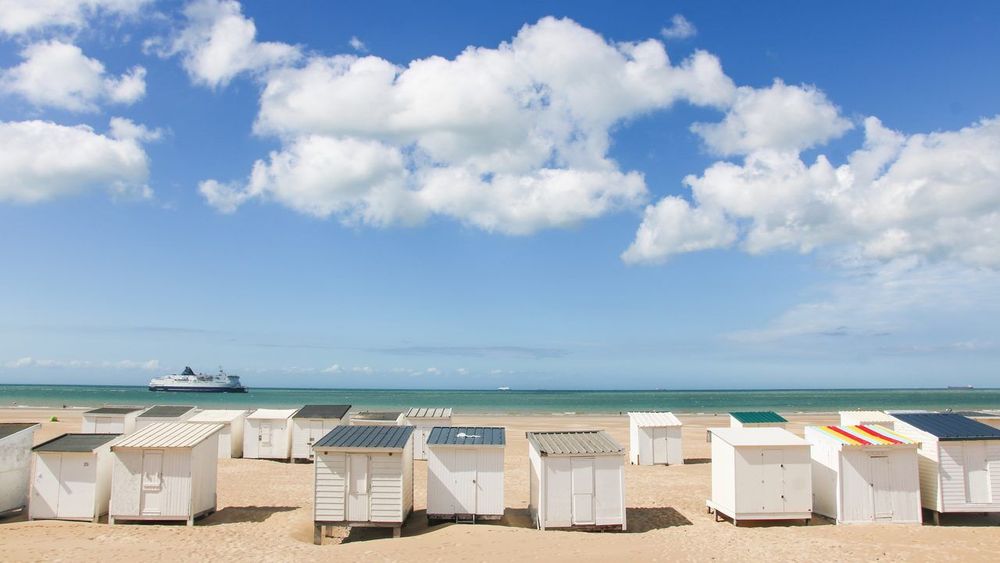
The beach at Calais rolls out a broad stretch of pale sand up to the dunes, minutes from the centre. The sea wall and its promenade let you walk along the water facing the endless ballet of the ferries, with the cliffs of Cap Blanc-Nez in the distance on clear days. The lighthouse, set slightly back, can be climbed and rewards the effort with a sweeping view over the town and the strait.
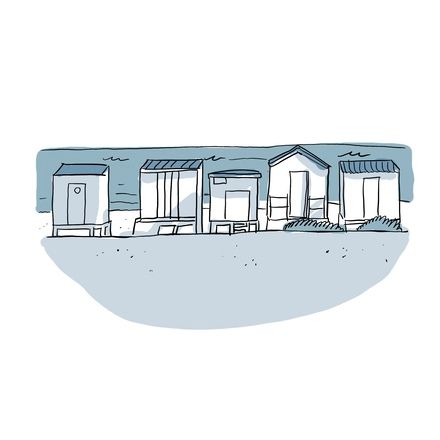
The setting suits games, kite flying and board sports, as the wind is rarely absent. Colourful huts, playgrounds and terraces bring the seafront alive in the warmer months, while the jetties attract anglers all year round. Bring a windbreaker even in summer: the light and the weather change quickly on this coast.
Vos commentaires, idées et suggestions
Aucun avis pour le moment