





Créé par Emilie, le 4 oct. 2026
Votre guide Ryo
Fort-de-France, Martinique
Welcome to the Island of Flowers
Parcours audioguidé pour visiter Fort-de-France en 1 jour
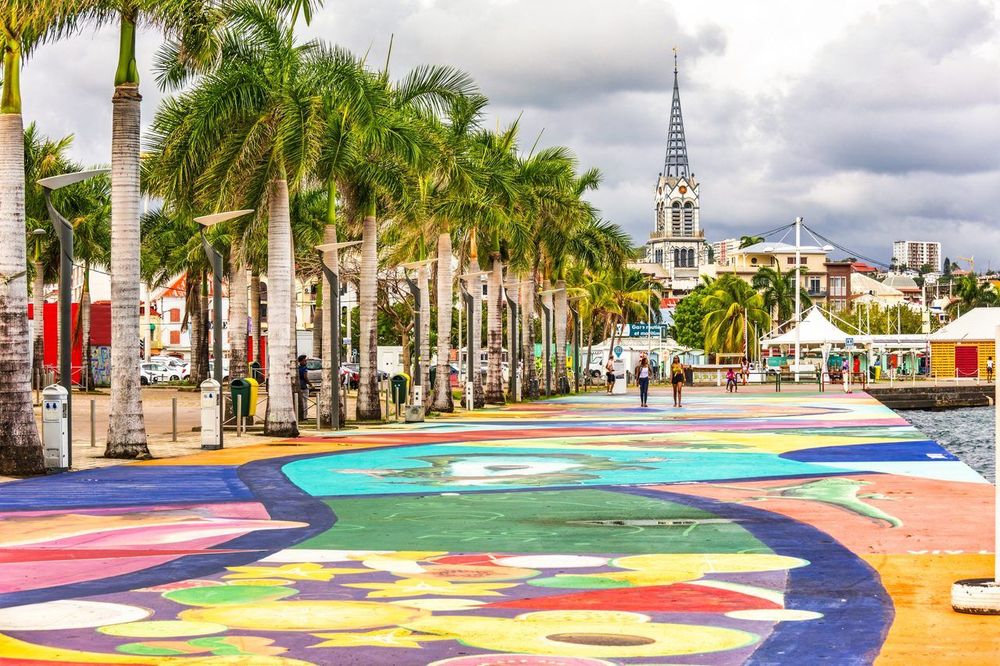
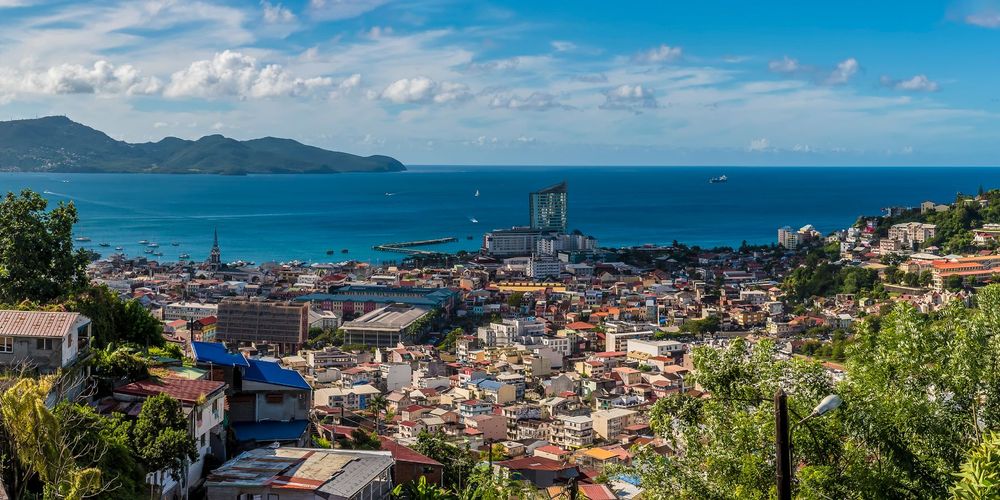
The lively capital of Martinique, Fort-de-France blends history, Creole culture, and a tropical atmosphere. With its landmarks, colorful markets, and local life, the city offers a vibrant immersion at the heart of the island.
Quand partir à Fort-de-France ?
Jan.
26°
13
Feb.
26°
10
March
27°
10
April
27°
12
May
28°
15
June
28°
17
July
28°
18
Aug.
28°
19
Sept.
28°
20
Oct.
28°
21
Nov.
27°
19
Dec.
26°
15
Martinique has only two seasons: the dry season and the rainy season. The dry season lasts from December to April and is more commonly referred to as ""carême"". This is the best time to go on holiday to the island, and without a doubt the most popular season for tourists. Temperatures hover around 25°C and can even reach up to 35°C. The weather is sunny, and rain showers are rare. It’s the perfect time to enjoy the beaches, go hiking, or explore Creole culture. However, it’s worth noting that no matter when you book your plane ticket, temperatures generally range between 25°C and 32°C. The rainy season, from June to November, is marked by frequent and sometimes heavy downpours, which in some cases can lead to tropical waves—this is also known as the “cyclone season.” But don’t worry, that doesn’t happen all the time. Most of the time, the weather is fine and the sun shines high in the sky. Tropical waves usually occur in the afternoon and can last for several days, during which the entire island may be placed on red alert and people are advised to stay indoors. Temperatures are higher during this season and can reach 33°C or even more. Humidity tends to be intense, and there is very little wind, which can make afternoons quite uncomfortable.
Départ conseillé
No need to worry about where to begin! Our tours are designed as a loop, so you can jump in wherever you are. The navigation system and audio-guide will automatically adjust to your location. However, if you happen to be nearby, we do have a preferred starting point: Parc la Savane
Parking à proximité
Parking de la Savane
À savoir
Martinique is part of France and uses the Euro (€). However, prices are on average 12.3% higher than in mainland France. The difference is especially noticeable when it comes to food, which can cost up to 40% more.
Découvrez 15 lieux d'intérêt pour visiter Fort-de-France



Le plein d'inspirations
Explorez le monde en totale liberté, à pied au cœur des villes ou au fil des routes. Nos guides audios transforment chaque destination en une découverte culturelle immersive et unique.
FAQ for visiting Fort-de-France
When is the best time to visit Fort-de-France?
The ideal time to discover Fort-de-France runs from December to April, during the dry season known locally as "carême" (Lent). You'll then enjoy sunny weather with pleasant temperatures around 25°C and little rain. It's the perfect moment to explore the city on foot, wander through the markets and discover the monuments without worrying about showers. Between June and November, during the rainy season, temperatures stay warm but humidity rises and tropical showers can occur, usually in the late afternoon. Even though this period is less touristy, Fort-de-France keeps its charm and the mornings generally remain sunny for your sightseeing.
How long do you need to visit Fort-de-France?
A full day lets you comfortably discover the main attractions of Fort-de-France. In half a day, you can explore the historic centre, visit Saint-Louis Cathedral, walk through the covered market and admire the Schoelcher Library. For a deeper immersion including the museums, the Savane gardens and a lunch break in a Creole restaurant, set aside a whole day. If you really want to take your time and discover the more authentic neighbourhoods, two days will let you fully appreciate the local atmosphere and venture into the less touristy lanes where the heart of Martinican life beats.
Which monuments and sites are must-sees?
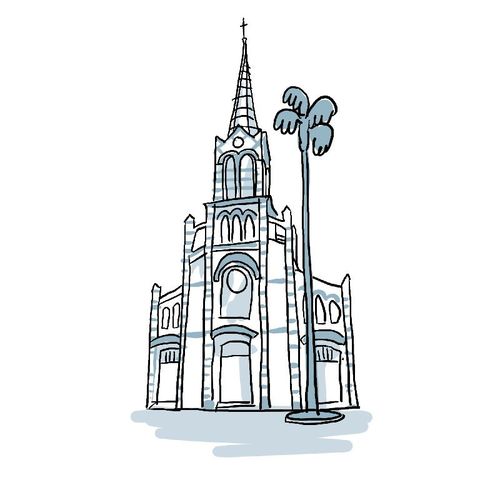
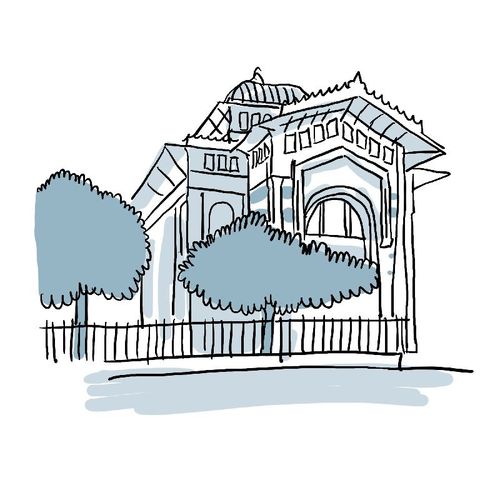
Fort-de-France is brimming with architectural and cultural treasures that tell the story of Martinique. The Schoelcher Library, a metal masterpiece in shimmering colours, is an absolute must-visit. Saint-Louis Cathedral impresses with its neo-Gothic architecture, while Fort Saint-Louis offers a dive into the island's military past. Don't miss the Savane gardens, a green lung where the statue of Joséphine stands, nor the covered market for its explosion of colours and flavours. The Ryo audioguide accompanies you as you discover these highlights with enriching commentary that reveals the secrets and anecdotes of each landmark of the Martinican capital.
How do you get around Fort-de-France?
The centre of Fort-de-France is easily explored on foot, which remains the best way to soak up the local atmosphere. For longer distances, you can use the Mozaïk network buses, which serve the city and its surroundings well. Shared taxis, recognisable by their number plates starting with TC, are an economical and authentic option for getting around. If you prefer more independence, car hire remains practical, but watch out for traffic jams at rush hour and parking that can be tricky in the city centre. To reach the beaches or more distant sites, consider the sea shuttles that depart from the Pointe Simon terminal.
Where can you swim near the city centre?
Fort-de-France isn't known for its urban beaches, but you'll easily find swimming spots nearby. La Française beach, a few minutes' drive to the west, offers calm water ideal for families. A little further on, Anse Mitan and Anse à l'Âne, reachable by sea shuttle from the Pointe Simon terminal, offer beautiful stretches of golden sand lined with coconut palms. For a wilder experience, head to Madiana beach in Schoelcher, much loved by locals. These beaches generally have restaurants and sun-lounger rentals so you can fully enjoy the Caribbean Sea after your cultural tour of the capital.
What can you buy at the Fort-de-France market?
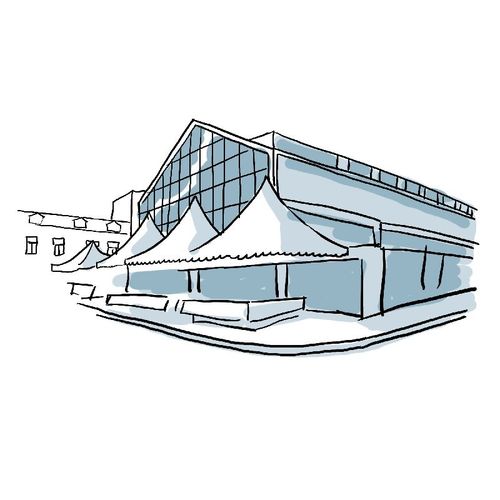
The large covered market of Fort-de-France is a true festival for the senses, where you'll discover all the richness of Martinique. The stalls overflow with tasty tropical fruits such as mangoes, pineapples, passion fruit and starfruit. You'll also find the famous Creole spices, essential for recreating local flavours at home: colombo, bay rum berries, vegetarian chilli. Local craftwork is well represented, with items in colourful madras fabric, traditional bakwa hats and jewellery made from natural seeds. Don't forget to bring back some flavoured rum in its many varieties, exotic jams and perhaps a few sticks of fresh vanilla. The vendors will be delighted to advise you and let you taste their products.
What time should you visit Fort-de-France to avoid the crowds?
To fully enjoy Fort-de-France without the crush, opt for morning visits. From eight o'clock, the city gently wakes up and you can explore the monuments in a peaceful atmosphere before the tour groups arrive. The market is particularly pleasant early in the morning, when the traders are setting up their stalls and the atmosphere remains authentic. Avoid the period between noon and two o'clock, when the heat and the crowds are at their peak. In the late afternoon, after four o'clock, the city recovers its calm and the golden light enhances the colourful facades. Saturday morning stays lively but authentic, with many locals doing their shopping, while Sunday offers a welcome tranquillity for strolling at your own pace.
What can you discover in Fort-de-France in Aimé Césaire's footsteps?
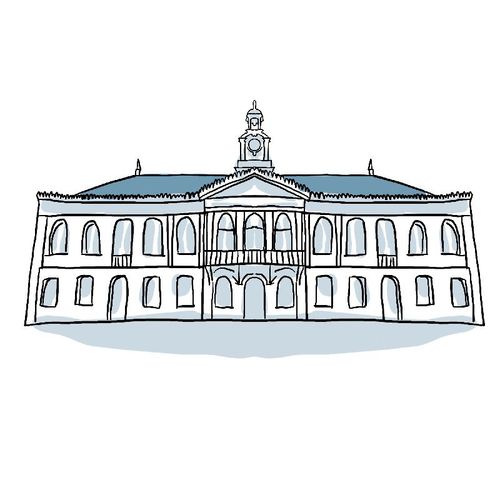
A poet of négritude and for many years mayor of the city, Aimé Césaire left a visible mark all over Fort-de-France. His office, kept just as he used it at the city hall, can be visited and gives a very concrete sense of the politician at work, among books, letters and photographs. A foundation carries that legacy further with exhibitions and talks devoted to his writing and to Caribbean thought.
The house where he lived, up in the heights of the commune, adds a more intimate note to this trail, while the theatre and several public places now bear his name. The Ryo audio guide offers a dedicated Fort-de-France route that sets these stops back into the history of the city.
Where can you find gardens and greenery in Fort-de-France?
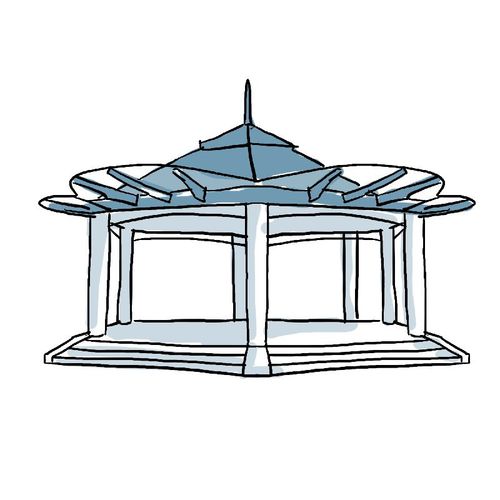
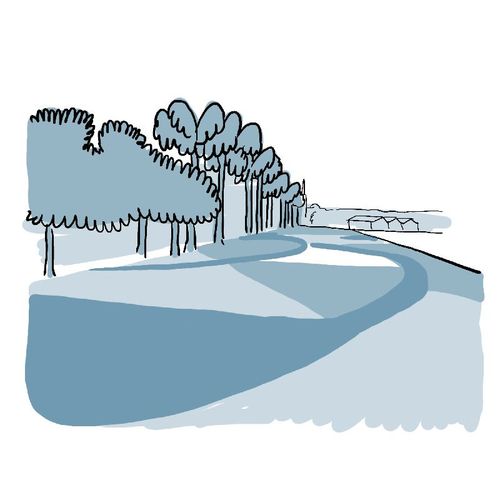
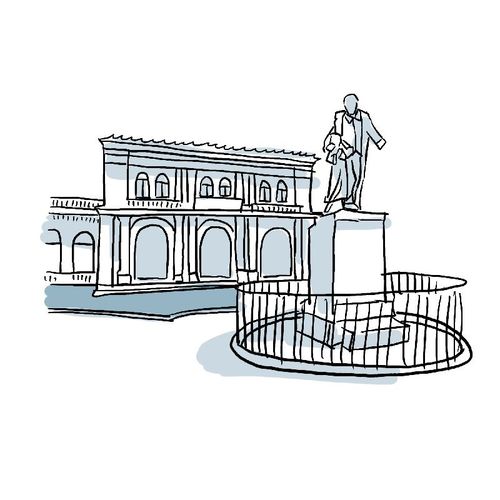
Right in the centre, La Savane is the city's great green lung: an esplanade planted with royal palms, lined with bandstands and open onto the bay, where people come to sit in the shade between two visits. Not far away, a floral park laid out along the canal brings together tropical species and shaded paths, in a district that is very lively during the day.
Up in the heights of the commune, the road climbing inland leads to the famous creole garden of Balata, a private botanical garden where suspended walkways carry visitors along at canopy level, among heliconias, tree ferns and hummingbirds, with the Pitons du Carbet as a backdrop. Bring sturdy shoes and water, as the climb is often hot and humid.
Which creole specialities should you taste in Fort-de-France?
Martinican cooking makes itself known from the aperitif onwards, with salt cod accras and spicy creole black pudding, often served with a fresh fruit juice or a ti-punch made from the island's agricultural rum. Then come the slow-cooked dishes the local table is known for: chicken or goat colombo fragrant with spices, fish court-bouillon, octopus fricassee, not forgetting féroce d'avocat, at once fiery and refreshing.
The meal is happily rounded off with a hand-churned coconut sorbet, a flambéed banana or a few sweets made with coconut and guava. You will find these dishes both in the small eating places of the centre and from the vendors set up near the waterfront, above all at lunchtime.
Vos commentaires, idées et suggestions
Aucun avis pour le moment