
Créé par Romane, le 4 oct. 2026
Votre guide Ryo
Antibes, France
Let’s head to the French Riviera
Parcours audioguidé pour visiter Antibes en 1 jour
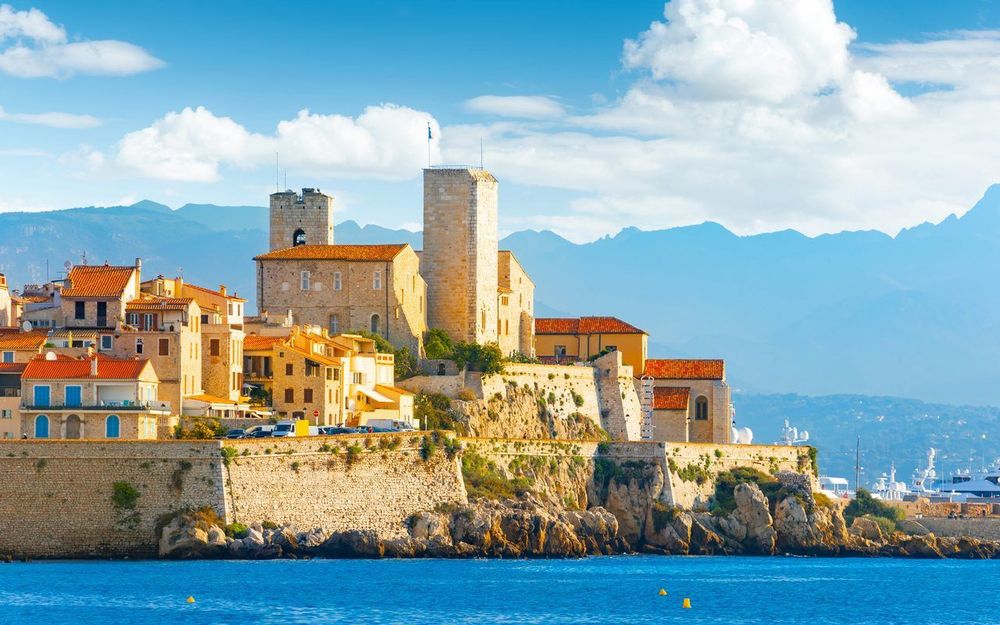
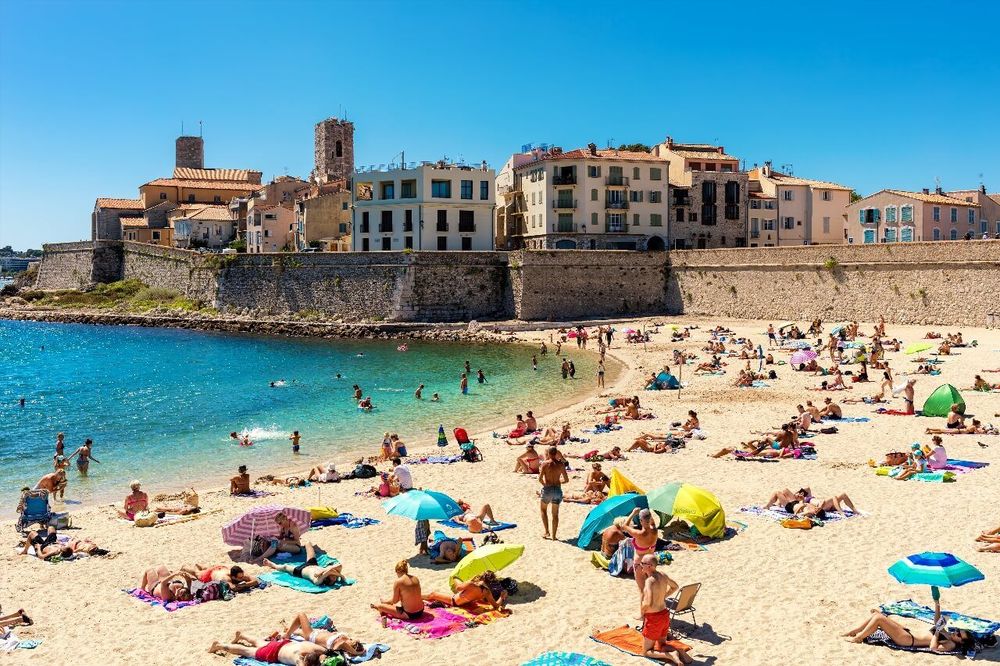
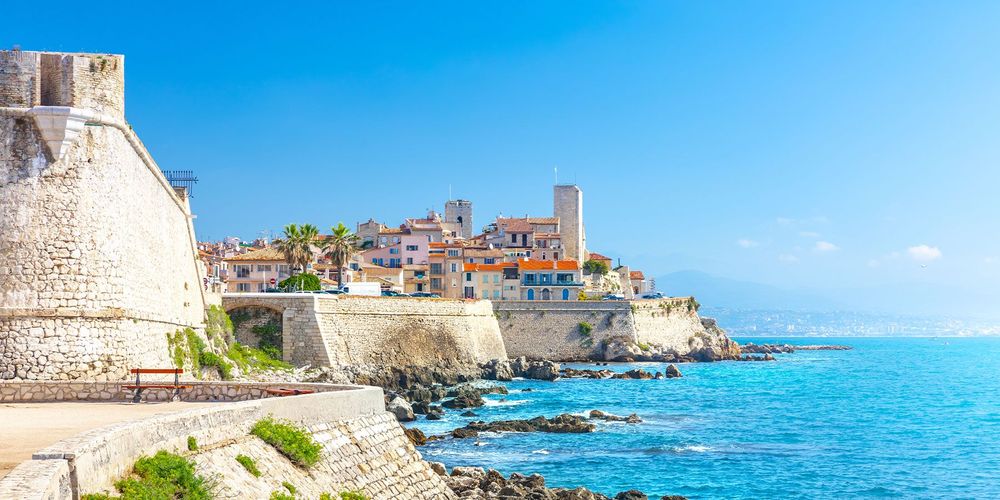
This visit invites you to an immersion in the heart of a city of character, protected by its centuries-old fortifications that defy the waves. Let yourself be charmed by the labyrinth of flower-filled alleys where the air is filled with the scents of the market and Mediterranean sea spray. Between the strength of the ochre stone walls enclosing the old town and the brilliant clarity of the open waters, the city reveals a character that is both secret and sun-drenched, having captivated the greatest painters. An exploration on foot, balancing hanging gardens and blue horizons, to capture the full magic of a stopover where beauty hides in every corner of shadow and light.
Quand partir à Antibes ?
Jan.
13°
6
Feb.
13°
5
March
15°
5
April
17°
7
May
21°
6
June
25°
4
July
28°
1
Aug.
28°
2
Sept.
25°
6
Oct.
21°
9
Nov.
17°
9
Dec.
14°
7
Antibes enjoys a Mediterranean climate, offering hot, dry summers around 28°C and very mild winters with daytime averages close to 13°C. The ideal period runs from May to October to enjoy the beaches and the coastal path (Sentier du Littoral) at Cap d'Antibes. The month of July is a must for the Jazz à Juan festival, while June and September offer the best conditions to explore Old Antibes and the Picasso Museum without the crowds or the scorching heat.
Départ conseillé
No need to worry about where to begin! Our tours are designed as a loop, so you can jump in wherever you are. The navigation system and audio-guide will automatically adjust to your location. However, if you happen to be nearby, we do have a preferred starting point: Place des Martyrs de la Résistance
Parking à proximité
Covered parking lot des Frères Olivier : 8-22 boulevard Gustave Chancel
Parking in Antibes is no easy feat, especially in summer… Street parking is scarce, and paid car parks can be very expensive. If you want to park in the city center, be prepared to either pay the price or spend some time searching for a spot on the street. Don’t forget to use the parking meter to pay. If you're looking for free parking, you’ll need to park further out and walk or take public transport into town. It's a good idea to check ahead of time for a list of the city’s free parking areas.
À savoir
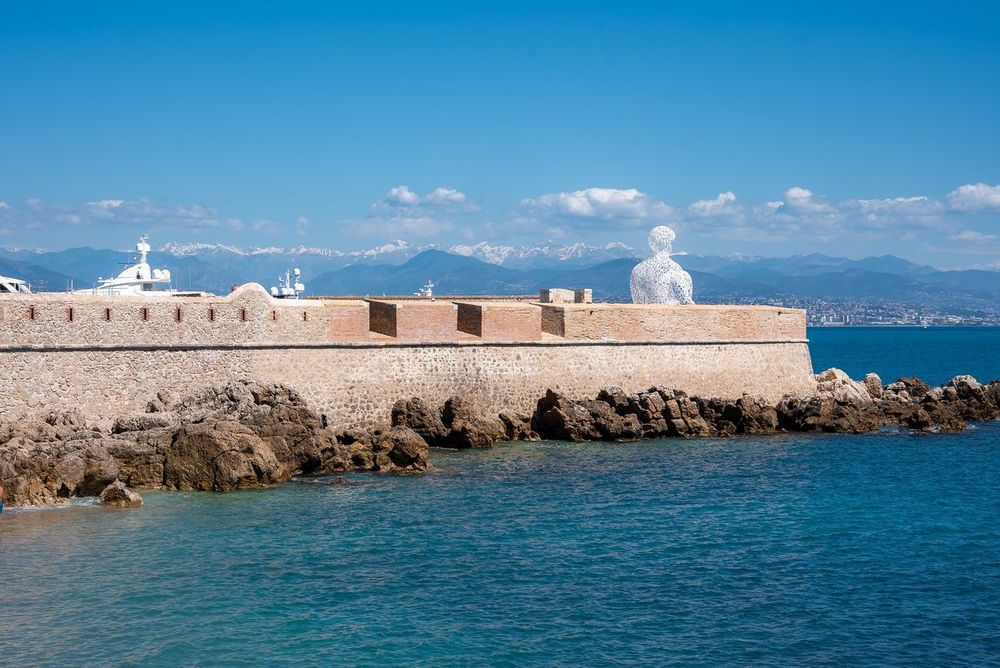
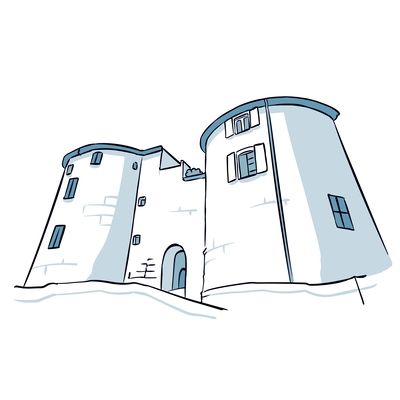
This tour includes a stop at the Saint-Jaume Bastion. Access is free, but the site is only open on certain days and at specific times. Make sure to check the opening hours before your visit to ensure you can go inside. If it’s closed when you arrive, you can simply return to the Quai des Pêcheurs to continue the tour.
Découvrez 23 lieux d'intérêt pour visiter Antibes











Le plein d'inspirations
Explorez le monde en totale liberté, à pied au cœur des villes ou au fil des routes. Nos guides audios transforment chaque destination en une découverte culturelle immersive et unique.





FAQ for visiting Antibes
When is the best time to visit Antibes?
The ideal time to discover Antibes runs from May to October, when the Mediterranean climate reveals all its splendour. Summer temperatures approach 28°C, perfect for enjoying the beaches and the coastal path at Cap d'Antibes. If you love jazz, July is a must with its famous festival in Juan-les-Pins. To explore the old town of Antibes and its flower-filled lanes at ease, favour June or September: you will avoid the summer crowds while still enjoying radiant weather. Winters remain very mild with temperatures around 13°C, allowing pleasant walks in the off-season.
How much time do you need to visit Antibes?
A full day lets you discover the essentials of Antibes: wandering through the fortified old town, visiting the Provençal market, exploring the ramparts and enjoying a break on one of the beaches. For a deeper experience, allow two to three days. That will give you time to walk the Cap d'Antibes path, visit the museums, notably the one dedicated to Picasso, and savour the unique atmosphere of this seaside town. Lovers of leisure will happily add an extra day to alternate between sandy beaches and secret coves, all while soaking up the Mediterranean art of gentle living.
How do you get to Antibes and how do you get around?
Antibes is easily reached from Nice-Côte d'Azur airport, located about twenty kilometres away. Direct buses regularly link the airport to the town, and the train also serves Antibes station from Nice or Cannes. Once there, the historic centre is best explored on foot to fully enjoy the charm of the lanes. Urban buses serve the different districts and the more distant beaches. To explore Cap d'Antibes, walking remains the best option along the coastal path, but you can also rent a bicycle. A car is not essential in the town centre, where car parks can quickly fill up in high season.
What are the must-sees in Antibes?
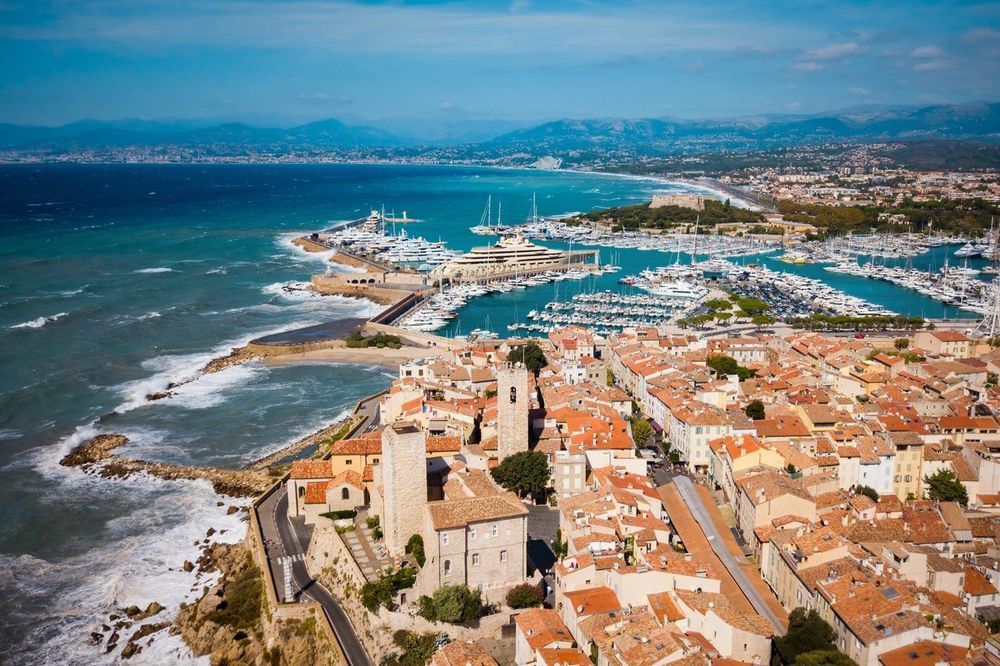
The historic heart of Antibes, encircled by its centuries-old ramparts, is the essential starting point of your visit. The Château Grimaldi, now the Picasso Museum, is worth the detour for its collections and its stunning view. Then stroll through the Provençal market, a true festival of Mediterranean colours and scents. The ramparts offer a spectacular walk between land and sea, while the Port Vauban impresses with its luxury yachts. The Ryo audioguide accompanies you on this discovery with a narrated route that reveals the secrets of the city. Do not miss the Cap d'Antibes path for an unforgettable walk between wild coves and Belle Époque villas.
Where are the most beautiful beaches in Antibes?
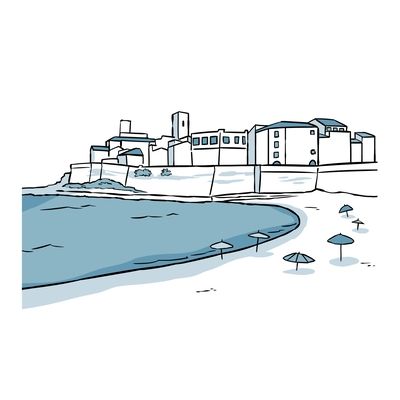
Antibes offers a range of beaches for every taste along its twenty-five kilometres of coastline. La Gravette beach, nestled at the foot of the ramparts, charms with its picturesque setting and calm waters, ideal for families. Further south, La Salis beach offers a splendid view of the old town and the snow-capped Alps on clear days. Lovers of unspoilt nature will appreciate the secret coves of Cap d'Antibes, reachable via the coastal path. On the Juan-les-Pins side, the fine sandy beaches stretch out generously, lively in summer and well suited to water sports. Each beach has its own character, between a family atmosphere and wilder spots.
Where can you park in Antibes?
Parking in Antibes requires a little planning, especially in high season. Several underground car parks serve the town centre, notably near the port and beneath Place du Général de Gaulle. These covered car parks remain practical but can fill up quickly in summer. Surface car parks are available along the coast, often free in the off-season but paid from June to September. To visit the old town, favour the outlying car parks and continue on foot, all the more so since the narrow lanes do not allow car traffic. Residents of neighbouring towns can also opt for the train and thus avoid the hassle of parking, particularly during summer events.
What is there to see at the Picasso Museum in Antibes?
The museum occupies the Château Grimaldi, a former lordly residence built on the foundations of the ancient town, facing the sea. It owes its collection to the stay Picasso made there in the autumn of 1946: the artist set up his studio for a few months and left the city a large part of the work he produced there, paintings, drawings and ceramics alike.
The visit draws much of its power from the setting itself, with Mediterranean light pouring through the windows onto canvases peopled with fauns, fish and sea creatures. The terrace opening onto the ramparts, dotted with sculptures, looks straight down onto the waves and is worth the visit in its own right. The Ryo audio guide offers a dedicated Antibes route linking the château, the ramparts and the lanes of the old town.
How can you walk around Cap d'Antibes?
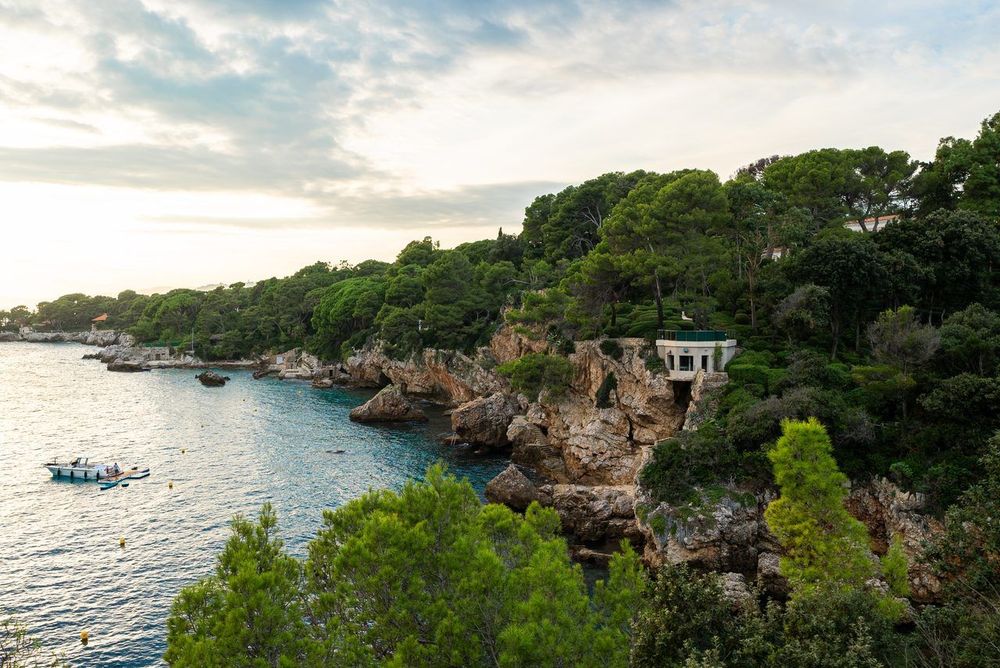
The coastal path, often called the Sentier de Tirepoil, rounds the southern tip of the cape by hugging the rocks as closely as possible. It usually starts from La Garoupe beach, and the route alternates between stretches cut into the stone, small coves and wide open views out to sea, skirting properties hidden behind the pines.
Bring shoes with a good grip and water, and set off outside the hottest hours: the walk is not difficult but it is exposed, and it can be closed when the sea is rough. Climbing back up to the Garoupe plateau, the lighthouse and its chapel lined with sailors' votive offerings command a panorama stretching from the Baie des Anges to the snow-capped peaks in spring, while the botanical garden of Villa Thuret rounds off the loop nicely.
What can you find at the Provençal market in Antibes?
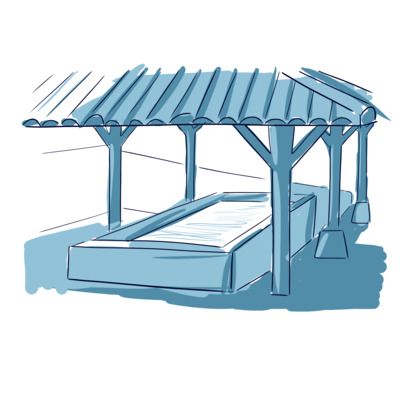
Sheltered by a nineteenth-century hall, the Cours Masséna market takes over the heart of the old town every morning. The stalls overflow with seasonal fruit and vegetables, olives, goat's cheeses, cut flowers and Provençal herbs, alongside the seafront fishmongers, fougasse breads and takeaway preparations such as tapenade or socca.
It is also a good place to chat with the producers, many of whom have been there for years, and to put together a picnic before heading for the ramparts or the beach. The hall changes character with the days and the seasons, hosting craftspeople and antique dealers outside food market hours; ask locally, as the calendar shifts between summer and winter.
Why should you visit Fort Carré and Port Vauban?
Set on a grassy peninsula north of town, Fort Carré forms a star with four bastions that once guarded the border of the kingdom of France facing the County of Nice. You reach it by a gently sloping path, and walking the parapet reveals a full circular panorama over the bay, the old town and the hills, with the Alpine peaks as a backdrop on clear days.
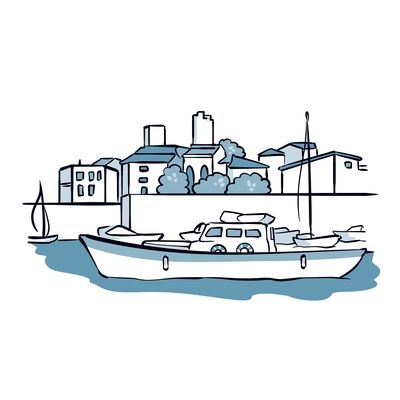
Below stretches Port Vauban, one of the largest marinas in the Mediterranean, where sailing boats sit alongside spectacular yachts along the famous Quai des Milliardaires. The walk following the ramparts as far as the Saint-Jaume bastion links the two sites naturally and works especially well at the end of the day, when the light drops over the masts.
Vos commentaires, idées et suggestions
Aucun avis pour le moment