

Créé par Romane, le 4 oct. 2026
Votre guide Ryo
Hanoi, Vietnam
Land of the Ancient Dragon
Parcours audioguidé pour visiter Hanoi en 1 jour
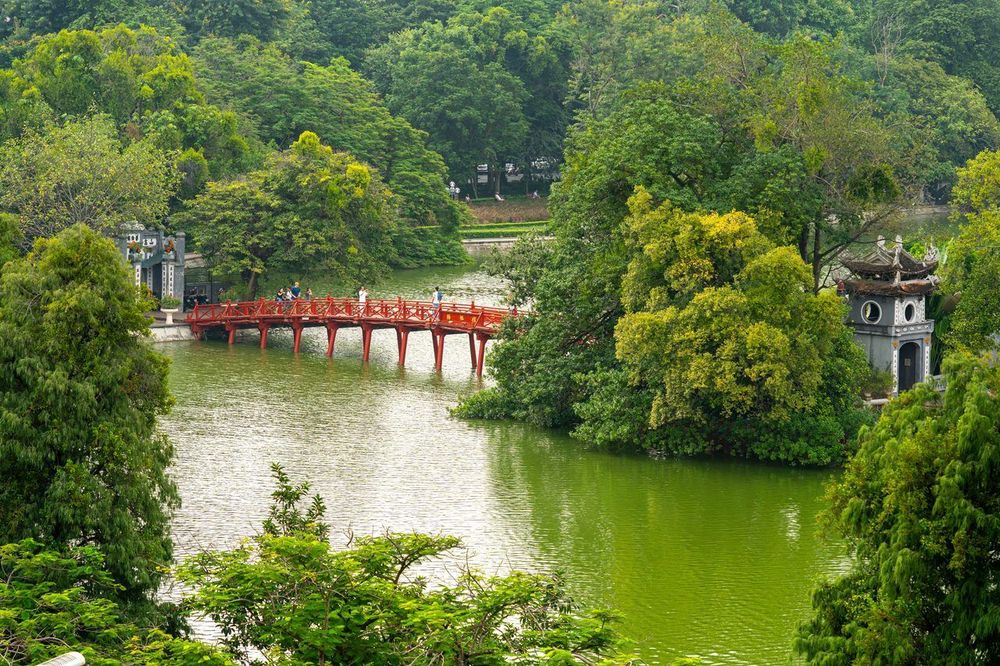
This tour of Hanoi invites you to discover the soul of the Vietnamese capital, from bustling backstreets and ancient temples to facades steeped in history. Along the way, let yourself be carried by the blend of Asian and colonial influences, the street markets, and the daily life that give the Old Quarter its unique energy.
Quand partir à Hanoi ?
Jan.
17°
7
Feb.
18°
9
March
20°
12
April
24°
13
May
28°
15
June
30°
17
July
31°
18
Aug.
30°
17
Sept.
29°
14
Oct.
26°
10
Nov.
22°
7
Dec.
19°
6
The most pleasant times to visit Hanoi are usually in spring and autumn. From March to April, temperatures are mild, humidity is moderate, and the city is often in bloom, making sightseeing especially enjoyable. From October to November, the summer heat and heavy rains have passed, the air is drier, and days are sunny without being stifling — often considered the ideal period. Summer, from May to September, can be challenging due to high heat, humidity, and occasional heavy showers. Winter, from December to February, can be cool, gray, and damp, with surprisingly low temperatures for Vietnam, though it can appeal to travelers looking for a quieter atmosphere.
Départ conseillé
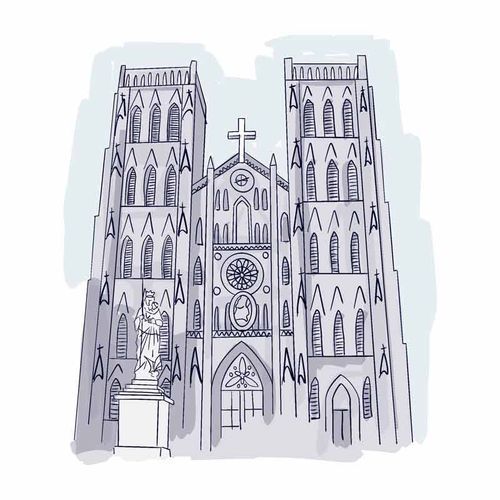
No need to worry about where to begin! Our tours are designed as a loop, so you can jump in wherever you are. The navigation system and audio-guide will automatically adjust to your location. However, if you happen to be nearby, we do have a preferred starting point: in front of the Saint-Joseph Cathedral
Parking à proximité
Tran Nhat Duat Parking : 502 Xuống Cầu, Phúc Tân, Hoàn Kiếm
One of the most convenient options for visitors is the Tran Nhat Duat multi-level parking garage, near the Old Quarter, close to the Red River and within walking distance of Hoan Kiem Lake, for both cars and motorbikes. Around Hoan Kiem Lake and the French Quarter, you’ll also find metered parking along main streets like Lý Thái Tổ, Tràng Tiền, Hai Bà Trưng, and Ngô Quyền, usually monitored by attendants. Near major sites such as the Temple of Literature, there are official visitor parking areas that are easy to access. Large hotels and shopping centers, especially near the Opera area, offer more secure and comfortable parking, though typically at a higher cost. Parking on smaller streets is not recommended due to frequent checks and the risk of fines.
À savoir
Before exploring Hanoi, it’s important to know that the city is dense, lively, and can feel chaotic, especially because of the heavy traffic. Cars, motorbikes, and pedestrians share the streets in ways that don’t always follow the rules you might be used to. Crossing the road takes patience, confidence, and a steady pace.
When visiting temples and cultural sites, wear clothing that covers your shoulders and knees.
Découvrez 29 lieux d'intérêt pour visiter Hanoi












Le plein d'inspirations
Explorez le monde en totale liberté, à pied au cœur des villes ou au fil des routes. Nos guides audios transforment chaque destination en une découverte culturelle immersive et unique.


FAQ for visiting Hanoi
When is the best time to visit Hanoi?
The ideal times to explore Hanoi are spring and autumn. From March to April, you'll enjoy mild temperatures and moderate humidity, with the city adorned with flowers. From October to November, after the rainy season, the air becomes drier and the days sunny without being overwhelming. Summer remains difficult, with heat, humidity and intense downpours, while winter can surprise you with its coolness and grey skies, even if some appreciate the calmer atmosphere of this season.
How many days do you need to visit Hanoi?
Generally plan on three to four days to discover Hanoi at a comfortable pace. This time allows you to explore the Old Quarter, visit the main temples and museums, soak up the atmosphere of the markets and sample the local cuisine. If you'd like to add an excursion to Halong Bay or other nearby sites, plan on five to six days instead. Two days are enough to see the essentials if your time is limited, but you risk missing some authentic aspects of Hanoi life.
Which neighbourhood should you stay in in Hanoi?
The Old Quarter remains the preferred choice for staying in Hanoi. You'll be at the heart of the action, close to the historic sites, restaurants and markets. The French Quarter, around Hoan Kiem Lake, offers a quieter alternative with its wide avenues and colonial buildings, while staying central. The Tay Ho district, near West Lake, suits longer stays with its modern cafés and expat atmosphere. Ba Dinh, the administrative district, offers accommodation close to the major monuments but remains quieter in the evening.
How do you get to the city centre from Hanoi airport?
Noi Bai Airport is located about forty-five minutes from the city centre. The express bus remains the most economical option, with several lines serving different districts of Hanoi. Official taxis and ride-hailing apps like Grab offer more comfort and flexibility, particularly handy if you arrive late. Some hotels provide shuttles, often more expensive but comfortable. The journey can take longer at peak times, so allow enough leeway for your connections.
Which neighbourhoods are must-visits?
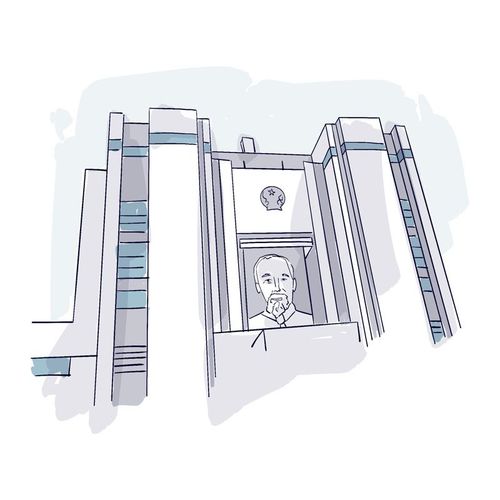
The Old Quarter is the historic heart with its lively lanes and traditional tube houses. The French Quarter charms visitors with its colonial architecture and its wide tree-lined boulevards. Around Hoan Kiem Lake, you'll discover temples and pagodas in a peaceful setting. The Ba Dinh district is home to the Ho Chi Minh Mausoleum and several important museums. The Ryo audioguide accompanies you on this exploration, revealing the hidden stories of each neighbourhood, from the colonial influences to the age-old traditions that shape Hanoi's unique identity.
What should you eat in Hanoi and where can you find street food?
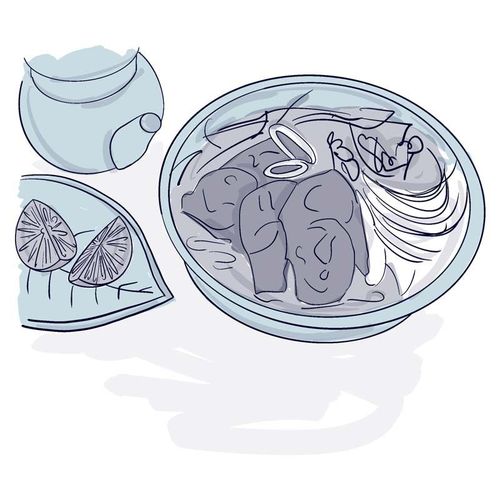
Hanoi's street food is renowned throughout Vietnam. Phở, the iconic soup, is enjoyed everywhere but particularly in the stalls of the Old Quarter. Bún chả, a dish of noodles and grilled pork, is a must, as are bánh mì and fresh spring rolls. The best street food spots are concentrated around the Dong Xuan and Hang Be markets, as well as in the lively lanes of the district of the thirty-six guilds. Don't hesitate to sit down on the little plastic stools, a sign of the authenticity and freshness of the dishes.
How do you get around Hanoi?
Walking is ideal for exploring the historic centre, but crossing the streets requires vigilance in the face of the constant flow of scooters. Ride-hailing apps like Grab make getting around much easier for short or medium journeys. Cyclo rickshaws offer a picturesque experience for short tourist distances. Public buses cover the city well but remain complicated for visitors. Renting a scooter is possible but not advisable without experience of Vietnamese traffic. Traditional taxis operate everywhere; just check that the meter is working.
What excursions can you take from Hanoi?
Halong Bay, a World Heritage Site, remains the flagship excursion, two or three hours' drive away. Ninh Binh, nicknamed the inland Halong Bay, offers spectacular karst landscapes reachable in two hours. Craft villages such as Bat Trang for ceramics or Van Phuc for silk let you discover traditional crafts in half a day. The Perfume Pagoda is an important spiritual pilgrimage, combining a boat trip and a hike. Mai Chau and its ethnic villages appeal for a cultural immersion, generally over two days with a night in a local home.
Where can you see traces of Hanoi's French colonial past?
South of Hoan Kiem Lake lies the former French quarter, laid out in wide avenues lined with trees and villas with pale shutters. The Opera House, modelled on the one in Paris, is its centrepiece; a few streets away, Saint Joseph's Cathedral raises its neo-Gothic towers, darkened by the damp, at the end of a square where people drink tea perched on tiny stools.
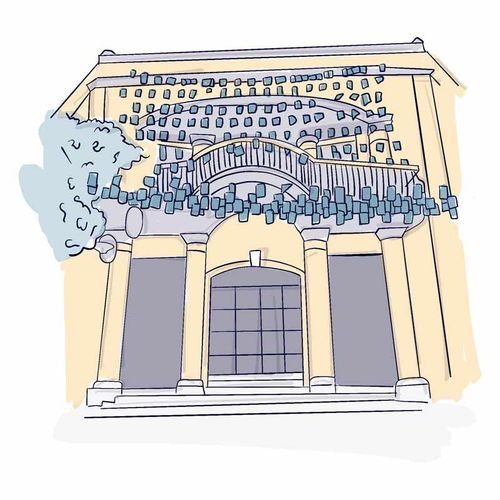
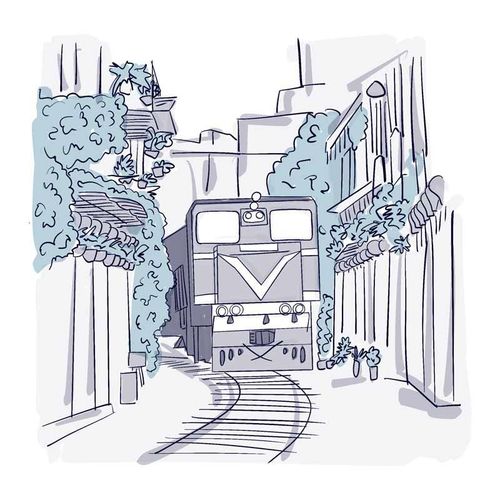
The Long Bien Bridge, a long metal structure thrown across the Red River, can be crossed on foot or by two-wheeler and still bears the scars of the bombing raids. The old administrative buildings, now ministries or museums, are easy to spot by their distinctive yellow ochre walls. The Ryo audio guide offers a dedicated Hanoi route that links these buildings and tells the story of the period as you walk.
What can you do in Hanoi in the evening?
The city comes alive as soon as darkness falls. Around Hoan Kiem Lake, the streets become pedestrian from Friday evening to Sunday: families, traditional games, street musicians and groups of dancers take over the road in a cheerful, easy-going atmosphere. The night market in the old quarter, meanwhile, spreads its stalls along several streets, mixing trinkets, clothes and street food.
The crossroads nicknamed Bia Hoi, where people sit on tiny stools to drink beer brewed that same day, remains a rite of passage for the atmosphere rather than the decor. Those who prefer something quieter will enjoy a terrace beside West Lake, whose shores are made for a stroll at sunset. The streets of the centre then quieten down fairly early in the night.
Vos commentaires, idées et suggestions
Aucun avis pour le moment