
Créé par Emilie, le 4 oct. 2026
Votre guide Ryo
Ljubljana, Slovenia
The City of Dragons
Parcours audioguidé pour visiter Ljubljana en 1 jour
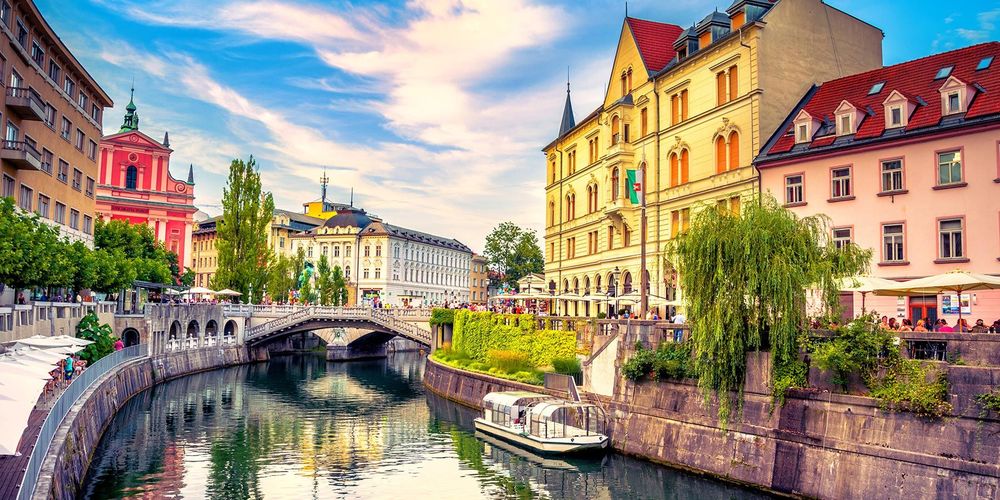
A human-sized capital, Ljubljana charms with its friendly atmosphere and lively center along the Ljubljanica River. With its elegant architecture, iconic bridges, and creative spirit, the city invites a peaceful and enjoyable exploration.
Quand partir à Ljubljana ?
Jan.
2°
10
Feb.
4°
9
March
9°
10
April
13°
12
May
18°
14
June
22°
13
July
25°
12
Aug.
25°
11
Sept.
20°
11
Oct.
14°
11
Nov.
8°
11
Dec.
3°
11
Ljubljana is at its best for walking from April to October, when the mild, sunny weather makes strolling a pleasure. In spring, the parks and café terraces come alive, summer is lively but rarely stifling thanks to all the greenery, autumn paints Tivoli Park and the surrounding hills in warm colors, and winter has its own charm with Christmas markets, lights and even a dusting of snow on the old rooftops. And in any season, Slovenia works its magic.
Départ conseillé
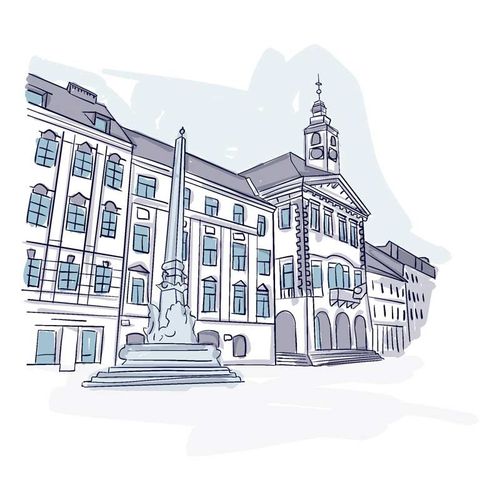
You can start the tour from whichever point is closest to you, since all our routes are designed as loops and the app automatically adjusts your guidance. If you happen to be nearby, the best place to begin is Central Market Square, Vodnikov trg.
Parking à proximité
For parking, the underground car park at Kongresni trg, right under Congress Square, is central and convenient.
Street parking does exist in Ljubljana, but it’s limited to clearly marked zones, almost always paid, and restricted in time. If you plan on staying longer, public or underground car parks in the city center are much more practical, and if you prefer peace of mind, Park & Ride lots on the edge of town let you leave your car and hop on a bus into the center.
À savoir
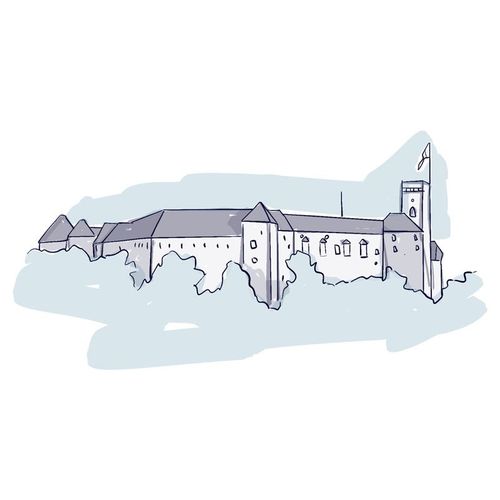
Our city tour doesn’t climb up to the castle, but you can still enjoy its story from the bottom of the funicular or buy a ticket if you’d like to go up. The ride takes just a minute, or you can walk up in about fifteen. Access to the courtyards and ramparts is free, while the panoramic tower, St. George’s Chapel, the puppet museum and temporary exhibitions are all part of the paid section.
The country uses the euro, credit cards are widely accepted, but it’s worth carrying a little cash for small purchases. Tipping isn’t compulsory, though rounding up the bill or leaving five to ten percent in restaurants is always appreciated.
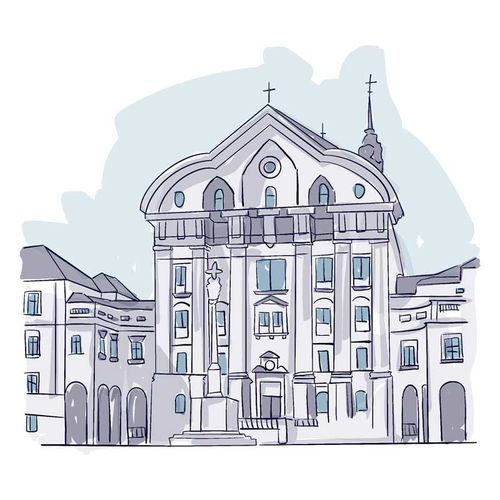
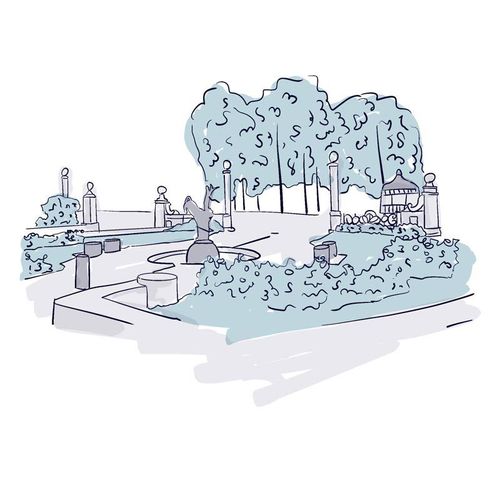
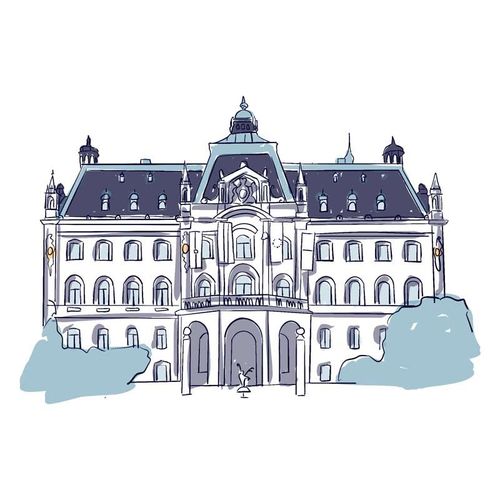
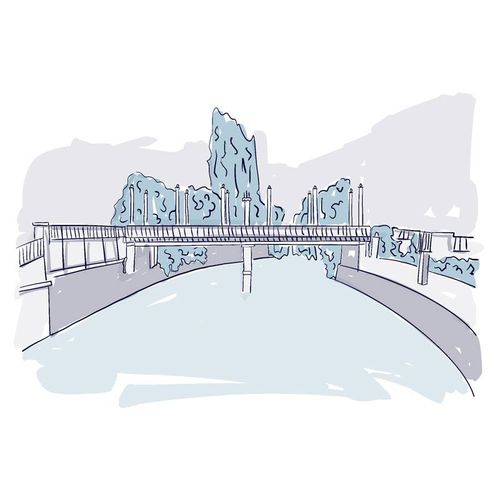
Découvrez 27 lieux d'intérêt pour visiter Ljubljana


Le plein d'inspirations
Explorez le monde en totale liberté, à pied au cœur des villes ou au fil des routes. Nos guides audios transforment chaque destination en une découverte culturelle immersive et unique.
FAQ for visiting Ljubljana
When is the best time to visit Ljubljana?
Ljubljana is pleasant to visit from April to October, when the mild, sunny weather makes strolling especially enjoyable. Spring brings the city to life as terraces open and the parks burst into bloom. Summer stays comfortable thanks to the many green spaces that temper the heat. Autumn reveals magnificent colours in Tivoli Park and on the surrounding hills. Winter has its own charm too, with Christmas markets, magical illuminations, and sometimes snow that gently blankets the rooftops of the historic centre. Each season reveals a different side of this Slovenian capital, letting you enjoy its unique atmosphere all year round.
How many days do you need to visit Ljubljana?
Two to three days are usually enough to discover the essentials of Ljubljana and soak up its laid-back atmosphere. In one full day, you can explore the historic centre, climb up to the castle, and stroll along the Ljubljanica. With two days, you will have time to explore the neighbourhoods at a gentler pace, linger in the cafés, and visit a few museums. A third day lets you deepen your discovery, venture into Tivoli Park, or take a trip into the surrounding area. The city's human scale means you can see a lot without rushing, savouring the peaceful atmosphere that is the great charm of the Slovenian capital.
How do you get around Ljubljana?
Ljubljana is a city perfectly suited to walking, with a compact and largely pedestrian centre. Most tourist attractions are just a few minutes' walk from one another. For longer distances, the urban bus network is efficient and serves every neighbourhood. Public bikes are an excellent alternative, especially as the city has many safe cycle paths. Taxis remain affordable for the occasional trip. If you arrive by car, note that the historic centre is closed to traffic, but several car parks are located right on its edge. As the city is relatively flat, getting around on foot or by bike is still the most pleasant way to enjoy the local atmosphere.
What are the must-sees in Ljubljana?
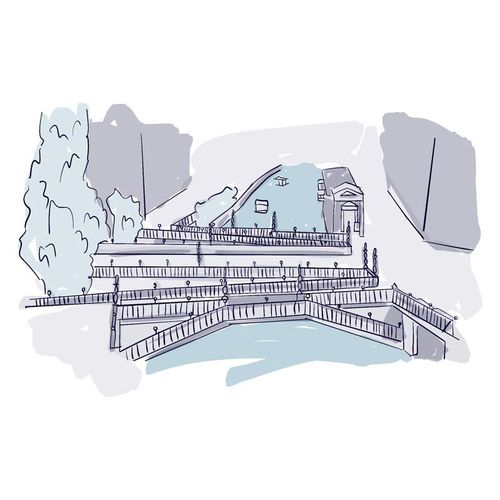
Ljubljana Castle proudly overlooks the city and offers a spectacular panoramic view. The Triple Bridge and the Dragon Bridge are the city's emblematic symbols, not to be missed under any circumstances. Stroll along the Ljubljanica to discover the lively terraces and the colourful architecture of the riverbanks. The central market overflows with local produce and authentic atmosphere. Tivoli Park is a breath of fresh air with its shaded paths and open-air exhibitions. Prešeren Square forms the vibrant heart of the city. For a complete, narrated tour of these highlights, the Ryo audioguide accompanies you with a route specially designed for Ljubljana, enriched with captivating anecdotes and explanations about local history and culture.
Where is Ljubljana and how do you get there?
Ljubljana sits in the centre of Slovenia, about an hour's drive from the Italian, Austrian, and Croatian borders. Jože Pučnik Airport is around thirty kilometres from the city centre, with regular shuttles and taxis available. Many airlines serve Ljubljana from Europe's major cities. By train, the central station welcomes direct connections from Vienna, Zagreb, Budapest, and Venice. By car, the city is easily reached via the A1 motorway, which crosses the country from north to south. International buses are an economical option from neighbouring countries. Ljubljana's central location makes it an ideal starting point for exploring all of Slovenia, from the Julian Alps to the karst caves and the Adriatic coast.
Is Ljubljana a safe city?
Ljubljana is one of the safest capitals in Europe, with a particularly low crime rate. You can wander the city centre with peace of mind, even late in the evening, without any particular worry. Pickpockets are rare, though it is always wise to keep an eye on your belongings in crowded tourist spots. Locals are generally welcoming and helpful towards visitors. The police are present and effective, particularly in tourist areas. Public transport is safe at any hour. Health and hygiene standards match Europe's high norms. As everywhere, take the basic precautions of a savvy traveller, but Ljubljana lets you enjoy your stay in complete peace, adding to the tranquil atmosphere that so aptly defines the Slovenian capital.
How do you pronounce Ljubljana?
Ljubljana is pronounced roughly "Lyoob-lya-na" in English, with the stress on the first syllable. The Slovenian "j" is pronounced like our "y", and the "l" sounds are slightly softened. Locals always appreciate visitors' efforts to pronounce the name of their city correctly, even if your accent is not perfect. Do not worry too much about the exact pronunciation; Slovenians generally understand what you mean and are used to the various international interpretations. If you struggle, you can simply point to the written name or use the city's affectionate nickname, which is easier to say. What matters is communicating with warmth, and locals will gladly help you find your way around their beautiful capital.
Why is the dragon the symbol of Ljubljana?
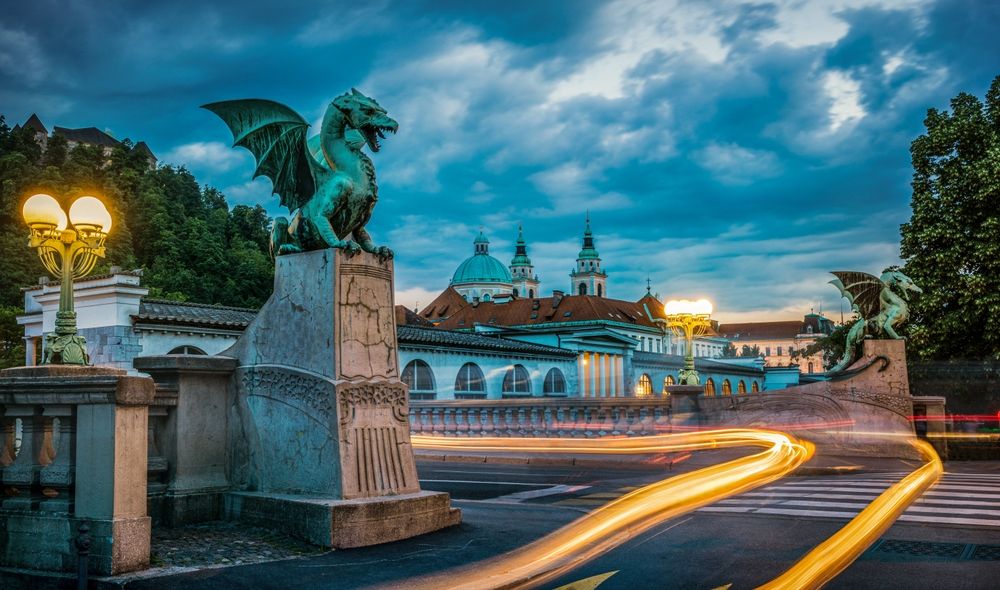
The dragon has watched over Ljubljana for centuries: it appears on the city's coat of arms as well as on that of the castle crowning the hill. The best-known legend links it to Jason and the Argonauts, who are said to have slain a monster in the marshes where the city later took root, while another tradition connects it to Saint George, honoured in the castle chapel.
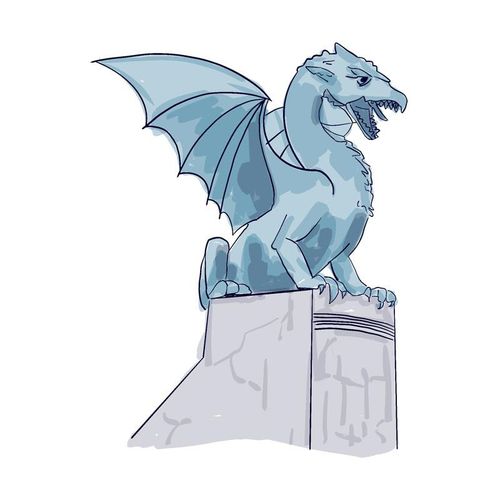
You will come across these creatures almost everywhere, starting with the Dragon Bridge, an early twentieth-century structure whose bronze statues guard the entrances and form the most photographed image of the city. Others hide on façades, fountains, shop signs and even manhole covers, and spotting them quickly turns into a game that gives you an excellent excuse to wander through the historic centre.
Which neighbourhoods should you explore in Ljubljana?
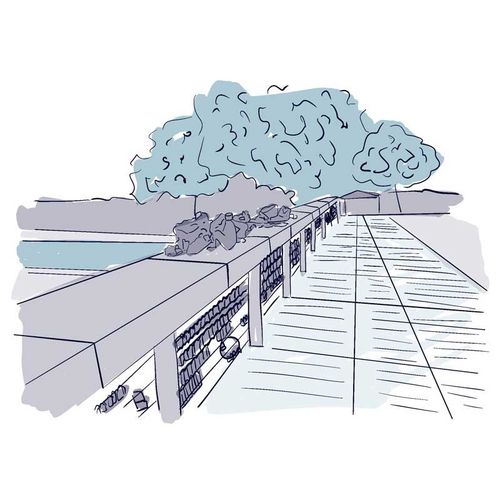
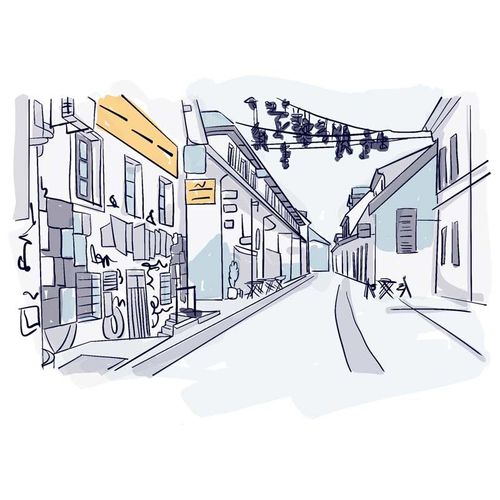
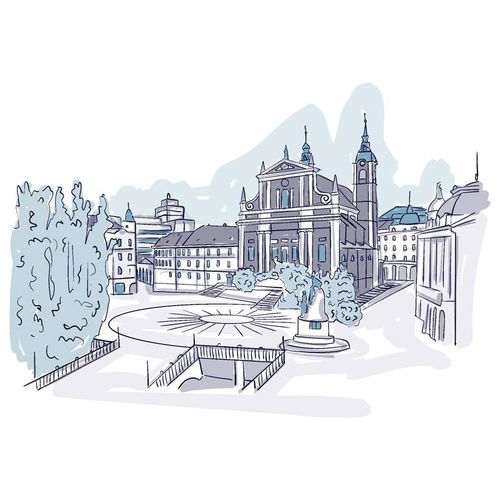
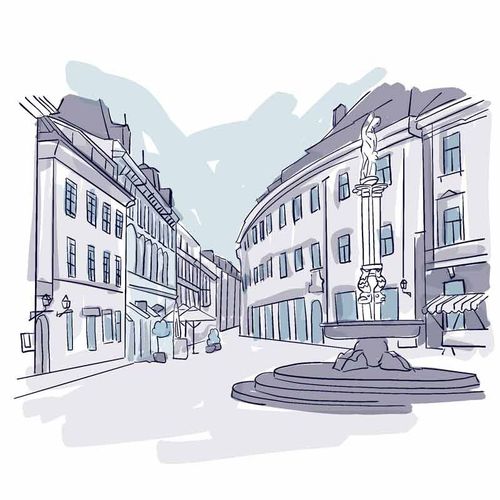
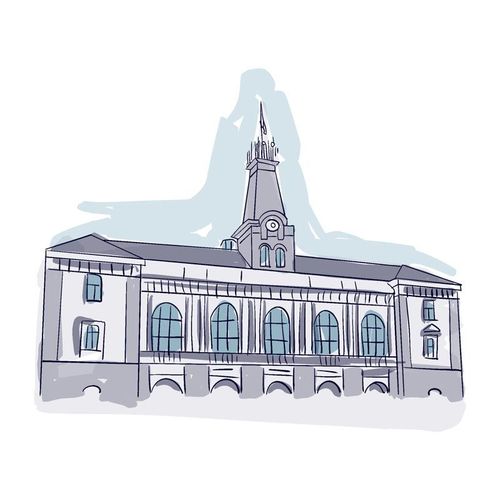
The heart of any visit is still the old town at the foot of the castle: the elongated squares of Mestni trg, Stari trg and Gornji trg line up baroque façades, inner courtyards and terraces, while the opposite bank unfolds the elegance of the early twentieth century around Prešeren Square, Miklošičeva street and the works of the architect Plečnik, including the Triple Bridge and the covered market.
To the south, Krakovo and Trnovo keep their low houses and former market gardens along a small stream, with a village-like atmosphere. At the other end of town, Metelkova, a former barracks turned alternative venue covered in murals and sculptures, mainly comes alive in the evening. The Ryo audio guide offers a dedicated Ljubljana route that links these neighbourhoods and tells their story as you walk.
Which Slovenian specialities should you try in Ljubljana?
Slovenian cooking borrows from its Alpine, Mediterranean and Balkan neighbours. You will happily try štruklji, thin rolled dough filled with fresh cheese, walnuts or herbs, Carniolan sausage served with mustard and horseradish, and hearty soups such as jota, made with beans and fermented cabbage. On the sweet side, potica, a rolled walnut cake, goes perfectly with a coffee.
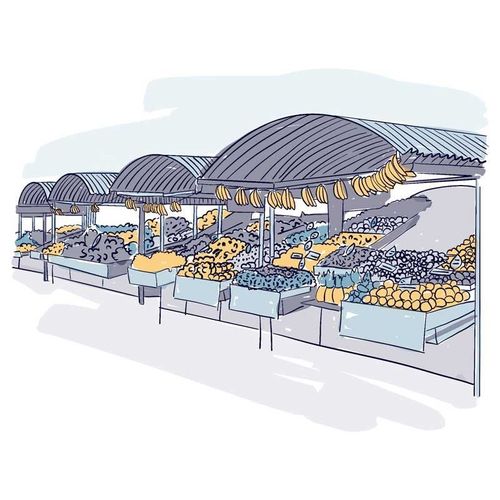
The central market, along the arcades designed by Plečnik, remains the best place to discover seasonal produce, local cheeses and cured meats; on certain days in the warmer months, open-air food stalls set up there as well. Slovenian wines, often white and rarely exported, are also worth seeking out, as are the craft beers found in bars around the centre.
Vos commentaires, idées et suggestions
Aucun avis pour le moment